You love your lush, easy-care jade plant. You also adore your curious, leafy-nibbling cat. If you're searching "are jade plants toxic to cats," you're likely staring at both, heart sinking. Let's cut straight to it: yes, jade plants (Crassula ovata) are toxic to cats. The ASPCA lists them as poisonous. But the real story is more nuanced than a simple yes/no. The level of danger, the specific symptoms, and what you should do right now—that's what we need to talk about. I've been a houseplant enthusiast and cat owner for over a decade, and I've seen the panic, the confusion, and the common mistakes people make. This guide will walk you through everything, from immediate emergency steps to creating a stunning, worry-free indoor jungle that your feline friend can safely explore.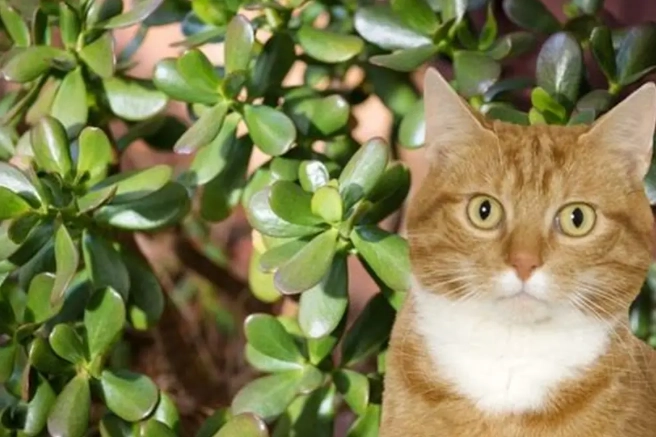
Quick Navigation: What Cat Owners Need to Know
Are Jade Plants Toxic to Cats? The Straight Answer
The toxicity comes from an unknown compound in the plant. It's not considered among the most deadly plants for cats (like true lilies), but it's firmly in the "moderately toxic" category. Think of it like this: it won't likely cause organ failure from a single bite, but it will definitely make your cat feel miserable and can lead to serious complications if enough is eaten.
Here's a point many generic articles miss: the risk isn't uniform. A mature, tough jade leaf might be harder to ingest and cause less irritation than a tender, new sprout. Kittens, elderly cats, or cats with pre-existing health issues are at significantly higher risk from even a small amount.
Key Takeaway: Don't gamble with "maybe it's fine." The consensus from veterinary sources like the ASPCA and the Pet Poison Helpline is clear: jade plants are not safe for homes with cats. The potential for vomiting, distress, and an expensive vet visit is too high.
What Happens If a Cat Eats a Jade Plant? Symptoms
If your cat takes a bite, symptoms usually appear within a few hours. They're primarily gastrointestinal and neurological. Watch for these signs:
- Vomiting: This is the most common and often the first sign. You might see pieces of the plant.
- Lethargy/Depression: Your normally playful cat may become unusually quiet, hide, or sleep excessively.
- Loss of Coordination (Ataxia): They might stumble, seem wobbly on their feet, or have trouble jumping.
- Slow Heart Rate (Bradycardia): This is a more serious symptom you can't see at home but a vet can detect.
I once made the mistake of thinking a small nibble was harmless. My cat, Milo, just seemed a bit sleepy after investigating a fallen jade leaf. By evening, he was vomiting and couldn't land his usual jump onto the windowsill. That was my wake-up call. The lethargy is often underestimated—it's not just tiredness, it's a sign of systemic upset.
What Should I Do If My Cat Ate a Jade Plant?
Stay calm. Panic helps no one, especially your cat. Follow these steps in order.
Step 1: Remove and Secure
Gently move your cat away from the plant. Put the plant in another room, out of reach. If there's any vomit or plant material, try to collect a sample in a plastic bag for the vet. It sounds gross, but it can help with identification.
Step 2: Assess and Call
Do not try to induce vomiting unless instructed by a professional. Call your veterinarian immediately. If it's after hours, call an emergency vet clinic or a pet poison helpline like the ASPCA Animal Poison Control Center (888-426-4435) or the Pet Poison Helpline (855-764-7661). Note: these services may charge a fee, but it's worth it for expert guidance.
When you call, be ready to tell them:
- Your cat's approximate weight and age.
- How much of the plant you think was eaten (a leaf, a chunk?).
- When it happened (as precisely as possible).
- Any symptoms you're already observing.
Step 3: Follow Professional Advice
The helpline or vet will tell you whether to monitor at home or bring your cat in immediately. Never adopt a "wait-and-see" approach with plant ingestion. What looks mild can escalate.
Pro Tip: Keep the contact numbers for your regular vet, the nearest emergency vet, and a poison helpline saved in your phone now—before you ever need them. A photo of your plant on your phone can also help with quick ID.
5 Safe & Beautiful Houseplant Alternatives to Jade
The good news? You don't have to live in a plant-less void. Plenty of stunning, non-toxic plants offer a similar aesthetic—succulent, sculptural, or just plain tough. Here are my top five, vetted for safety with cats.
| Plant Name | Why It's a Great Jade Substitute | Care Level (Similar to Jade) |
|---|---|---|
| Haworthia (Zebra Plant) | Striking striped, succulent leaves in a rosette shape. Stays compact. Looks fantastic in small pots. | Easy. Bright, indirect light. Let soil dry between waterings. |
| Peperomia (Many varieties like Watermelon Peperomia) | Thick, fleshy leaves. Incredibly diverse leaf shapes and colors. Tolerates some neglect. | Very Easy. Medium light. Water when topsoil is dry. |
| Spider Plant (Chlorophytum comosum) | Grassy, arching leaves. Produces "pups" for easy propagation. A classic for a reason. | Super Easy. Adaptable to various light. Forgiving with water. |
| Boston Fern (Nephrolepis exaltata) | Lush, cascading fronds. Perfect for a hanging basket, well out of paw's reach. Adds great texture. | Moderate. Needs humidity and consistent moisture (not wet). |
| Parlor Palm (Chamaedorea elegans) | Elegant, small palm fronds. Adds a tropical, structural element. Slow-growing and pet-safe. | Easy. Low to medium light. Water when top inch of soil is dry. |
You can create a full, vibrant indoor garden with these. I've replaced all my risky plants with cat-safe ones, and honestly, my collection is more interesting now.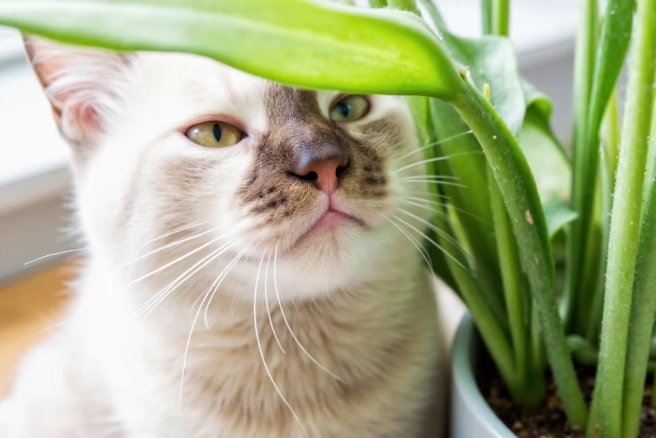
Keeping Cats Away from Plants: Real Strategies That Work
If you can't bear to part with a toxic plant (though I strongly advise it), or you want to protect your new safe ones from becoming shredded toys, you need a strategy. Sprays often fail. Here's what does:
- Elevation is Your Best Friend: High shelves, tall plant stands, hanging planters. Cats are climbers, but making it inconvenient helps. Ensure the shelf is stable and won't tip.
- Create a Physical Barrier: A decorative birdcage around a prized plant, or a room with a door you can keep closed (like a sunny bathroom).
- Offer a Better Alternative: This is the expert move. Grow a pot of cat grass (oat or wheatgrass). Place it in an easy-to-access spot. It gives them a legal outlet for their grazing instinct. My cats leave my other plants alone because they have their own.
- Use Texture They Dislike: Covering the soil surface with large, rough river rocks or pine cones can deter digging and make the pot less appealing.
The "spray bottle" method usually just teaches your cat to misbehave when you're not looking. It doesn't address the root cause of the behavior, which is often curiosity or a need for fiber.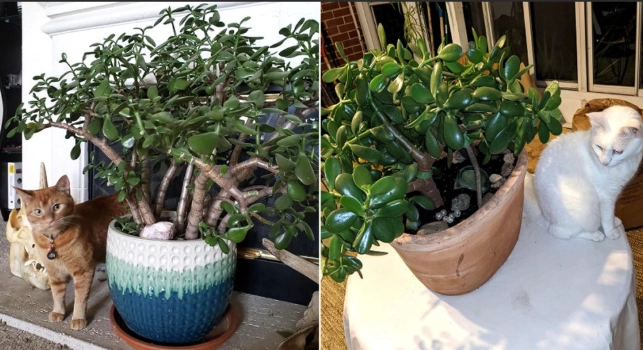

Leave a comment