Watching your dog stumble around with a giant plastic cone, crashing into door frames and looking utterly dejected, is heartbreaking. The Elizabethan collar (the proper name for the "cone of shame") works, but it's often a source of stress for both pet and owner. I've been through this three times with my own dogs, and each time I searched for a better way. The good news? With some basic materials and a bit of effort, you can create a comfortable, effective, and often more humane alternative right at home.
This guide isn't about cute crafts that might fail. It's about practical, vet-informed DIY solutions that prioritize your dog's safety and comfort. We'll cover methods I've personally tested, what absolutely doesn't work (a common DIY pitfall), and how to ensure your homemade solution is as safe as the plastic original.
What’s Inside This Guide
Why You Might Want to Ditch the Plastic Cone
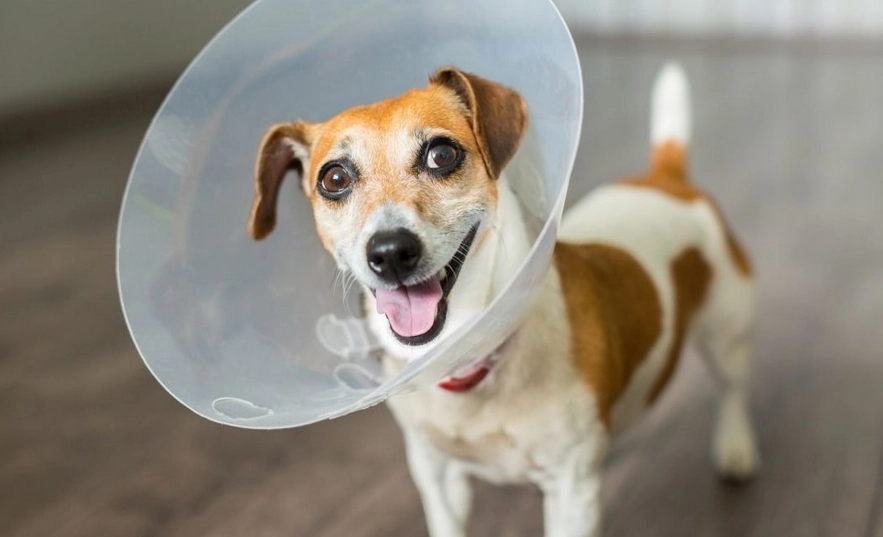
The plastic cone has one job: prevent licking, biting, or scratching a wound, stitch line, or hot spot. It does this job brutally well. But the side effects are real.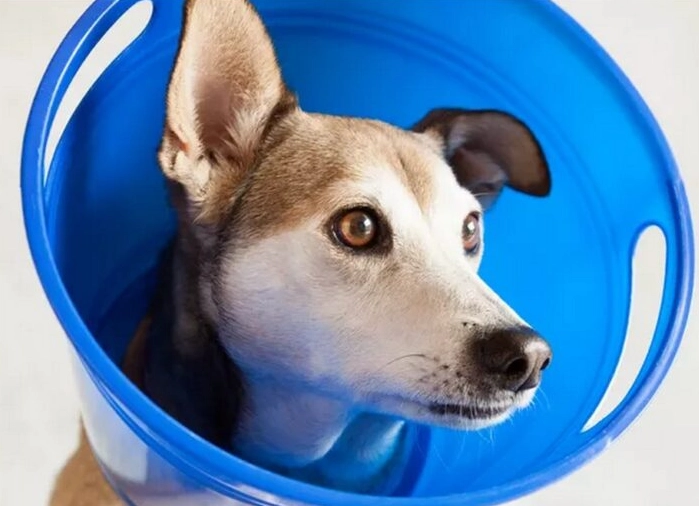
Dogs can't eat or drink easily. Their peripheral vision is blocked, leading to anxiety and more bumping. They can't rest their head comfortably. The constant noise of plastic scraping against walls or floors is irritating. For some dogs, especially those with noise sensitivity or existing anxiety, the cone itself becomes a trauma.
That's where alternatives come in. A well-made DIY option can provide the necessary protection while restoring some dignity and comfort. Think of it not as rejecting veterinary advice, but as implementing it in a more dog-centric way—once you've gotten the green light from your vet, which is step one.
The Golden Rule: What to Do Before You Start Any DIY Project
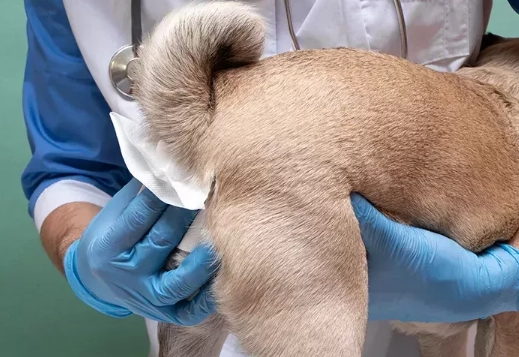
Talk to your vet. Full stop. I can't stress this enough. Show them your plan or materials. The location and type of injury matter immensely. A simple spay incision on the belly is different from a paw wound or an ear infection. Your vet can tell you if a soft collar or a body covering is appropriate. Never assume a DIY project is safe without professional consultation. The American Veterinary Medical Association (AVMA) emphasizes the importance of following post-operative care instructions to the letter.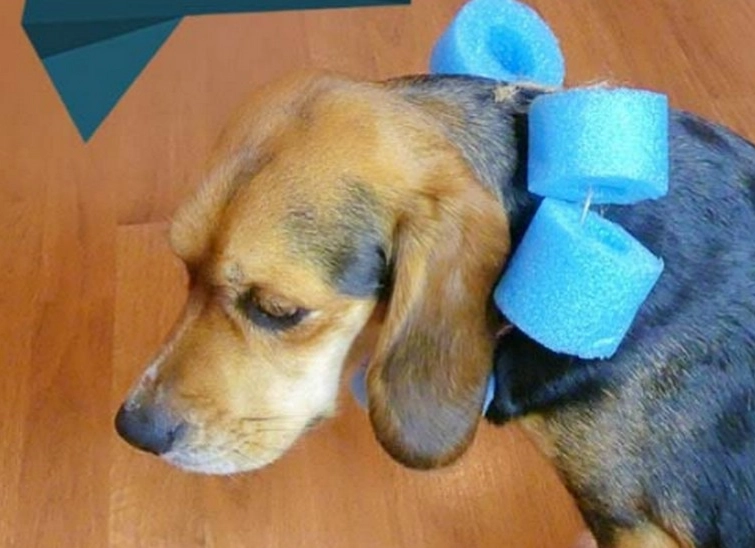
Three Tested DIY Dog Cone Alternative Methods
Here are three approaches, ranked from simplest to most involved. I've used the first two with success on my own lab-mix.
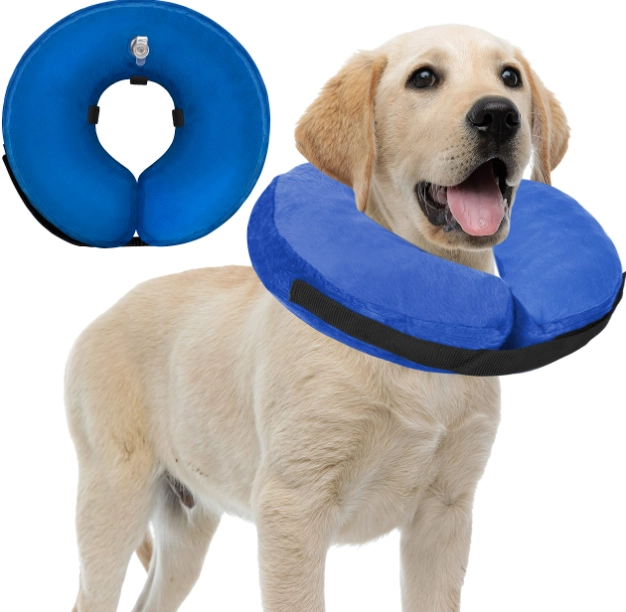
Method 1: The Soft Fabric Recovery Collar (The "Comfy Donut")
This is my go-to for chest, leg, or paw issues. It works like a travel neck pillow, providing a soft barrier that keeps the dog's mouth away from its body without impairing vision.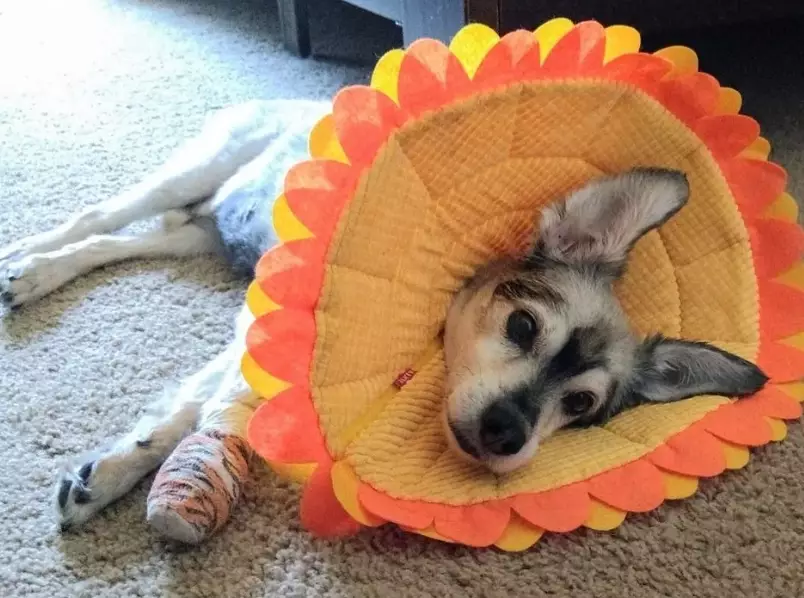
You'll Need: An old pillow (memory foam is best), a towel, or a pool noodle; a long strip of soft fabric (like an old t-shirt sheet); scissors; measuring tape; and strong Velcro strips or durable buttons.
Step-by-Step:
- Measure & Cut: Measure your dog's neck circumference. For the pillow/towel method, cut a length of fabric about 4 inches wide and 1.5 times the neck measurement. For a pool noodle, cut a segment that fits around the neck snugly but not tightly, then slice it open lengthwise to wrap it.
- Create the Core: Roll the towel tightly, or use the pillow stuffing/memory foam to create a firm but soft roll. If using a pool noodle, skip this step.
- Wrap & Secure: Place the core (or noodle) in the center of your fabric strip. Wrap the fabric around it and sew or tightly stitch the long edge closed. You now have a long, padded sausage.
- Form the Circle: Wrap the padded sausage around your dog's neck. The ends should meet comfortably without squeezing. Mark the overlap.
- Attach Closure: Sew strong Velcro strips onto the marked overlap areas on each end. Buttons or sturdy snaps work too, but Velcro allows for easy adjustment.
- Test Fit: The collar should be thick enough that when your dog tries to bend its neck, its nose bumps the soft padding before reaching its body.
When it works: Perfect for preventing paw licking or chest nibbling. My dog slept normally with this on.
When it fails: If the wound is directly on the shoulder or high on the back leg, a determined dog might still reach over or under it.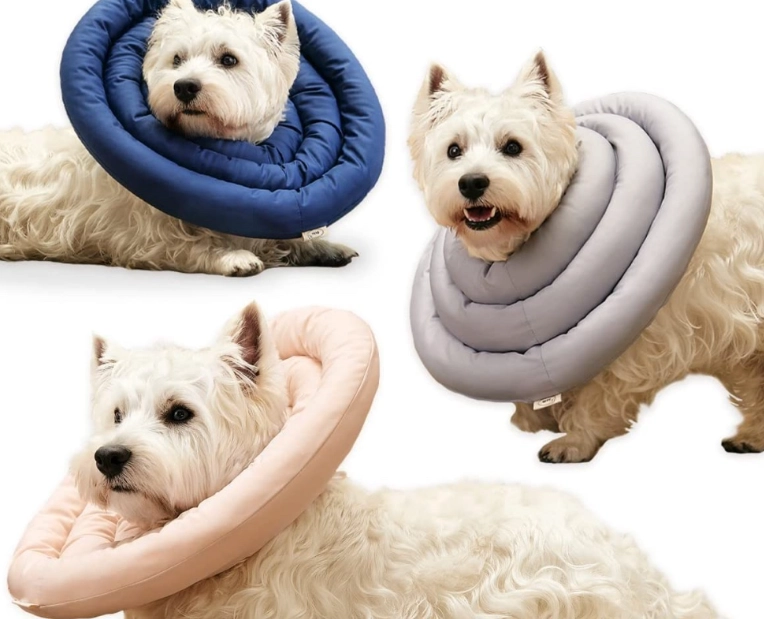
Method 2: The Recovery Onesie (For Belly & Torso Wounds)
This is ideal for spay/neuter incisions or rashes on the belly or back. It's essentially a fitted t-shirt that covers the problem area.
You'll Need: An old, soft, breathable cotton t-shirt (size based on your dog), scissors, safety pins or needle/thread.
Step-by-Step:
- Dog in the Shirt: Put the t-shirt on your dog normally, with the head through the neck hole and front legs through the armholes.
- Mark for Tail & Potty: Locate where your dog's tail base is. Carefully cut a small hole in the shirt for the tail to poke through. For male dogs, you'll need to cut a larger, u-shaped opening in the belly area to allow them to urinate without soiling the onesie.
- Secure the Belly: The shirt will be loose. Gather the excess fabric along your dog's underside (belly) and use safety pins or a quick running stitch to create a snug, but not tight, fit. Ensure no loose fabric dangles near the wound.
- Check Mobility: Your dog should be able to walk, sit, and squat to pee/poop without restriction. The material must be breathable to prevent moisture buildup.
Pro Tip: Use a child's onesie with snap crotches for even easier bathroom breaks. Just cut a hole for the tail and use the existing snaps.
Method 3: The Padded Neck Brace (For Neck & Ear Issues)
This is more specialized for ear infections or neck wounds. It limits head mobility rather than creating a physical barrier.
You can modify a soft foam cervical collar from a pharmacy. Choose one that's tall enough to prevent your dog from turning its head fully to the side. Wrap it in a soft, washable fabric cover (like a sleeve cut from a sweatshirt) for comfort and hygiene. Secure it with the existing straps, ensuring you can still fit two fingers underneath.
The Non-Negotiable DIY Safety Checklist
Before you let your dog wear your creation for more than a test run, go through this list.
- No Choking Hazards: All closures (Velcro, buttons, snaps) must be incredibly secure. Double-stitch them. Loose parts are a swallowing risk.
- Breathability is Key: Never use plastic, vinyl, or non-breathable fabrics. They trap heat and moisture, creating a perfect environment for infection.
- The Two-Finger Rule: Any item around the neck or torso must allow you to comfortably slide two fingers underneath. Too tight restricts breathing and circulation.
- Supervision is Mandatory: The first few hours are critical. Watch for signs of distress, overheating, or clever attempts to remove the device.
- Inspect the Wound Twice Daily: You must be able to easily remove your DIY alternative to check the wound for redness, swelling, or discharge, and to clean it as directed by your vet.
Common DIY Mistakes (And How to Avoid Them)
I've seen these errors pop up in online forums constantly.
| Mistake | Why It's Dangerous | The Fix |
|---|---|---|
| Using an actual inflatable travel neck pillow. | They are not designed for chewing. A punctured pillow can deflate quickly and become a choking/suffocation hazard. | Use solid, chew-resistant foam (like a cut-up yoga mat) inside a durable fabric sleeve. |
| Making the barrier too thin or soft. | A dog will simply squish it and reach the wound. This gives a false sense of security. | The padding must be firm enough to prevent the nose from compressing it to reach the skin. Test it yourself by pushing on it with moderate pressure. |
| Ignoring bathroom needs. | A full-body suit that gets soiled traps bacteria against the wound. | Always design for easy elimination. Use washable materials and have multiple copies on hand for quick changes. |
| Assuming "no lick" sprays are enough. | These are deterrents, not barriers. A determined or anxious dog will lick through the bitter taste. | Use sprays as a supplementary aid, never as the primary protection for a healing surgical wound. |
Your DIY Dog Cone Questions, Answered
My dog is a master escape artist and hates anything on his body. Will any DIY cone alternative work?
How do I clean my homemade dog recovery collar or suit?
My dog's wound is itchy. The DIY collar prevents licking, but he keeps rubbing it against furniture. What can I do?
Are store-bought inflatable collars better than a DIY version?
How long can my dog safely wear a DIY alternative each day?
The plastic cone isn't evil—it's a highly effective tool. But it's not the only tool. By understanding your dog's specific needs, getting veterinary approval, and carefully constructing a DIY alternative, you can turn a stressful recovery period into a more peaceful one. Your dog gets comfort, you get peace of mind, and the healing process gets the protection it requires. It's a win that's worth the bit of extra effort.
Leave a comment