Your dog's paws are their foundation. They absorb shock, provide traction, and carry them through every adventure. But most of us only really look at them when our dog starts limping or obsessively licking. That's often too late. The difference between a healthy paw and one with a brewing problem can be subtle. I've seen too many minor irritations turn into costly vet visits because the early signs were missed. Let's change that. This isn't just a comparison list; it's a visual and tactile guide to becoming fluent in the language of your dog's feet.
In This Article, You'll Discover:
What Healthy Dog Paws Look and Feel Like: The 5-Point Checklist
Think of a healthy paw like a well-maintained hiking boot. It's tough where it needs to be, flexible, and free of debris. Here's your at-home inspection guide.
1. Paw Pads: The Pillows
They should feel smooth, thick, and leathery, like the palm of a calloused hand. Color varies—pink, black, or spotted—and that's normal. The key is texture. Run your thumb over them. They should be supple, not dry and cracked. Press gently. They should feel firm yet have a slight, springy give. That elasticity is crucial for shock absorption. After a walk on hot pavement or cold snow, they might feel warmer or cooler, but they shouldn't be painfully hot to your touch or have visible damage.
2. Fur and Skin Between the Toes
The hair here is usually shorter and finer. It should be clean and dry, not matted, damp, or stained a reddish-brown (a classic sign of excessive licking). The skin itself should be pale pink or match the pad color, with no redness, swelling, or pimples. Part the fur and look closely. You shouldn't see any cysts, burrs, or little black specks (which could be flea dirt or seed heads).
3. Nails: The Click Test
The gold standard is the "click test." When your dog is standing on a hard floor, their nails should not touch the ground. You should hear a soft patter, not a constant click-clack. The quick (the pink, sensitive part inside the nail) should be well behind the tip on light nails. For black nails, look for a small, hollow hook at the very end—that's the part to trim. Overgrown nails force the toes to splay, altering their gait and putting stress on the joints.
4. Overall Shape and Posture
Watch your dog stand. The paws should point forward, not splay outwards or turn in. The carpal pad (that extra pad up on the "wrist") should not bear weight during normal standing. If it is, it's often a sign of trying to relieve pressure from sore main pads. The toes should be aligned and tight, not swollen or spread apart.
5. The Smell Factor
Let's be real. Dog feet can have a distinct scent—often described as like corn chips or popcorn. This is usually caused by harmless bacteria and yeast that live on the skin. A healthy paw smell is mild. A strong, foul, cheesy, or yeasty odor is a red flag for infection.
Red Flags: The Most Common Signs of Unhealthy Paws
Problems rarely appear out of nowhere. They give off signals. Your job is to decode them before the limp starts.
| What You See/Feel | What It Often Means | Immediate Action |
|---|---|---|
| Excessive licking or chewing at the paws | #1 warning sign. It indicates pain, itchiness, or a foreign body. Allergies are a prime suspect. | Examine between toes thoroughly. Consider an Elizabethan collar to prevent self-trauma. |
| Limping or favoring one leg | Acute injury (cut, torn nail, bruise), foreign object (glass, thorn), or infection. | Check the affected paw immediately for visible wounds or swelling. Restrict activity. |
| Red, inflamed skin or sores between toes | Pododermatitis (interdigital inflammation). Can be from allergies, bacteria, yeast, or mites. | Keep area clean and dry. A vet can diagnose the underlying cause (crucial for treatment). |
| Dry, cracked, or bleeding pads | Dehydration of the pad, chemical burns (ice melt), or extreme weather exposure. | Apply a vet-approved paw balm (like Musher's Secret). Avoid harsh surfaces. |
| Swelling of a single toe or paw | Possible insect sting, infection, fracture, or cancerous growth (like a digital squamous cell carcinoma). | This often requires prompt veterinary attention for diagnosis (X-rays may be needed). |
| Discolored nails (brown, crumbling) | Fungal infection (onychomycosis) or a sign of systemic illness. | Vet diagnosis is needed. Fungal infections are stubborn and require specific medication. |
| Unusual growths or lumps on pads or between toes | Could be harmless cysts, warts, or more serious tumors like mast cell tumors. | Monitor for changes in size/color. Any new growth should be checked by a vet. |
A Breakdown of Specific Paw Problems & What to Do
Let's get into the nitty-gritty of three common issues I see all the time.
Interdigital Cysts (The "Between-Toe Boil")
These are nasty. They look like sudden, red, swollen lumps between the toes, often oozing blood or pus. The old thinking was that they were just infected hair follicles. The newer, more accurate view is that they're often a severe inflammatory reaction, frequently linked to underlying allergies (environmental or food) or foreign bodies. Antibiotics alone might clear one up, but if the root cause isn't addressed, they'll come back. I've seen dogs get them cyclically every spring due to pollen allergies. Treatment needs to be two-pronged: manage the acute infection/inflammation with vet care (which may include medication, soaks, or even laser therapy) and then work on identifying the allergy trigger.
Split or Torn Paw Pads
This is a true first-aid situation. It often happens from running on rough terrain, sharp ice, or hot pavement. If the tear is small and superficial, clean it gently with a dilute antiseptic like chlorhexidine (available at pet stores), apply an antibacterial ointment, and cover with a non-stick pad and a secure but not tight bandage. You must keep it clean and dry. The biggest mistake? Using human adhesive bandages directly on the fur—they stick painfully. Use a vet wrap or a dog-specific sock. For deep cuts, significant bleeding, or if you see foreign material embedded, go to the vet. They might need stitches or a surgical clean.
Yeast Infections: The Stinky, Itchy Menace
Yeast loves warm, moist, dark places. Hello, between your dog's toes. Signs include intense licking, reddish-brown staining on the fur from saliva, a distinctly sour or cheesy smell, and greasy, thickened skin. It's miserable for the dog. Over-the-counter anti-fungal creams can sometimes help mild cases, but often prescription medication from the vet is needed. Prevention is key: after walks in wet grass or rain, dry those paws thoroughly, especially between the toes. Don't just wipe the tops.
How to Perform a Weekly Paw Check (The 5-Minute Ritual)
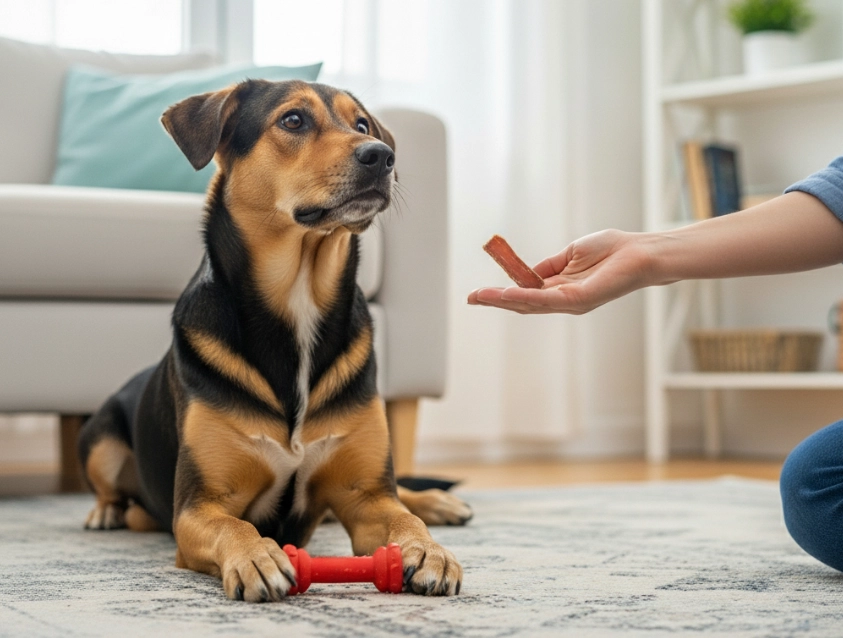
Make this a weekend habit, maybe during a cuddle session. Have treats ready.
- Start with a smell. Give each paw a quick sniff. Note any change from the usual "Frito" smell.
- Feel every pad. Apply gentle pressure. Check for cracks, cuts, or unusual soft/hard spots.
- Spread the toes. Gently separate each toe. Look for redness, moisture, discharge, or hidden objects.
- Inspect the nails. Check length and look for cracks or splits. Feel the dewclaws (if present)—they're often forgotten and can curl into the skin.
- Look up the leg. Check the higher fur for mats and the skin for any rashes that might be causing paw-licking.

Building a Bulletproof Paw Prevention Routine
Good paw care is proactive, not reactive. Here's a simple routine.
- Seasonal Protection: In winter, use a pet-safe ice melt on your driveway. Wipe paws with a damp cloth after walks to remove salt and chemicals. Consider dog boots for extreme conditions. In summer, walk on grass in the early morning or evening. Do the 7-second test: place the back of your hand on the pavement. If it's too hot for you, it's too hot for them.
- Moisturize Strategically: Use a natural paw balm before potential exposure (like a hike) to create a barrier, and after to moisturize. Don't overdo it—soggy pads are prone to maceration.
- Grooming Matters: Keep the hair between the paw pads trimmed short. This prevents snow/ice balls in winter and reduces the place for moisture and debris to hide.
- Diet & Allergies: A diet rich in omega-3 fatty acids (fish oil) can promote healthy skin and pads from the inside out. If your dog has chronic paw issues, discuss allergy testing with your vet. The American College of Veterinary Dermatology has great resources on managing canine allergies.

Your Top Paw Questions Answered
Your dog's paws are a direct line to their overall comfort and health. Learning to read them isn't just about avoiding a vet bill—it's about catching little whispers of discomfort before they become screams of pain. Make paw checks part of your routine. That quick weekly once-over, paying attention to the licking, and taking preventive steps can keep your best friend walking, running, and exploring on four healthy, happy paws for years to come.

Leave a comment