You're staring at that bowl of kibble, and so is your dog. There's a mutual understanding that dinner could be more exciting. Maybe your pup is a picky eater, or you just want to give them a nutritional boost. The question "What can I sprinkle on my dog's food?" is more common than you think. The good news? Your kitchen is full of safe, healthy options that can transform mealtime. The bad news? A lot of advice out there is vague or misses crucial safety details. Let's cut through the noise.
Adding toppers isn't just about flavor. It's about moisture for older dogs, fiber for digestion, novel proteins for allergy sufferers, and mental enrichment for bored pups. But doing it wrong can lead to weight gain, nutritional imbalance, or worse. I've seen dogs develop pancreatitis from too much rich food added with good intentions.
Your Quick Guide to Dog Food Toppers
Why Bother Sprinkling Anything on Dog Food?
If your dog's kibble is "complete and balanced," why add anything? Think of it this way: you could live on meal replacement shakes, but you'd probably enjoy a real salad or piece of fruit more. It's about palatability, variety, and addressing specific needs.
Picky Eaters: This is the big one. Some dogs get bored. A sprinkle of something smelly or tasty can be the difference between a full bowl and a hungry dog.
Health Boosts: Kibble processing can degrade some nutrients. Fresh toppers add live enzymes, antioxidants, and moisture. Pumpkin for fiber, blueberries for antioxidants, sardines for omega-3s—it's targeted nutrition.
Hydration Helper: Adding a bit of water, bone broth, or wet food is a fantastic way to increase fluid intake, especially for dogs who don't drink enough or have kidney concerns.
Medication Disguise: Hiding a pill in a dollop of plain yogurt or mashed sweet potato is a classic hack that works.
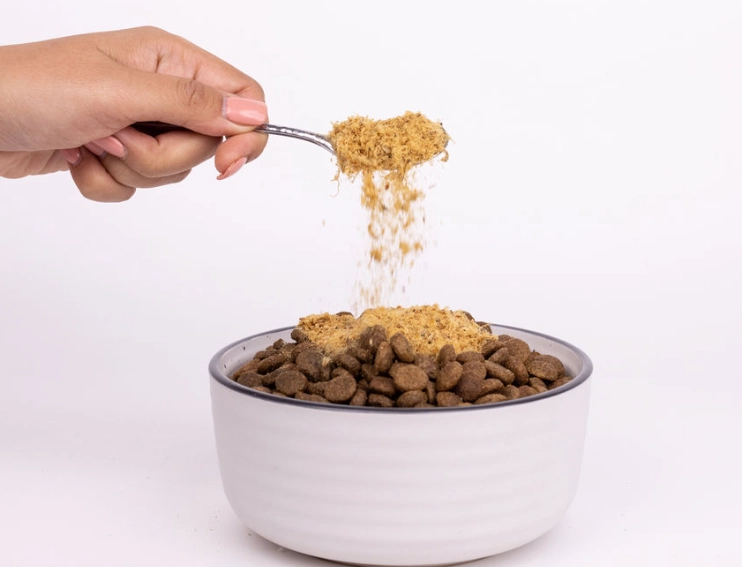
The key is the word "sprinkle." Toppers should make up no more than 10% of your dog's daily caloric intake. The other 90% should still be their nutritionally complete main food. This isn't about replacing meals; it's about enhancing them.
The Safe Sprinkle List: From Your Fridge to Their Bowl
Here’s a breakdown of vet-approved options. Remember: plain is best. No added salt, sugar, oils, or seasonings.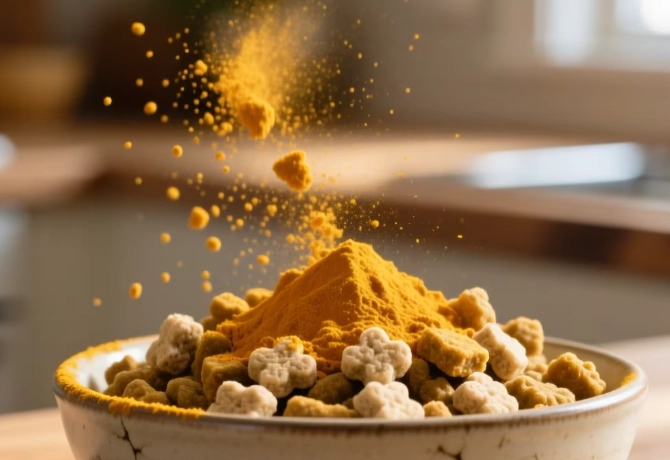
| Food Topper | Key Benefits | How to Serve & Precautions |
|---|---|---|
| Plain, Cooked Pumpkin (or Sweet Potato) | Digestive superstar. Soluble fiber firms up loose stools, insoluble fiber helps with constipation. Low calorie. | 1-4 tbsp per meal (based on dog size). Use plain canned pumpkin (not pie filling) or baked, mashed fresh pumpkin. |
| Plain Yogurt or Cottage Cheese | Probiotics for gut health, calcium, protein. Great for hiding pills. | Ensure it's plain, unsweetened, and preferably low-fat or fat-free. A spoonful is plenty. Avoid if lactose intolerant. |
| Blueberries & Raspberries | Antioxidant powerhouses, low sugar, high fiber. Raspberries have anti-inflammatory properties. | A handful sprinkled and slightly mashed. Frozen berries make a crunchy summer treat. |
| Cooked Eggs | Excellent bioavailable protein, amino acids, vitamins. The ultimate "sprinkle." | Scrambled or boiled, chopped up. Start with half an egg for medium dogs. Fully cook to avoid biotin deficiency risk from raw whites. |
| Green Beans, Carrots, Peas | Low-calorie crunch, vitamins, and fiber. Perfect for weight management diets. | Steamed or boiled until soft, then chopped. Canned are okay if no-salt-added. |
| Sardines in Water | Omega-3 fatty acids for skin/coat, anti-inflammatory, calcium from bones. | One small sardine mashed in per meal. Must be in water, not oil or salt. A game-changer for dry coats. |
| Bone Broth (Dog-Safe) | Hydration, joint-supporting minerals like glucosamine, palatability. | Pour a few tablespoons over kibble. Make your own (no onions/garlic) or buy a brand formulated for pets. |
One mistake I see constantly is people thinking "a sprinkle" means a handful. For a 30-pound dog, a "sprinkle" of blueberries is 5-8 berries, not 50. This is where calories sneak in. That 10% rule is your best friend.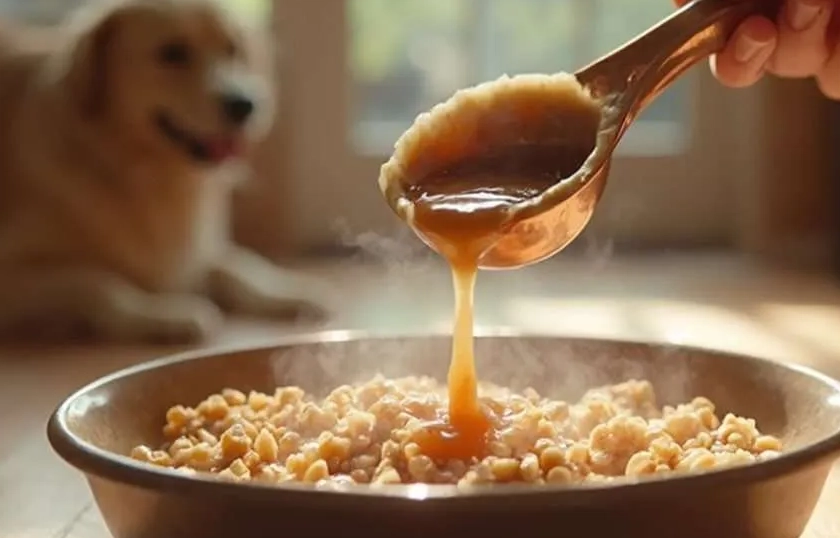
What You Should Never Sprinkle on Dog Food
This list is shorter but critical. Some common human foods are toxic.
- Onions, Garlic, Chives, Leeks: All alliums. They damage red blood cells, leading to anemia. Garlic powder in a seasoning blend is a silent danger.
- Xylitol: The artificial sweetener found in sugar-free peanut butter, yogurt, and some baked goods. It causes a rapid, life-threatening drop in blood sugar and liver failure in dogs.
- Grapes & Raisins: The toxin is unknown, but even a small amount can cause sudden kidney failure in some dogs.
- Chocolate & Caffeine: Theobromine is the culprit. Dark chocolate and baking chocolate are the most dangerous.
- Macadamia Nuts: Cause weakness, vomiting, and hyperthermia.
- Foods High in Fat: Bacon grease, fatty meat trimmings, butter. A common cause of pancreatitis—a painful and serious inflammation of the pancreas.
How to Introduce New Food Toppers the Right Way
Dogs have sensitive stomachs. A sudden change can mean a messy night.
Step 1: The Single-Ingredient Test
Pick one topper from the safe list. Introduce it in a tiny amount—think one blueberry or a teaspoon of pumpkin—mixed thoroughly into their regular meal. Do this for 2-3 days while monitoring their stool. If all is normal, you can slowly increase to the recommended serving size.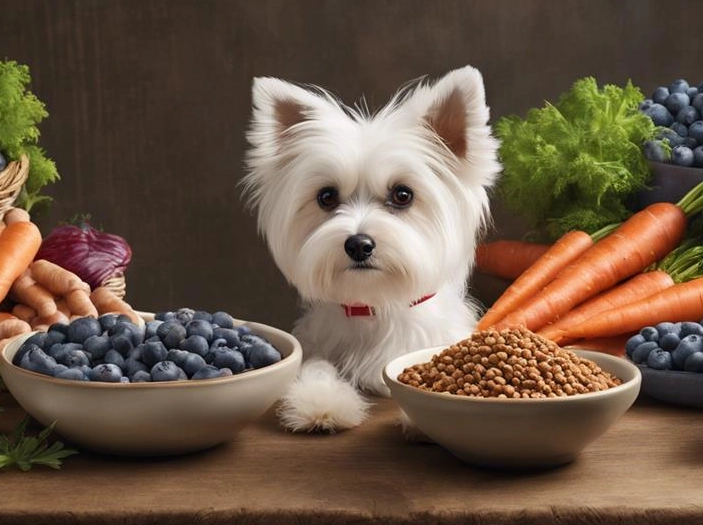
Step 2: Observe and Rotate
Watch for any signs of intolerance: itching, ear infections, soft stool, or gas. If you see issues, stop that topper. Once a topper is successfully introduced, don't feel you have to use it every day. Rotating toppers (pumpkin on Monday, egg on Wednesday, sardines on Friday) provides variety and a broader range of nutrients.
Step 3: Adjust Main Meals
This is the step most guides omit. If you're consistently adding 50 calories worth of toppers per day, you should slightly reduce the amount of kibble you're feeding. Not doing this is the #1 reason dogs gain weight on "healthy" toppers. Use a calorie calculator (like those from the World Small Animal Veterinary Association resources) to find your dog's daily needs and do the math.
It sounds fussy, but it prevents a slow, sneaky weight gain that you'll blame on "getting older" instead of the extra spoonful of yogurt.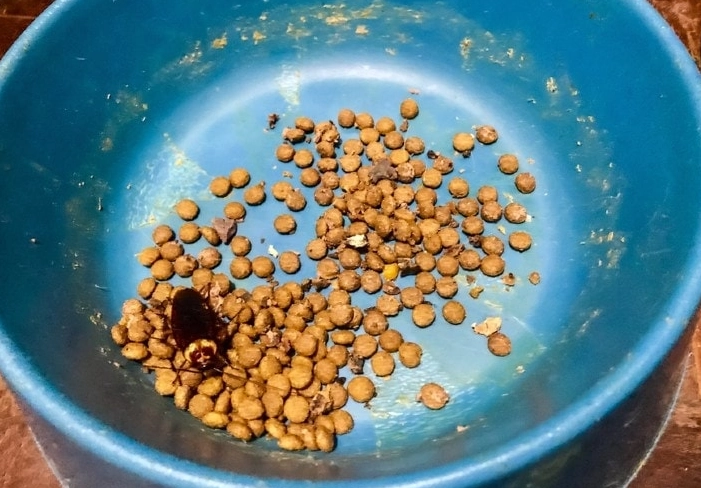
Your Topper Questions, Answered
So, what can you sprinkle on your dog's food? A world of healthy, safe options that make mealtime better for both of you. Start simple, start small, and pay attention to your dog's individual response. That boring bowl of kibble is now a canvas for nutrition and enjoyment.

Leave a comment