You're looking at your spice rack or your garden and wondering, "Could my dog benefit from some of this?" It's a smart question. Many herbs offer fantastic health perks for dogs, from freshening breath to soothing anxious minds. But here's the catch that most blog posts gloss over: the line between "beneficial" and "toxic" can be incredibly thin, and it often depends on the form, dose, and your individual dog's health. I've seen well-meaning owners accidentally cause stomach upset by overdoing a "good" herb. This guide cuts through the noise. We'll cover the safe herbs, their proven benefits, the critical dangers to avoid, and exactly how to introduce them without turning your kitchen into a canine chemistry experiment.
What's Inside This Guide
Why Consider Herbs for Your Dog?
Think of herbs as nature's supplements. For centuries, they've been used to support health, and modern pet owners are rediscovering their value. It's not about replacing your dog's balanced diet or your vet's advice. It's about adding a layer of targeted, natural support.
Maybe your senior Lab has stiff joints. Perhaps your anxious rescue dog paces during thunderstorms. Or you might just want to boost your healthy dog's overall immunity. Herbs can play a role here. They contain antioxidants, anti-inflammatory compounds, and digestive aids. The key is using them correctly and cautiously. I always tell people: start with the goal. Are you targeting digestion, anxiety, joint health, or something else? That dictates your choice.
The Safe Herbs List: Benefits & How to Use
This is the core of what you're looking for. Below is a detailed list of herbs generally recognized as safe for dogs when used appropriately. I've ranked them by common use cases and included specifics on form and dosage—something many guides leave frustratingly vague.
| Herb | Key Benefits for Dogs | Safe Forms & How to Serve | Expert Dosage Tip* |
|---|---|---|---|
| Parsley | Freshens breath, rich in vitamins (A, C, K), acts as a mild diuretic. | Fresh, finely chopped. Sprinkle over food. Dried (less potent). | 1 tsp of fresh, chopped parsley per 20 lbs of body weight, mixed into food. |
| Mint (Spearmint/Peppermint) | Soothes upset stomach, reduces gas, freshens breath. | Fresh leaves (chopped), dried, or a cooled, weak tea added to water bowl. | A few fresh leaves 2-3 times a week. For tea, 1-2 tbsp in water bowl. |
| Turmeric | Powerful anti-inflammatory (great for arthritis), antioxidant. | Golden Paste (turmeric + black pepper + oil). Never give dry powder alone—it's poorly absorbed. | Start with 1/8 tsp of golden paste per 10 lbs body weight daily. Black pepper is crucial for absorption. |
| Ginger | Excellent for nausea, motion sickness, and aiding digestion. | Fresh, grated (a tiny amount), powdered, or cooled ginger tea. | For a 30 lb dog, a pinch (less than 1/8 tsp) of grated ginger mixed in food before a car ride. |
| Oregano | Antioxidant, antimicrobial properties. Can support immune function. | Dried is best (more concentrated). Use sparingly. | A tiny sprinkle (think "dusting") on food once or twice a week. It's potent. |
| Basil | Antioxidant, anti-inflammatory, may help with arthritis discomfort. | Fresh, chopped leaves are ideal. Dried is fine. | 2-3 fresh leaves chopped and mixed into a meal for a medium-sized dog. |
| Chamomile | Calming, aids sleep, soothes skin irritations (topically), helps upset stomach. | Cooled, weak tea (add to food/water) or dried flowers in food. | For anxiety, 1 tbsp of cooled tea per 20 lbs body weight 30 mins before a stressful event. |
| Dill | Can help reduce gas and bloating. | Fresh, chopped or dried. | A small sprinkle on food. It's mild, so a little goes a long way. |
*All dosages are general starting points for a healthy adult dog. Always start with less.
My Top Pick for Digestive Upset: Ginger
If your dog gets car sick or has occasional mild indigestion, keep fresh ginger root in the fridge. Grate a tiny amount—I'm talking smaller than a pea for a 50 lb dog—and mix it into their meal an hour before travel. It works more gently than many OTC meds. I've used this for my own dog on road trips for years. Just don't overdo it; too much can cause heartburn.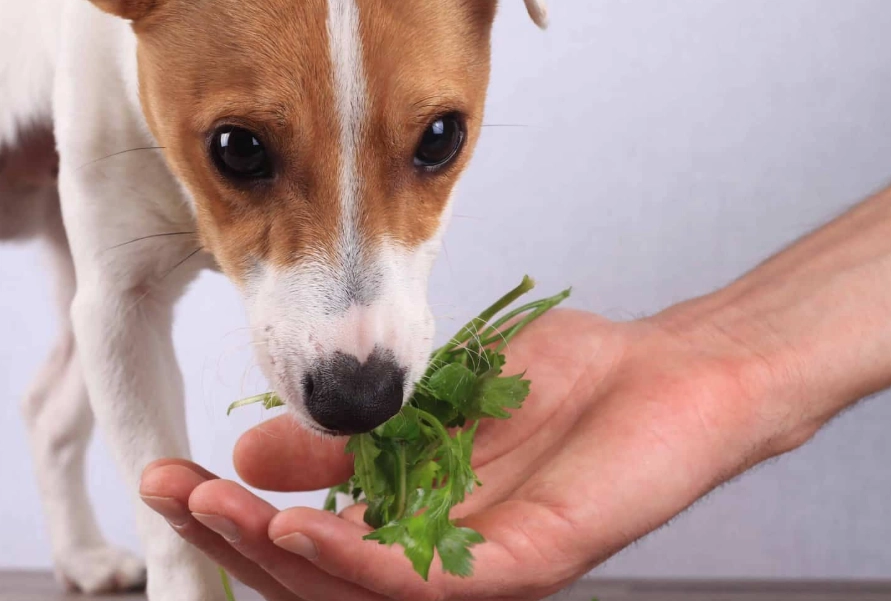
The Joint Health Powerhouse: Turmeric
Turmeric gets a lot of hype, and for good reason. But the biggest mistake people make is giving plain turmeric powder. Without black pepper (piperine) and a healthy fat (like coconut oil), your dog's body barely absorbs the active compound, curcumin. Making a "golden paste" is non-negotiable for efficacy. You can find simple recipes from sources like the American Kennel Club.
Dangerous Herbs & Plants You Must Avoid
This section is as important as the safe list. Some common cooking herbs and garden plants are highly toxic to dogs. Never assume "natural" equals "safe."
⚠️ Immediate Veterinary Attention Required
If you suspect your dog has ingested any of the following, contact your vet or the ASPCA Animal Poison Control Center immediately. Symptoms can include vomiting, diarrhea, lethargy, drooling, tremors, or organ failure.
The Allium Family: This is a major one. Garlic, onions, chives, leeks, and shallots are all toxic. They contain compounds that can damage red blood cells, leading to anemia. This includes powdered forms, cooked in foods (like onion soup mix), and even the wild chives that grow in your yard. I don't care what old-school dog books say; no amount of garlic is "safe" for dogs given the proven risk and the availability of safer alternatives like parsley for flea control.
Nutmeg: Contains myristicin, which can cause hallucinations, high heart rate, disorientation, and seizures.
Pennyroyal: Often marketed as a natural flea repellent, but it's extremely dangerous, causing liver failure and neurological damage.
Comfrey: Used topically for humans, but when ingested by dogs, the alkaloids can cause severe liver damage.
Also, be wary of any herbal "blends" or supplements not specifically formulated for pets. They might contain these or other harmful ingredients in undisclosed amounts.
How to Safely Introduce Herbs to Your Dog's Diet
Throwing a handful of fresh basil into your dog's bowl isn't the way. Follow these steps to do it right.
Step 1: Talk to Your Vet. Especially if your dog is on medication, is pregnant/nursing, has a chronic condition (like liver or kidney disease), or is a puppy/senior. This is non-negotiable.
Step 2: Start with One Herb. Introduce only one new herb at a time. Wait at least a week to monitor for any adverse reactions—itching, digestive upset, behavioral changes—before trying another.
Step 3: Use the Correct Form. Fresh is often best for leafy herbs (parsley, basil). Dried can be more concentrated (oregano). For roots (ginger, turmeric), preparation is key (grated, paste).
Step 4: Dose Conservatively. Start with 1/4 to 1/2 of the recommended "starting dose" from a reputable source. You can always increase slightly later if needed. More is not better.
Step 5: Integrate into Food. Always mix the herb thoroughly into your dog's regular meal. This ensures they eat it and helps with digestion.
Step 6: Observe and Record. Keep a simple log. "Day 1: Added 1/4 tsp dried chamomile to dinner. Day 2: Dog seemed calmer during evening walk." This helps you see what's actually working.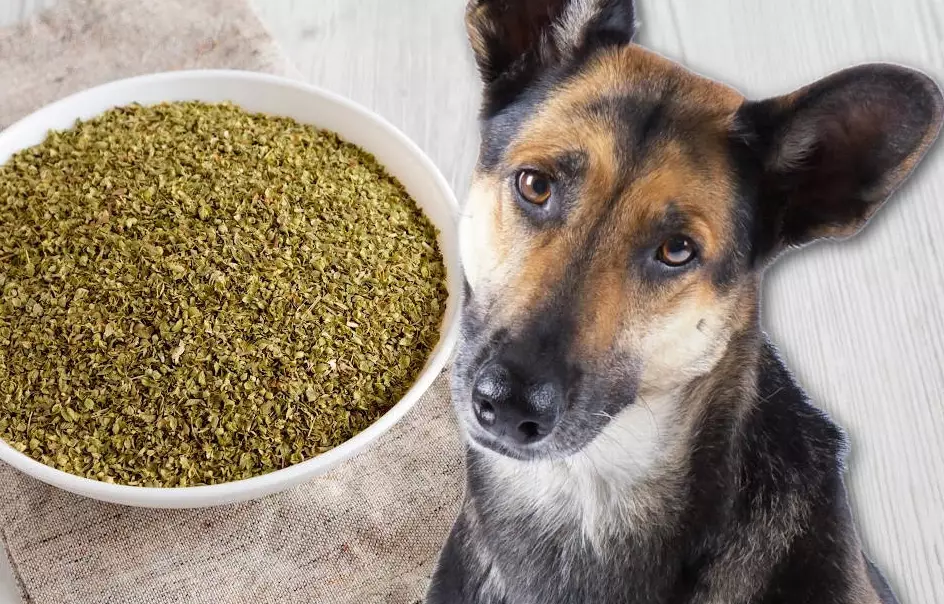
Your Herb Questions Answered
Can I give my dog herbs if he's already on prescription medication from the vet?
This is the most critical question. You must consult your veterinarian first. Herbs like turmeric (anti-inflammatory) or chamomile (calming) can interact with NSAIDs, blood thinners, or sedatives, altering their effectiveness or causing side effects. Don't experiment.
Are dried herbs from my grocery store spice rack safe?
Generally, yes, but with caveats. Ensure they are pure herb with no added salt, onion powder, garlic powder, or other seasonings. Check the ingredient list. Also, remember dried herbs are more potent by volume than fresh. Use about 1/3 of the amount you would if using fresh.
What's the best herb for a dog with itchy skin or a dull coat?
While diet is foundational, herbs can support skin health. Oregano (antimicrobial) and parsley (vitamins) added to food can help. For a topical soothe, a cooled chamomile tea rinse can calm irritated skin. However, chronic skin issues often have underlying causes (allergies, parasites) that require a vet's diagnosis.
My dog is anxious during fireworks. Which herb should I try and how soon?
Chamomile is your best first bet for mild to moderate anxiety. Prepare a weak tea (1 bag steeped in 8 oz hot water, then cooled completely). Add 1-2 tablespoons to your dog's food or water bowl about 30-60 minutes before the anticipated stressor. For severe anxiety, this is a supplement, not a replacement, for behavioral training or vet-prescribed solutions.
I see "calming" herbal blends for dogs in pet stores. Are they effective?
They can be, but quality varies wildly. Look for brands that disclose all ingredients and their amounts. Many effective blends combine herbs like chamomile, passionflower, and valerian root. My personal take is to start with a single herb (like chamomile) to see how your dog reacts before investing in a multi-herb blend. And again, check with your vet, especially if the blend contains valerian.





Leave a comment