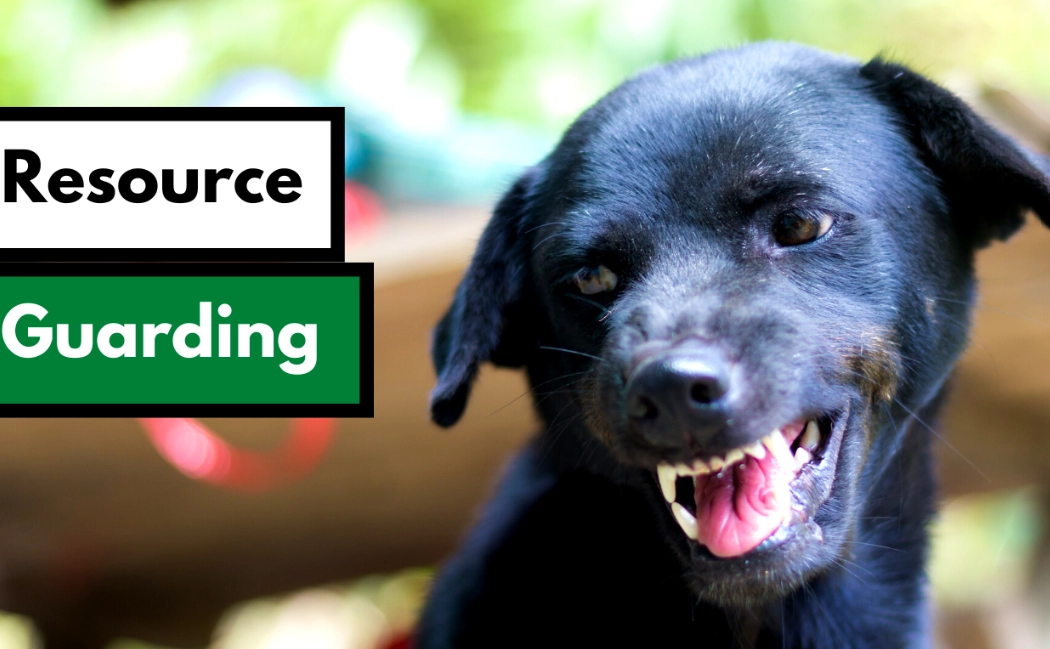
You brought your newborn home, full of joy. Then you notice it. Your dog, usually gentle, positions themselves between you and the bassinet. They give a low grumble when grandma gets too close to the baby. They stiffen up if you try to pick your infant up while they're nearby. This isn't loyalty. It's not "love." It's resource guarding, and it's one of the most serious and misunderstood behavioral issues a family with a new baby can face. I've worked with dogs for over a decade, and this scenario is more common than you think. The biggest mistake? Dismissing the early signs as cute or protective. Let's get straight to the point: a dog guarding a baby is a safety risk that requires immediate, intelligent action, not panic.
What You'll Find in This Guide
What Does Dog Resource Guarding a Baby Really Look Like?
Forget the dramatic movie scenes. Real-life guarding starts with micro-signals most people miss. Your dog isn't likely to full-on snarl the first time. The behavior escalates. Here's the progression I see most often:
The Early Warning Signs (Mostly Ignored): The dog lies directly in front of the baby's room or crib. They follow the baby (or the person holding the baby) from room to room, constantly monitoring. You see a hard, fixed stare at anyone approaching the infant. There's a subtle body freeze—muscles tense, movement stops—when you reach for the baby.
The Middle Stage (When People Start Worrying): This is where the vocalizations and clear blocking begin. A low growl or rumble when someone walks near the baby. A deliberate placement of their body between the visitor and the infant. They might lick the baby obsessively, which many mistake for affection, but it's often a calming signal or a way of claiming the "resource." You might see a gentle "herding" nip at the ankles of someone getting too close.
The Red Flag Stage (Immediate Professional Help Needed): Escalated growling, snapping, or biting directed at people near the baby. Refusing to move from a spot guarding the infant. Showing teeth. This is a critical safety situation. Do not attempt to train this away alone. Contact a certified professional behaviorist (look for credentials like CAAB or CCBC) immediately. The American College of Veterinary Behaviorists maintains a directory of specialists.
Why Would a Dog Guard a Baby? Seeing It From Their Perspective
We call it a "baby." Your dog doesn't. From their perspective, this new, small, squeaky human that suddenly gets all the attention and smells different is a puzzle. Here are the most common canine interpretations that lead to guarding:
- The "Valuable Possession" Theory: The baby is the center of the universe for the humans. All the good stuff (attention, care, interesting smells) comes from it. The dog learns: "If I control access to this thing, good things happen for me." It becomes a high-value resource, like a prized bone.
- The "Helpless Puppy" Instinct: Some dogs, especially females or breeds with strong nurturing instincts, may see the infant as a vulnerable puppy that needs protection. Their guarding is driven by a maternal/paternal instinct gone awry. They're not being dominant; they're trying to do a job they think is theirs.
- The "Anxiety Anchor" Scenario: The household routine is shattered. There are new sounds, smells, and stressed-out humans. The dog is anxious. The baby becomes a fixed point in the chaos—something constant. Guarding it gives the anxious dog a sense of control and purpose in a world that feels out of control.
But here's a key point many trainers gloss over: it's often a mix of all three. And the human reaction—either scolding the dog for being "jealous" or praising it for being "protective"—reinforces the behavior, just in different ways. Scolding creates more anxiety. Praising confirms the guarding job is a good one.
The Absolute Must-Do Safety Plan
Training takes time. Safety is instant. Before you work on behavior modification, you must manage the environment. This isn't cruel; it's responsible. It prevents a rehearsal of the guarding behavior, which makes it stronger.
| Safety Tool | How to Use It | Why It Works |
|---|---|---|
| Physical Barriers | Baby gates (tall, sturdy ones). Use them to create separate zones. The baby's room is off-limits to the dog unless directly supervised. The dog gets their own comfortable, gated space with a bed and toys. | Prevents unsupervised access. Gives everyone a break. Removes opportunities for the dog to practice guarding. |
| Leash in the House | Keep a lightweight leash dragging from your dog's harness when the baby is active (feeding, playing on the floor). Don't hold it constantly, but it's there for you to quickly guide the dog away without grabbing their collar. | Allows safe, non-confrontational redirection. Grabbing a guarding dog's collar is a great way to get bitten. |
| Crate as a Safe Haven | If your dog is crate-trained and loves their crate, use it during high-stress baby times (visitors, feeding). Give a fantastic, long-lasting chew inside. | Teaches the dog that good things happen away from the baby. It's a management tool, not a punishment. |
| The "Nothing in Life is Free" Rule | Before meals, walks, treats, or affection, ask your dog for a simple sit or down. The dog must earn all good things. | Re-establishes your leadership in a calm, non-confrontational way. It reduces anxiety by creating predictable structure. |
The Step-by-Step Training Fix: Changing the Dog's Mind
This is where we change the emotional response. The goal is to make the dog think, "Oh good, someone is approaching the baby, that means something awesome is about to happen FOR ME over here." We use counter-conditioning and desensitization.
Step 1: The Setup
You need two adults. One handles the baby (can just be sitting with a doll for practice runs). The other handles the dog, on a leash, at a distance where the dog is calm and notices the baby but isn't tense. Have a pile of ultra-high-value treats (boiled chicken, cheese, hot dog bits).
Step 2: The Game
Adult A makes a very slight movement toward the baby—maybe just leans in. The instant that happens, Adult B marks the behavior (with a clicker or a happy "yes!") and shovels treats to the dog. Movement stops, treats stop. Repeat. Over and over.
The sequence is: Trigger (person moves toward baby) -> Mark -> Treat Party.
Step 3: Raising the Difficulty
Only when the dog looks expectantly at you for treats when the person moves (a great sign!), you make the trigger slightly harder. Person takes a full step. Person touches the bassinet. Person picks up a baby doll. Each new step starts at a distance where the dog is successful.
The expert mistake I see: People rush this. They go from a lean to picking up the real baby in one session. If you see any tension in the dog—freezing, stiff tail, whale eye (showing the whites), lip lick—you've gone too far too fast. Back up to an easier step.
Step 4: Integrating into Real Life
Start using mini-versions throughout the day. Before you pick up your actual baby, toss a fantastic treat to your dog in their bed. When you sit down to nurse or feed the baby, give the dog a stuffed Kong in their crate. You are building a positive association bank account.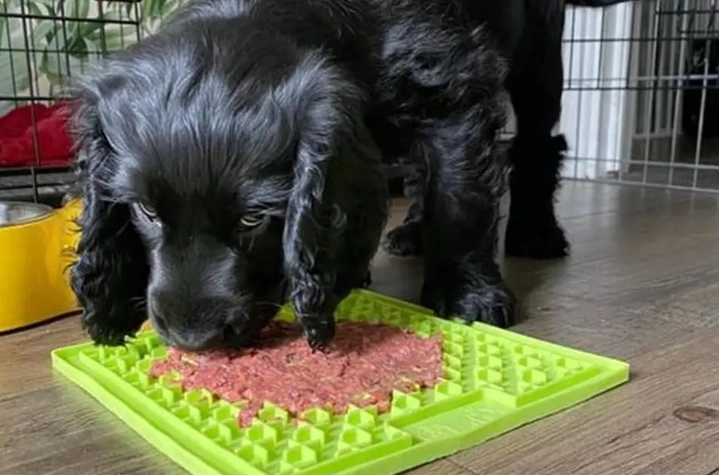
Case Study: Max the "Protective" Labrador
Max was a 4-year-old friendly Lab. When his owners had a baby, he started lying in the nursery doorway. He'd give a low growl if the father approached the crib at night. The owners thought it was sweet—"Max is watching over her!"
By month three, Max wouldn't let the visiting grandmother into the nursery at all. He'd block the door and air-snap. That's when they called me, terrified.
We implemented the safety plan immediately: a gate went on the nursery. Max was leashed in common areas. Then we started training. We used a baby doll. Every time someone walked toward the gated nursery door, Max got chicken. Then, when he was relaxed, we practiced with the real baby, with Max on leash and across the room.
The breakthrough came when we worked on his "job." We taught him a solid "go to your mat" command in the living room. When the baby was fussy or visitors came, we'd send him to his mat and reward him heavily for staying there. We gave him a job (staying on the mat) that was incompatible with guarding. It gave him an outlet for his anxiety and a way to earn praise.
Within six weeks of consistent management and training, Max could be in the same room with the baby and visitors without tension. He preferred his mat because it paid so well. The guarding behavior extinguished because it never got rehearsed and was replaced with a better-paying behavior.
Your Tough Questions, Answered
 I punished my dog for growling near the baby, and now they don't growl but just stare. Is that better?

Leave a comment