The short, unequivocal answer is yes. A qualified dog trainer or behavior consultant is not just helpful for resource guarding—they are often the critical factor between managing a scary situation and resolving it safely. If your dog stiffens, growls, or snaps when you approach their food, a favorite toy, or even a resting spot, you're dealing with a primal survival behavior. Trying to "show them who's boss" or just taking the item away can make things dramatically worse, fast. That's where professional guidance becomes non-negotiable.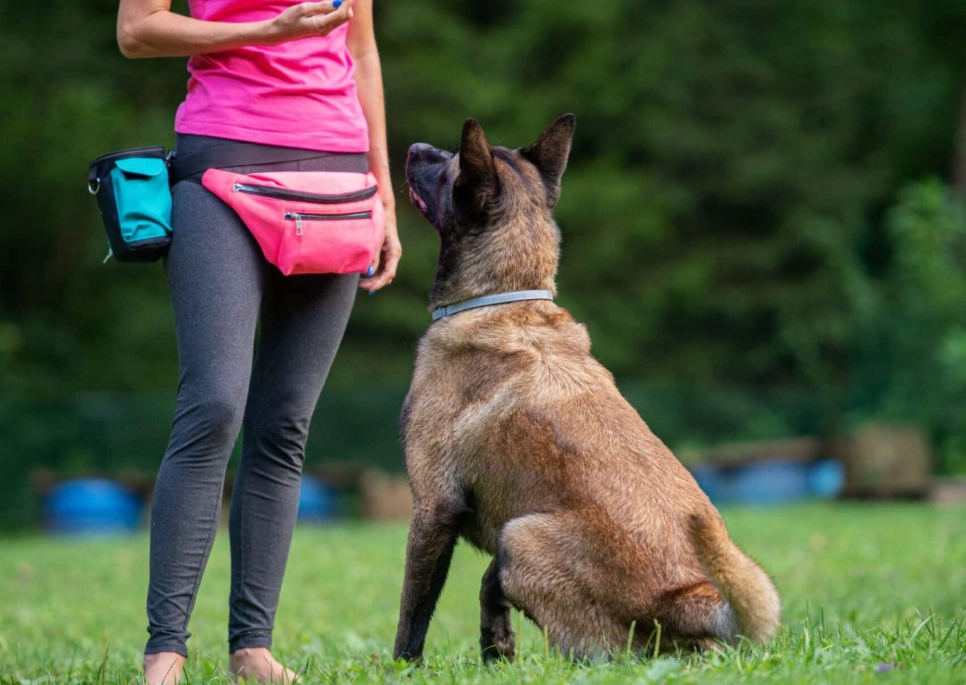
What You'll Learn in This Guide
How Does a Professional Trainer Approach Resource Guarding?
It's not about dominance or punishment. Modern, ethical trainers follow a framework based on behavior science, primarily counter-conditioning and desensitization. They don't just give you a generic list of exercises. They diagnose the specifics of your dog's behavior, which is everything.
I once worked with a Labrador who would happily give up a steak bone but would freeze over a crumpled paper napkin. The owner was baffled. The trigger wasn't value in our eyes, but in the dog's history (the napkin was from a fast-food bag, associated with high-value scraps). A trainer looks for these patterns.
Their help breaks down into three concrete areas:
- Risk Assessment & Safety Planning: They determine the severity. Is it a low-level grumble or a bite-history? They'll create an immediate management plan to prevent rehearsals of the guarding behavior, which is crucial for learning. This often involves setting up feeding zones, using baby gates, and implementing a "hands-off" policy for certain items.
- Customized Behavior Modification: This is the core work. They design a gradual protocol where the dog learns that a human approaching predicts something wonderful (like a piece of chicken) instead of predicting the loss of their resource. The trainer coaches you on timing, distance, and reading subtle body language you might miss.
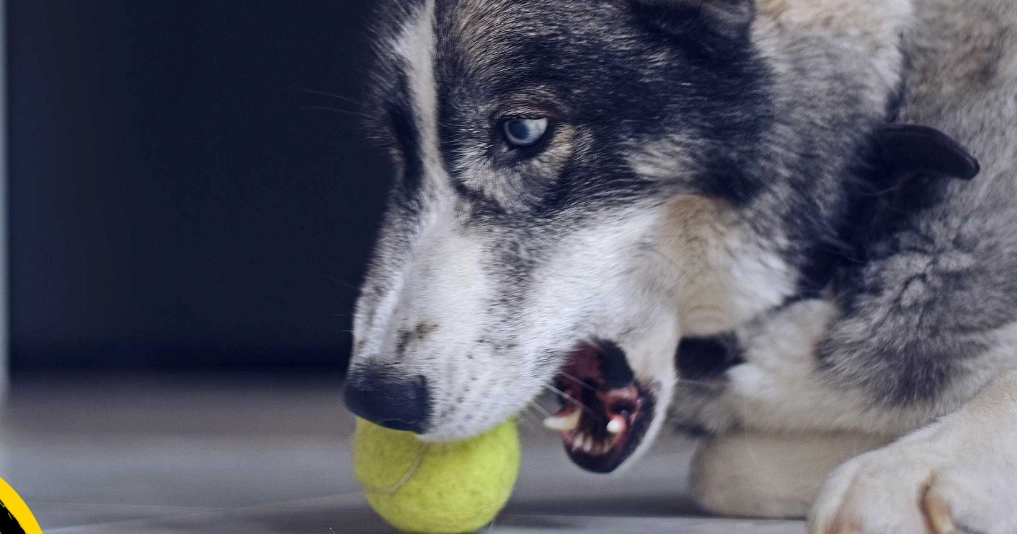
- Owner Education & Support: You learn to read the early warning signs (whale eye, stiffening, slowed chewing) and how to respond. You also get emotional support—dealing with a dog who guards is stressful and can make you feel afraid of your own pet. A good trainer normalizes this and keeps you on track.

A critical non-consensus point: Many online guides suggest starting with "trading up" (offering a better item). This can backfire if done incorrectly. If you offer the trade after the dog has already growled, you're reinforcing the growl. A trainer teaches you to initiate the trade before the dog feels threatened, which requires reading pre-growl body language most owners overlook.
Choosing the Right Trainer: Your 5-Point Checklist
Not all trainers are equipped for aggression cases. Hiring the wrong one can waste money and exacerbate the problem. Here’s what to look for:
- Credentials & Specialization: Look for certifications like CCPDT-KA or CBCC-KA, or membership in organizations like the International Association of Animal Behavior Consultants (IAABC). Specifically ask if they have experience with resource guarding or aggression cases. A puppy kindergarten specialist may not be the right fit.
- Methods Philosophy: They should use force-free, positive reinforcement methods. Any talk of "alpha rolls," "dominance," or using physical correction to "correct" guarding is a major red flag. These methods increase fear and aggression. The American Veterinary Society of Animal Behavior (AVSAB) has position statements against such techniques.
- Initial Consultation Process: A competent trainer will insist on a thorough history-taking before giving advice. They should ask detailed questions about the triggers, the dog's history, and past incidents. Beware of anyone who offers a quick fix over the phone.
- Transparency & Collaboration: They should explain their process, set realistic expectations ("this takes 8-12 weeks of consistent work"), and view you as part of the team. They coach you; they don't perform a one-time "fix."
- Veterinary Collaboration: For severe cases, a good trainer will recommend a veterinary check-up to rule out pain (which can lower aggression thresholds) and may discuss a referral to a veterinary behaviorist (a vet with a behavior specialty) for medication consideration.
The Trainer's Step-by-Step Process in Action: A Case Study
Let's make this concrete. Meet "Max," a 3-year-old rescue mix who guards his food bowl and rawhides. Here’s a simplified view of what working with a trainer looked like over 10 weeks.
| Phase | Trainer's Goal & Actions | Owner's Homework | Tools & Setup |
|---|---|---|---|
| Weeks 1-2: Management & Assessment | Observe Max's threshold distance. Establish a baseline. Create a 100% safe management plan to prevent incidents. | Feed Max in a separate room with the door closed. All high-value chews given in a crate. Log any tense moments. | Baby gates, crate, food diary, high-value treats (chicken, cheese). |
| Weeks 3-6: Counter-Conditioning Foundations | Begin the "look and toss" protocol. From outside threshold distance, look at Max, toss a phenomenal treat, and walk away. No bowl interaction. | Practice 2-3 times per meal. Gradually decrease the distance by inches over days, only if Max remains relaxed. | Marker word ("Yes!"), treat pouch, leash to gently guide if needed for safety. |
| Weeks 7-10: Building Complexity & Trust | Add movement: walk by the bowl and toss treat. Then, approach, add a treat to the bowl, walk away. Introduce "trade" cue for lower-value items. | Practice new steps. Begin to generalize to different locations and lower-value items (like a chew toy). | Different bowls, mats, and lower-value items to generalize the behavior. |
The trainer's value was in adjusting the pace. When Max had a stressful day (vet visit), the trainer had us back up two steps in the protocol. This prevented a setback. An owner following a generic online tutorial might have pushed forward and triggered a growl, undoing weeks of work.
What You Must Do at Home: The 80% Management Rule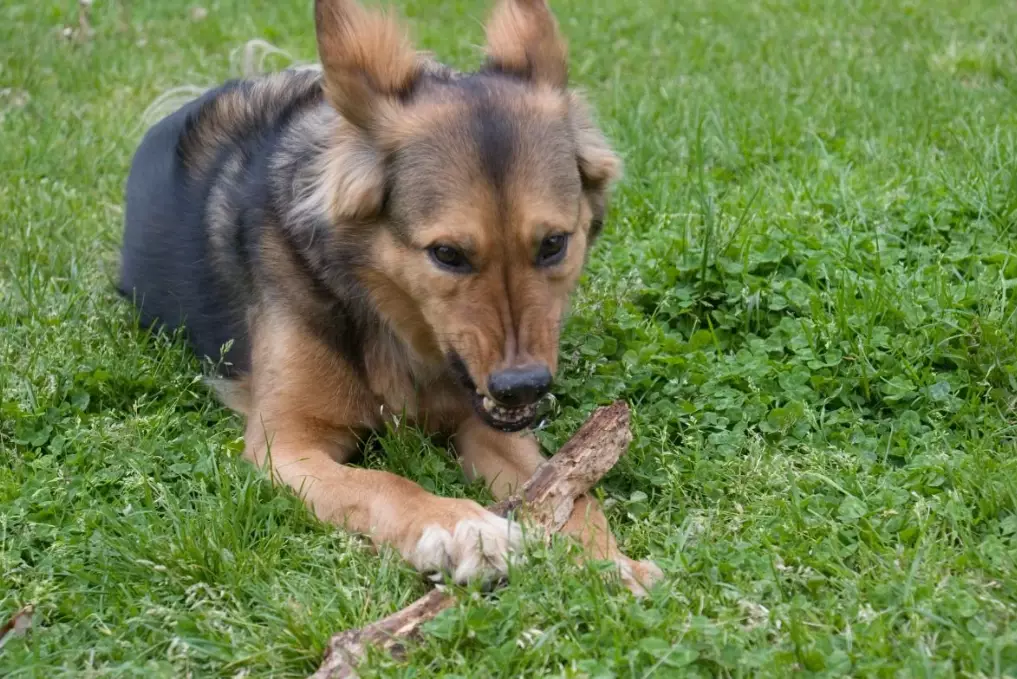
While the trainer provides the plan, you are the one executing it daily. Success hinges on management—preventing the problem behavior so the new, good behavior has a chance to take root. Think of it like keeping a dieter away from junk food while they learn new eating habits.
- Environmental Control: Use baby gates, crates, and closed doors strategically. If your dog guards the couch, remove access with a physical barrier or use leashes indoors to guide them to their own bed.
- The "Nothing in Life is Free" Framework: This isn't about being harsh. It's about building clear communication. Ask for a "sit" or "down" before giving meals, treats, or access to favorite spots. This establishes you as the source of good things, not a threat.
- Resource Inventory: Know your dog's triggers. Is it only steak bones? Or also socks, your bed, a specific person? List them and manage accordingly. The most common mistake is being vigilant with the main trigger (food bowl) but forgetting about the lesser one (a stolen tissue), which leads to an incident.
Here’s a subtle but crucial tip most miss: Change the emotional association of your approach. Don't just walk toward your dog when you need to take something. Throughout the day, walk toward them when they have nothing, give a treat or a scratch, and walk away. Randomize it. This breaks the predictable, negative pattern.
Common Mistakes Owners Make (That a Trainer Spots Immediately)
After seeing hundreds of cases, certain patterns emerge. These are the things well-meaning owners do that accidentally make guarding worse.
Mistake 1: The "Reassurance" Reaction. Your dog growls, and you say in a sweet voice, "It's okay, buddy, I'm not going to take it." The dog hears a pleasant tone and may interpret it as praise for growling. The trainer teaches you to be calmly neutral or to immediately initiate your trained protocol without emotional fuss.
Mistake 2: Inconsistent Management. Being strict on weekdays but letting the dog on the guarded couch on weekends confuses them and reinforces the guarding. A trainer helps you build a consistent, sustainable routine.
Mistake 3: Punishing the Growl. This is the most dangerous error. If you scold a dog for growling, you suppress the warning. The dog may then go straight to a bite without signaling. A trainer helps you see the growl as valuable information—a "red light" telling you to stop and adjust your approach—not as disobedience.
Mistake 4: Rushing the Process. Human nature wants quick results. After two good days, an owner might think, "He's cured!" and try to take a bone directly. This almost always causes a regression. The trainer provides the objective timeline and tells you when it's truly safe to move to the next step.
Your Resource Guarding Questions, Answered
 Is medication ever part of the solution a trainer might recommend?

Leave a comment