Let's cut to the chase. You're sitting on the couch, sharing a bowl of salted peanuts, and those big, pleading eyes lock onto you. The question pops into your head: can dogs eat salted peanuts? The short, non-negotiable answer is no. You shouldn't give your dog salted peanuts. It's not just a minor "it's not ideal" situation; it's a genuine risk. As someone who's spent years navigating pet nutrition and seen the aftermath of well-meaning but misguided treats, I'm here to tell you why that salty snack is a hard pass and what you can safely offer instead.
What's Inside This Guide
Why Salted Peanuts Are a No-Go for Your Dog
It's not the peanut itself that's the main villain here—it's the salt. Plain, unsalted peanuts in tiny, infrequent amounts might not cause immediate harm to some dogs, but the salted version is a different story. The dangers stack up quickly.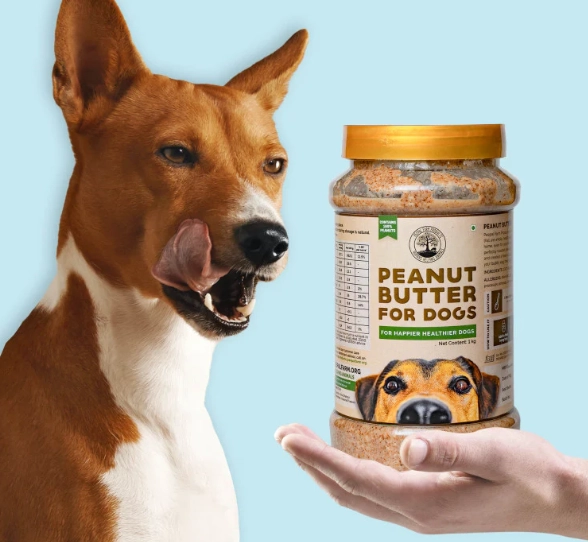
The Sodium Bomb
Dogs have a much lower tolerance for sodium than humans. Just one ounce of salted peanuts can contain over 150mg of sodium. For a small dog, that's a significant chunk of their daily limit. Consuming too much salt can lead to sodium ion poisoning. This isn't just an upset stomach; it's a medical emergency that affects the brain and nervous system.
The symptoms come in stages. First, you might see excessive thirst and urination. Then it progresses to vomiting, diarrhea, lethargy, and tremors. In severe cases, it can cause seizures, coma, and even be fatal. The American Society for the Prevention of Cruelty to Animals (ASPCA) Animal Poison Control Center lists salt as a common toxin for pets.
Beyond the Salt: Fat, Choking, and Allergies
Salt is the headline act, but the supporting cast is troublesome too.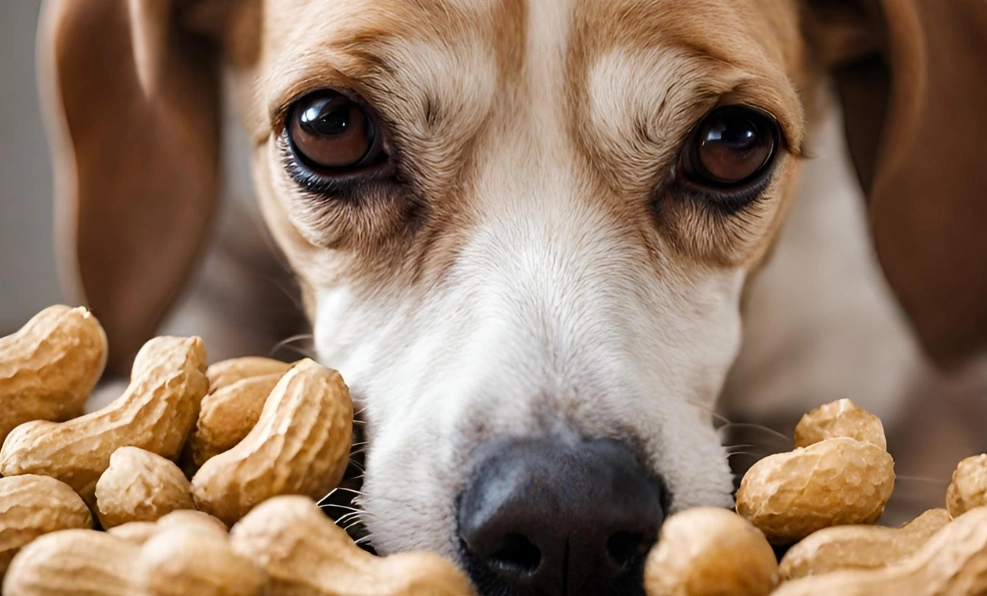
High Fat Content: Peanuts are fatty. A sudden intake of rich fats can trigger pancreatitis in dogs—a painful and dangerous inflammation of the pancreas. Symptoms include severe vomiting, abdominal pain, and hunched posture. This often requires immediate veterinary care.
Choking and Obstruction Hazard: Whole peanuts, especially for smaller dogs, can be a choking risk. They can also cause intestinal blockages if swallowed without proper chewing.
Potential for Allergies: While not as common as in humans, dogs can be allergic to peanuts. Signs include itchy skin, ear infections, and gastrointestinal upset.
I've seen a case where a Labrador managed to snag a nearly full can of salted peanuts. The owner thought the dog just had an upset tummy from overeating. It was early-stage salt toxicity. We caught it in time, but it was a stressful and expensive lesson.
What to Do If Your Dog Ate Salted Peanuts
Don't panic, but act quickly. Your response depends on how much they ate and the size of your dog.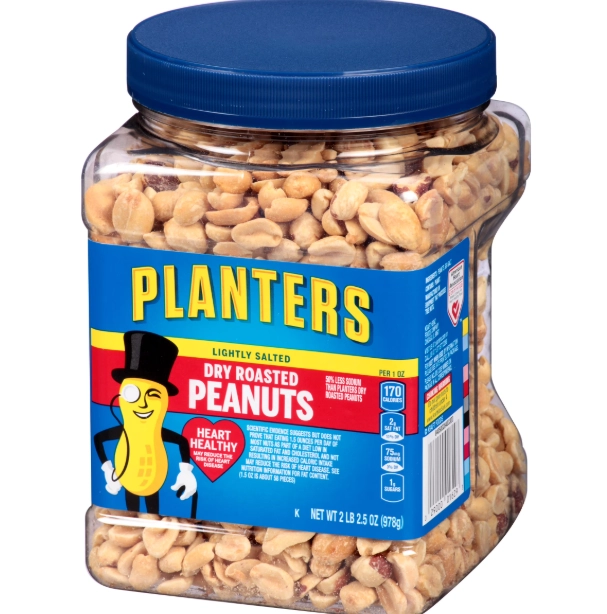
- Assess the Situation. Try to estimate how many peanuts they consumed. A single peanut stolen by a Great Dane is a very different scenario from a Chihuahua getting into a whole bowl.
- Remove Access Immediately. Get any remaining peanuts and the container out of reach.
- Provide Fresh Water. Ensure your dog has access to plenty of clean water. This can help dilute the sodium intake, but it's not a cure.
- Do NOT Induce Vomiting unless specifically instructed by a veterinarian. For salt ingestion, this can sometimes worsen the situation.
- Call Your Vet or Animal Poison Control. This is the most critical step. Describe exactly what was eaten (salted peanuts), the approximate quantity, your dog's weight, and any symptoms you're observing. The ASPCA Animal Poison Control Center number is a vital resource to have saved (888-426-4435). They can give you immediate, professional advice on whether you need to go to the clinic.
Watch closely for any of the symptoms mentioned earlier: vomiting, diarrhea, excessive thirst, lethargy, tremors. If in doubt, always err on the side of caution and seek professional help.
Healthy & Safe Alternatives to Salted Peanuts
The good news is, there's a whole world of delicious, safe treats your dog will adore. The key is to choose options that are low in sodium, free from harmful additives, and given in moderation.
Here’s a quick comparison of safe treat avenues:
| Treat Type | Examples | Key Benefits & Notes |
|---|---|---|
| Fresh Vegetables | Carrot sticks, cucumber slices, green beans | Low-calorie, crunchy, high in fiber. Great for weight management. |
| Fresh Fruits | Apple slices (no seeds), blueberries, banana slices | Natural sugars and vitamins. Always remove seeds/pits. |
| Commercial Dog Treats | Single-ingredient jerky, dental chews, training bits | Formulated for dogs. Check labels for low sodium and simple ingredients. |
| Homemade Dog Treats | Peanut butter oat biscuits, sweet potato chews | You control every ingredient. Avoid salt, sugar, and xylitol. |
Going the Commercial Route
When buying treats, become a label detective. Look for treats where meat or a wholesome ingredient is the first item. Avoid long lists of unpronounceable chemicals. Crucially, check the sodium content. The Association of American Feed Control Officials (AAFCO) doesn't set a maximum for treats, but as a rule of thumb, choose treats with lower numbers. Compare a few brands.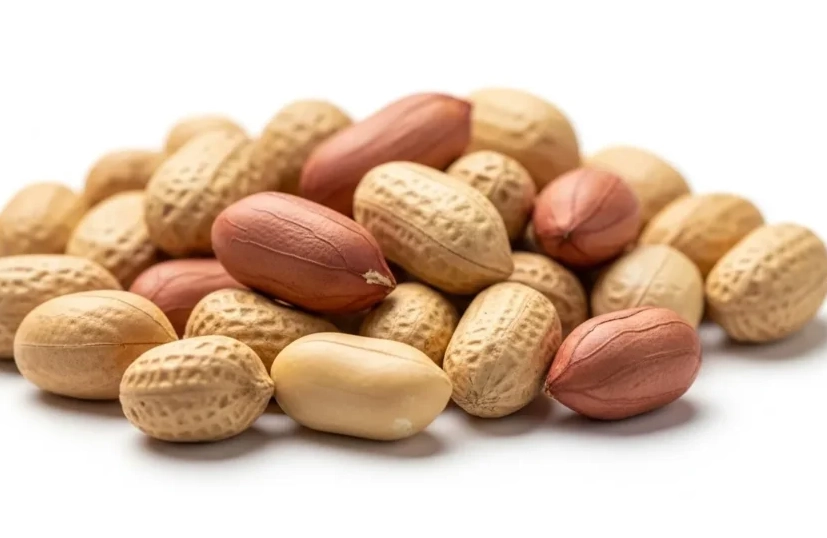
Some of my go-to recommendations are freeze-dried liver or salmon bits. They're usually single-ingredient, packed with protein, and most dogs go crazy for them. For dental health, veterinary oral health council (VOHC) approved chews are a smart choice.
Making Your Own Dog Treats (The Ultimate Safe Bet)
This is where you can truly tailor snacks to your dog's taste and dietary needs. A simple, safe recipe lets you use dog-safe peanut butter—just make absolutely sure it does NOT contain xylitol, an artificial sweetener that is highly toxic to dogs.
Mix 2 cups of whole wheat flour (or oat flour for gluten-sensitive dogs), 1 cup of old-fashioned oats, 1/2 cup of unsalted, xylitol-free peanut butter, and 1 cup of water or low-sodium chicken broth. Roll out the dough, cut into shapes, and bake at 350°F (175°C) for 20-25 minutes until hard. Let them cool completely. Store in an airtight container. These are a huge hit in my house.
You can also make simple chews by slicing sweet potatoes into thin strips and baking them at a low temperature (250°F or 120°C) for 2-3 hours until dehydrated and chewy.
The biggest mistake I see first-time treat makers make? Not baking long enough. A slightly soft treat can mold quickly. You want them thoroughly dry and crisp for storage.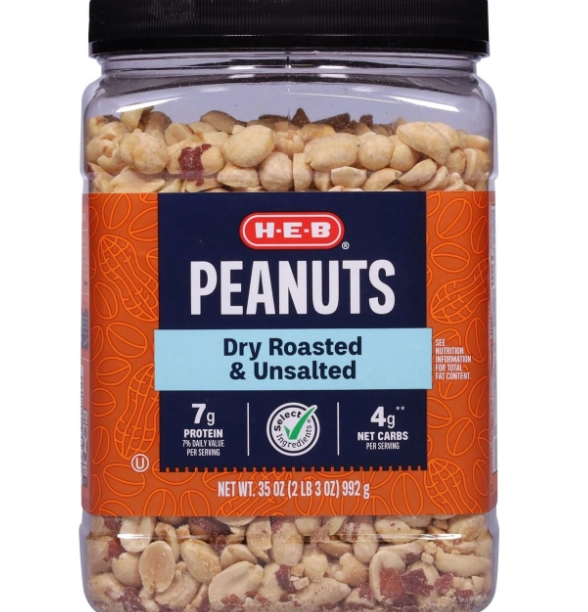



Leave a comment