Let's cut to the chase. Yes, dogs can have fresh basil. It's not toxic. In fact, a few leaves here and there might even offer some health perks. But if you're holding a jar of "Italian seasoning" or "basil pesto," stop right there. The word "seasoning" changes everything. That's the crucial detail most quick guides miss, and it's where many pet owners, myself included years ago, can slip up. This isn't just about a herb; it's about understanding what's actually in the container you're holding over your dog's food.
What You'll Find in This Guide
Is Basil Safe for Dogs? The Real Benefits
Plain, fresh basil leaves from your garden or the grocery store are generally recognized as safe for dogs by sources like the ASPCA. It falls into the category of non-toxic plants. But "safe" doesn't mean it's a necessary superfood. The benefits are mild and supplemental.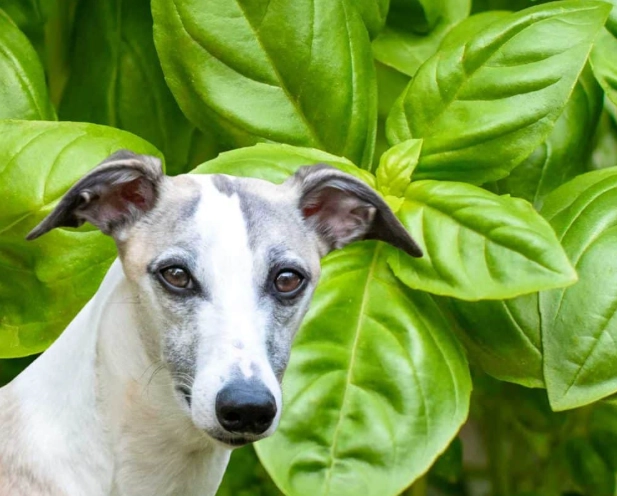
Think of basil as a tiny, green multivitamin. It contains antioxidants like beta-carotene and various flavonoids, which help combat cellular damage. It has anti-inflammatory properties, which might soothe a slightly upset stomach or minor joint discomfort. Some sources note it contains vitamins A, K, and calcium, but let's be realistic—your dog isn't going to eat enough basil to make a significant dent in their nutritional requirements. A high-quality commercial dog food does that job.
The real value is in the phytonutrients and as a low-calorie flavor enhancer for picky eaters.
| Nutrient/Compound in Basil | Potential Benefit for Dogs | Important Note |
|---|---|---|
| Antioxidants (e.g., Beta-carotene) | Supports immune function, may help protect cells. | Effect is subtle and supportive, not curative. |
| Anti-inflammatory compounds (e.g., Eugenol) | May help with minor digestive upset or arthritis inflammation. | Not a replacement for vet-prescribed anti-inflammatories. |
| Vitamin K | Supports blood clotting and bone health. | Dogs usually synthesize their own Vitamin K; basil is a minor source. |
| Fiber | Can aid in very mild digestion regulation. | Too much can cause gas or loose stools. |
I remember sprinkling a few chopped leaves on my older Lab's food when he seemed less interested in eating. The new smell intrigued him. It wasn't a miracle, but it worked that day. That's the pragmatic use case.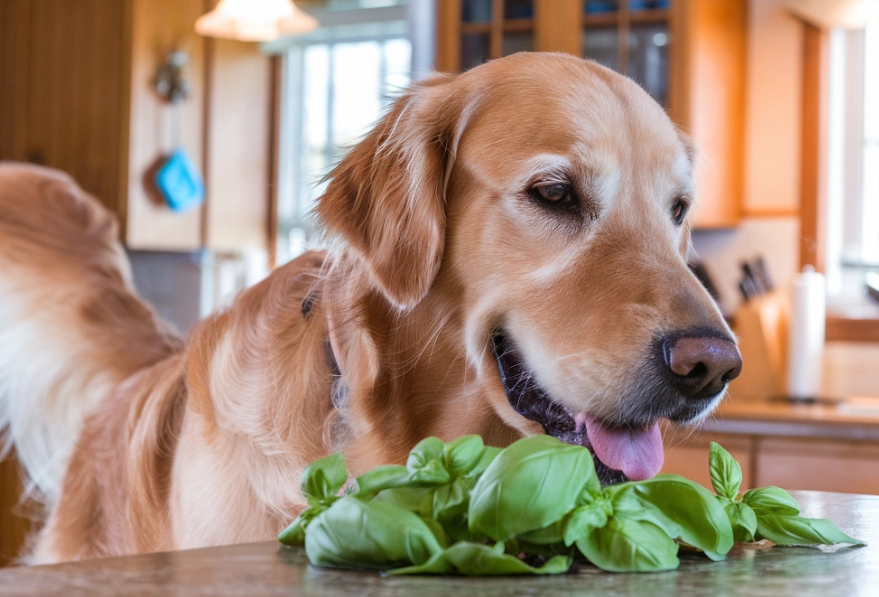
How to Safely Feed Basil to Your Dog
If you want to try it, here's the no-nonsense method. This isn't a recipe; it's a protocol.
Step 1: Source and Prep
Use fresh, organic basil if possible to minimize pesticide exposure. Wash the leaves thoroughly. Dried basil from the spice aisle isn't inherently toxic, but it's more concentrated and often lacks the beneficial volatile oils. I'd skip it—fresh is better and easier to dose.
Step 2: The Correct Serving Size
This is where people guess wrong. Basil is a treat, not a meal.
- Small dogs (under 20 lbs): 1-2 small leaves, chopped finely, 1-2 times per week.
- Medium dogs (20-50 lbs): 3-4 leaves, chopped, 1-2 times per week.
- Large dogs (50+ lbs): 4-5 leaves, chopped, 1-2 times per week.
Always start with a tiny piece—a quarter of a leaf—to see how your dog's stomach reacts. Some dogs have more sensitive guts than others.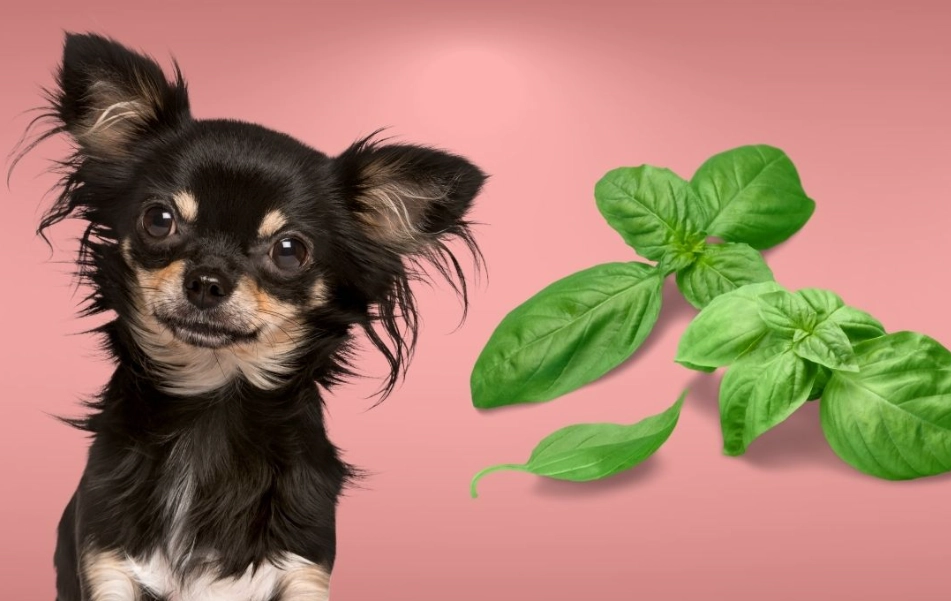
Step 3: How to Serve It
Chop it finely. Don't give a whole leaf; it might stick to the roof of their mouth or be swallowed without chewing. Mix the chopped basil into their regular food. You can also puree a leaf with some plain yogurt or pumpkin for a special "herb topper."
Never make basil a daily habit. Variety is key, and you don't want to create a sensitivity.
Risks & Precautions: When Basil Becomes Dangerous
Now, the critical part. The danger isn't basil itself; it's everything that often comes with it.
The #1 Risk: Seasoning Blends. If your search brought you here because your dog licked a plate with "basil seasoning," you need to read the ingredient list immediately. Many commercial blends contain:
- Garlic Powder: Toxic to dogs. It can cause oxidative damage to red blood cells, leading to anemia. The FDA warns against feeding garlic to pets.
- Onion Powder: Even more toxic than garlic, from the same allium family.
- Excessive Salt: Can lead to sodium ion poisoning.
- Other Spices: Some, like nutmeg, can be harmful.
A dog getting into a seasoning shaker is a veterinary emergency, not a "wait-and-see" situation.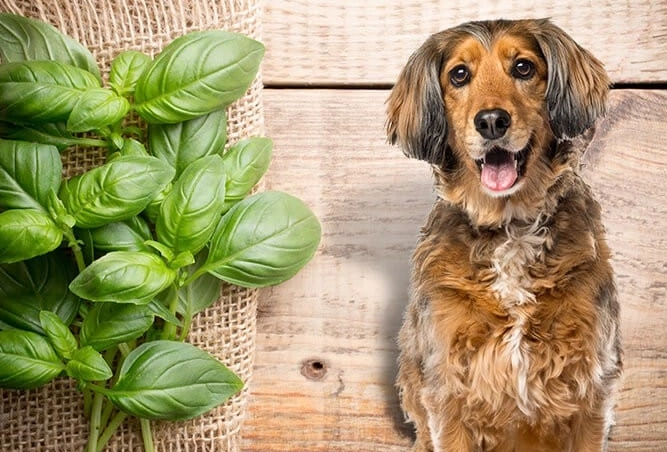
The #2 Risk: Prepared Foods Containing Basil. Pesto is the classic example. It's typically loaded with garlic, pine nuts (high in fat, risk of pancreatitis), Parmesan cheese (lactose, salt), and olive oil (fat). A lick might be okay for a large dog, but more than that is a problem. Pasta sauce, pizza, or any human dish with "basil flavor" falls into this category.
Other Precautions:
- Essential Oils: Basil essential oil is highly concentrated and NOT safe for internal use in dogs. Avoid diffusing it in spaces where your dog spends a lot of time.
- Allergies: Though rare, dogs can be allergic to anything. Watch for itching, hives, or gastrointestinal distress.
- Overfeeding: Too much of any new fiber can cause diarrhea or vomiting.
Basil vs. Other Common Herbs: A Quick Comparison
You might wonder about other herbs in your kitchen. Here’s a quick, practical look.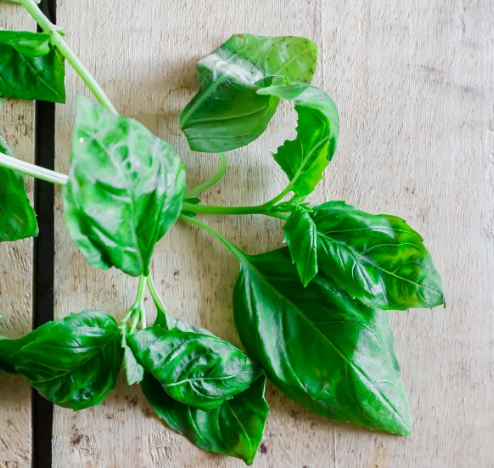
| Herb | Safe for Dogs? | Key Points & Precautions |
|---|---|---|
| Basil (Fresh) | Yes | Safe in moderation. Benefits are mild antioxidants/anti-inflammatory. |
| Parsley (Curly, Flat-leaf) | Yes, in small amounts | Can freshen breath. Avoid spring parsley, which is toxic. |
| Mint (Spearmint) | Yes, in small amounts | Can soothe upset stomachs. Peppermint is stronger; use less. |
| Oregano | Yes, in TINY amounts | Very potent. Can cause stomach upset easily. I rarely recommend it. |
| Thyme | Yes, in small amounts | Has antiseptic properties. Use sparingly. |
| Chives | NO | Highly toxic. Part of the allium family (onion, garlic). |
| Rosemary | Generally yes | Often used in commercial dog food as a preservative. High amounts may trigger seizures in prone dogs. |
The rule of thumb: if it's a leafy green herb you'd put in a salad (basil, parsley, mint), it's usually okay in tiny, infrequent doses. If it's a bulb or a root (garlic, onion), it's not. When in doubt, skip it.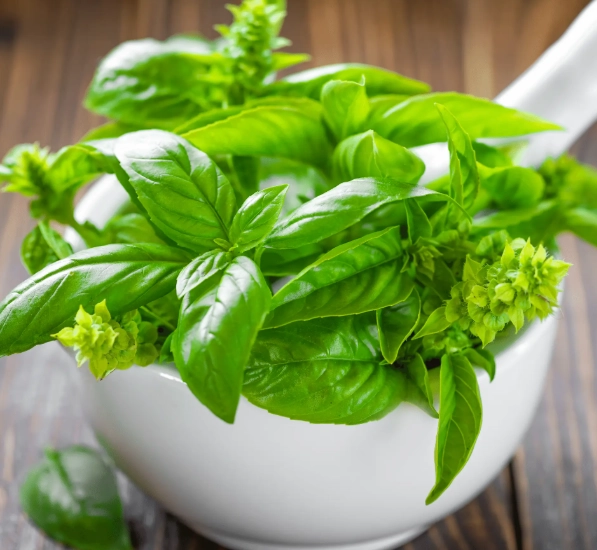
Your Top Questions Answered (Beyond the Basics)
My dog just ate some garlic and basil seasoning from the counter. What should I do first?
Don't panic, but act quickly. First, try to estimate how much they consumed. If it was more than a few licks or a small pinch, call your veterinarian or the ASPCA Animal Poison Control Center (888-426-4435) immediately. Have the seasoning container ready. Do not induce vomiting unless specifically instructed by a professional. The toxicity depends on the dog's weight and the amount of garlic/onion powder ingested. For a small dog, even a teaspoon of a potent blend can be dangerous.
Can I grow a "dog-safe" herb garden with basil?
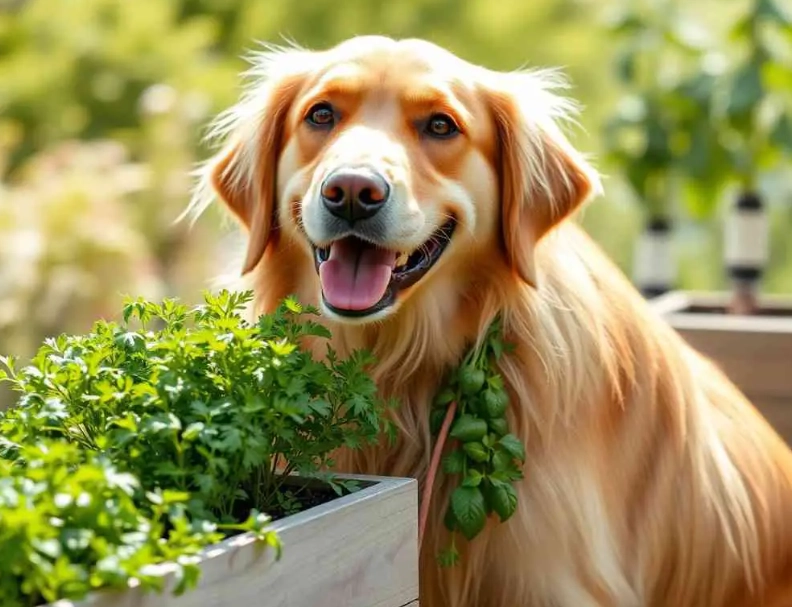
Absolutely, it's a fantastic idea. Plant fresh basil, parsley, and maybe some catnip (dogs can have it too, though not all are interested). Ensure you use organic soil and no pesticides. This gives you a controlled, safe source. A common mistake is planting chives or green onions nearby—keep those far away from your pet's garden to avoid any mix-ups.
Is there any scenario where feeding basil is actually recommended by vets?
Not as a standard treatment, no. However, some holistic or integrative veterinarians might suggest it as part of a bland diet for very mild, transient stomach gurgles, given its mild anti-inflammatory properties. It's never a first-line treatment. If your dog has chronic digestive issues, you need a proper diagnosis, not herbs. The American Veterinary Medical Association (AVMA) stresses evidence-based care.
My dog loved the basil in my pasta sauce. Can I just give him a plain tomato and basil mix?
Tomatoes are a maybe. Ripe, red tomato fruit is generally safe. But green tomatoes, stems, and leaves contain solanine, which is toxic. The acidity of tomatoes can also upset some dogs' stomachs. My advice? Keep it simple and avoid the combo. If you want to share, give a tiny piece of fresh basil by itself. Introducing multiple new foods at once makes it impossible to identify the culprit if an upset stomach occurs.
Are there any dog breeds more sensitive to herbs like basil?
There's no breed-specific sensitivity to basil itself. However, breeds prone to food allergies or sensitive stomachs (like many retrievers, shepherds, or brachycephalic breeds) might react more readily to any new food introduction. The key is the individual dog's history, not their breed. Always proceed more cautiously with a dog who has a known sensitive system.
The bottom line is refreshingly straightforward. Fresh basil leaf? A fine, occasional treat. Anything labeled "basil seasoning" or served in human cuisine? A hard pass. Your dog's health relies on you reading between the lines of labels and understanding that the context of the ingredient matters more than the headline herb. When you stick to the plain, fresh stuff and follow the simple serving rules, you can safely let your dog enjoy a little taste of the garden.



Leave a comment