What's Inside This Guide?
So, you're thinking about adding a stunning bromeliad to your collection, but that nagging question pops up: are bromeliads poisonous? It's a smart thing to ask, especially if you share your space with curious cats, mischievous dogs, or little explorers. I remember when I brought home my first flaming sword plant (that's a Vriesea for you Latin fans), my cat immediately gave it the sniff test. My heart did a little flip. Let's just say I spent the next hour deep in a Google rabbit hole, trying to separate plant fact from fiction.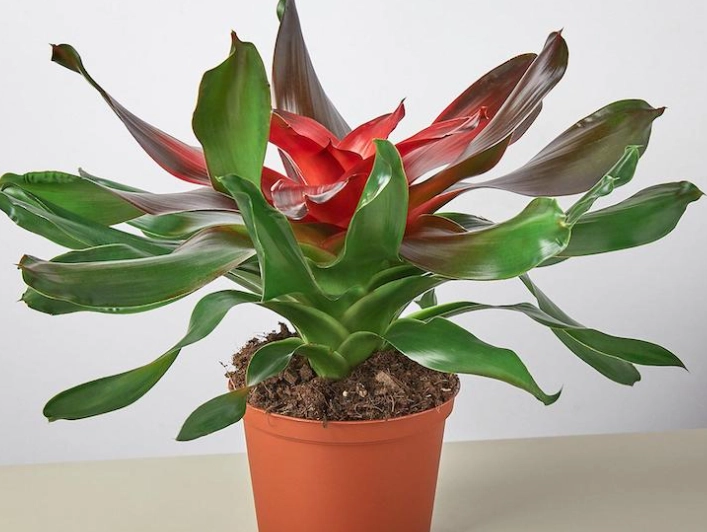
The good news? You can relax a bit. The vast majority of bromeliads are considered non-toxic. That's the official word from big-name organizations like the ASPCA (American Society for the Prevention of Cruelty to Animals). They maintain extensive lists of plants that are safe and toxic for pets, and most common bromeliads just aren't on the danger list. But—and this is a big but—"non-toxic" doesn't always mean "completely problem-free." It's more nuanced than a simple yes or no answer to "are bromeliads poisonous?".
Think about it. Some people have sensitive skin. A leaf with a slightly prickly edge might cause a rash. A pet that decides to make a salad out of any plant might get an upset stomach from the fibrous material, even if the chemistry is safe. And then there's the water that collects in the central cup of many bromeliads—could that be an issue? We're going to dig into all of that.
The Quick Takeaway: For most people and pets, bromeliads are a safe and fantastic choice. The primary risk isn't from potent toxins, but from possible mechanical irritation or mild digestive upset if large amounts are consumed. However, knowing the specifics makes you a more confident plant parent.
What Does "Non-Toxic" Really Mean for Bromeliads?
When a source like the ASPCA labels a plant non-toxic, they're saying it doesn't contain known chemical compounds (like insoluble calcium oxalates, alkaloids, or glycosides) that can cause serious harm, organ failure, or systemic poisoning in cats, dogs, or horses. It's a medical and chemical assessment.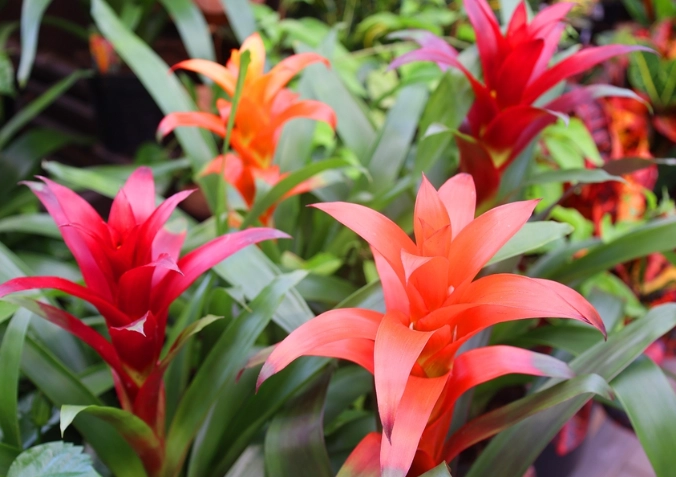
But here's where people get confused. A plant can be chemically non-toxic and still cause physical issues.
- Mechanical Irritation: Some bromeliads have leaves with serrated or spiny edges (looking at you, some Aechmea species). Brushing against them might scratch skin. If a pet chews on them, those rough edges could irritate the mouth, throat, or gut lining. It's not poisoning; it's more like eating something prickly.
- Digestive Upset: This is the big one. Cats and dogs aren't designed to digest large amounts of plant cellulose. If your furry friend decides to chow down on half a bromeliad, the most likely outcome is a bout of vomiting, diarrhea, or lethargy. Their system is just rejecting the unfamiliar, fibrous material. It's unpleasant and a sign to call your vet, but it's fundamentally different from reacting to a true toxin.
- The "Cup" Water: Many bromeliads hold water in their central rosette. This water can stagnate, collecting debris, mosquito larvae, or even mild bacterial growth. If a pet drinks from this mini-pond, it could lead to a stomach ache. It's not the plant poisoning them; it's the dirty water.
So, when you ask, "are bromeliads poisonous?" the accurate answer is: "Generally, no, but they aren't meant to be eaten, and some varieties require sensible handling."
I've got a few Neoregelias with surprisingly stiff, pointed leaves. Beautiful, but I definitely wear gloves when I need to clean out the old leaves or repot them. It's not a deal-breaker, just a practical tip they don't always mention at the garden center.
Breaking Down the Risks: Cats, Dogs, and Children
Let's get specific. Different household members have different behaviors and sensitivities. A one-size-fits-all answer doesn't cut it.
Are Bromeliads Poisonous to Cats?
This is probably the most common search, and for good reason. Cats are nimble, curious, and often treat houseplants as a personal jungle gym and snack bar.
According to the ASPCA's Animal Poison Control Center, bromeliads are not listed as toxic to cats. That's a huge relief. However, the Cat Fanciers' Association also maintains a list, and bromeliads are generally in the clear there too.
But let's be realistic. A cat nibbling on a bromeliad leaf might experience:
- Drooling or pawing at the mouth (if the leaf is prickly).
- Vomiting (if they ate a significant amount).
- Mild diarrhea.
My own cat took a few experimental bites of an air plant (Tillandsia) once. He didn't get sick, but he also didn't go back for seconds—the texture just wasn't for him. The real danger with cats and any plant, even non-toxic ones, is if they develop a habit of eating them. It can lead to gastrointestinal blockages, which are serious.
Are Bromeliads Toxic to Dogs?
Dogs are less likely to climb to reach a plant, but puppies or certain breeds might be chewers. The ASPCA's stance is the same for dogs: non-toxic. A dog is more likely to cause damage to the plant than the other way around!
The risks mirror those for cats: potential for mild vomiting or diarrhea from over-ingestion, or mouth irritation from spiny leaves. Larger dogs would need to eat a considerable amount to feel any effects. The main thing is to discourage the behavior to protect both your pet and your plant.
Are Bromeliads Safe for Children and Babies?
For kids, the equation changes slightly. The risk of true poisoning is extremely low, which is great. But other factors come into play.
- Choking Hazard: Small plant parts, dried flowers, or the tiny pups (baby plants) that bromeliads produce could be a choking hazard for toddlers who explore the world with their mouths.
- Skin and Mouth Irritation: A child rubbing against a spiky bromeliad might get a minor scratch. More importantly, if they put a piece of leaf in their mouth, the same mechanical irritation that affects pets could cause discomfort, drooling, or a feeling of roughness.
- The Stagnant Water: This is a key point. The central vase of a bromeliad can look like a fun little pool to a curious child. Drinking that water is not a good idea for the reasons mentioned earlier.
The best practice with young children is the same as with pets: supervision and placement. Put the plant out of reach if you have a very curious little one, and teach them that plants are for looking, not for tasting.
A Word of Caution: Always, always consult a medical professional (for humans) or a veterinarian (for pets) immediately if you suspect a problem. Even with "safe" plants, individual allergies or unusual reactions can occur. If your pet has eaten a large amount of any plant and is vomiting persistently, seems in pain, or is lethargic, don't wait—call the vet. Provide them with the plant's name if you can. For humans, contact a doctor or poison control center with the same information.
Safe vs. Caution: A Bromeliad Variety Guide
Not all bromeliads are created equal. While the entire family has a great safety record, some genera are practically worry-free, while others just require you to be aware of their physical attributes. Let's look at some of the most popular ones you'll find in stores.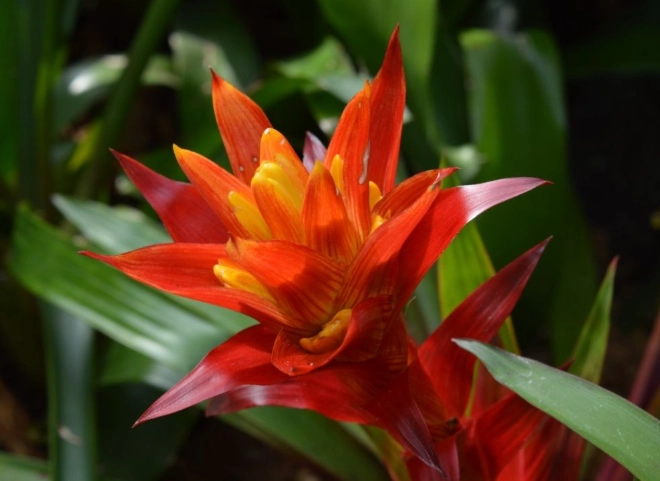
The All-Stars: Exceptionally Safe and Popular Choices
These bromeliads are known for being gentle giants (or gentle minis) with soft foliage.
| Common Name | Genus Name | Why It's a Safe Bet |
|---|---|---|
| Air Plants | Tillandsia | No soil, often mounted. Leaves are usually soft and flexible. The poster child for easy, safe plants. |
| Flaming Sword / Painted Feather | Vriesea | Broad, smooth, strap-like leaves. No spines or sharp edges. The flower spike is the main attraction. |
| Blushing Bromeliad / Heart of Flame | Neoregelia | Forms a low, colorful rosette. While leaves can be stiff, the edges are usually smooth. The center turns a brilliant color when flowering. |
| Earth Stars | Cryptanthus | Low-growing, star-shaped rosettes that live on the soil. Leaves are often wavy or banded but not sharp. |
| Queen's Tears / Friendship Plant | Billbergia | Has a more grassy, arching form. Generally soft foliage. Known for its pendant pink flowers. |
Beautiful but Handle with Care
These bromeliads are still considered non-toxic, but their physical structure means you should place them where pets and kids won't brush against or try to nibble them.
| Common Name | Genus Name | What to Watch For |
|---|---|---|
| Urn Plant / Silver Vase | Aechmea fasciata | Extremely popular, but the leaves have small, sharp spines along the edges. They can give you a good paper-cut-like slice. |
| Living Vase Bromeliads | Aechmea (many species) | Similar to above, many in this genus have pronounced serrations. They're stunning but best kept as "look, don't touch" specimens. |
| Some Pineapple Relatives | Ananas (ornamental types) | Yes, the pineapple plant is a bromeliad! Ornamental varieties have long, sword-like leaves with saw-toothed edges that are very sharp. Definitely keep these out of reach. |
If you're ever unsure about a specific bromeliad you own or want to buy, a fantastic resource is the Missouri Botanical Garden's Plant Finder or the Bromeliad Society International website. They provide detailed descriptions, often noting if a plant has spiny margins.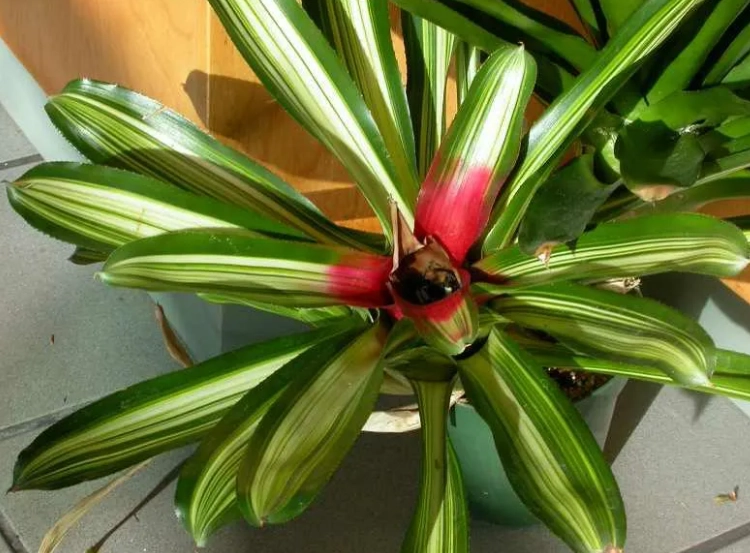
Your Action Plan: Creating a Safe Home with Bromeliads
Knowing the facts is step one. Applying them is step two. Here's a simple, actionable list to enjoy your bromeliads without the worry.
- Choose the Right Plant: If you have very curious pets or toddlers, start with the "All-Star" list above. A Vriesea or a Tillandsia mounted up high is a virtually zero-risk option.
- Strategic Placement: Use high shelves, hanging planters, or rooms that pets/kids don't have unsupervised access to. A tall plant stand can work wonders.
- Manage the Water Cup: For tank-type bromeliads (the ones that hold water), flush the central cup with fresh water every 1-2 weeks. Tip it over, let the old water out, and refill it. This prevents stagnation and mosquito breeding. It's a good habit for the plant's health, too.
- Deterrents for Pets: If your pet is persistently interested, you can use pet-safe deterrent sprays (bitter apple spray) on the pot or the outer leaves—never in the water cup. Providing cat grass or safe chew toys can also redirect their plant-chewing instincts.
- Education is Key: Teach children that plants are not food. Show them how to look and appreciate without touching.
- Have Information Ready: Know the scientific name of your plants. In the rare event you need to call a professional, saying "I have an Aechmea fasciata" is far more helpful than "I have a spiky bromeliad." A photo on your phone works too.
Answering Your Bromeliad Safety Questions
First, don't panic. Identify the plant and remove any remaining plant material from your pet's mouth if you can do so safely. Observe them closely. If they only took a tiny nibble, they'll likely be fine. Watch for signs of excessive drooling, repeated vomiting, loss of appetite, or unusual lethargy. If you see any of these signs, or if they ate a large portion, call your veterinarian or the ASPCA Animal Poison Control Center (888-426-4435) immediately. It's always better to be safe and get expert advice.
This is a great question that most basic guides miss. Bromeliad pollen is not considered toxic. However, as with any plant pollen, it can be an allergen for some sensitive individuals or pets. If someone in your home has hay fever or allergies, they might react to the pollen when the plant is in full bloom. It's not common, but it's possible.
Most bromeliads do not have a significant amount of sap, and what they do have is not known to be a potent irritant like the sap from a Euphorbia (spurge). However, if you are pruning or propagating and get plant juice on your skin, it's sensible to wash it off with soap and water, especially if you have sensitive skin. I've gotten sap on my hands from cutting old Billbergia leaves and never had a reaction, but everyone is different.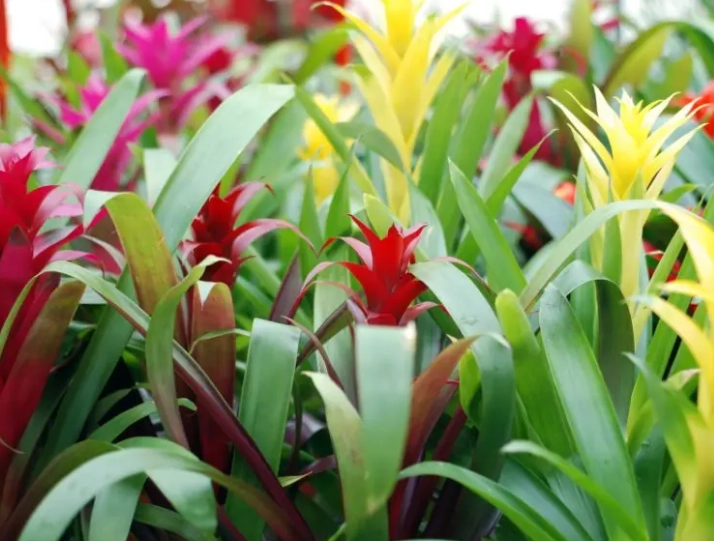
Ah, now this is a critical point. The plant itself may be safe, but the chemicals we add to it are not. If you use liquid fertilizer in the water cup or soil, that water/soil mixture is now potentially harmful if ingested. Always follow the "strategic placement" rule if you fertilize. You can also choose to fertilize very weakly via a mist spray on the leaves for air plants, which minimizes the risk of a pet finding treated water to drink.
The long-lasting colorful part of a bromeliad bloom is usually a modified leaf called a bract. The actual flowers are often small and short-lived. Neither the bracts nor the true flowers of common bromeliads contain notable toxins. Again, the risk is minimal, but they are not intended for consumption.
The Final Word: Enjoy Your Bromeliads with Confidence
So, let's circle back to the core question one last time: are bromeliads poisonous? The evidence is overwhelmingly reassuring. They are one of the safest families of tropical houseplants you can invite into your home. Their lack of common toxic compounds makes them a standout choice for households trying to balance a love for lush greenery with the safety of their family and pets.
The concerns are almost entirely practical—managing spiny leaves for your own comfort, preventing pets from treating them as a salad bar, and keeping the central water clean. These are simple habits to build.
I've kept dozens of bromeliads over the years alongside cats, and the peace of mind they offer compared to, say, a lily or a sago palm, is immense. They bring a sculptural, exotic beauty without the underlying anxiety. Do your research on the specific type, place it thoughtfully, and you can enjoy their spectacular colors and forms for months or even years. That's a win in my book.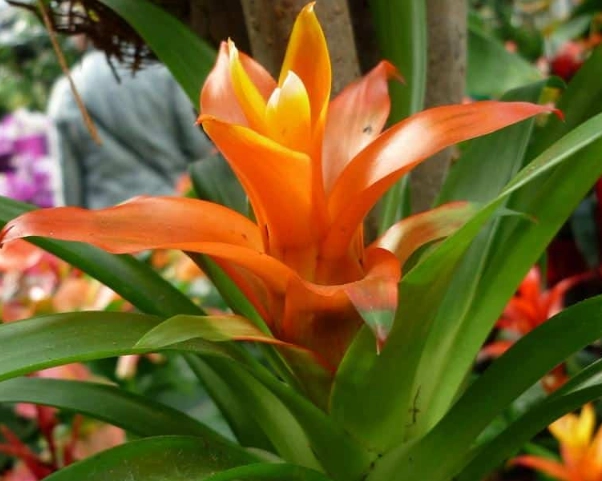
Remember, the goal isn't to create a sterile, plant-free environment. It's about making informed choices. Bromeliads, with their stellar safety profile and breathtaking diversity, are an informed choice you can feel really good about.
Now go find that perfect Vriesea or Tillandsia you've been eyeing. Your green space (and your peace of mind) will thank you for it.



Leave a comment