Let's be honest, you're here because you're looking at your dog's food bowl and wondering if there's a better way. Maybe you've seen the pricey "superfood" dog treats, or you're worried about the long list of unpronounceable ingredients in commercial kibble. I get it. I've been there too. For over a decade of working with dogs and their diets, I've seen the confusion firsthand. The good news? Your kitchen already holds some of the safest, most effective natural supplements for your furry friend. But here's the critical part most blogs gloss over: natural doesn't automatically mean safe. Giving your dog the wrong herb, or even the right one in the wrong way, can do more harm than good.
This guide cuts through the noise. We won't just list herbs; we'll dive into the how and why, backed by practical experience and safety-first principles. We'll cover the top performers, the absolute no-gos, and the subtle mistakes even well-meaning owners make.
What's Inside This Guide
The Top 5 Beneficial Herbs & Spices for Dogs
Forget the endless lists. These five are the workhorses—versatile, well-researched for canine benefits, and relatively easy to incorporate. Think of them as your starter kit.
1. Turmeric: The Golden Anti-Inflammatory
This is the superstar, and for good reason. Its active compound, curcumin, is a powerful anti-inflammatory. I've seen it make a noticeable difference for older dogs with stiff joints. But here's the expert tip everyone misses: curcumin is poorly absorbed on its own. If you just sprinkle turmeric powder on food, most of it passes right through.
The fix? Always pair it with a pinch of black pepper (piperine, which is safe for dogs in tiny amounts) and a small amount of healthy fat (like coconut oil or a bit of your dog's regular food fat). This combination can increase absorption dramatically. Start with a tiny amount—think 1/8 teaspoon for a large dog, a small pinch for a small dog—mixed into a wet food meal every other day.
2. Ginger: The Stomach Soother
Car sick? Nervous stomach? Ginger is your go-to. It's excellent for nausea and can aid digestion. The easiest way is to keep a piece of fresh ginger root in the freezer. When needed, grate a tiny amount (less than 1/4 teaspoon for a medium dog) and mix it into their food. For acute car sickness, giving this about 30 minutes before the trip can help. Dried, powdered ginger works too, but fresh is often more potent.
3. Parsley: More Than Just a Garnet
Fresh, flat-leaf parsley is a breath freshener with benefits. It contains chlorophyll and can have a mild diuretic effect, which some believe supports kidney health. It's also rich in vitamins. Chop a small teaspoonful and mix it into your dog's dinner. Avoid giving large bunches, and always use fresh, not the dried spice jar version which has lost its potency.
4. Basil: The Calming Antioxidant
This aromatic herb is packed with antioxidants and has anti-inflammatory properties. Some holistic vets suggest it may have a mild calming effect. Fresh basil is best. You can finely chop a few leaves and add them to your dog's meal. It's gentle, so it's a great one to start with if you're new to herbs.
5. Cinnamon (Ceylon): The Blood Sugar Helper
Important distinction: Use only CEYLON cinnamon, not the more common Cassia cinnamon. Cassia contains high levels of coumarin, which can be toxic to the liver in large doses. Ceylon is much safer. In very small amounts, it may help regulate blood sugar. A tiny dash (literally a small pinch) in your dog's food is plenty. Never give cinnamon oil or large quantities.
| Herb/Spice | Primary Benefit for Dogs | Recommended Form & Starting Dose (for 50lb dog) | Key Consideration |
|---|---|---|---|
| Turmeric | Reduces joint inflammation, antioxidant | 1/8 tsp powder mixed with fat & black pepper, every other day | Must be combined with fat/pepper for absorption |
| Ginger | Settles nausea, aids digestion | 1/4 tsp fresh grated or a pinch of powder as needed | Best used fresh for acute issues like car sickness |
| Parsley (Fresh) | Freshens breath, mild diuretic, vitamins | 1 tsp chopped fresh leaves daily | Use flat-leaf (Italian) parsley, not in large quantities |
| Basil (Fresh) | Antioxidant, potential mild calming effect | 3-4 chopped fresh leaves daily | A very safe, gentle herb to begin with |
| Cinnamon (Ceylon) | May support blood sugar regulation | A tiny pinch (less than 1/16 tsp) occasionally | ONLY use Ceylon variety. Avoid Cassia completely. |
How to Use Herbs & Spices Safely: Dosage and Preparation
This is where most people slip up. Enthusiasm leads to overdoing it. Dogs are smaller and metabolize things differently than we do.
The Golden Rule: Start low and go slow. Introduce only one new herb at a time, wait 3-4 days to observe for any adverse reactions (like diarrhea, vomiting, or lethargy), then consider adding another. Always consult your veterinarian before starting any new supplement, especially if your dog is on medication, pregnant, or has a pre-existing condition.
Preparation matters. Fresh is often best for herbs like parsley and basil. For roots like turmeric and ginger, organic powder is convenient but ensure it's pure. You can make a simple "golden paste" for turmeric: mix 1/2 cup turmeric powder with 1 cup water, 1/3 cup melted coconut oil, and 1.5 teaspoons freshly ground black pepper. Simmer until a thick paste forms, then store in the fridge. Give about 1/4 tsp per 10 lbs of body weight daily.
Never assume human dosage translates. A sprinkle for us is a significant amount for a small dog.
Common Mistakes to Avoid When Supplementing
I've seen these errors repeatedly. Avoiding them puts you ahead of 90% of DIY supplementers.
- Mistake 1: Using Essential Oils Internally. This is a major red flag. Essential oils are highly concentrated and can be toxic to dogs, even those derived from safe plants. Stick to fresh, dried, or powdered culinary forms.
- Mistake 2: Ignoring the Source. Non-organic herbs can contain pesticides. Low-quality turmeric powder might be cut with fillers like wheat starch (a problem for allergic dogs). Know your source.
- Mistake 3: Expecting Overnight Miracles. Herbs work subtly and support the body's own systems. Don't expect a 14-year-old arthritic dog to act like a puppy after one dose of turmeric. Consistency over weeks is key.
- Mistake 4: Supplementing a Poor Diet. Adding turmeric to low-quality, inflammatory kibble is like putting a band-aid on a broken leg. Focus on a high-quality base diet first. The herbs are the icing, not the cake.
Herbs and Spices That Are Dangerous for Dogs
This list is non-negotiable. Some common cooking ingredients are highly toxic to dogs. The ASPCA Animal Poison Control Center is a critical resource for any pet owner.
NEVER give your dog: Onion, Garlic, Chives, Leeks (Allium family – cause anemia), Nutmeg (can cause seizures and central nervous system problems), Salt in large quantities, Cocoa Powder (contains theobromine), Macadamia Nuts. Also, avoid any blends like onion powder or garlic salt commonly found in spice racks.
There's a lot of debate online about garlic. Some holistic sources recommend tiny amounts. My stance, after reviewing cases of toxicity (especially in certain breeds like Japanese breeds), is that the risk outweighs any potential benefit. Why use something with known toxicity when safer options like parsley exist?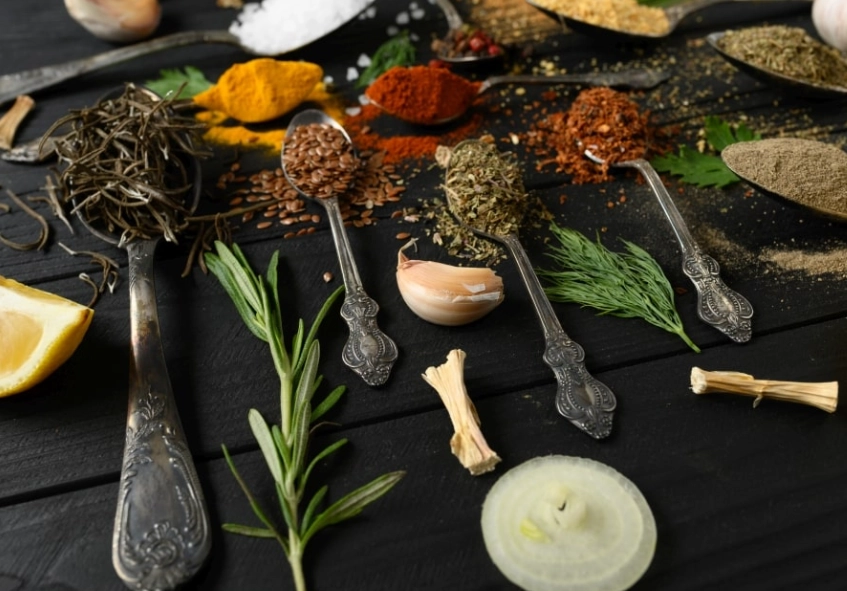
Your Questions Answered (FAQ)
Integrating herbs and spices into your dog's life can be a rewarding way to support their health naturally. It connects you more closely to what they eat and empowers you to make simple, positive changes. Remember, the goal isn't to turn your kitchen into an apothecary, but to thoughtfully enhance an already solid foundation of care. Start small, observe closely, and when in doubt, pick up the phone and call your vet. They're your best partner in navigating your dog's journey to natural wellness.




Leave a comment