Let's talk about what's at the bottom of your dog's crate. Is it just the hard plastic tray? An old towel you threw in there? If you're serious about your dog's comfort and well-being, that space deserves more attention. A proper crate pad isn't a luxury; it's a fundamental piece of your dog's daily life that affects sleep quality, joint health, and even their attitude towards crate training itself. I've seen too many owners spend hundreds on the perfect crate but completely overlook what goes inside it. That's a missed opportunity.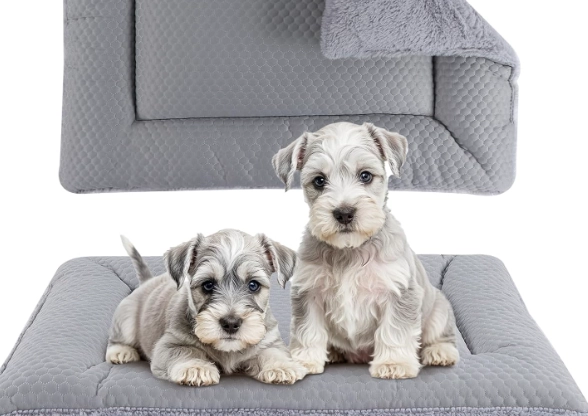
The right padding can be the difference between a dog who tolerates their crate and one who loves it. It's about creating a den-like environment that feels secure and comfortable.
What You'll Find Inside
- Why a Good Crate Pad Matters More Than You Think
- How to Choose the Right Crate Pad: A Step-by-Step Guide
- Crate Pad Material Breakdown: From Memory Foam to Waterproof Canvas
- Getting the Size Right (And Common Mistakes)
- 5 Crate Pad Pitfalls Even Experienced Owners Fall Into
- Keeping It Clean: Washing and Maintenance Routines
- Your Crate Pad Questions, Answered
Why a Good Crate Pad Matters More Than You Think
Think of it this way: would you want to sleep on a bare, cold floor every night? Your dog doesn't either. Beyond basic comfort, a quality pad serves several critical functions.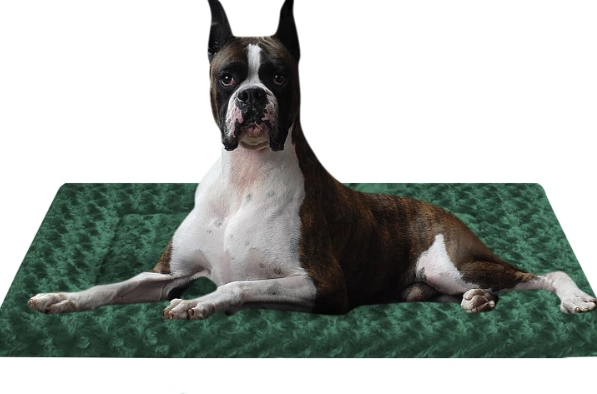
Joint and Bone Support: This is huge, especially for larger breeds, seniors, or dogs with conditions like arthritis or hip dysplasia. The hard crate floor offers zero pressure relief. A supportive pad, particularly one with orthopedic memory foam, distributes weight evenly and cushions pressure points. The American Kennel Club notes that proper bedding is a key part of managing comfort for dogs with joint issues.
Thermal Insulation: That plastic tray gets cold in winter and can get uncomfortably warm in summer. A pad acts as a barrier, helping to regulate your dog's body temperature. In colder climates, it prevents heat loss to the floor.
Security and Den Instinct: Dogs are den animals. A soft, defined sleeping area within the crate reinforces that safe, enclosed feeling. A dog that feels secure is less anxious and more likely to settle down quickly.
Crate Training Success: If the crate is uncomfortable, your dog will resist going in. A plush, inviting pad makes the crate a positive place, turning "go to your crate" from a chore into a reward. It's a simple tool with a big impact on behavior.
I remember a client with a young Labrador who hated his crate. They tried everything—treats, feeding meals inside, covering it. The problem? He was slipping and sliding on a cheap, slick pad. We swapped it for a grippy, bolstered mat, and within two days, he was voluntarily napping in there. Sometimes the solution is right under their paws.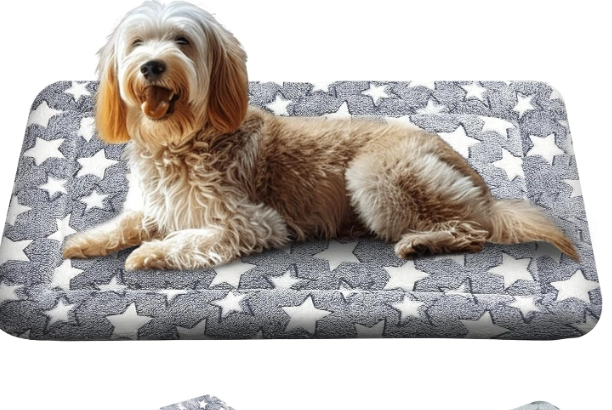
How to Choose the Right Crate Pad: A Step-by-Step Guide
Don't just grab the first one you see on Amazon. Consider your dog's specific profile. Ask yourself these questions:
- Age & Health: Is your dog a senior or have joint problems? Prioritize orthopedic support. A bouncy puppy? Durability and chew-resistance are key.
- Chewing Habits: Be honest. Is your dog a destroyer of soft things? You'll need a tough, possibly less plush material, or consider a pad designed specifically for chewers with reinforced seams.
- Shedding & Dirt: Does your dog come in from the backyard muddy? Look for waterproof or water-resistant tops and easy-wash capabilities.
- Climate: Live somewhere hot? A cooling gel pad or a breathable, elevated cot-style pad might be better than thick foam. In a cold area, look for plush, fleece-topped options.
The goal is to match the pad to your dog's life, not the other way around.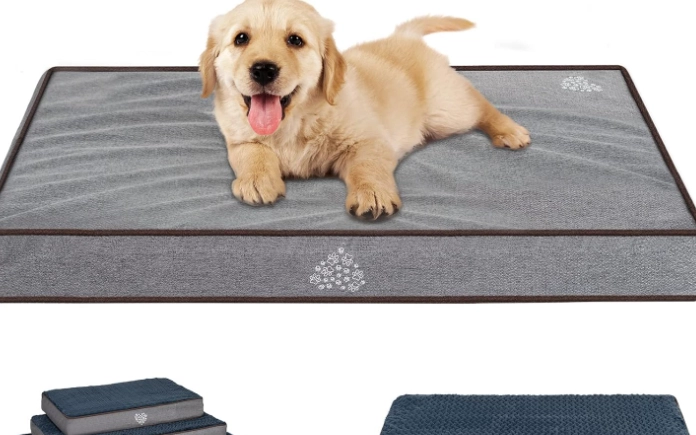
Crate Pad Material Breakdown: From Memory Foam to Waterproof Canvas
This is where most people get lost. Here’s a no-nonsense comparison of what you’re actually buying.
| Material Type | Best For | Pros | Cons & Watch-Outs |
|---|---|---|---|
| Orthopedic Memory Foam | Senior dogs, large breeds, dogs with arthritis, any dog needing joint support. | Superior pressure relief, contours to the body, promotes deeper sleep. | Can be expensive. Low-quality foam flattens quickly. Needs a waterproof cover. Can retain heat. |
| Polyester Fiberfill / Bolstered Beds | Dogs who love to nest and burrow, dogs who prefer a "couch" feel. | Very soft, often machine washable, creates cozy boundaries. | Can flatten over time. Not ideal for heavy chewers. Bolsters can take up crate space. |
| Waterproof Canvas / Nylon | Puppies, dogs with accidents, messy dogs, chewers. | Extremely durable, easy to wipe clean, often chew-resistant. | Can be less soft and insulating. Some have a crinkly sound. May slide on smooth plastic. |
| Elevated Mesh Cot | Hot climates, dogs who overheat, heavy shedders, easy cleaning. | Maximizes airflow, keeps dog cool, dirt falls through, easy to hose off. | Offers no cushioning for joints. Can be unstable in wire crates. Not cozy for most dogs. |
| Fleece & Sherpa Toppers | Small dogs, dogs who get cold easily, dogs who love soft textures. | Extremely soft and warm, often machine washable. | Traps hair and dirt. Not waterproof. Can be destroyed by determined chewers. |
My personal go-to for an average adult dog is a medium-firm memory foam pad with a removable, waterproof, and machine-washable zippered cover. It strikes the best balance of comfort, support, and practicality. The cheap egg-crate foam pads? I avoid them. They collapse into uselessness within months.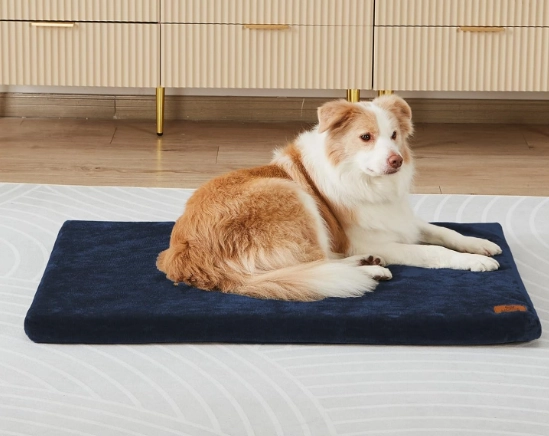
Getting the Size Right (And Common Mistakes)
This seems obvious, but it's a frequent error. A pad that's too big will bunch up and be uncomfortable. One that's too small leaves cold, hard plastic exposed, defeating the purpose.
Here's the right way to measure:
- Measure the INTERIOR bottom of the crate. Use a tape measure for length and width. Don't guess.
- Subtract 1-2 inches from each dimension. This is the golden rule. You want the pad to fit snugly without being forced in. A 36" long crate needs a pad that's about 34" long.
- Consider the shape. Many crates have rounded corners or a slight taper. A rectangular pad might leave gaps. Some brands make pads specifically contoured for popular crate models.
Pro Tip: If your dog is a dedicated "fluffer" who digs and rearranges their bedding, look for pads with non-slip bottoms (like rubberized dots or a grippy material) or use a non-slip rug pad cut to size underneath. It saves a lot of daily re-tucking.
5 Crate Pad Pitfalls Even Experienced Owners Fall Into
After a decade in pet care, I've seen these mistakes over and over.
1. Prioritizing Fluff Over Support: The puffiest bed isn't always the most supportive. It can bottom out under weight, offering no real joint relief. Density and quality of foam matter more than initial loft.
2. Ignoring the Cover: The inner pad is one thing; the cover is its armor. A cover without a sturdy zipper will fail. One that's not truly waterproof (check reviews) will let moisture seep through to the foam, creating a moldy mess.
3. Forgetting About Airflow: Especially with memory foam, a pad needs to breathe. Placing it directly on the plastic tray without any air gap can trap moisture and heat. Some pads have ventilated bottoms—look for that feature.
4. One-and-Done Mentality: You need at least two identical pad covers. Why? When one is in the wash (because it will get dirty), you have a fresh one ready to go immediately. This is non-negotiable for house-training puppies or incontinent dogs.
5. Overlooking Chew Safety: For destructive chewers, avoid pads with long, loose threads, fluffy bolsters they can rip into, or weak seams. In extreme cases, a bare, tough tray with a single, tightly fitted, durable mat might be safest until the chewing behavior is managed. The Humane Society has resources on curbing destructive chewing.
Keeping It Clean: Washing and Maintenance Routines
A dirty pad is an unhealthy pad. It harbors odors, bacteria, and allergens.
- Weekly Vacuuming: Use a handheld vacuum to remove hair and dander from the cover. This extends time between washes.
- Washing the Cover: Always follow the manufacturer's label. Use a gentle, fragrance-free detergent to avoid irritating your dog's skin. Wash on cold or warm, and tumble dry on low heat. High heat can damage waterproof coatings and shrink fabric.
- Cleaning the Inner Pad: Most foam cores are spot-clean only. For accidents, blot up moisture immediately, then use an enzymatic cleaner designed for pet odors. Never submerge memory foam. To freshen, sprinkle with baking soda, let sit for 15 minutes, and vacuum.
- Deep Cleaning Schedule: Even with a cover, plan to give the entire pad (if washable) or replace the inner foam every 12-18 months, depending on use. They break down and collect dust mites.
Your Crate Pad Questions, Answered






Leave a comment