Quick Guide
So, you're munching on a handful of dried cranberries, and those big, curious eyes are locked on you. The little paw reaches out, maybe a soft meow. The question pops into your head: can cats eat dried cranberries? It seems harmless enough, right? They're fruit. They're tiny. What's the worst that could happen?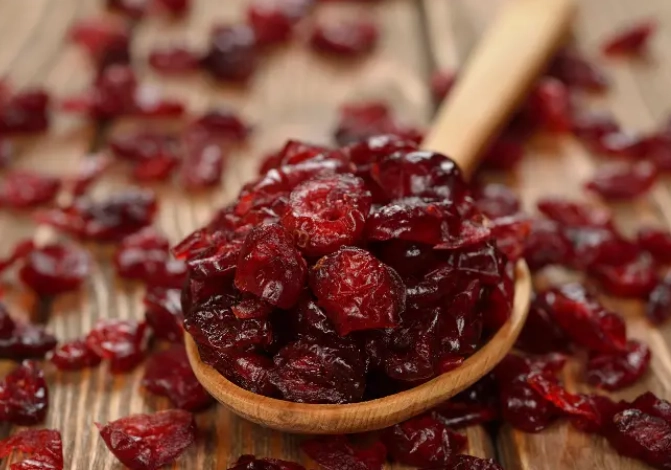
I've been there. My own cat, Mochi, is a master of the guilt-trip stare, especially when snacks are involved. I remember the first time I Googled "dried cranberries for cats" and got a confusing mix of "maybe yes" and "absolutely no." It was frustrating. I wanted a clear, no-nonsense answer from someone who wasn't just copying and pasting generic pet advice.
Let's cut through the noise. This isn't about scaring you or giving you a simple yes/no. It's about understanding the why behind the advice. Because when it comes to our cats, a little knowledge goes a long way in keeping them safe and healthy.
Why Dried Cranberries Tempt Cat Owners
First, let's talk about why this even comes up. Cranberries, in their pure, unsweetened form, do have some properties that sound beneficial. You've probably heard they're good for urinary tract health in humans. The logic follows: if it's good for us, maybe it's good for our cats too, especially since feline urinary issues are so common.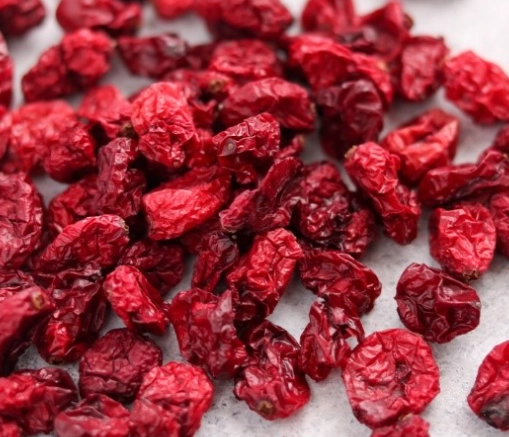
The potential draw of dried cranberries for cats often centers on two things:
- Proanthocyanidins (PACs): These are compounds that might prevent certain bacteria from sticking to the bladder wall. It's this property that gave cranberries their reputation.
- Antioxidants: Like many berries, they contain antioxidants which combat free radicals.
Sounds promising, doesn't it? You might think, "Aha! A natural supplement!" I definitely had that thought. But here's the crucial part—and where most online advice gets fuzzy. The jump from "cranberries have a compound" to "feeding your cat dried cranberries is beneficial" is a massive, and often dangerous, leap.
The Hidden Dangers in a Tiny Berry
This is the part most cat owners don't think about, and honestly, I didn't either until I dug deeper. A dried cranberry isn't just a shriveled-up version of a fresh one. The processing changes everything, especially for a cat's delicate system.
The Sugar Problem (It's a Big One)
Let's be real. Plain, unsweetened dried cranberries are tart. Most of the dried cranberries you find in stores—the Ocean Spray kind, the trail mix kind—are loaded with added sugar, often in the form of sucrose or high-fructose corn syrup. Some are even fruit-juice sweetened, which is still sugar.
Cats are obligate carnivores. Their bodies are not designed to process high amounts of sugar. Feeding sugary dried cranberries for cats can lead to:
- Upset stomach: Vomiting, diarrhea, or general gastrointestinal discomfort. Not fun for you or your cat.
- Weight gain and obesity: Empty calories that contribute to packing on the pounds, leading to a host of other health problems like diabetes.
- Dental issues: Sugar promotes plaque and tartar buildup. Cat dental cleanings are expensive and require anesthesia.
I once made the mistake of giving Mochi a tiny piece of a sugar-coated dried cranberry (before I knew better). Let's just say the resulting digestive protest was a clear message from her system to never do that again.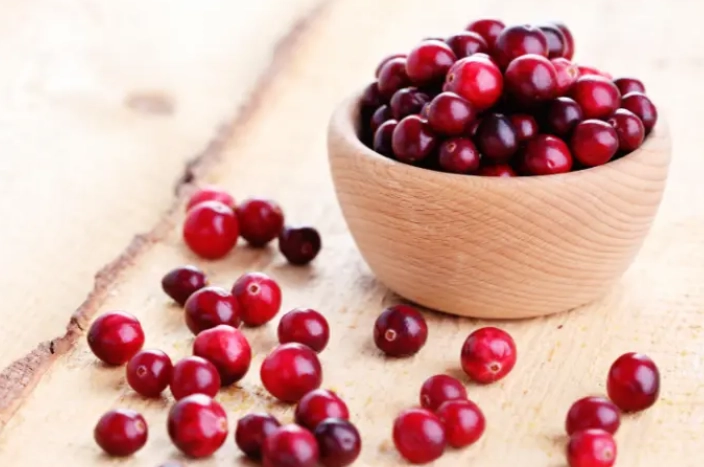
Other Additives and Preservatives
Check the ingredient list on a bag of dried cranberries. You might see more than just cranberries and sugar. Sulfur dioxide (used as a preservative to retain color) is common. While generally recognized as safe for humans in small amounts, cats are much smaller and more sensitive. Some cats can have allergic or sensitivity reactions to these additives.
The Choking and Obstruction Hazard
Dried cranberries are chewy and can be a choking hazard, especially for cats that tend to swallow things whole. In a worst-case scenario, if a cat manages to eat several, they could potentially contribute to a gastrointestinal blockage, though this is less common with such small items. Still, why risk it?
Dried vs. Fresh vs. Juice: A Quick Comparison
To really understand the issue with dried cranberries for cats, it helps to see how they stack up against other forms. The concentration of sugar and loss of water content in the drying process is the key differentiator.
| Form of Cranberry | Key Characteristics for Cats | Relative Risk Level |
|---|---|---|
| Dried Cranberries (Sweetened) | Very high sugar concentration, chewy texture, potential additives. The most common and risky form. | High - Not Recommended |
| Dried Cranberries (Unsweetened) | Lower sugar, but still concentrated, very tart, often contains preservatives like sulfur dioxide. | Moderate-High - Generally Avoid |
| Fresh Cranberries | Low in sugar naturally, but extremely tart/bitter. A cat is very unlikely to eat them voluntarily. | Low-Moderate (if eaten) - Unnecessary |
| Cranberry Juice or Cocktail | Almost always loaded with sugar and other ingredients. Often contains artificial sweeteners (xylitol risk!). | Very High - Dangerous |
| Cranberry Supplements for Pets | Formulated by pet nutrition companies, dose-controlled, usually without harmful additives. (Consult your vet!) | Low (Under Vet Guidance) - The Only Viable Option |
See the pattern? The human snack versions are almost all problematic. The idea of giving dried cranberries for cats as a treat falls apart when you look at what's actually in the bag.
So, What If Your Cat Accidentally Ate One?
Don't panic. If your curious feline snatched a single, standard-sized dried cranberry from the floor, it's most likely not an emergency. One sugary berry probably won't cause lasting harm to a healthy adult cat, though it might cause a minor tummy ache.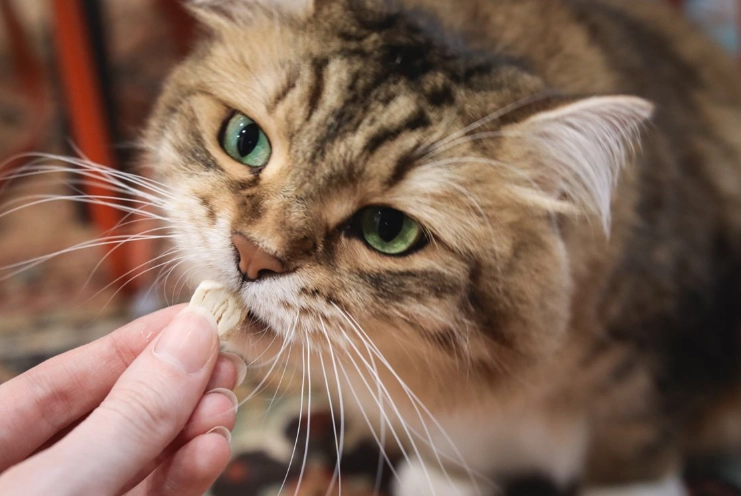
Here's what you should do:
- Stay calm and assess. How many did they eat? Check the ingredient list for xylitol immediately. If xylitol is listed, call your vet or animal poison control right away.
- Monitor closely. Watch for signs of gastrointestinal distress over the next 12-24 hours: vomiting, diarrhea, loss of appetite, or lethargy.
- Provide plenty of fresh water. This helps their system process the unusual sugar load.
- When in doubt, call your vet. Describe exactly what they ate, how much, and when. It's always better to get professional advice.
The real concern is habitual feeding or a cat getting into a whole bag. That's when the sugar load and additive exposure become significant.
What About Urinary Health? The Real Solutions
This is the heart of the matter for many cat owners searching for dried cranberries for cats. You're worried about UTIs, Feline Lower Urinary Tract Disease (FLUTD), or crystals. You want to help. That's a great instinct, but there are far more effective and safer ways to support your cat's urinary system.
Forget the berries. Focus on these vet-recommended strategies instead:
Top Priority: Water, Water, and More Water
This is the single most important thing you can do. Concentrated urine is a major risk factor for crystals and inflammation. Encourage water intake by:
- Providing multiple clean water bowls around the house.
- Using a cat water fountain (many cats prefer moving water).
- Incorporating wet food into their diet, which has a much higher moisture content than dry kibble.
- Adding a bit of water or low-sodium broth (check with vet) to their wet food.
Feed a High-Quality, Appropriate Diet
Talk to your veterinarian about a diet formulated for urinary health if your cat has a history of issues. These diets are scientifically designed to control pH and mineral content. No amount of dried cranberries for cats can match the precise formulation of a prescription or veterinary-recommended diet.
Stress Reduction
Believe it or not, stress is a huge contributor to FLUTD in cats. Ensure they have plenty of vertical space, hiding spots, scratching posts, and predictable routines. A calm cat is a healthier cat.
Veterinary-Grade Supplements
If you and your vet decide a cranberry supplement might be worth trying as part of a broader plan, use one made specifically for pets. These come in powders, capsules, or treats with controlled doses and no harmful additives. Never give a human cranberry supplement to your cat.
Common Questions Cat Owners Ask (Answered)
The Bottom Line: Skip the Snack, Keep the Cat
Look, I get it. We love to share with our pets. It feels like bonding. But true bonding comes from keeping them safe and healthy for years to come.
The search for dried cranberries for cats often comes from a place of love and concern—a cat owner looking for a natural way to help. That intention is wonderful. But the best action is to channel that intention into proven care: ensuring plenty of fresh water, feeding a species-appropriate diet, maintaining a healthy weight, and partnering with a good veterinarian.
When those pleading eyes stare at your snack, just give them a chin scratch or toss their favorite feather toy. Or better yet, give them a treat made of what they truly need: meat. They'll be just as happy, and you'll have the peace of mind knowing you're not introducing an unnecessary risk into their diet.
Mochi doesn't get dried cranberries anymore. She gets an extra play session or a bit of freeze-dried chicken. Her urinary health is managed through wet food, water fountains, and regular vet check-ups. It's a simpler, safer, and frankly, more effective approach. And that's something we can all feel good about.



Leave a comment