Let's be honest. Staring at that same brown kibble day after day, you start to wonder if your dog is bored out of his mind. You sprinkle some herbs on your own food, so why not his? The short answer is yes, it can be safe to add certain spices to your dog's food, but the devil is in the details. It's not a simple yes or no. Getting it wrong isn't just about a tummy ache; some common kitchen spices are outright poisonous to dogs. After years of working with pet nutrition, I've seen well-intentioned mistakes more often than you'd think. This guide cuts through the noise and gives you the vet-reviewed, practical steps to do this safely, if you choose to.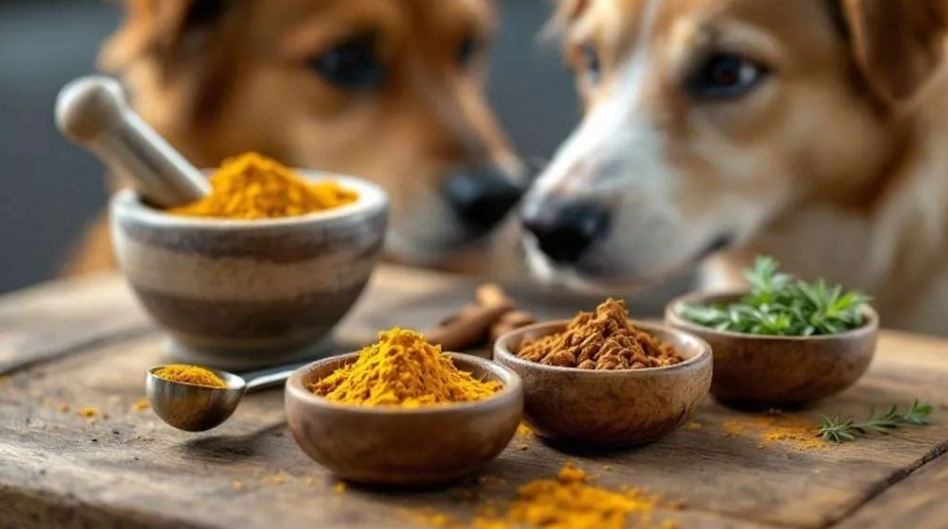
What's Inside This Guide?
Why Even Consider Adding Spices?
Beyond just making food more interesting, some spices offer genuine health benefits. Think of them as functional ingredients, not just flavorings. Turmeric, for example, is famous for its anti-inflammatory compound, curcumin. For an older dog with stiff joints, a tiny, controlled amount mixed with a fat source (like coconut oil) can be part of a supportive care plan. Cinnamon may help regulate blood sugar. Fresh parsley can freshen breath.
The key here is supplementation, not replacement. No amount of spice fixes a poor-quality diet. Your dog's primary nutrition must come from a complete and balanced commercial food or a carefully formulated homemade diet under veterinary supervision. The American Veterinary Medical Association (AVMA) strongly advises against making drastic dietary changes without professional input. Spices are a potential garnish on top of that solid foundation, not the foundation itself.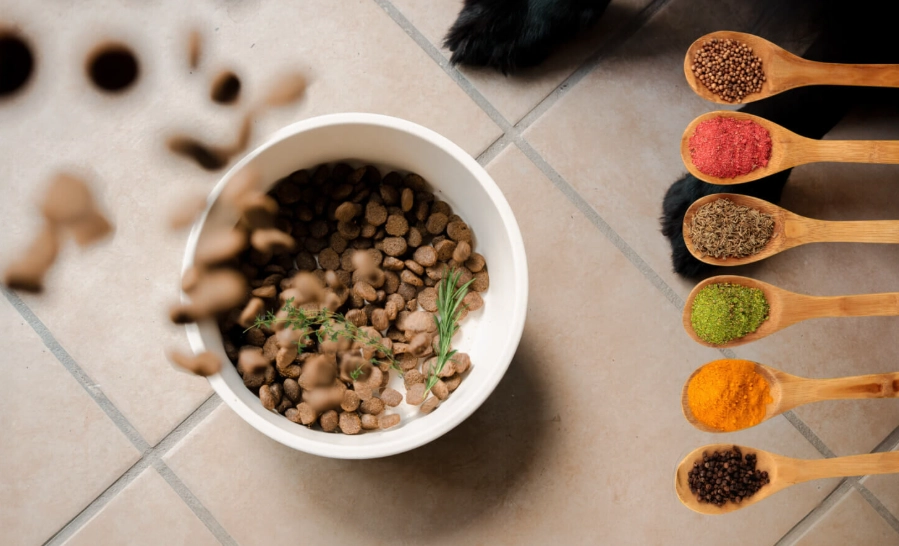
My take: I only recommend exploring spices if your dog is already on a great diet and you're looking for targeted, minor enhancements. If your dog has health issues, talk to your vet first—some spices can interact with medications.
Which Spices Are Safe for Dogs?
This is the list you can cautiously work from. Remember, "safe" always means "in very small, appropriate amounts." I'm talking a pinch for a large dog, a literal dash for a small one.
| Spice/Herb | Potential Benefit | Critical Safety Note & Dosage Hint |
|---|---|---|
| Turmeric | Anti-inflammatory, antioxidant. | Must be mixed with a fat (like oil) and a pinch of black pepper to enhance absorption. Start with 1/8 tsp per 10 lbs of body weight, a few times a week. |
| Cinnamon (Ceylon) | Antioxidant, may support blood sugar. | Use Ceylon variety, not Cassia. A tiny sprinkle (less than 1/4 tsp for a large dog) is plenty. Avoid if dog has liver issues. |
| Ginger | Can aid nausea and digestion. | Fresh, grated ginger is best. A few shreds mixed in food can help an upset stomach. Don't use for pregnant dogs. |
| Basil | Antioxidant, anti-inflammatory. | Fresh, chopped leaves are safe. A leaf or two is enough. It's more of a novelty than a potent supplement. |
| Oregano | Antimicrobial properties. | Use in minuscule amounts—it's potent. Dried oregano should be a "few flakes" only. |
| Parsley (Flat-leaf/Italian) | Freshens breath, source of vitamins. | Use fresh, chopped. Avoid spring parsley and large quantities. A tablespoon for a big dog is a good limit. |
A common mistake I see? Owners hear "turmeric is good" and start dumping a teaspoon into their Chihuahua's bowl. That's a fast track to digestive upset. Start with amounts so small you question if it even matters, then observe.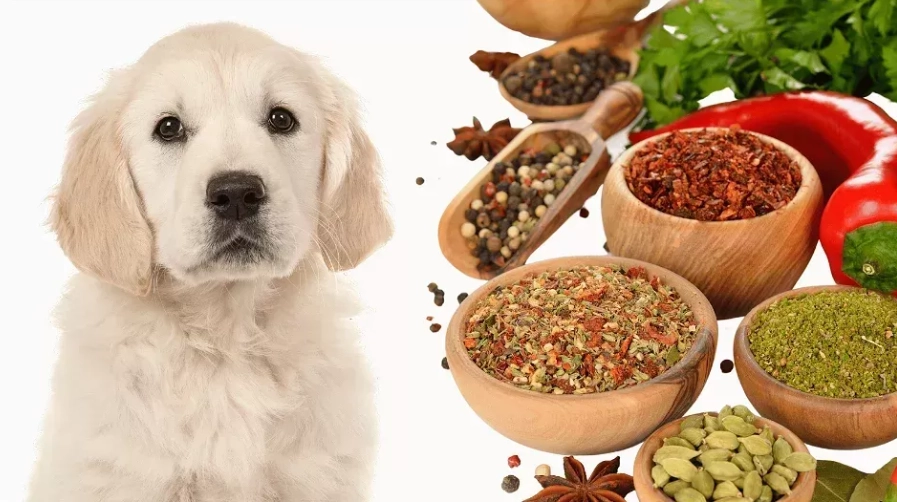
The Absolute "No" List: Toxic Spices to Avoid
This list is non-negotiable. These spices contain compounds that can cause damage to your dog's red blood cells, nervous system, or organs. The toxicity often depends on the amount and the size of the dog, but why risk it?
Emergency Note: If you suspect your dog has ingested any of the following, contact your veterinarian or the ASPCA Animal Poison Control Center (888-426-4435) immediately. Do not wait for symptoms.
- Onion, Garlic, Chives, Leeks, Shallots (Allium family): Perhaps the most dangerous common mistake. These damage red blood cells, leading to hemolytic anemia. This includes all forms: powdered, raw, cooked, dehydrated, in sauces. Garlic toxicity is dose-dependent, but it's a cumulative poison. I never recommend it.
- Nutmeg & Mace: Contains myristicin, which can cause hallucinations, high heart rate, disorientation, seizures, and even death. A small amount can be very serious.
- Salt (in large amounts): While a grain of salt won't hurt, excessive salt leads to sodium ion poisoning—thirst, vomiting, diarrhea, tremors, and seizures. Avoid seasoned salts or adding table salt.
I had a client whose dog got into some garlic powder that fell on the floor. The dog seemed fine for two days, then became letharfic and weak. It was a stressful and expensive lesson. These items are not just "not recommended"; they are hazards.
How to Safely Introduce Spices to Your Dog's Diet
If you've decided to try a safe spice, follow this protocol. Rushing this is where people fail.
Step 1: The Mandatory Vet Chat
Before you do anything, talk to your vet. Mention the specific spice and your dog's full health history. This is crucial if your dog is on medication (e.g., blood thinners, diabetes meds) or has conditions like liver or kidney disease.
Step 2: The Single-Ingredient Test
Pick one spice. Not a blend. Blends often contain onion or garlic powder. Buy high-quality, pure spice from a reputable source.
Step 3: The Micro-Dose Introduction
For a 50lb dog, start with about 1/8 of a teaspoon mixed thoroughly into a regular meal. For smaller dogs, it's a literal pinch. The goal is to see if there's any immediate adverse reaction, like refusal to eat, lip-licking, or gastrointestinal signs later.
Step 4: The Observation Period
Watch your dog closely for the next 24-48 hours. Look for changes in energy, stool consistency, appetite, or behavior. Keep a simple log. If anything seems off, stop immediately.
Step 5: Gradual, Occasional Use
If all goes well, you can continue using that tiny amount, but not every day. Think of it as a 2-3 times per week treat. More is not better.
Common Mistakes Even Experienced Owners Make
Here's where my 10 years of experience really talks. These are the subtle errors that don't make it into basic articles.
Assuming "Natural" Means Safe: Poison ivy is natural. This logic is flawed. Always verify each specific ingredient.
Using Spices to Mask a Health Problem: If your dog suddenly hates his food, the problem might be a dental issue, nausea, or an underlying illness. Adding spice is a band-aid. See a vet first.
Skipping the Single-Ingredient Test: People get excited and add a "puppy spice mix" they found online. You have no idea what's in it or how your dog will react to each component.
Ignoring the Carrier: Some spices need help to be used by the body. Turmeric's curcumin is poorly absorbed without fat and piperine (from black pepper). Adding dry turmeric powder alone is mostly useless.
Your Spice Questions, Answered
No. This is one of the most common and dangerous assumptions. Garlic powder is highly concentrated and toxic to dogs. The risk of damaging his red blood cells is not worth the potential flavor boost. First, figure out why he's refusing his food. Is it dental pain? Is the food stale? Has he been getting too many treats? Try a different high-quality kibble, add a teaspoon of plain canned pumpkin (not pie filling) or a splash of low-sodium bone broth instead.
Talk to your vet to ensure it won't interfere with any existing meds. Then, make a "Golden Paste." Gently heat 1/2 cup of water with 1/4 cup of turmeric powder and 1/2 teaspoon of freshly ground black pepper until it forms a paste. Then mix in 1/4 cup of coconut oil or olive oil. Let it cool. Start by adding a tiny amount to his food—like 1/8 teaspoon for a medium dog—every other day. Store the paste in the fridge. The fat and pepper are essential for absorption.
Fresh, chopped parsley can help as a temporary breath freshener, but it's a cosmetic fix. Chronic bad breath is usually a sign of dental disease (tartar, gum infection) or a gastrointestinal issue. Adding parsley while ignoring rotting teeth is like spraying air freshener in a dirty bathroom. The core problem remains. Schedule a dental check-up with your vet. Good oral hygiene is the real solution.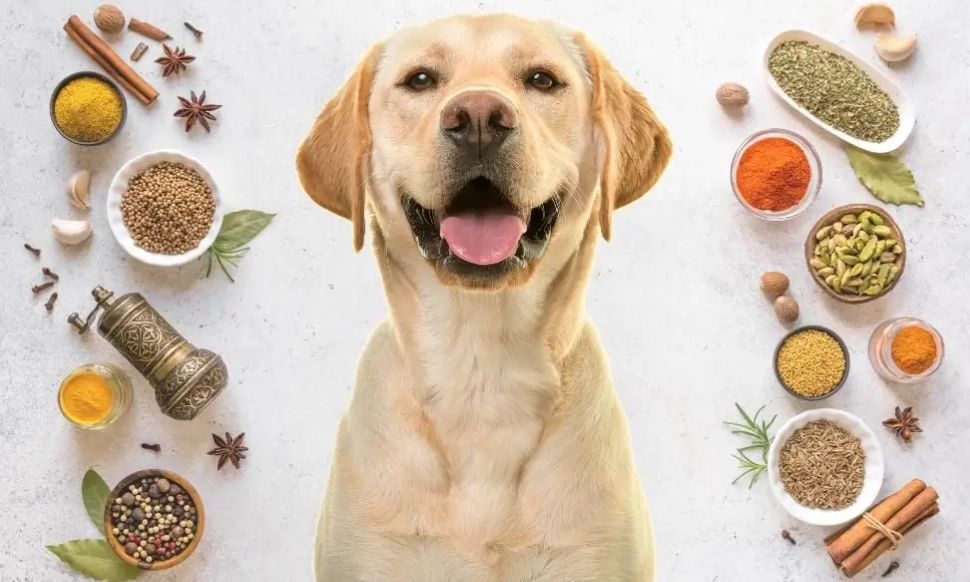
Absolutely not. Pre-made seasoning blends, taco mixes, chili powder, curry powder, etc., almost always contain onion powder, garlic powder, excessive salt, and other irritants. They are designed for human palates and digestion. Sharing your seasoned food is a major risk. Keep your dog's food completely separate from human-seasoned dishes.
Don't panic, but act quickly. Note what he ate, how much (estimate), and when. Immediately call your veterinarian or the ASPCA Animal Poison Control Center (888-426-4435). Do not try to induce vomiting unless specifically instructed to do so by a professional, as it can sometimes cause more harm. Have the product packaging ready if possible.
 The bottom line is simple. Enriching your dog's diet with spices is a possibility, but it requires respect, caution, and knowledge. It's not about making their food taste like ours; it's about potentially offering minute, targeted benefits without introducing harm. When in doubt, less is more, and the safest spice of all is a well-researched, high-quality dog food that your pet enjoys and thrives on.




Leave a comment