In This Guide
- Why Dogs Are So Vulnerable: It's Not Just the Fur
- The Subtle Signs: Spotting Mild Heat Stroke in Your Dog
- Immediate Action Plan: What to Do for Suspected Mild Heat Stroke
- Home Care and Recovery: The Day After a Mild Heat Stroke
- Prevention: Making Sure It Never Happens Again
- Your Questions Answered: Mild Heat Stroke in Dogs FAQ
- The Final Word: Vigilance is Love
Let's talk about something that scares me every single summer. You're out with your dog, having what seems like a perfectly normal walk. The sun's out, maybe it's a bit humid, but it's just a walk, right? Then you get home, and your pup seems... off. A little too quiet. Panting a bit more than usual, but they just drank water, so it's probably fine. Is it fine, though? Or are you looking at the early, sneaky signs of a mild heat stroke in dogs?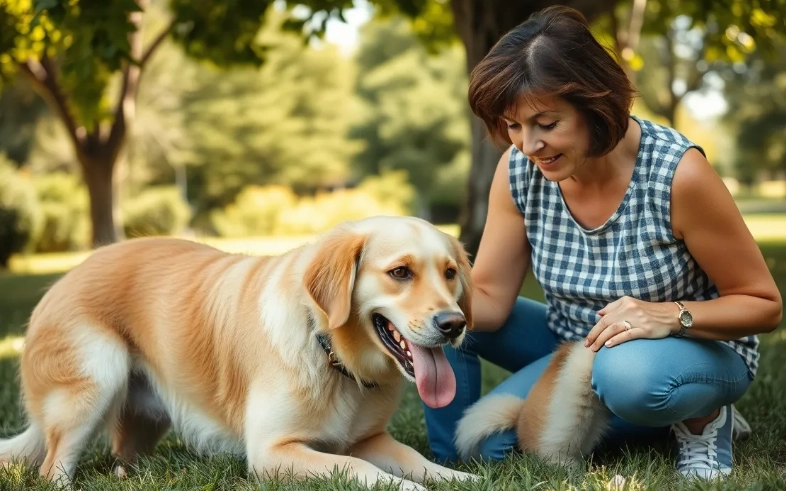
Most people picture a dog collapsed and unconscious when they think of heat stroke. The reality is far more common and much more subtle. A mild heat stroke in dogs can creep up without the dramatic collapse, and that's what makes it so dangerous. Owners miss it. I've seen it happen with a friend's Bulldog. They thought he was just being lazy after a morning in the yard. By evening, he was at the emergency vet. It was a stressful, expensive lesson that started with what seemed like nothing.
This isn't meant to scare you, but to prepare you. Spotting a mild case early is the absolute key to preventing a full-blown, life-threatening crisis. So, let's break it all down—what it is, how to spot it, exactly what to do at home (and what NOT to do), and how to make sure it never happens again.
Core Concept: Mild heat stroke in dogs (sometimes called heat exhaustion or early-stage hyperthermia) is the initial phase where a dog's body temperature is elevated above normal (typically between 103°F and 105°F / 39.4°C and 40.6°C), but its internal cooling systems and organs are still functioning. This is your critical window for intervention before things spiral.
Why Dogs Are So Vulnerable: It's Not Just the Fur
We wear shorts and tank tops, sweat all over, and still get hot. Dogs have a completely different, and frankly, less efficient system. Understanding this is the first step to empathy and prevention.
Dogs primarily cool themselves by panting. When they pant, moisture evaporates from their tongue, nose, and the lining of their lungs, which carries heat away. They also lose a tiny bit of heat through the pads of their feet. That's pretty much it. No sweating through the skin like we do. On a hot, humid day, panting becomes wildly ineffective because the air is already saturated with moisture—there's nowhere for that evaporative cooling to go.
But what exactly is happening inside your dog's body? As the temperature rises, blood vessels near the skin dilate to try and release heat. The heart starts working overtime to pump this redistributed blood. If the dog can't cool down, the core temperature keeps climbing. In a mild heat stroke scenario, the body is straining but hasn't started to break down yet. Dehydration kicks in, making the blood thicker and harder to pump, putting even more strain on the heart. It's a vicious cycle that starts quietly.
Some dogs are basically born with a disadvantage in the heat department. It's not fair, but it's true.
- Brachycephalic Breeds: This is the big one. Pugs, French Bulldogs, English Bulldogs, Boston Terriers. Their adorable squished faces mean narrowed airways, elongated soft palates, and often smaller windpipes. They simply cannot move air efficiently enough to cool down effectively. For them, even mild exertion on a warm day can tip into a mild heat stroke.
- Thick-Coated & Northern Breeds: Think Huskies, Malamutes, Newfoundlands. Their coats are designed for insulation against cold. In heat, that coat traps warmth close to the body. Even if they're "used to it," they overheat much faster.
- Overweight Dogs: Extra fat acts as an insulator and puts more demand on the cardiovascular and respiratory systems. It's harder work to move and harder work to cool down.
- Very Young, Very Old, or Dogs with Health Issues: Puppies and seniors have less robust temperature regulation. Dogs with heart disease, respiratory issues (like collapsing trachea or laryngeal paralysis), or kidney problems are at drastically higher risk.
The Subtle Signs: Spotting Mild Heat Stroke in Your Dog
This is the most important part. The signs of mild heat stroke in dogs are easy to dismiss as normal tiredness or thirst. You have to become a detective. Look for a combination of these things, not just one.
Early Warning Signs (The "Something's Not Quite Right" Phase)
- Excessive, Frantic Panting: More than the normal pant after a ball fetch. It's louder, faster, and doesn't seem to slow down even when they're resting. The tongue might be wider and look larger than usual.
- Seeking Cool Surfaces & Shade: Your dog might constantly move to lie on tile, in a bathtub, or dig into cool soil under a bush. They're instinctively trying to conduct heat away from their body.
- Increased Thirst: Seems obvious, but it's a key data point. They're trying to replenish fluids lost through panting.
- Mild Lethargy or Restlessness: They might seem unusually tired, lagging behind on a walk, or conversely, seem unable to settle down comfortably.
- Bright Red Gums & Tongue: This is from the dilated blood vessels. Compare it to their normal gum color (you should know what that looks like—check when they're healthy!).
Escalating Signs (The "Okay, This is Definitely a Problem" Phase)
- Thick, Ropy Saliva: As dehydration sets in, saliva becomes sticky and stringy, not watery.
- Mild Disorientation: They might seem a little confused, slow to respond to their name, or bump into things gently.
- Rapid Pulse: You can feel their heartbeat on their chest behind the front leg. It will feel very fast and strong.
- Muscle Tremors or Weakness: A slight shake in the legs, or they seem wobbly getting up.
If you see any of the escalating signs, you're already past "mild" and need to act fast.
Here’s a quick comparison to help you gauge the severity. It's not always a clean line, but it helps.
| Symptom | Mild Heat Stroke / Early Stage | Moderate to Severe Heat Stroke |
|---|---|---|
| Body Temp | 103°F - 105°F (39.4°C - 40.6°C) | 106°F+ (41.1°C+) |
| Mental State | Alert but tired/restless | Disoriented, unresponsive, collapse |
| Gums | Bright red | Dark red, purple, or pale |
| Panting | Excessive but controlled | Frantic, then may STOP as condition worsens |
| Coordination | Mild weakness | Staggering, inability to stand |
| Vomiting/Diarrhea | Rare or mild | Common, often with blood |
Immediate Action Plan: What to Do for Suspected Mild Heat Stroke
Okay, you've spotted the signs. Your gut says it's a mild heat stroke. Panic is the enemy here. Calm, swift action is your best tool. Follow these steps in order.
- Stop All Activity Immediately. Get your dog out of the sun and heat. Carry them if you have to. The goal is zero exertion. Move them into an air-conditioned room or the coolest spot you can find immediately.
- Start Cooling, But Do It SMART. The biggest mistake people make is using ice or ice-cold water. This is dangerous! It causes the blood vessels at the skin to constrict violently, trapping heat inside the core. You want cool, not cold.
- Use lukewarm or cool (not icy) tap water to wet their fur thoroughly, especially the belly, groin, armpits, and paw pads where blood vessels are close to the surface.
- Use a fan on them while they're wet. The evaporation is what does the cooling.
- You can place cool, damp towels over these areas, but replace them frequently as they warm up.
- Offer Small Amounts of Water. Don't let them guzzle a whole bowl, as this can cause vomiting or dangerous bloating. Offer a few laps at a time from your hand or a small dish. Adding a tiny pinch of salt to the water can help with electrolyte absorption, but plain water is fine if you're unsure.
- Take Their Temperature. If you have a rectal thermometer (and you should in your pet first-aid kit), this is the time to use it. Lubricate it with petroleum jelly and insert it gently about an inch. This is the only accurate way to know. Remember our target: if it's between 103°F and 105°F, you're managing a mild heat stroke in dogs. If it's 106°F or higher, or you can't get a reading, skip to step 5 immediately.
- Call Your Vet, Even If They Seem Better. This is non-negotiable. I don't care if your dog is panting normally and wants to play. Internal damage from a mild heat stroke can be delayed. Your vet needs to know what happened. They may want to see your dog to check for dehydration, organ stress, or electrolyte imbalances. Describe the symptoms and the temperature if you took it. Follow their instructions.
DO NOT: Use ice packs or ice baths. Do not force water down their throat. Do not cover them with wet towels in a way that traps heat (like a soaked blanket). Do not assume "they're fine now" and skip the vet call. The aftermath of a mild heat stroke needs professional oversight.
Home Care and Recovery: The Day After a Mild Heat Stroke
Your vet has given the all-clear for home care. The immediate crisis is over, but your dog's body has been through stress. Recovery from a mild heat stroke in dogs requires a quiet, watchful period.
Think of them as an athlete who just ran a marathon in a sauna. They need rest. For at least the next 48-72 hours, enforce strict rest. Short, leashed bathroom breaks only. No play, no walks, no excitement. Keep them in a cool, quiet room.
Hydration is still key. Ensure fresh water is always available. Your vet might recommend an electrolyte solution made for dogs, or even a bit of low-sodium chicken broth (onion and garlic-free) to encourage drinking. Watch their water intake—if they're not drinking, that's a red flag to call the vet back.
Appetite might be off. Offer a bland, easy-to-digest meal like boiled chicken and white rice in small portions. If they refuse food for more than a day, check in with your vet.
Most importantly, monitor like a hawk. You are now hyper-aware of the signs. Check their gum color, breathing rate, and energy level frequently. Watch for any new symptoms: vomiting, diarrhea (especially if bloody), continued lethargy, seizures, or any unusual behavior. These could signal delayed complications and require immediate veterinary attention.
Recovery Tip: Keep a simple log for the first few days. Note the time, their temperature (if you're checking), water consumed, food eaten, and a note on their energy and breathing. This isn't for stress, it's for clarity. If you need to call the vet again, you have concrete data, not just "he seemed okay." It also helps you see the positive trend as they recover.
Prevention: Making Sure It Never Happens Again
This is the most satisfying part. Once you've been through a scare, you become a fanatic about prevention. And you should be. Preventing a mild heat stroke in dogs is almost entirely within your control.
Let's make a definitive, actionable list. Print this out and stick it on your fridge.
- Rethink Walk Times: Early morning and late evening are your friends. If you can't comfortably place the back of your hand on the asphalt for 7 seconds, it's too hot for your dog's paws and the radiant heat is dangerous.
- Hydration is a Journey, Not a Destination: Bring water and a collapsible bowl on every outing, no matter how short. Offer water every 15-20 minutes on a warm walk.
- Know Your Dog's Limits: That energetic Border Collie will run until he drops from heat stroke. You are the brains of the operation. You must enforce rest and shade breaks, even if they protest.
- Create Cool Zones at Home: Ensure there's always a cool, shaded, well-ventilated area available. A cooling mat, a fan, and always access to fresh water. Never leave a dog in a parked car. Ever. Not for "just a minute." The temperature inside a car can become lethal in under 10 minutes, even with windows cracked.
- Grooming is Key: For heavy-coated dogs, regular brushing to remove the dead undercoat is essential. Consult your groomer about the best summer clip for your breed—it's not always a close shave.
- Use Your Words: If you see someone walking a dog in the heat of the day, or leaving a dog in a car, say something. It's not being rude, it's being a responsible member of the pet community.
Your Questions Answered: Mild Heat Stroke in Dogs FAQ
That's a relief for many owners. It's a simple, effective tool.
The Final Word: Vigilance is Love
Dealing with a potential mild heat stroke in dogs is stressful. I won't sugarcoat it. But the stress of that moment is nothing compared to the grief of a preventable tragedy. The goal of this guide isn't to make you afraid of summer, but to empower you with knowledge.
You now know the subtle signs that most people miss. You have a step-by-step action plan that avoids common, dangerous mistakes. You understand that recovery requires patience and vigilance. And most importantly, you have a concrete list of prevention strategies that work.
Our dogs trust us completely. They'll follow us into the heat, play until they drop, and rarely complain until it's too late. It's our job to be their advocate, their sense of reason, and their first line of defense. Paying attention to the early whispers of a mild heat stroke—the extra panting, the seeking of cool spots, that look in their eyes—is one of the most profound ways we can honor that trust. Now go enjoy the sunshine, safely and smartly.

Leave a comment