If your dog just had surgery or is dealing with a hot spot, you’ve probably been handed the classic plastic Elizabethan collar, or "the cone of shame." And if you’re like most pet owners, you immediately saw the problem. Your dog crashes into every wall, can’t eat or drink properly, looks miserable, and the constant scraping noise is enough to drive anyone crazy. The good news? The traditional dog cone is no longer your only option. In fact, sticking with it might be causing more stress than necessary for both you and your pet during a crucial recovery period. Let's explore the comfortable, effective, and often overlooked alternatives that can make recovery a smoother process.
What You'll Find in This Guide
Why the Standard Plastic Cone Often Fails (Beyond the Obvious)
We all know cones are awkward. But the issues run deeper than simple inconvenience. The rigid plastic creates a sensory barrier that disorients many dogs, disrupting their peripheral vision and spatial awareness. This isn't just about bumping into furniture. It heightens anxiety in an animal already stressed from pain or surgery. I've seen dogs refuse to move, eat, or drink while wearing a cone, which directly hampers healing.
Then there's the noise. The constant scrape-scrape-thump against floors and walls is a persistent stressor. For dogs with noise phobias, this can be a nightmare. Furthermore, a standard cone does nothing to protect wounds on the torso or limbs from licking if your dog is flexible. It only guards the immediate neck area. If the incision is on a paw or the side of the body, a determined dog can often still reach it.
The biggest mistake I see? Owners assume the vet-prescribed cone is the gold standard and suffer through two weeks of misery. Vets often default to it because it's cheap, sterile, and universally available. But for home recovery, after the initial critical post-op period, switching to a better alternative is not only okay—it’s often recommended for quality of life.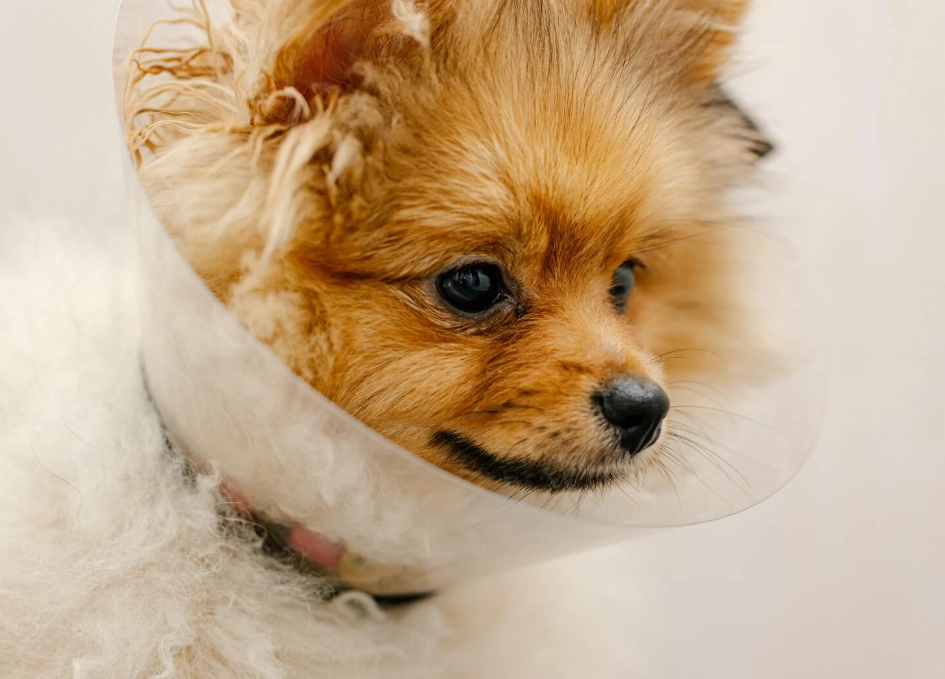
The 6 Best Dog Cone Alternatives Compared
Here’s a breakdown of the most effective options, moving from the most popular to more specialized choices. I’ve included a quick comparison table, but the real value is in the details below.
| Alternative | Best For | Key Advantage | Potential Drawback |
|---|---|---|---|
| Inflatable Collar (Donut) | Neck/head wounds, eating/drinking ease | Comfort, allows normal rest | May not protect torso/paws |
| Recovery Suit (Surgical Suit) | Torso, back, flank incisions; spays | Full-body protection, very comfortable | Can be warm, bathroom logistics |
| Neck Brace Collar | Determined lickers, neck injuries | Extremely restrictive of neck movement | Can be bulky, may limit lying down |
| Soft Fabric Cone | Low to moderate risk licking | Flexible, less noisy, more comfortable | Less rigid, can be chewed through |
| Paw Wraps & Socks | Paw-specific injuries, post-op nail care | Targeted protection | Can slip off, need frequent changing |
| Bitter Sprays & Deterrents | Very minor issues, as a supplement | Non-physical barrier | Unreliable for serious wounds |
1. The Inflatable Collar (The "Donut")
This is the most common alternative for a reason. It looks like a travel neck pillow for dogs. It works by creating a soft, wide barrier around the neck that prevents the dog from bending around to lick their body. My own Labrador, after a lump removal on his shoulder, switched to this on day two and instantly transformed from a statue back into a dog who could sleep curled up and eat without flipping his bowl.
When it works: Ideal for wounds on the front half of the body, neck, or ears. It’s fantastic for dogs who need to rest comfortably.
When it fails: A very flexible or long-bodied dog can sometimes still reach their hindquarters or back legs. Also, some dogs figure out they can use the donut as a leverage tool to rub their face on the carpet. Always supervise the first few hours.
2. The Recovery Suit (or Surgical Suit)
This is a game-changer for abdominal surgeries like spays, or for large wounds on the torso or back. It’s essentially a stretchy bodysuit that covers the wound site. Brands like Suitical or KONG Cloud Recovery Suit are popular. It prevents licking and scratching while keeping the area clean.
The genius part is the strategic snap closures for bathroom breaks. No need to fully undress the dog. You just unsnap the rear section. The common worry is overheating, but most are made from breathable, lightweight fabric. For a spay recovery, I recommend this over a cone 90% of the time. Cost is typically $40-$60, but it’s reusable.
3. The Neck Brace Collar
Less common but highly effective for the determined licker. It’s a foam collar that limits up-and-down and side-to-side neck movement without the visual obstruction of a cone. Think of it like a soft cervical brace. It’s excellent for neck injuries or dogs who have figured out how to circumvent other barriers.
The downside? It can be quite bulky and may make it harder for some dogs to lie down in their favorite positions. It’s a specialty item, so you’ll likely need to order it online unless your vet stocks it.
4. The Soft Fabric Cone
This takes the classic cone shape but makes it from padded nylon or fleece. It’s flexible, quiet, and often more comfortable against the skin. Many have Velcro closures for easy on/off. It’s a good middle-ground if your dog needs the full-head-barrier concept but can’t tolerate the plastic.
Warning: Some dogs, especially chewers, can destroy a soft cone. If your dog is an anxious chewer, inspect it regularly for holes. It also loses some of the rigidity that makes the plastic cone impenetrable, so for a dog with a strong desire to lick, it might not be restrictive enough.
5. Paw Wraps & Protective Socks
For injuries limited to a paw—a sutured pad, a broken nail, or a bandage that needs protection—a full-body solution is overkill. Waterproof paw wraps or durable dog socks (like those from Ruffwear) can be perfect. They shield the wound from licking and dirt during short periods like potty breaks or indoor mobility.
They are not a 24/7 solution. They can come off, get dirty, and need to be kept dry. Use them as a targeted tool in your recovery kit, not the primary defense for a serious surgical site.
6. Bitter Sprays & Topical Deterrents
I’m listing this last for a reason. Products like bitter apple spray are a supplement, not a solution. They create a nasty taste on the fur around the wound. In theory, it deters licking.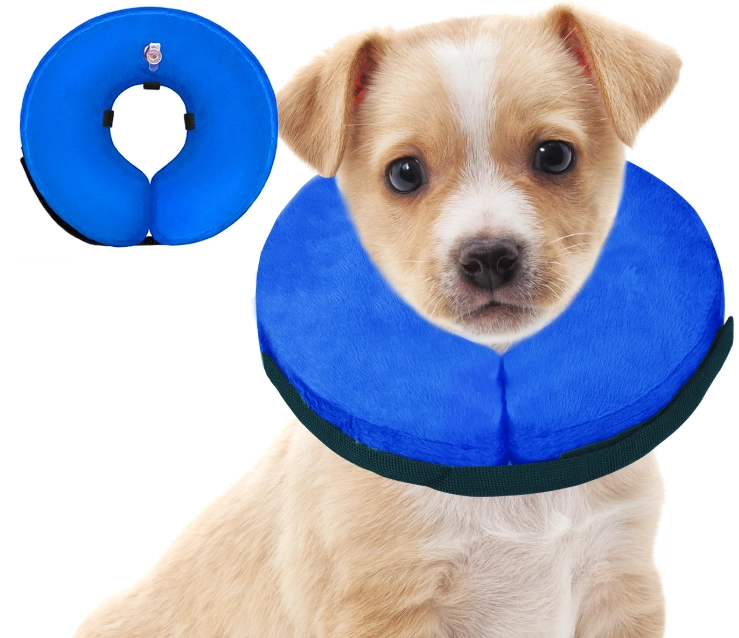
In practice, its reliability is low. Some dogs aren’t bothered by the taste. Others lick right through it. The spray can also sting if applied too close to an open wound. Only use this for very minor irritations (like a small healing scrape) or in combination with a physical barrier for extra insurance. Never rely on it alone for post-surgical care.
How to Choose the Right Alternative for Your Dog
Don't just pick the cutest option. Match the tool to the problem. Ask yourself these questions:
- Where is the wound? Neck/head = Inflatable collar or soft cone. Torso/abdomen = Recovery suit. Paw = Paw wrap.
- What is your dog’s personality? Anxious chewer? Avoid soft fabric. Flexible contortionist? A donut might not be enough, consider a recovery suit or neck brace.
- What’s the recovery environment? Will your dog be mostly resting? A suit is fine. Need to navigate tight spaces? An inflatable collar is less obstructive.
- What does your vet say? Always, always consult your vet before switching from their prescribed method, especially in the first 24-48 hours after surgery. They know the specifics of the incision.
The goal isn't just to prevent licking. It's to allow your dog to eat, drink, sleep, and move with minimal stress. A less stressed dog heals faster.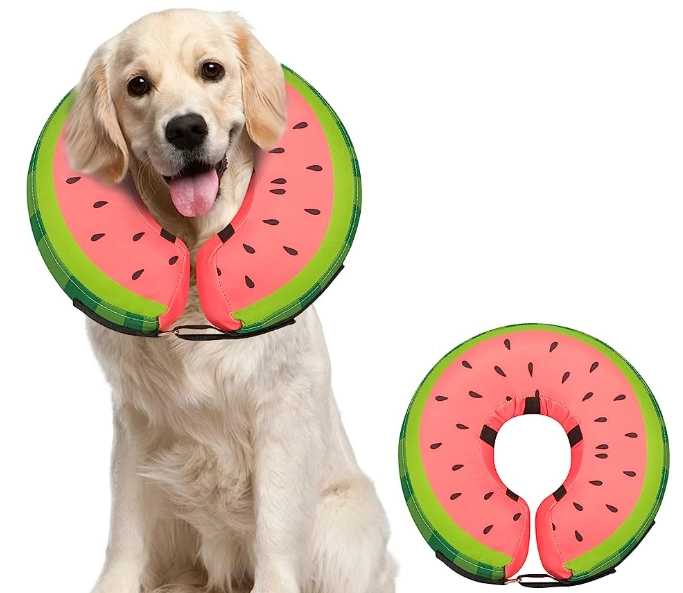
Your Questions, Answered
My dog hates everything and panics with any collar. What can I do?




Leave a comment