You notice your cat has been in the litter box a lot longer than usual. You hear a faint straining sound. Maybe you see them go in and out several times without producing anything, or the stools you do find are hard, dry pellets. That sinking feeling hits—your cat is constipated. It’s more than just an inconvenience; it’s uncomfortable for them and worrying for you. Let’s cut through the clutter and talk about what you can actually do, from safe home tricks to knowing when it’s a full-blown vet emergency.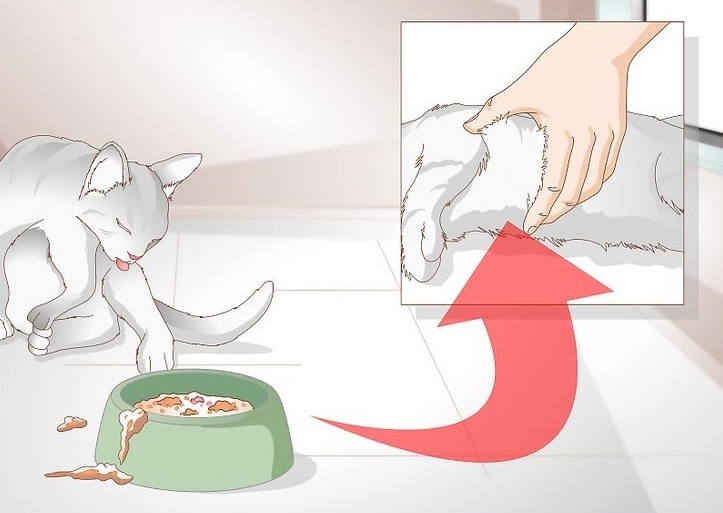
What You'll Find in This Guide
- How to Tell If Your Cat Is Actually Constipated
- Home Remedies That Are Actually Safe (And One Big Mistake)
- The Red Flags: When to Stop Home Care and Call the Vet
- What the Vet Might Do: From Enemas to Surgery
- Stopping It Before It Starts: Long-Term Prevention
- Your Top Constipation Questions, Answered
How to Tell If Your Cat Is Actually Constipated
First, let's be clear on the signs. Constipation isn't just "not pooping for a day." Cats can have individual rhythms. The real problem is difficulty or inability to pass stool that's already in the colon.
The Obvious Signs You Can't Miss
Straining in the litter box is the classic sign. But it can look like they're trying to urinate. Watch the posture and result. If they're hunched, vocalizing in pain, and leaving only tiny, hard feces (often called "rabbit pellets") or nothing at all, it's constipation. You might also see them licking their rear end excessively or even dragging their bottom on the floor.
The Subtle Signs Owners Often Overlook
This is where experience matters. A constipated cat often loses their appetite. Why? A full colon presses on the stomach. They might become lethargic, hide more, or seem generally "off." Vomiting can occur, though it's usually a sign of a more severe blockage. The most overlooked sign? A sudden decrease in the volume of stool, even if frequency seems normal.
Quick Checklist: If your cat shows straining + hard stools + reduced appetite, constipation is a very likely culprit. Start monitoring their litter box habits closely for the next 12-24 hours.
Home Remedies That Are Actually Safe (And One Big Mistake)
If your cat is still eating, drinking, and acting relatively normal, you can try a few gentle interventions. The goal is to add moisture and lubrication to the system.
Pumpkin: The Fiber Go-To (But Get the Right Kind)
Plain canned pumpkin (not pumpkin pie filling) is a great source of soluble fiber. It absorbs water and can help bulk up and soften stool. The dose is small: 1/2 to 1 teaspoon mixed into their wet food once or twice a day. I’ve found that organic pumpkin often has a better consistency. The mistake here? Giving too much, which can actually worsen constipation or cause diarrhea. Start with half a teaspoon.
Olive Oil or Fish Oil: The Gentle Lubricant
A few drops of extra virgin olive oil or a pump of fish oil supplement on their food can help things slide. It’s a mild laxative. We’re talking 1/4 teaspoon of olive oil or the recommended dose of a cat-specific fish oil. Don’t pour it in; that can cause stomach upset and isn’t more effective. Some cats hate the taste, so mix it well.
Hydration, Hydration, Hydration
This is the most critical long-term factor. Switch to a wet food diet if you haven't already. The moisture content is a game-changer. Add extra water or low-sodium chicken broth to their food. Consider a cat water fountain—the moving water often entices them to drink more. I’ve had clients see a dramatic improvement just by making this single change.
The Big Mistake: Never give your cat human laxatives, stool softeners, or mineral oil without explicit veterinary instruction. Products like Miralax (polyethylene glycol) are sometimes prescribed by vets in specific doses, but giving it yourself is risky. Mineral oil is especially dangerous—if inhaled, it can cause fatal aspiration pneumonia. This is a common and serious error.
The Red Flags: When to Stop Home Care and Call the Vet
Home care has its limits. Constipation can escalate to obstipation (a severe, immovable blockage) or megacolon (a permanently damaged, dilated colon). Knowing the emergency signs is crucial.
If your cat hasn't passed any stool in more than 48-72 hours, it's time for the vet. Other immediate red flags include:
- Visible pain or distress (crying, hiding, aggression when touched near the belly).
- Repeated vomiting or refusal to eat or drink.
- A hard, distended, or painful abdomen that you can feel.
- Lethargy that's getting worse.
For senior cats, be extra vigilant. Their systems are less resilient, and constipation can be a symptom of other issues like kidney disease or arthritis (making the litter box painful to get into).
What the Vet Might Do: From Enemas to Surgery
If you bring your cat in, here’s what to expect. It’s not just about an enema.
The Diagnostic Steps
The vet will palpate your cat’s abdomen to feel for a large, firm mass of stool. They’ll likely recommend an X-ray to confirm the extent of the impaction and rule out other causes like a foreign object or a tumor. Blood work is common to check for underlying diseases like kidney issues or dehydration.
Treatment: The Step-by-Step Process
For moderate cases, treatment often involves subcutaneous fluids (to rehydrate the whole body) and possibly an enema performed under veterinary supervision. Let me be blunt: cat enemas at the vet are not the same as human ones. They use specific, safe solutions and often require sedation because the procedure is stressful and uncomfortable. Do not attempt this at home.
For severe obstipation or megacolon, hospitalization may be needed. They might use IV fluids and administer stronger prescription laxatives (like lactulose) or pro-motility drugs. In the worst-case scenario, where the colon has lost all muscle function, a surgery called a subtotal colectomy may be the only long-term solution. It sounds drastic, but for cats with end-stage megacolon, it can dramatically improve their quality of life.
Stopping It Before It Starts: Long-Term Prevention
Once you've dealt with an episode, focus on preventing the next one. It’s a multi-pronged approach.
Diet is King: A high-moisture, high-fiber diet is ideal for many prone cats. Some prescription gastrointestinal or fiber-response diets are excellent. You can also add a teaspoon of plain psyllium husk powder (like unflavored Metamucil) to food, but introduce it slowly and with plenty of water.
Movement Matters: Exercise stimulates gut motility. Play with your cat for 10-15 minutes twice a day. A lazy cat is more prone to a lazy gut.
Hairball Control: For long-haired cats or excessive groomers, regular brushing and a hairball control gel or diet can prevent hair from matting into a plug in the intestines.
Litter Box Perfection: Ensure the litter box is spotlessly clean, in a quiet location, and easy for an older or arthritic cat to enter. Painful joints can make a cat avoid defecating.
Probiotics: A good quality feline probiotic can support a healthy gut microbiome, which aids digestion. It’s not a quick fix, but a helpful long-term supplement.
Your Top Constipation Questions, Answered
FAQs: Cat Constipation
Can I give my cat milk for constipation?
My cat is on medication (like opioids for pain). Could that be causing it?
How much pumpkin should I give my 10-pound cat?
Is constipation more common in older cats?
My cat seems to strain but only passes a little liquid. Is that constipation?
 Dealing with a constipated cat is stressful, but armed with the right knowledge, you can act effectively. Start with the gentle home supports, watch like a hawk for those red flags, and never hesitate to pick up the phone for your vet. Often, a few simple changes to their daily routine can keep everything moving smoothly for years to come.

Leave a comment