You notice it first with the sound. That incessant scratching, licking, chewing. Your dog is clearly uncomfortable, and you see the red patches, the flaky skin, maybe a bald spot. Before you reach for a harsh chemical shampoo or rush to the vet for a steroid shot, consider the gentle power of nature's pharmacy. Herbs can be incredibly effective for soothing and healing common dog skin problems, often with fewer side effects. I've spent over a decade working with dogs and natural remedies, and I've seen herbs turn a miserable, itchy pup into a calm, comfortable companion. The key is knowing which ones to use, how to use them safely, and—this is crucial—not skipping the foundational steps of diet and parasite control that many well-meaning owners overlook.
What's Inside This Guide
How to Identify Common Dog Skin Issues
Throwing herbs at a problem without understanding it is like using a band-aid on a broken leg. First, play detective. Is it allergies (food or environmental)? Flea allergy dermatitis? A bacterial or yeast infection? Dry skin? The location and look give clues. Chewing at paws and rubbing the face often points to environmental allergies. Red bumps along the lower back or base of the tail scream "fleas." A greasy, smelly coat with dark pigmentation can mean yeast. A visit to your vet for a proper diagnosis is non-negotiable, especially for persistent issues. Herbs work best as part of a targeted plan.
I remember a client's Labrador, Max, who had chronic ear infections and itchy skin. They'd tried oatmeal baths and coconut oil with little success. The vet identified a underlying yeast overgrowth and a chicken allergy. We addressed the diet first, then used specific antifungal and soothing herbs topically. The herbs helped calm the inflammation while the new diet did the heavy lifting. Without that diagnosis, we'd have been guessing.
Top 5 Herbs for Soothing Dog Skin Problems
Not all herbs are created equal. Some are brilliant anti-inflammatories, others are antimicrobial powerhouses, and a few are fantastic for wound healing. Here’s my go-to list, based on efficacy and safety profile. I prefer these in dried form for teas or infusions, or as high-quality, alcohol-free glycerin tinctures made for pets.
| Herb | Primary Benefits | Best Used For | Common Forms |
|---|---|---|---|
| Calendula (Marigold) | Antiseptic, anti-inflammatory, promotes wound healing and tissue repair. | Hot spots, minor cuts, scrapes, insect bites, dry/cracked paw pads. | Infused oil, salve, tea rinse (cooled). |
| Chamomile (German) | Soothing, anti-itch, anti-inflammatory, gentle antiseptic. | Allergic itchiness, inflamed skin, rashes, soothing post-bath rinse. | Cooled tea rinse, compress, in a mild shampoo. |
| Oatmeal (Colloidal) | Forms a protective barrier, locks in moisture, relieves itching and irritation. | General dryness, eczema, contact dermatitis, overall soothing bath. | Finely ground in a bath, paste for spot treatment. |
| Nettle | Antihistamine properties (from the inside out), reduces allergic reactivity. | Seasonal or environmental allergies that manifest as skin issues. | Dried herb in food, glycerin tincture (internal use). |
| Licorice Root | Potent anti-inflammatory (similar to cortisone but milder), anti-itch. | Severe inflammation, allergic reactions, eczema. | Glycerin tincture (internal), salve (external). |
Calendula: The First-Aid Hero
This is the one I always have in my dog first-aid kit. Its magic is in promoting granulation—the formation of new tissue. I make a strong tea (1 tbsp dried flowers to 1 cup boiling water, steep 20 mins, strain and cool), and use it to gently clean a hot spot twice a day. Follow with a thin layer of calendula-infused oil or a commercial salve. It speeds up healing noticeably compared to leaving it alone. Avoid on deep puncture wounds, as it can heal the surface too quickly.
Chamomile: The Gentle Soother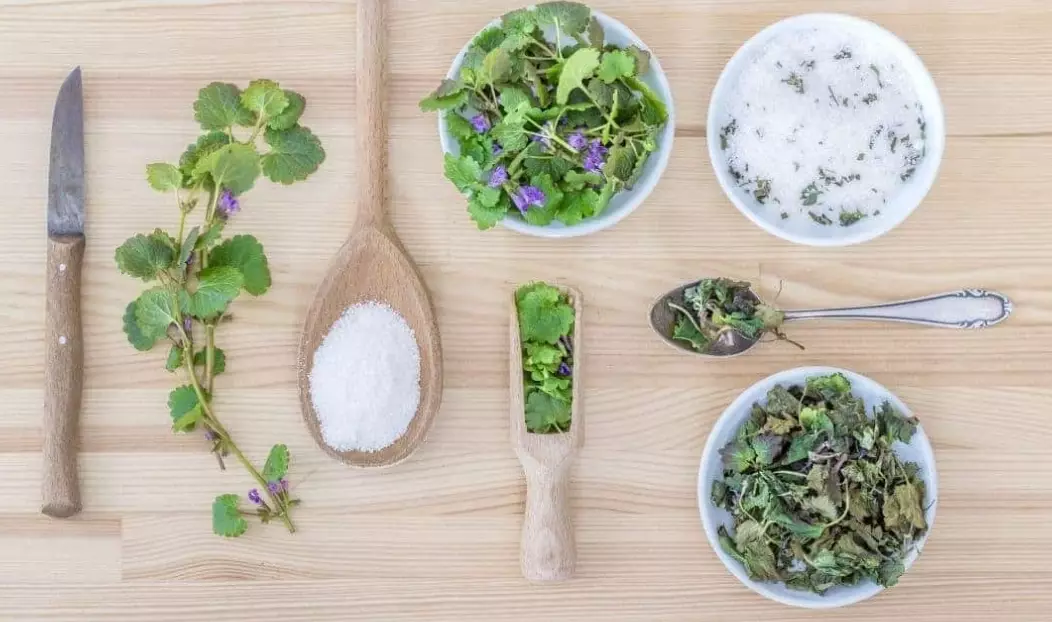
Perfect for the dog with sensitive, reactive skin. After a shampoo-free bath, I'll do a final rinse with cool chamomile tea. It takes the "edge" off the itch. For localized spots, soak a clean cloth in the tea, wring it out, and hold it against the area for 5-10 minutes. The relief is almost immediate. Just ensure you're using German chamomile, not the less potent Roman variety.
Pro Tip: You can combine herbs. A calendula and chamomile tea rinse is a fantastic all-purpose skin soother. A nettle and licorice root tincture blend can work synergistically for allergy support. Start with one herb at a time to see how your dog responds.
How to Use Herbs for Dogs Safely and Effectively
Dosing is where people get nervous. For internal tinctures (like nettle), the general rule is 1 drop per pound of body weight, twice daily, mixed into food. Always start with half that dose for 3-4 days to check tolerance. For topical applications like rinses or compresses, test on a small patch of skin first. Wait 24 hours to check for any adverse reaction.
Quality matters. Don't just grab any herb from the garden or a random online store. Use organic, food-grade herbs intended for consumption. Sources like Mountain Rose Herbs or reputable pet-specific brands are reliable. For pre-made products, look for those with simple ingredient lists from companies that specialize in pet herbalism.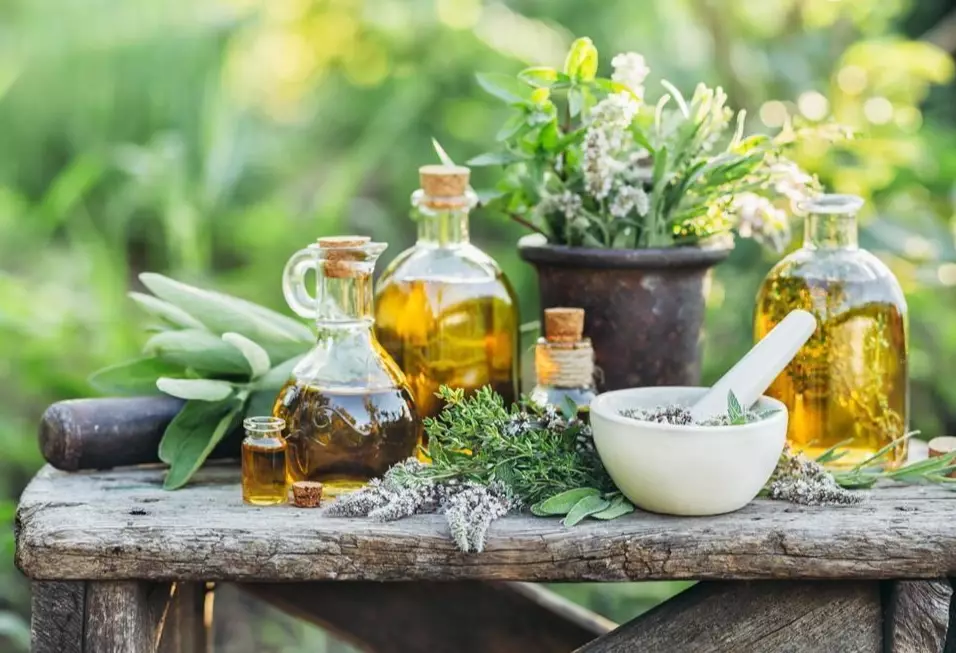
Critical Safety Note: Some common human herbs are toxic to dogs. Never use tea tree oil (melaleuca) undiluted or in high concentrations—it can cause severe neurological issues. Avoid pennyroyal, wormwood, and comfrey (for internal use) unless under direct guidance from a veterinary herbalist. When in doubt, check the ASPCA's animal poison control list or consult a professional.
The Biggest Mistake Dog Owners Make with Natural Remedies
Here's the non-consensus opinion from years of observation: the biggest error isn't picking the wrong herb; it's using herbs as a standalone fix while ignoring the root cause.
You can slather on calendula salve every day, but if your dog's itchy skin is driven by a flea infestation or a diet full of inflammatory fillers like corn and wheat, you're just managing symptoms, not solving the problem. Herbs are fantastic support players, not always the star. A holistic approach looks at diet (consider an elimination diet if allergies are suspected), parasite prevention, stress levels, and gut health. The skin is an organ of elimination; what shows up there often starts internally.
Another subtle mistake? Giving up too soon. Herbs often work more slowly than pharmaceuticals. You might not see dramatic improvement for 2-4 weeks with internal herbs for allergies. Consistency is key.
Frequently Asked Questions About Herbs for Dog Skin
Integrating herbs into your dog's skin care routine requires a bit of learning and observation, but the payoff is huge. You're using gentle, time-tested substances that work with your dog's body. Start simple, be patient, and always pair your herbal efforts with good nutrition and a solid partnership with your veterinarian. Your dog's comfort—and a quieter, scratch-free home—is worth it.



Leave a comment