Quick Guide
Let's be honest. Those pleading eyes staring up at you from the kitchen floor are hard to resist. A tiny piece of chicken, a lick of sauce, it feels harmless, right? A little treat for your furry overlord. I've been there. My own cat, Mochi, is a master of the guilt-trip. But here's the hard truth I had to learn, sometimes the scariest way: our food isn't built for them.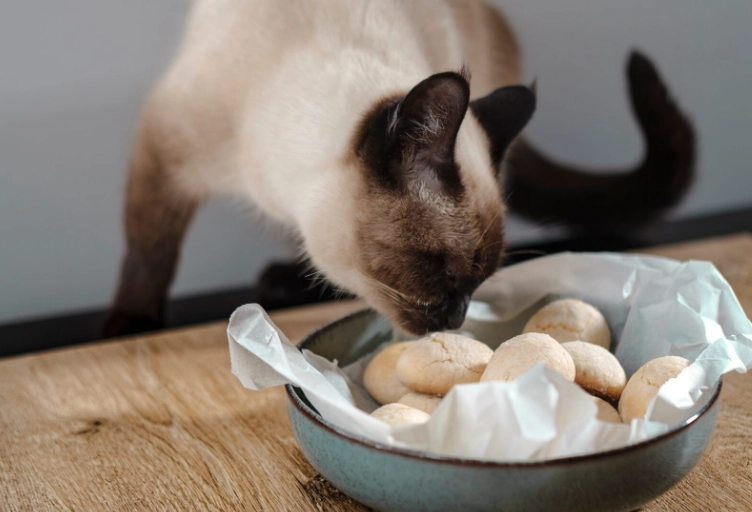
Their bodies process things completely differently. What's a snack for us can be a full-blown crisis for them. It's not about being a "mean" pet parent; it's about being an informed one. So, let's cut to the chase. If you've ever wondered what are 5 human foods toxic to cats, you're asking the right question. This isn't just a list. It's a deep dive into the why, the what-if, and the what-now, because knowing the name of the poison is only half the battle.
Before we start, the golden rule: If you know or even strongly suspect your cat has eaten something on this list, don't wait. Call your vet or an animal poison control center immediately. Time is not your friend in these situations. Bookmark the ASPCA Animal Poison Control Center page now. Seriously, do it. I'll wait.
Alright. The list. These are the top offenders, the ones that show up in vet clinics with depressing regularity. We'll go beyond just naming them and get into the gritty details every cat owner should have.
The Top 5 Culprits: What Makes These Foods So Dangerous?
Understanding what are 5 human foods toxic to cats starts with understanding why they're toxic. The mechanism matters. It helps you grasp the seriousness and recognize symptoms that might seem vague at first.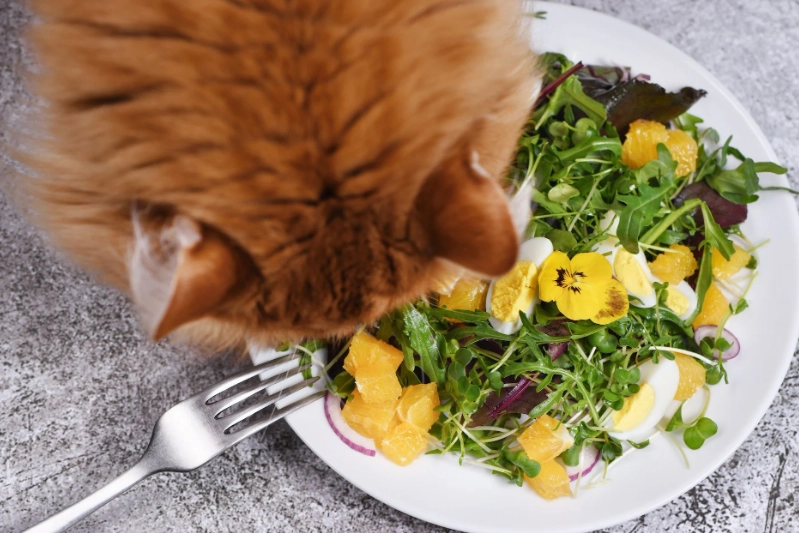
Top 1: Alliums (Onions, Garlic, Chives, Leeks)
This is the sneaky one. People often know about chocolate, but the allium family flies under the radar. It doesn't matter if it's raw, cooked, powdered, or dehydrated. Onion powder in your seasoning blend? Garlic salt? A bit of leftover Chinese food with lots of garlic? All dangerous.
The problem is a substance called N-propyl disulfide. It attacks and destroys red blood cells in cats, leading to a condition called Heinz body anemia. The red blood cells burst. The scary part? It's cumulative. A tiny bit over several days can be just as bad as one large dose.
Symptoms don't show up right away. It can take 2-4 days. Watch for weakness, lethargy (your playful cat just wants to sleep), pale gums, orange- or brown-tinged urine, and an increased heart rate. I remember freaking out when Mochi seemed "off" after I'd made a big pot of onion soup. The house smelled for days, and I worried about microscopic particles. It felt paranoid, but with this, a little paranoia is healthy.
How much is too much? There's no safe dose. It's best to consider it 100% off-limits. The Merck Veterinary Manual notes that as little as 5 g/kg of onions in cats can cause significant changes. That's roughly one small onion's worth for an average cat—easily hidden in leftovers.
Top 2: Chocolate (All Kinds, But Dark is the Worst)
The classic toxin. Theobromine and caffeine are the villains here. Humans metabolize these easily; cats (and dogs) process them very slowly, allowing them to build up to toxic levels in their system. It acts as a stimulant affecting the heart, nervous system, and kidneys.
Dark chocolate, baking chocolate, and cocoa powder are the most concentrated, making them the most deadly. Milk chocolate is less concentrated, but still dangerous. White chocolate has negligible theobromine, but the high fat and sugar can cause pancreatitis, so it's still a firm no.
Signs of chocolate poisoning can appear within 6-12 hours and include vomiting, diarrhea, restlessness, hyperactivity, rapid breathing, muscle tremors, seizures, and in severe cases, heart failure. The hyperactivity is a key sign—if your cat is acting like they've had ten cups of coffee, chocolate is a prime suspect.
I think the holiday seasons are the riskiest. Wrapped chocolates under the tree, chocolate desserts on the table... it's a minefield.
Top 3: Xylitol (The "Sugar-Free" Assassin)
This might be the most insidious item on the list. Xylitol is a sugar alcohol used as a sweetener in countless "sugar-free" or "low-carb" products: gum, candy, peanut butter (always check the label!), baked goods, some toothpaste, and even certain vitamins.
In cats, xylitol triggers a massive, rapid release of insulin from the pancreas. This causes a catastrophic drop in blood sugar (hypoglycemia), which can happen within 30 minutes. At higher doses, it can also cause acute liver failure.
Symptoms of xylitol poisoning are sudden and severe: vomiting, weakness, staggering, collapse, and seizures. The window to act is very small. If you use sugar-free products in your home, you must be vigilant. That "healthy" sugar-free peanut butter you use for your sandwiches could be a death sentence for a cat who gets a lick.
The FDA has issued clear warnings about xylitol's danger to pets. It's one of those modern food additives that seems benign to us but is uniquely catastrophic for them.
Top 4: Grapes and Raisins
Here's a frustrating one: the exact toxic substance in grapes and raisins is still unknown. But the effect is well-documented and severe: kidney failure. It doesn't seem to affect all animals, but there's no way to predict which cat is sensitive. Why risk it?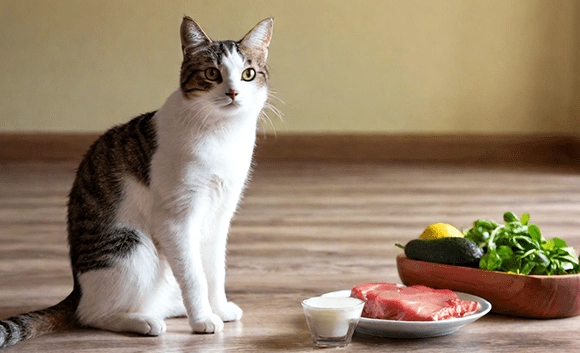
The frightening aspect is the unpredictability. One cat might eat a handful of raisins and be fine (though you shouldn't test this!), another might eat a single grape and go into kidney shutdown. All forms are toxic—fresh, dried, seeded, seedless.
Early signs include vomiting, hyperactivity, and lethargy. Within 24 hours, you might see a loss of appetite, abdominal pain, decreased urination, and ultimately, signs of acute kidney injury. The treatment is aggressive and involves hospitalization with IV fluids, sometimes for days.
Think about trail mix, oatmeal raisin cookies, or fruitcake. Common foods that are landmines.
Top 5: Alcohol (In Any Form)
This should be obvious, but you'd be surprised. It's not just about beer, wine, or spirits. Alcohol is in raw yeast dough (which produces alcohol in the stomach), certain extracts like vanilla or almond (which can have a high alcohol content), and even some mouthwashes or cleaning products.
Cats are tiny. Even a tablespoon of a strong spirit can cause significant poisoning. Alcohol depresses the central nervous system, leading to poor coordination, sedation, respiratory depression, and dangerous drops in body temperature, blood sugar, and blood pressure. In severe cases, it can lead to coma and death.
Signs can appear within 30-60 minutes: vomiting, disorientation, lethargy, tremors, difficulty breathing, and potentially collapse.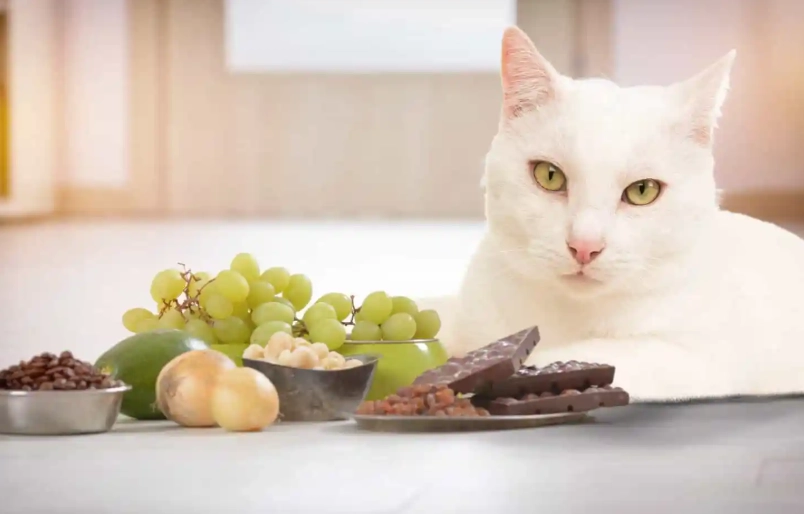
A personal note: The raw dough risk is a big one. The warmth of a cat's stomach is the perfect environment for dough to rise, producing alcohol and causing a painful, dangerous gas buildup. It's a double threat.
Beyond the Top 5: Other Common Kitchen Hazards
While answering what are 5 human foods toxic to cats gives us a critical shortlist, the kitchen holds other dangers. They might not make the absolute top five in terms of acute fatality, but they're common and problematic.
- Caffeine (Coffee, Tea, Energy Drinks): Similar to chocolate, it's a stimulant. Even used coffee grounds or tea bags in the trash can be enticing and dangerous.
- Macadamia Nuts: The toxin is unknown, but they can cause weakness, vomiting, tremors, and hyperthermia in cats.
- Raw Eggs & Raw Meat/Fish: Risk of Salmonella or E. coli bacteria for your cat (and for you handling it). Raw egg whites contain avidin, which interferes with biotin (a B vitamin) absorption.
- Bones (Cooked): Cooked bones, especially from poultry, can splinter and cause choking or serious internal punctures and blockages.
- Fat Trimmings & Rich, Fatty Foods: Can trigger pancreatitis, a painful and serious inflammation of the pancreas.
- Milk & Dairy: Many adult cats are lactose intolerant. It can cause nasty digestive upset—diarrhea and vomiting—which is messy and uncomfortable for them, even if it's not "toxic" in the classic sense.
See? The "people food" issue is a bit of a minefield. It's easier, and safer, to just stick to high-quality cat food and cat-specific treats.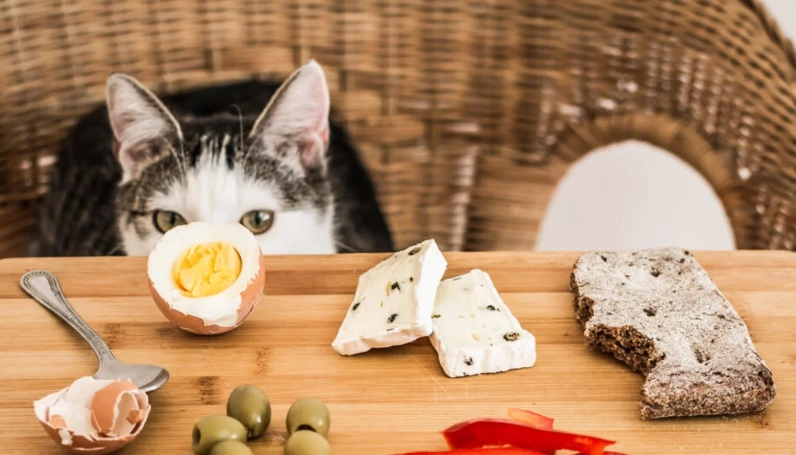
What To Do If The Worst Happens: A Step-By-Step Action Plan
Panic is the enemy. Having a plan is crucial. If you suspect ingestion of any toxic food, here's your immediate roadmap.
- Don't Panic, But Act Immediately. Your cat needs you to be clear-headed.
- Identify What Was Eaten and How Much. Grab the packaging if you can. Estimate the amount. Did they eat a whole chocolate bar or just lick the wrapper? This information is gold for the vet.
- Call for Professional Help Immediately. Do not wait for symptoms. Call your primary veterinarian. If it's after hours, call the nearest emergency animal hospital. Alternatively, call a pet poison helpline:
- ASPCA Animal Poison Control Center: (888) 426-4435 (fee may apply).
- Pet Poison Helpline: (855) 764-7661 (fee may apply).
- Follow Their Instructions Precisely. Do NOT induce vomiting unless explicitly told to do so by the professional. For some toxins (like corrosives), vomiting can make things much worse.
- Get to the Vet. If told to go in, go. Bring the substance packaging and any vomit samples (in a plastic bag) if possible. It sounds gross, but it can help with analysis.
Time is tissue. With many toxins, the faster treatment begins, the better the chance of full recovery and the less long-term damage to organs like the kidneys or liver.
Your Questions, Answered (The FAQ Section)
This is the most common anxiety. The answer is: call. Don't guess. The poison control hotline or your vet can do a risk assessment based on your cat's weight and the estimated exposure. For something like a single grape or a small lick of onion soup, they might advise monitoring at home. For xylitol or dark chocolate, even a tiny amount might warrant a trip. Let the experts make that call. It's what they're there for.
In very small, occasional amounts, some plain, cooked meats like chicken, turkey, or beef (no seasoning, bones, or fat) are okay. A little plain, cooked salmon. Some cats like small bits of banana, cantaloupe, or steamed broccoli. The key words are plain, cooked, and tiny amount—think the size of your pinky nail, not a meal. Their primary nutrition must always come from a complete and balanced cat food.
It's not weird, it's just different! Cats are obligate carnivores. Their livers lack certain enzymes that omnivores (like us and dogs) have to break down plant compounds, drugs, and toxins. That missing enzyme is why a painkiller like acetaminophen (Tylenol) is instantly fatal to cats but not to us. Their metabolism is geared for protein and fat from meat, not for processing carbohydrates, theobromine, or allium compounds efficiently.
This is the proactive step. Store all toxic foods in sealed cabinets or the fridge—never on counters. Be extra careful during food prep and cleanup. Wipe counters thoroughly. Use a trash can with a secure, locking lid. Educate everyone in the household, especially children and guests, about the rules. "We don't feed the cat from our plates" is a good family policy.
Putting It All Together: The Safe Cat Kitchen Checklist
Let's end with a practical, positive tool. Instead of just fearing the list, build habits that make safety automatic.
| Area of Risk | Action to Take | Why It Matters |
|---|---|---|
| Food Storage | Keep chocolate, grapes, sugar-free products, onions/garlic in HIGH or LOCKED cabinets. | Prevents counter-surfing and accidental discovery. |
| Trash & Compost | Use bins with secure, locking lids. Take out compost frequently. | Deteriorating food is often more enticing. Onion skins, coffee grounds, and avocado pits are common compost dangers. |
| Counter Culture | Make it a habit to never leave food unattended. Clean spills immediately. | Eliminates the opportunity for a quick, toxic lick. |
| Guest Education | Politely inform visitors about your "no people food" rule for the cat. | Prevents well-meaning but dangerous treats from guests. |
| Emergency Prep | Save your vet's number, the local ER vet number, and the ASPCA Poison Control number in your phone. | Saves critical seconds in a crisis. Post it on the fridge too. |
So, there you have it. We've gone far beyond just listing what are 5 human foods toxic to cats. We've looked at the science, the symptoms, the action plan, and the prevention. The bottom line isn't to live in fear, but to live with awareness. Your cat's curiosity is a given. Your preparedness is what keeps them safe. Give them love, play, and a comfy spot in the sun. But when it comes to food, let their bowl be their only source. Trust me, their nine lives will thank you for it.
Now, go give your cat a safe, species-appropriate treat, and maybe double-check that pantry.
Leave a comment