Quick Guide
- The Core Problem: Why Walnuts and Cats Don't Mix
- Breaking It Down: A Quick-Reference Table on Nuts and Cats
- "But My Cat Ate a Walnut!" – Immediate Action Steps
- What About Walnut Oil or Walnut Butter?
- Safe and Purr-fect Alternatives to Walnuts
- Your Burning Questions, Answered (FAQ)
- Wrapping It Up: The Final Word on Cats and Walnuts
Let's cut right to the chase, because I know that's why you're here. You're probably in the kitchen, your cat is weaving around your ankles with that hopeful look, and you've got a walnut in your hand. Or maybe you found a shell under the couch and now you're in a panic. The short, straightforward answer is no, it is not okay for cats to eat walnuts. It's a firm no, not a "maybe just a little" no. I know that might seem overly cautious, especially when you see those big, innocent eyes staring up at you. But trust me on this one—it's a risk that's just not worth taking. I've heard from friends who thought a tiny piece would be harmless, only to end up with a very sick kitty and a massive vet bill. The worry alone isn't worth it.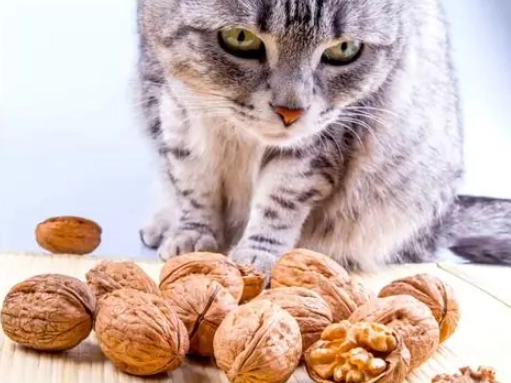
Quick Takeaway: Walnuts, especially black walnuts and moldy walnuts, pose serious health risks to cats including gastrointestinal upset, potential toxicity, and life-threatening blockages. They are not a safe treat.
Why are we so adamant about this? It's not just us being fussy pet parents. There are several concrete, science-backed reasons that make walnuts a bad choice for our feline friends. And it goes beyond the simple "cats are carnivores" fact (which is true, by the way). We're talking about specific compounds and physical dangers that lurk inside that seemingly harmless nut. This article is going to walk you through every single one of those reasons. We'll also cover exactly what to do if the worst happens and your cat manages to snag one, and we'll give you a whole list of actually safe alternatives that will make your cat just as happy. So, let's dive in and unpack the real question: Is it okay for cats to eat walnuts?
The Core Problem: Why Walnuts and Cats Don't Mix
To understand the danger, you need to look at what's in a walnut and how a cat's body is wired. They're built for meat, not for digesting complex plant matter and certainly not for handling some of the stuff found in nuts.
1. The High Fat Content – A Silent Threat
Walnuts are packed with fats. Healthy fats for us, but a digestive nightmare for cats. Their systems aren't designed to process large amounts of fat from plant sources. If your cat eats even a small amount of walnut, the high fat content can lead to pancreatitis.
Pancreatitis is the inflammation of the pancreas, and in cats, it can be acute, severe, and sometimes fatal. Symptoms include vomiting, severe lethargy, abdominal pain (your cat might hunch up or not want to be touched), and loss of appetite. It's a serious condition that requires immediate veterinary care. I always think of it this way: giving your cat a rich, fatty walnut is like feeding them a super-sized, greasy burger—their system just can't handle it.
2. The Risk of Mold and Juglone Toxicity
This is where it gets particularly dangerous. Walnuts, especially if they're old, stored improperly, or found outside (like black walnuts), can develop mold. This mold produces toxins called mycotoxins, specifically tremorgenic mycotoxins. These can cause severe neurological symptoms in cats, including tremors, seizures, and even death.
Furthermore, black walnuts (a specific variety) contain a natural compound called juglone. While the level of juglone in the nut meat itself is debated, the hulls and shells are definitely toxic. The ASPCA Animal Poison Control Center lists black walnut hulls as a concern. If a cat chews on a moldy walnut or one with hull debris, the risk multiplies. It's a hidden danger you might not even see.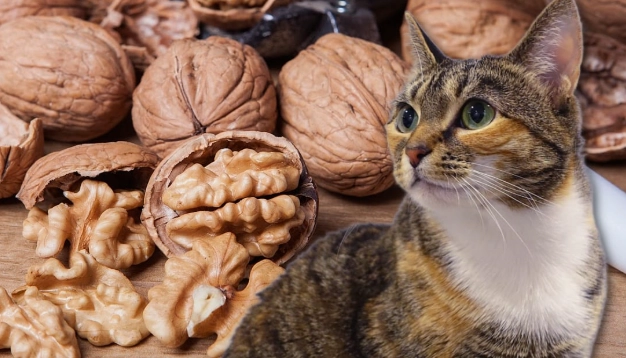
Personal Note: I remember a reader once emailed me about their cat who got into a bag of old walnuts stored in the garage. The cat wasn't interested in the fresh ones in the kitchen, but the slightly off ones in the garage somehow smelled intriguing. It led to a scary night at the emergency vet. It just goes to show, you can't be too careful with where you store these things.
3. Choking and Intestinal Blockage – A Physical Hazard
We often forget about the simple physics of it. Cats don't chew their food like we do; they tend to swallow chunks. A piece of walnut, or worse, a small whole walnut, is a perfect choking hazard. Even if swallowed, it can cause a gastrointestinal obstruction.
An obstruction is a veterinary emergency. The walnut piece can get lodged in the esophagus, stomach, or intestines, preventing anything else from passing. Symptoms include repeated vomiting (sometimes projectile), inability to keep water down, abdominal pain and swelling, and constipation. Surgery is often required to remove the blockage. Is a tiny treat worth that risk? Absolutely not.
4. Seasonings and Additives: The Hidden Culprits
Let's be real—most of the walnuts we have at home aren't plain. They're salted, honey-roasted, or covered in some kind of seasoning. Salt is toxic to cats in high amounts, leading to sodium ion poisoning. Garlic and onion powder, common in seasoned nuts, are extremely toxic to cats, damaging their red blood cells and causing anemia. Even sugar and artificial sweeteners like xylitol (though less common in walnuts, it's in many human snacks) are dangerous.
So, when you're asking, "Is it okay for cats to eat walnuts?", you're rarely talking about a pure, raw, unsalted nut. You're usually talking about a human snack that's been doctored up with things that are actively poisonous to cats.
Breaking It Down: A Quick-Reference Table on Nuts and Cats
Since we're talking about walnuts, you might be curious about other nuts. Here's a blunt look. Remember, "not toxic" does NOT mean "recommended." All nuts are high-fat choking hazards.
| Nut Type | Toxicity Level for Cats | Primary Risks | Verdict |
|---|---|---|---|
| Walnuts (English, Black) | Moderate to High | Mold toxins (mycotoxins), juglone (black walnut), high fat, obstruction. | STRICTLY UNSAFE |
| Macadamia Nuts | High | Unknown toxin causes weakness, vomiting, tremors, hyperthermia. | STRICTLY UNSAFE |
| Almonds, Cashews, Pistachios | Low (inherently) | High fat (pancreatitis), salt, seasonings, oils, choking, obstruction. | AVOID. Not toxic but very risky. |
| Peanuts (technically legumes) | Low (inherently) | High fat, mold risk (aflatoxin), salt, choking. Peanut butter often has xylitol. | AVOID. Rare, plain, unsalted peanut is *maybe* okay, but why risk it? |
See a pattern? The best practice is to keep all nuts out of paw's reach. There's simply no nutritional benefit for your cat that justifies the potential downsides. Their perfect treat isn't found in the nut bowl.
"But My Cat Ate a Walnut!" – Immediate Action Steps
Okay, stay calm. Accidents happen. Cats are ninjas. If you suspect or know your cat has eaten any part of a walnut, here's exactly what you should do, in order:
- Don't Panic, But Act Quickly. Your cat will pick up on your stress. Take a deep breath and assess the situation.
- Identify the Culprit. Try to figure out how much they ate, what type of walnut (plain, salted, moldy?), and if they ate the shell. This info is crucial for your vet.
- Do NOT Induce Vomiting. Unless explicitly instructed by a veterinarian or animal poison control expert. Inducing vomiting at home can cause aspiration (inhaling vomit into the lungs), which is deadly.
- Call for Expert Help Immediately. This is non-negotiable. Have your vet's emergency number ready. Even better, call the ASPCA Animal Poison Control Center (888-426-4435) or the Pet Poison Helpline (855-764-7661). Yes, there may be a consultation fee, but it's worth every penny for their expert, immediate guidance. They have a vast database of toxins and can tell you exactly what to watch for and if you need to rush to the vet.
- Follow Professional Instructions. They may tell you to monitor at home or go straight to the emergency clinic. Follow their advice.
What will the vet do? It depends. They might induce vomiting professionally, give activated charcoal to bind any toxins, provide IV fluids for support, run blood tests, or take X-rays to check for blockages. The key is getting professional help fast.
What About Walnut Oil or Walnut Butter?
This is a logical follow-up question. If the nut itself is bad, what about its processed forms? The answer remains the same: avoid them.
Walnut oil is pure fat—a direct ticket to potential pancreatitis and digestive upset. It offers zero nutritional value for your cat. Walnut butter, unless it's 100% pure with absolutely nothing else added (which is rare), will contain the nut's fats and risks, plus it's often even more concentrated. The choking risk is lower, but the toxicity and fat risks remain. It's just not a good idea. When you're evaluating any walnut product, asking "Is it okay for cats to eat walnuts?" should extend to all its derivatives. The core issues don't magically disappear.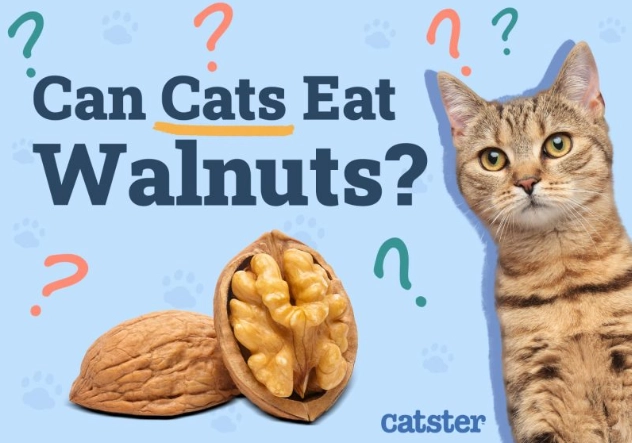
Safe and Purr-fect Alternatives to Walnuts
I get it. You want to treat your cat, to share something special. That's a wonderful part of being a pet parent! The good news is there are fantastic, safe, and healthy alternatives that cats genuinely love. These are treats that align with their biology.
- Commercial Cat Treats: The obvious choice. They are formulated to be nutritionally appropriate, low in calories, and come in flavors cats adore (chicken, salmon, etc.). Look for ones with high protein and minimal fillers.
- Plain Cooked Meat: A tiny piece of plain, cooked chicken, turkey, or fish (ensure no bones, skin, or seasoning) is like caviar to a cat. It's species-appropriate and high in protein. My cat would sell my soul for a bit of shredded chicken.
- Freeze-Dried Meat Treats: These are just single-ingredient meat (like chicken breast or salmon) with the moisture removed. They're crunchy, highly palatable, and as natural as it gets.
- Catnip or Silver Vine: For many cats, this is the ultimate "treat." It's a safe herb that can induce a happy, playful, or relaxed state. Not all cats react, but for those that do, it's pure joy.
- Plain, Cooked Pumpkin Purée (not pie filling): A teaspoon can be a good source of fiber, which can aid with hairballs and digestion. It's an odd one, but some cats really like it.
Treat Rule of Thumb: Treats should never make up more than 10% of your cat's daily caloric intake. The bulk of their nutrition must come from a complete and balanced cat food. Over-treating, even with safe foods, leads to obesity.
Your Burning Questions, Answered (FAQ)
Let's tackle some of the specific questions that might still be swirling in your head. These are the things people search for after the main question.
What if my cat just licked a walnut?
A single lick is very unlikely to cause harm, as the amount ingested is minuscule. However, wipe their mouth gently with a damp cloth to remove any residue. Watch for any signs of drooling, vomiting, or unusual behavior over the next 12-24 hours. If you see anything odd, call your vet. The risk here is very low, but monitoring is wise.
Are walnut shells dangerous?
Yes, possibly even more so than the nut meat itself. Shells are a major choking and obstruction hazard. They are hard, sharp, and can splinter, causing internal damage or blockages. If your cat is a chewer and gnaws on a shell, pieces can break off and be swallowed. Black walnut shells may also contain higher concentrations of juglone. Always clean up shells immediately and dispose of them where your cat can't access them.
My cat ate a walnut a week ago and seems fine. Are they in the clear?
Most likely, yes. Acute reactions like gastrointestinal upset or pancreatitis would typically occur within 12-48 hours. If it's been a week with no symptoms (normal eating, drinking, litter box habits, energy levels), your cat probably passed it without issue. However, this is a good reminder to be more vigilant in the future. Consider it a lucky escape, not permission to repeat the experiment.
What are the specific symptoms of walnut poisoning in cats?
Watch for a combination of these signs, which can appear within a few hours: Vomiting, Diarrhea, Abdominal pain or tenderness (hunched posture), Lethargy/weakness, Loss of appetite, Drooling, Tremors or seizures (from mold toxins), Difficulty breathing (if choking or allergic reaction). Any of these symptoms, especially after known ingestion, warrant an immediate call to your vet.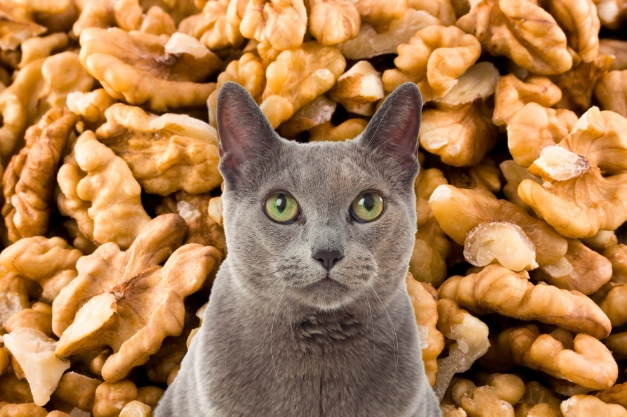
Where can I find definitive, vet-backed information on cat toxins?
Bookmark these sites. They are my go-to resources and are far more reliable than forum anecdotes:
- ASPCA Animal Poison Control Center
- Pet Poison Helpline
- VCA Animal Hospitals' Know Your Pet Library
These organizations provide peer-reviewed, veterinary-sourced information.
Wrapping It Up: The Final Word on Cats and Walnuts
Look, I know it can feel like we're being overly protective sometimes. The internet is full of stories about "my cat ate this and was fine." But here's the thing—for every one of those stories, there's a silent one that ended in a heartbreaking vet visit. When it comes to our pets, we have to be their advocates and make decisions based on risk, not luck.
So, to circle back to the question that brought you here: Is it okay for cats to eat walnuts? The evidence-based, veterinary-informed answer is a clear and resounding no. The combination of high fat, potential mold toxicity, choking hazards, and dangerous additives creates a risk profile that has zero upside for your cat's health.
Your cat's love and trust are built on you keeping them safe. You can do that perfectly by keeping the walnut bowl for yourself and offering them a treat that's actually made for them. They'll love you just as much for it—probably more, because they won't end up feeling sick. Stick to the cat treats and the cooked chicken, and you'll both sleep easier at night.


Leave a comment