Your Quick Guide to Fish Oil Benefits
- Beyond a Shiny Coat: The Real-World Benefits of Fish Oil for Cats
- Choosing the Right Source: Not All Fish Oils Are Created Equal
- Fish Oil Cat Food vs. Supplements: Which Path is Better?
- What to Look For (and Avoid) on the Label
- Answering Your Top Questions About Fish Oil for Cats
- Wrapping It Up: Making an Informed Choice for Your Cat
Let's be honest. When you're standing in the pet food aisle, staring at bags with words like "omega-rich" and "with salmon oil," it's easy to feel a bit lost. Is it just marketing fluff, or are there real, tangible fish oil cat food benefits we should care about?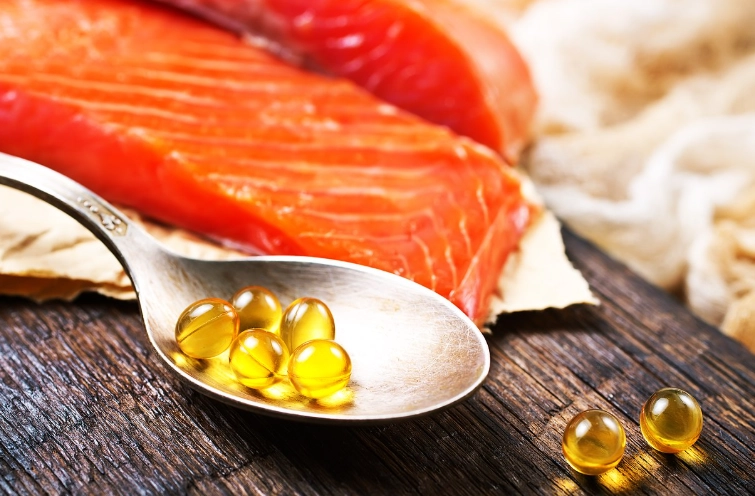
I've been down that aisle more times than I can count, both as a cat owner and from talking to vets. My own cat, a fluffy fellow named Mochi, went through a phase of having a dull coat and dandruff that drove me nuts. Switching his food made a visible difference, and it got me digging into the science behind fish oil cat food benefits. Turns out, it's not just hype.
The core of the matter is omega-3 fatty acids, specifically EPA and DHA. Cats, being obligate carnivores, actually have a pretty limited ability to convert plant-based omega-3s (like flaxseed) into the forms they can use. That's why the marine-sourced ones from fish oil are so crucial. They're ready-to-use building blocks for your cat's body.
Quick Science Bit: Fish oil is rich in long-chain omega-3 polyunsaturated fatty acids (PUFAs). The two rockstars are Eicosapentaenoic Acid (EPA) and Docosahexaenoic Acid (DHA). These aren't just "good fats"; they're active components that help manage inflammation at a cellular level, which is at the root of many health issues.
But what does that actually mean for your cat's day-to-day life? Let's move past the jargon and break it down.
Beyond a Shiny Coat: The Real-World Benefits of Fish Oil for Cats
Everyone talks about a shiny coat, and sure, that's a nice bonus. But the benefits of omega 3 for cats run much deeper. We're talking about systemic support for some of their most important systems.
Skin & Coat Health: The Most Obvious Win
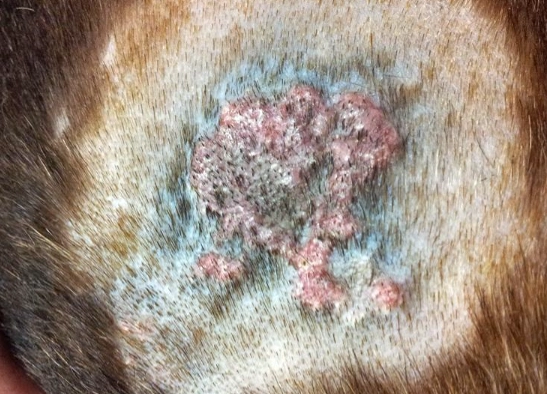
This is where most people first notice a change. Omega-3s are integral to the skin's lipid barrier. Think of it as the mortar between the bricks of skin cells. When it's strong, it keeps moisture in and irritants out.
- Reduces Itching and Flaking: By calming underlying inflammation, fish oil can significantly reduce the itch-scratch cycle in cats with allergies or dry skin. Mochi's dandruff cleared up within a few weeks.
- Promotes Hair Growth and Shine: A healthier skin environment means stronger hair follicles and a coat that reflects light better (that's the "shine"). It feels softer, too.
- Manages Seasonal Shedding: While all cats shed, a diet rich in essential fatty acids can lead to less "blow-out" shedding and a healthier regrowth cycle. Less fur on your black pants is always a win.
It's not magic. It's nutrition.
Joint Mobility and Comfort: For the Couch Panthers and Leapers Alike
This one is huge, especially for senior cats or larger breeds prone to arthritis. Inflammation in the joints is a primary cause of pain and stiffness. EPA and DHA are potent, natural anti-inflammatories.
A cat with creaky joints might stop jumping onto their favorite perch, become less playful, or even have litter box accidents if it's painful to step over the rim. The anti-inflammatory action of fish oil can help ease that discomfort, supporting cartilage health and joint fluid. It's about maintaining their quality of life and keeping them agile. You're not just buying cat food; you're buying their ability to leap onto the windowsill to watch birds.
My Observation: I've seen this with a friend's 12-year-old cat. After starting a diet formulated for joint health (which prominently featured fish oil), the cat went back to taking running leaps onto the bed. The difference wasn't overnight, but over a couple of months, it was undeniable. It's one of the most compelling long-term fish oil cat food benefits.
Brain and Cognitive Function: Supporting the Kitty Mind
DHA is a major structural component of the brain. It's vital for brain development in kittens and for maintaining cognitive function in older cats. As cats age, some can experience a decline in mental sharpness—what we might call "feline cognitive dysfunction."
Signs can be subtle: disorientation, changes in sleep-wake cycles, altered interactions, or forgetting litter box training. While fish oil isn't a cure, providing a steady supply of DHA is thought to support brain cell health and communication. It's like giving their brain the high-quality fuel it was designed to run on. For a deep dive into feline cognitive health, the American Animal Hospital Association (AAHA) provides excellent resources for pet owners.
Heart and Kidney Health: The Internal Support System
The benefits go even deeper. Omega-3s have been studied for their positive effects on heart muscle function and helping to manage blood pressure. For kidneys, which are a common concern in aging cats, the anti-inflammatory properties may help reduce stress on these vital filtering organs. While diet is just one piece of the puzzle for managing chronic conditions, it's a foundational one. Always work with your vet on a plan, but know that the food you choose plays a key role. The American Veterinary Medical Association (AVMA) emphasizes the importance of nutritional management as part of overall veterinary care.
I know, it sounds almost too good to be true—one ingredient helping with so many things. But that's the nature of foundational nutrition. When you provide a key building block the body is lacking, it uses it everywhere it's needed.
Choosing the Right Source: Not All Fish Oils Are Created Equal
Okay, so you're convinced about the fish oil cat food benefits. Now, how do you make sure you're actually getting them? The source and quality matter immensely.
First, look at the ingredient list. "Fish oil" is good. "Salmon oil," "sardine oil," "menhaden oil," or "anchovy oil" are often even better because they tend to be more specific and sustainable. Oils from smaller, cold-water fish are generally richer in EPA and DHA and have lower risks of heavy metal accumulation.
A Word of Caution: Be wary of vague terms like "omega fatty acid blend" or just "animal fat." This could be a cheaper, less effective source. You want the marine-sourced stuff for those direct EPA and DHA benefits.
Here's a quick comparison of common fish oil sources you might see in cat food:

| Source | Typical EPA/DHA Content | Sustainability Note | Commonly Found In |
|---|---|---|---|
| Salmon Oil | High in both EPA & DHA | Varies; look for certified sustainable (MSC) | Premium foods, often as a "flavor" oil coating |
| Menhaden Oil | Very High | Considered one of the most sustainable U.S. fisheries | Many high-quality dry and wet foods |
| Sardine/Anchovy Oil | High | Generally sustainable due to short life cycles | Limited ingredient diets, premium brands |
| Generic "Fish Oil" | Can vary widely | Source is unknown; may be by-product | More economical food lines |
Another factor is preservation. Omega-3s are fragile and can oxidize (go rancid), which not only destroys their benefits but can create harmful free radicals. Reputable brands use natural preservatives like mixed tocopherols (a form of vitamin E) to protect the oil. This is why storing cat food in a cool, dark place and using it before its best-by date is crucial.
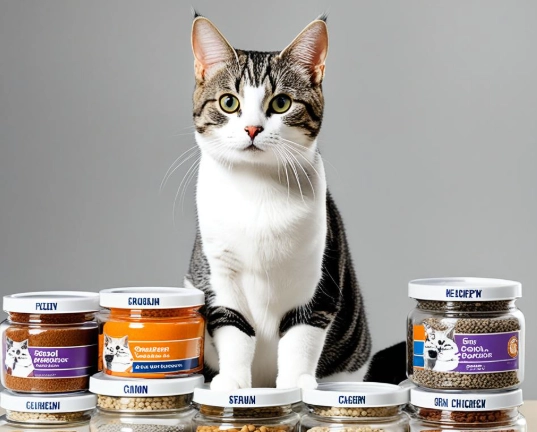
So, is the best fish oil cat food the most expensive one? Not necessarily. But the cheapest option on the shelf is often cheap for a reason. You're paying for sourcing, quality control, and proper preservation.
Fish Oil Cat Food vs. Supplements: Which Path is Better?
This is a common dilemma. Should you buy a regular food and add a fish oil supplement, or just get a food that already has it integrated?
Think about it. When fish oil is part of the food formulation, it's:
- Pre-measured: You don't have to worry about dosing. The amount is balanced for the calorie content of the food.
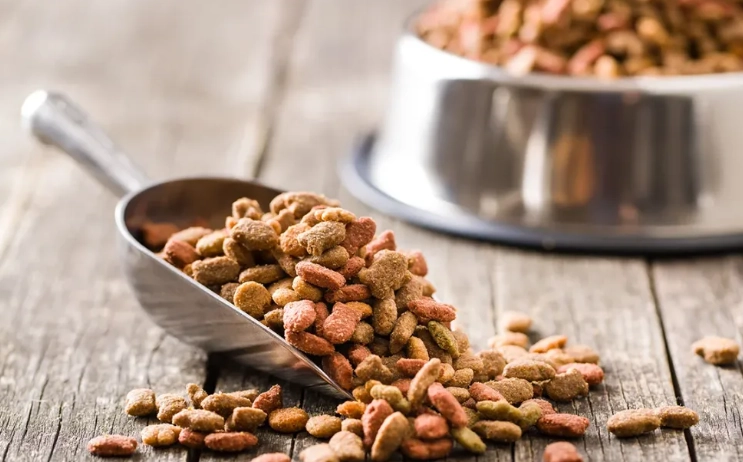
- Protected: It's mixed into the kibble or pâté and often protected from air and light better than a bottle of liquid oil.
- Consistent: Your cat gets the same amount every single day, with every meal.
- Palatable: Good pet food companies are experts at making nutrients taste good. Trying to syringe liquid oil onto your cat's food can be a battle, and some cats will outright refuse the tainted meal.
That said, supplements have their place. If your cat is on a specific veterinary therapeutic diet that doesn't have high omega-3 levels, or if they have a medical condition requiring a higher therapeutic dose than food can provide, your vet might recommend a supplement. In those cases, they'll guide you on a specific product and dose. The FDA's Center for Veterinary Medicine offers guidance on understanding medications and supplements for pets.
But for the average healthy cat? Starting with a quality food that lists a good fish oil source within the first 5-10 ingredients is a fantastic foundation.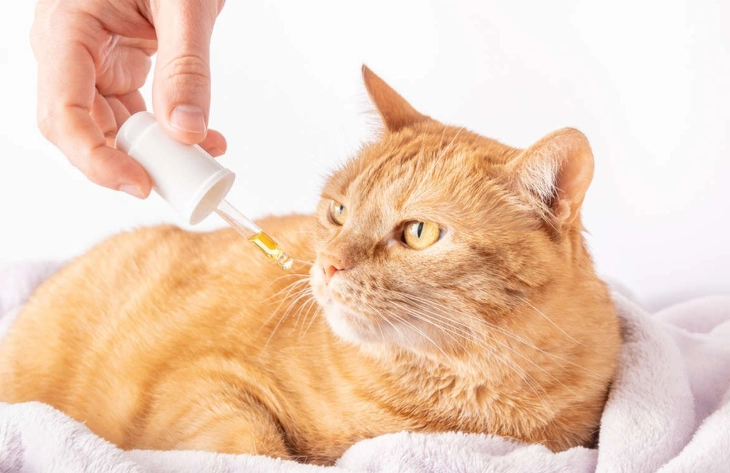
What to Look For (and Avoid) on the Label
Let's translate this into actionable shopping advice. Here’s your quick checklist when evaluating a food for its fish oil cat food benefits.
The Green Flags:
- A named fish oil (salmon, menhaden, sardine) in the ingredient list.
- It's listed relatively high up, not at the very end.
- The food mentions omega-3 fatty acids, EPA, or DHA in the nutritional adequacy statement or guaranteed analysis.
- Natural preservatives like mixed tocopherols, rosemary extract, or citric acid.
- A "best by" date that's well in the future.
The Red Flags:
- Vague terms like "animal fat" or "omega fatty acid blend" without specifying a marine source.
- Artificial preservatives like BHA, BHT, or ethoxyquin (though ethoxyquin is rare now).
- A strong, unpleasant, or "fishy" smell from a dry food bag—this can indicate oxidation.
- Promises that seem over-the-top, like "cures arthritis!". It supports, it doesn't cure.
My personal rule of thumb? I avoid any bag that feels greasy on the outside. That can be a sign of fat separation and poor stability.
Answering Your Top Questions About Fish Oil for Cats
Wrapping It Up: Making an Informed Choice for Your Cat
At the end of the day, choosing a cat food is one of the most significant things you do for your pet's long-term health. Understanding the fish oil cat food benefits empowers you to make a better choice.
It's not about chasing a miracle ingredient but about providing complete, species-appropriate nutrition. Omega-3 fatty acids from fish oil are a key piece of that puzzle for many cats. They offer a natural way to support inflammation management, which touches nearly every system in the body—from the skin and joints to the brain and kidneys.
Don't get overwhelmed. Start by looking at the food you're currently feeding. Check the ingredient list. Is there a named fish oil? If not, maybe it's time to explore other options. When you're comparing, use the label-reading tips we discussed. Talk to your veterinarian at your next check-up; they know your cat's specific health profile.
The goal isn't perfection. It's making a more informed, slightly better decision than you did yesterday. Your cat's vitality, their shiny coat, their playful leaps in their senior years—that's the real payoff for understanding what's in their bowl. And honestly, seeing Mochi comfortable in his own skin (literally) and full of life is worth every bit of research.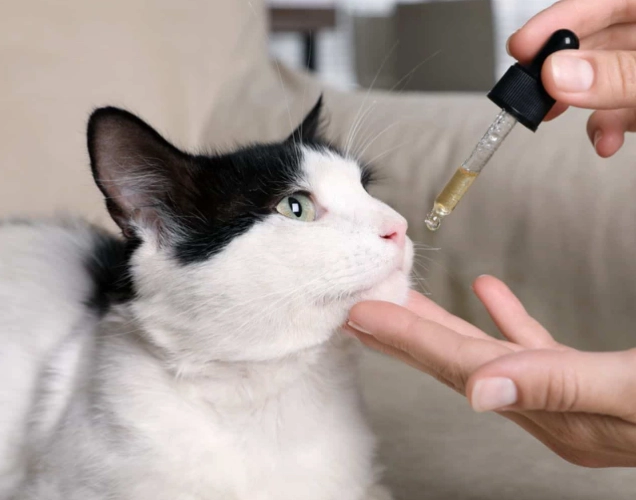

Leave a comment