You're standing in the pet food aisle, holding a bag of kibble in one hand and a can of pate in the other. Your cat is at home, probably judging you in advance for whatever you pick. Dry food or wet food? It feels like a major life decision. I've been there. After fostering dozens of cats and dealing with everything from urinary blockages to feline diabetes, I've learned this choice isn't about good vs. evil. It's about understanding what each option truly offers and, more importantly, what your specific cat needs right now.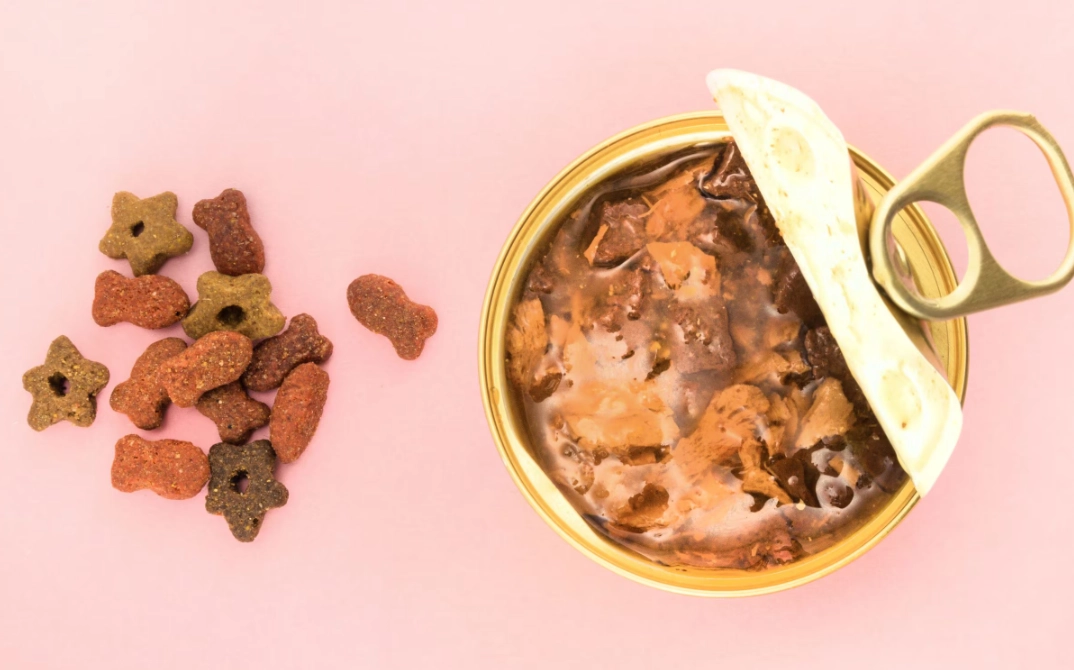
Here's what you'll learn
- The One Thing That Changes Everything (It's Not Just Water)
- Dry Cat Food: The Convenience Champion with Hidden Costs
- Wet Cat Food: The Hydration Hero That Demands More
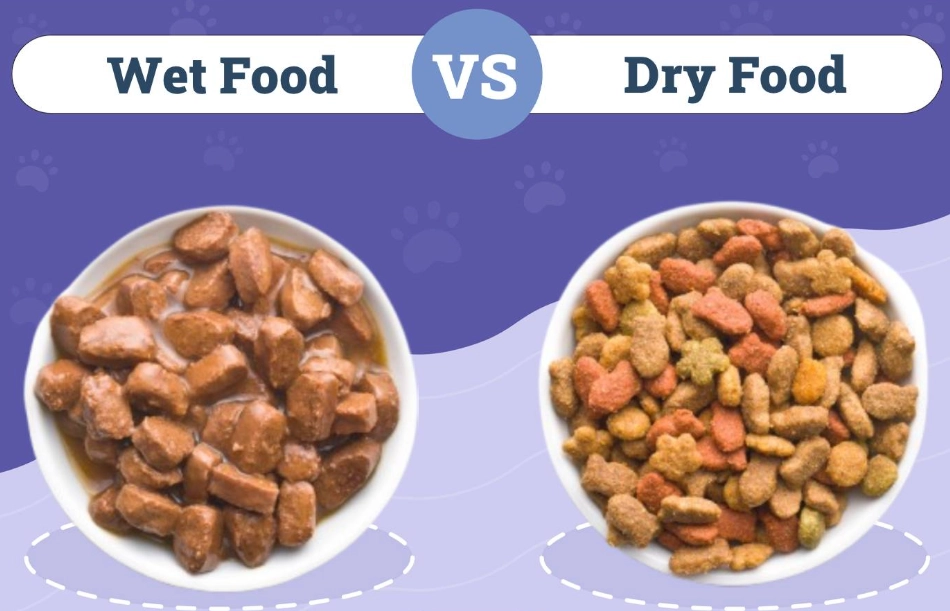
- Dry vs Wet Food: A Side-by-Side Reality Check
- How to Choose: A Framework, Not a Rulebook
- The Art of Mixing Dry and Wet Food (Without Creating a Mess)
- Your Top Questions, Answered Honestly
The Core Difference Isn't What You Think
Everyone says it's about moisture. Wet food has it (around 75-80%), dry food doesn't (about 10%). That's true, but it's just the surface. The real shift is in how these foods are processed and what that means for your cat's body.
Dry food (kibble) is made through extrusion. Ingredients are mixed, cooked under high heat and pressure, and pushed through a die to get that shape. This process requires high starch content to bind everything. That's why even grain-free kibble often uses potatoes or peas—it needs that binder.
Wet food is sterilized in the can or pouch. It's cooked, but the process is different. It doesn't need those starchy binders in the same way. The result? Wet food is typically much higher in protein and fat as a percentage of its dry matter, and lower in carbohydrates.
Think of it like this: dry food is a concentrated, shelf-stable calorie brick. Wet food is a moisture-rich, biologically closer meal.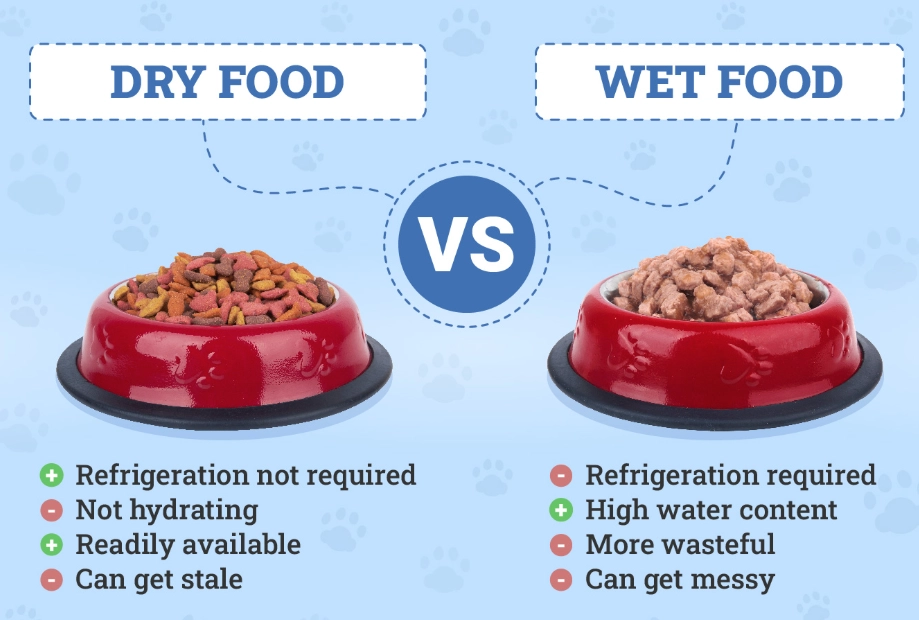
A quick note on "dry matter basis": This is how vens compare foods fairly. You remove the water to see what's left. A wet food that's 10% protein on the label might be 50% protein on a dry matter basis—often higher than kibble. Don't just compare the numbers on the can and bag directly.
Dry Cat Food: The Good, The Bad, and The Crunchy
Why People (and Some Cats) Love Kibble
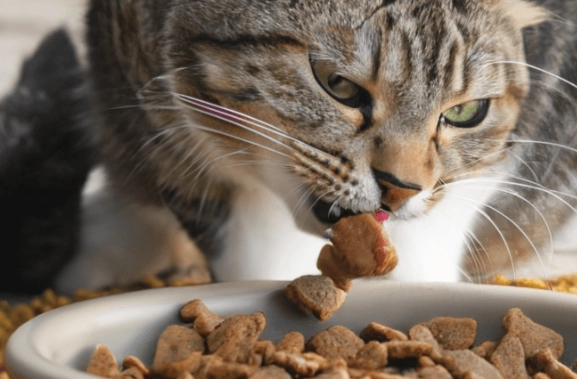
Convenience is king. You can leave it out for free-feeding without it spoiling. It's easy to measure, store, and often less messy. For multi-cat households or busy schedules, this is a huge plus.
Cost-effective upfront. Per calorie, dry food is usually cheaper. A big bag lasts longer than a case of cans.
Dental health myth... mostly. The idea that kibble cleans teeth is overstated. Cats are carnivores; they shear and swallow, not grind. Some dental-specific kibbles are designed to be larger and encourage chewing, but for general tartar control, it's minimal. Don't buy a food solely for this claim.
The Downsides You Can't Ignore
Low moisture content. This is the big one. Cats have a low thirst drive, a legacy of their desert-dwelling ancestors. Relying on them to drink enough water to compensate for a dry diet is risky. Chronic, low-grade dehydration is a silent contributor to urinary tract diseases (like crystals and stones, especially in males) and may stress the kidneys over time.
Carbohydrate density. To make that kibble shape, you need carbs. Many cats handle this fine, but for others, it can lead to weight gain, blood sugar spikes, and is a poor choice for diabetic cats. The carbohydrate level in even a "good" kibble is astronomically higher than what a mouse (a cat's natural prey) contains.
Palatability through coating. How do they make kibble so tasty? It's often sprayed with digest or fat after cooking. This coating can go rancid if the food is stored too long, and it's what makes the food addictive.
Wet Cat Food: The Hydration Powerhouse
The Compelling Benefits
Hydration, hydration, hydration. Feeding wet food is like your cat drinking a glass of water with every meal. This is its single greatest advantage. It supports urinary tract health, helps kidney function, and can make your cat feel more satiated.
Higher protein, lower carbs. The macronutrient profile is often closer to a cat's natural diet. This can help maintain lean muscle mass and may be better for weight management—cats feel full on fewer calories because of the protein and water content.
Fewer calories per gram. Because it's mostly water, your cat can eat a larger volume for the same calorie intake, which can satisfy their psychological need to eat.
The Practical Challenges
Cost and storage. It's more expensive per meal. You also can't leave it out; it spoils within 30 minutes to an hour. This means scheduled feedings, which is actually healthier but requires more routine.
Dental plaque. The soft texture doesn't provide any abrasive action. If you feed exclusively wet food, you need to be more diligent about dental care (brushing, dental treats approved by your vet).
Mess and pickiness. Some cats are texture-phobic. They might lick the gravy and leave the chunks, or turn their nose up at pate. You might go through a few brands and types to find one they love.
Dry Food vs Wet Food: A Side-by-Side Reality Check
| Factor | Dry Food (Kibble) | Wet Food (Canned/Pouched) |
|---|---|---|
| Moisture Content | ~10% (Very Low) | ~75-80% (Very High) |
| Typical Carbohydrates (Dry Matter Basis) | 30-50%+ | 5-20% |
| Cost (Per Calorie) | Generally Lower | Generally Higher |
| Convenience & Storage | High. Can free-feed, long shelf life. | Low. Scheduled meals, spoils quickly. |
| Dental Impact | Minimal cleaning effect. Some dental diets are effective. | No cleaning effect. Requires separate dental care. |
| Best For... | Convenience, multi-cat grazing, cost-conscious owners with hydrated cats. | Cats with urinary/kidney issues, diabetics, weight management, low thirst drive. |
How to Choose: Listen to Your Cat (And Your Vet)
There's no single right answer for every cat. I use this framework with every new foster.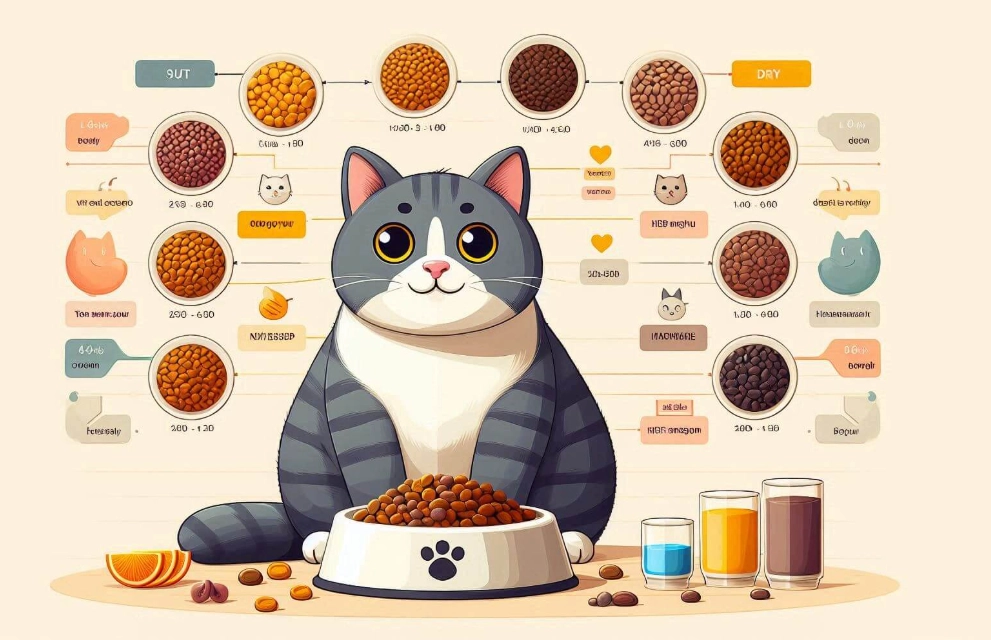
Start with health status. This overrides everything.
- Urinary Issues (History of crystals, FLUTD): Wet food is strongly preferred. The moisture dilutes the urine.
- Chronic Kidney Disease (CKD): Wet food is critical. Hydration is the number one supportive therapy.
- Diabetes: A low-carb, high-protein wet food is often part of the management plan. Dry food, especially high-carb, can wreak havoc on blood sugar.
- Dental Disease: If teeth are painful, soft wet food is necessary. But for prevention, neither food is a substitute for brushing.
- Obesity: Wet food can help with weight loss due to its lower calorie density and satiating effect. Portion control is easier with both, but cats feel fuller on wet.
Consider your cat's habits. Is she a big water drinker with a fountain? Maybe she does okay on dry. Does she only touch the water bowl twice a day? She needs the moisture from wet food.
Be honest about your lifestyle. If you work 12-hour shifts, leaving out a measured amount of dry food might be safer than leaving wet food to spoil. The best diet is the one you can consistently provide.
The Hybrid Approach: Why Mixing Dry and Wet Food Might Be the Sweet Spot
This is where I've landed for most of my cats. You get benefits from both worlds.
- Hydration + Convenience: Provide wet food for scheduled meals (breakfast/dinner) for the moisture and protein boost. Leave out a small, measured amount of high-quality dry food for grazing and mental stimulation.
- Cost Management: Using wet food as the primary nutrition source but supplementing with dry can balance the budget.
- Palatability Insurance: If your cat gets bored or sick, having them accustomed to both textures gives you options.
How to mix successfully:
- Don't mix in the bowl for long periods. The wet food will make the kibble soggy and unappetizing.
- Feed separately. Wet food at set times (pick up after 30 min). Dry food available in a puzzle feeder or slow-feeder bowl to prevent gulping.
- Calculate total calories. This is the tricky part. Your vet can help. You need to know the calories in a cup of kibble and a can of wet food, then split the daily total between them. Don't just free-feed dry on top of full wet meals—that's a recipe for weight gain.
Your Burning Questions on Dry Food vs Wet Food
 My senior cat has bad teeth. Should I switch her entirely to wet food?
So, dry food or wet food? Stop thinking of it as a binary choice. See it as a toolkit. Use dry food for convenience and mental enrichment. Use wet food as your primary tool for hydration and species-appropriate nutrition. Your cat's age, health, and personality will tell you which tools to use most. The goal isn't perfection. It's making a more informed choice today than you did yesterday, and being willing to adapt as your cat's needs change. Now, go give your cat a head scratch. You've earned it.

Leave a comment