Quick Navigation
Let's be honest, cleaning up dog diarrhea is nobody's idea of a good time. It's messy, it smells, and most of all, it makes you worry about your furry friend. I've been there more times than I'd like to admit with my own dogs over the years. That panicked feeling when you see the loose stool, the frantic Google searches at midnight—it's a whole experience. The good news is, most cases aren't a five-alarm fire and you can often figure out how to remedy dog diarrhea right at home. But knowing when to step in at home and when to pick up the phone and call the vet is the real trick. This guide is the one I wish I'd had years ago, pulling together vet advice, hard-earned experience, and the practical steps that actually work.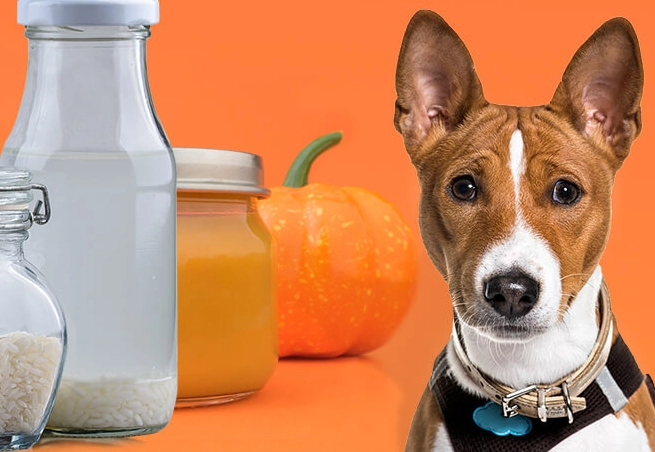
First thing's first. Diarrhea itself isn't a disease, it's a symptom. It's your dog's digestive system saying, "Hey, something's not right in here!" and flushing things out quickly. Sometimes that's a good, necessary reset. Other times, it's a sign of trouble. Your job is to play detective a little bit.
Why Does This Keep Happening? Common Causes of Dog Diarrhea
Before you can effectively learn how to remedy dog diarrhea, it helps to know what kicked it off in the first place. The causes range from "no big deal" to "serious issue," so let's break them down. Think of this as your checklist.
The Usual Suspects (Most Common Causes): These are the everyday culprits. Your dog scavenged something gross on their walk (my Labrador is a professional at this). A sudden change in food, even a new bag of the same brand, can do it. Too many rich treats or table scraps—hello, Thanksgiving turkey skin—is a classic. Even stress or excitement, like a boarding stay or a big family gathering, can upset their gut. These are typically one-off episodes.
Then you have the more persistent troublemakers. Food allergies or intolerances (chicken and beef are common triggers). Intestinal parasites like roundworms, giardia, or hookworms. Bacterial infections from contaminated water or food. Viral infections like parvovirus (especially serious in puppies). Inflammatory Bowel Disease (IBD). Or even issues with organs outside the gut, like pancreatitis or liver disease.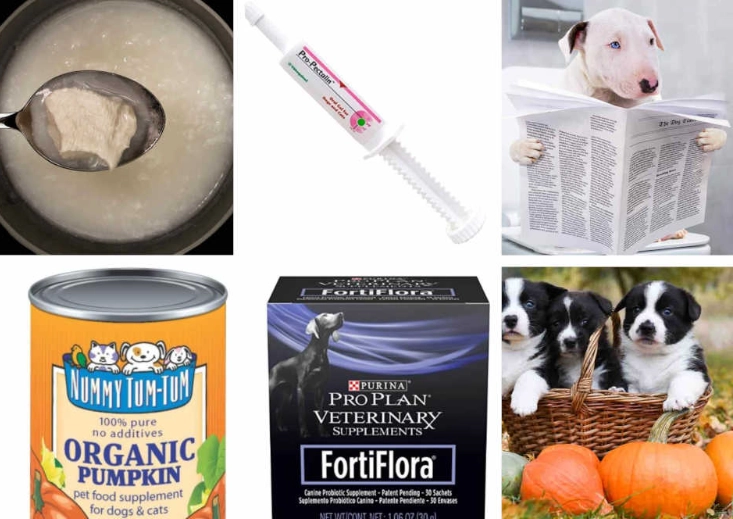
See what I mean? It's a long list. For a simple dietary indiscretion, home care is perfect. For something like parasites, you need a vet's help. The American Veterinary Medical Association (AVMA) has a great resource on internal parasites that's worth a look if you suspect worms.
Assessing the Situation: Can You Handle This at Home?
This is the most critical step. Look at your dog, not just the poop. I know, it sounds weird, but it's true.
If your dog is otherwise acting totally normal—bright-eyed, wagging tail, begging for food, playful—and it's just one or two episodes of simple loose stool, home treatment is usually a safe first step. This is the scenario where you actively look up how to treat dog diarrhea at home.
STOP. Call Your Vet NOW If You See Any of These "Red Flag" Symptoms: Don't even bother with home remedies here. These signs mean the problem is likely beyond a simple upset stomach and needs professional diagnosis.
- Blood in the diarrhea (bright red or dark, tarry black).
- Your dog is vomiting repeatedly and can't keep water down.
- The diarrhea is profuse and watery, happening every hour or two.
- Your dog seems lethargic, depressed, or in pain (whining, hunched posture).
- Their gums look pale, white, or very dark red.
- You suspect they ate something toxic (chocolate, xylitol, raisins, etc.).
- They have a bloated or painful abdomen.
- Your dog is a very young puppy, a very old dog, or has a pre-existing health condition like diabetes or kidney disease.
When in doubt, call your vet. It's always the safer move.
The Step-by-Step Plan: How to Remedy Dog Diarrhea at Home
Okay, so your dog checked out fine on the assessment—just an upset tummy. Here's the tried-and-true protocol vets recommend. It's boring, but boring is good for an irritated gut.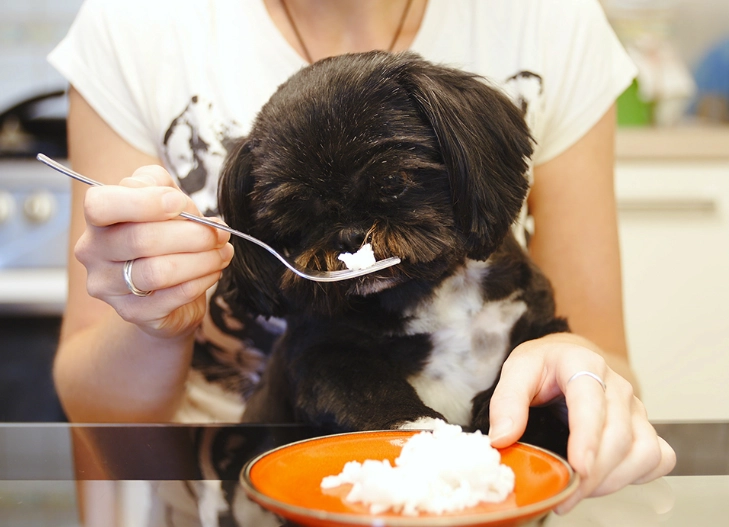
Step 1: The Strategic Fast (Withhold Food)
This is often the most misunderstood part. You're not starving your dog. You're giving their inflamed gastrointestinal tract a complete break from the work of digestion so it can start to heal. For most adult dogs, a 12 to 24-hour fast is appropriate. Always provide plenty of fresh water during this time. Crucial point: Do NOT fast a puppy under 6 months old, a very small toy breed, or a dog with blood sugar issues. For them, you'd skip right to the bland diet.
Step 2: The Bland Diet is Your Best Friend
After the fast, you reintroduce food with something super gentle. The classic combo is boiled white meat chicken (no skin, no bones) and plain white rice. The ratio is about 1:2 (one part chicken to two parts rice). Some dogs do better with plain boiled hamburger (drained of all fat) or low-fat cottage cheese. Personally, I've found plain, canned 100% pumpkin puree (NOT pumpkin pie filling) to be a miracle worker for firming things up. A tablespoon or two mixed into the bland food works wonders.
Pro Tip: Feed this bland diet in small, frequent meals. Instead of one big bowl, try four smaller meals spaced throughout the day. This puts less strain on the digestive system all at once.
Step 3: Don't Forget Hydration and Electrolytes
Diarrhea causes fluid and electrolyte loss. While water is essential, sometimes they need a little more. You can offer low-sodium chicken or beef broth (make sure it's onion and garlic-free). There are also veterinary-approved oral rehydration solutions you can get. If your dog isn't drinking much on their own, try offering ice cubes to lick. Dehydration sneaks up fast.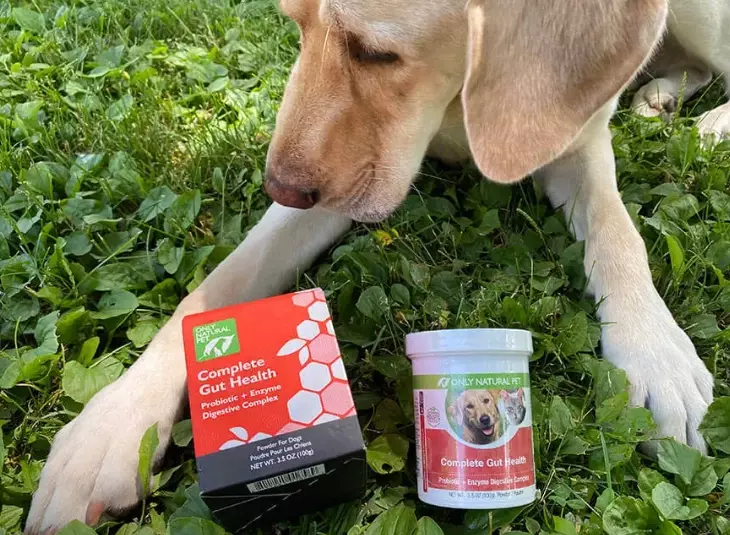
Step 4: The Probiotic Question
This is where modern pet care has really evolved. A good quality probiotic can help repopulate the gut with beneficial bacteria after the digestive turmoil. It's not a must for a single-day bout, but for recurrent issues or after a course of antibiotics, it can be a game-changer. Look for ones with multiple strains of bacteria and a high CFU count. I'm a bit skeptical of the super cheap ones you see everywhere—you often get what you pay for here.
Here’s a quick table to summarize the home care steps and their purpose. It’s the cheat sheet I keep on my fridge.
| Step | What to Do | Why It Helps | Important Notes |
|---|---|---|---|
| 1. Fast | Withhold food for 12-24 hrs. Provide water. | Gives the GI tract a rest to reduce inflammation. | Do not fast puppies, tiny breeds, or diabetic dogs. |
| 2. Bland Diet | Boiled chicken/rice or hamburger/rice. Small, frequent meals. | Easy to digest, binding, provides calories without irritation. | Use white rice, not brown. Ensure meat is lean and plain. |
| 3. Hydration | Fresh water always. Offer ice cubes or low-sodium broth. | Prevents dehydration, the biggest risk of diarrhea. | Watch for signs of dehydration: dry gums, loss of skin elasticity. |
| 4. Probiotics | Consider a vet-recommended probiotic supplement. | Restores healthy gut flora, may speed recovery. | Not an instant fix, but good for long-term gut health. |
When Home Care Isn't Enough: The Vet Visit
Let's say you tried the home dog diarrhea home remedy for 24-48 hours and there's no improvement, or things got worse. Time for professional help. Don't feel bad—this happens all the time. It just means the root cause needs specific treatment.
What will the vet do? They'll start with a thorough history (be ready to describe the poop—color, consistency, frequency) and a physical exam. They'll likely recommend diagnostic tests. A fecal exam to check for parasites is almost always first on the list. They might suggest blood work to check organ function and for signs of infection or inflammation. In some cases, x-rays or an ultrasound might be needed to look for blockages or other abnormalities.
Treatment depends entirely on the diagnosis. It could be as simple as a dewormer, a course of antibiotics for a bacterial infection, or a prescription for a highly digestible therapeutic diet. For severe dehydration, they may need to give fluids under the skin (subcutaneous) or through an IV. For conditions like IBD or pancreatitis, treatment is more complex and long-term.
Beyond the Bout: Preventing Future Episodes
Once your dog is back to normal, you don't want to go through this again next month. Prevention is way easier than treatment.
Dietary Discipline: Be consistent with their food. If you need to switch, do it gradually over 7-10 days by mixing the old and new. Be ruthless about not giving fatty table scraps or too many rich treats. Keep the trash can secure and be vigilant on walks to prevent scavenging.
Parasite Prevention: Keep your dog on a monthly heartworm preventive that also controls common intestinal parasites. It's one of the easiest wins for gut health. Regular fecal checks at the vet are smart, too.
Stress Management: If your dog gets stressed easily, work on creating a calm environment. Using calming supplements (like L-theanine or pheromone diffusers) during known stressful events can help. The American Animal Hospital Association (AAHA) guidelines also emphasize the role of overall wellness in disease prevention, which includes managing stress.
Know Their Normal: Pay attention to what's normal for your dog. How often do they usually go? What does their healthy stool look like? This baseline knowledge helps you spot a problem immediately.
Your Questions Answered: Dog Diarrhea FAQ
Can I give my dog over-the-counter human anti-diarrhea medicine?
Generally, NO. This is a big one. Medications like Imodium (loperamide) can be extremely dangerous for some dogs, especially certain breeds like Collies. It can also mask a serious problem and lead to toxic megacolon. Never give any human medication without explicit instruction from your veterinarian.
My dog has diarrhea but is acting fine. Should I still worry?
If it's a single episode and they are 100% normal otherwise, you can monitor. But if it continues for more than a day, or if it's very watery, a vet check is wise to rule out underlying issues. Acting fine is a good sign, but it doesn't always mean everything is fine internally.
How long does it take for a bland diet to work?
You should see significant improvement within 24-48 hours of starting the bland diet. If you don't, the problem might need more than just dietary management.
Is pumpkin really that good for dog diarrhea?
Yes, but it has to be the right kind. Plain canned pumpkin (not pie mix) is high in soluble fiber, which absorbs excess water in the digestive tract and can help add bulk to stool. It's a great, safe supplement. But it's a helper, not a cure for a serious issue.
What about yogurt as a probiotic?
Plain, unsweetened yogurt with live cultures can offer some probiotic benefit. But the bacterial strains are not always specific to a dog's gut, and the amount of active cultures is low compared to a quality canine probiotic supplement. It's okay as a minor addition, but don't rely on it as your primary treatment to remedy dog diarrhea.
Trust your gut. If something feels off, it probably is.
Figuring out how to remedy dog diarrhea is a blend of common sense, careful observation, and knowing your limits. Start with the basics: assess your dog, try the bland diet, and push fluids. But respect the red flags. Your vigilance and willingness to seek help when needed are what make you a great dog owner. Here's to fewer messes and more happy, healthy tail wags.

Leave a comment