Your dog stiffens, lowers its head over the bowl. A low growl rumbles when you walk by the couch. That treasured sock suddenly becomes a reason for bared teeth. If this sounds familiar, you're dealing with resource guarding—a common but potentially dangerous behavior where a dog protects valued items (food, toys, space) from perceived threats. The good news? With patience and the right approach, you can train your dog out of resource guarding. This isn't about dominance or showing who's boss; it's about changing your dog's emotional response from "They're going to take my stuff!" to "Great! When they come near my stuff, good things happen." I've worked with countless dogs on this issue, and the biggest mistake I see is owners trying to solve it by just taking things away, which only makes the problem worse. Let's fix that.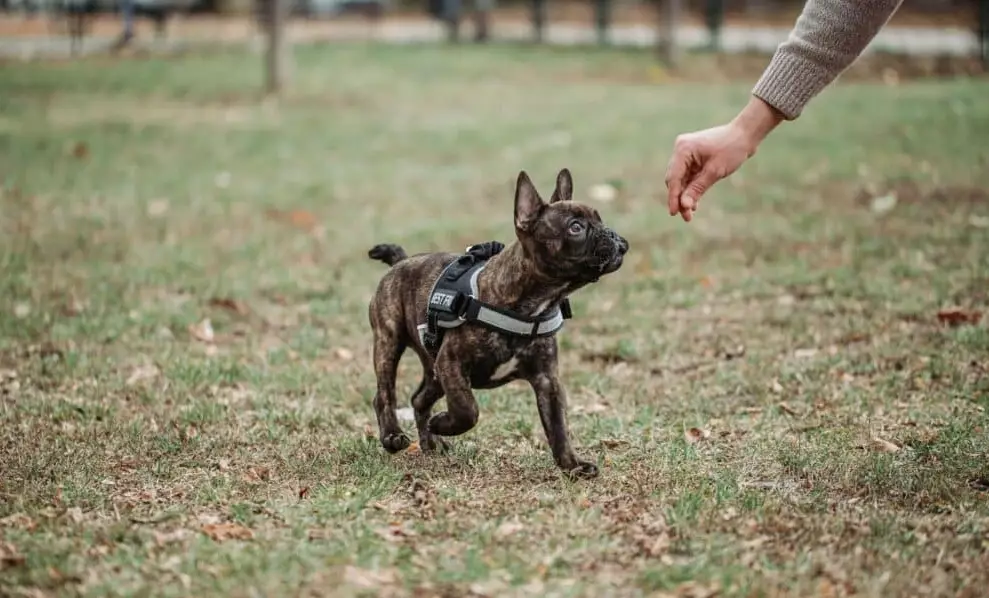
What You'll Learn in This Guide
- What Exactly Is Resource Guarding?
- Is Resource Guarding Normal?
- Safety First: What to Do Before You Start Training
- How to Train Your Dog Out of Resource Guarding: The Step-by-Step Protocol
- Common Training Mistakes You Must Avoid
- When Professional Help Is Non-Negotiable
- Your Resource Guarding Questions Answered
What Exactly Is Resource Guarding?
Resource guarding, or possession aggression, isn't a sign of a "bad" dog. It's a natural survival behavior. In the wild, keeping your food means living another day. Our domestic dogs have inherited this instinct. The "resource" can be anything: the obvious ones like a food bowl, a chew bone, or a stolen chicken breast. But it can also be a favorite resting spot (your bed, the couch), a person, or even something weird like a piece of fuzz or a used tissue.
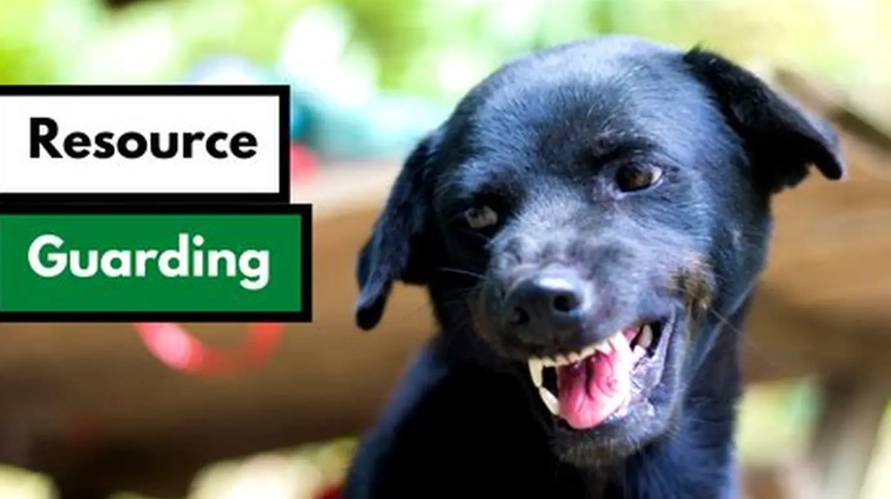
The behavior exists on a spectrum. On the mild end, your dog might just look tense, freeze, or eat faster. Moderate guarding includes obvious body language like a hard stare, lifted lip, or a low growl. Severe guarding involves snapping, lunging, or biting. The goal of training is to move your dog back down that spectrum to a point of comfort and safety.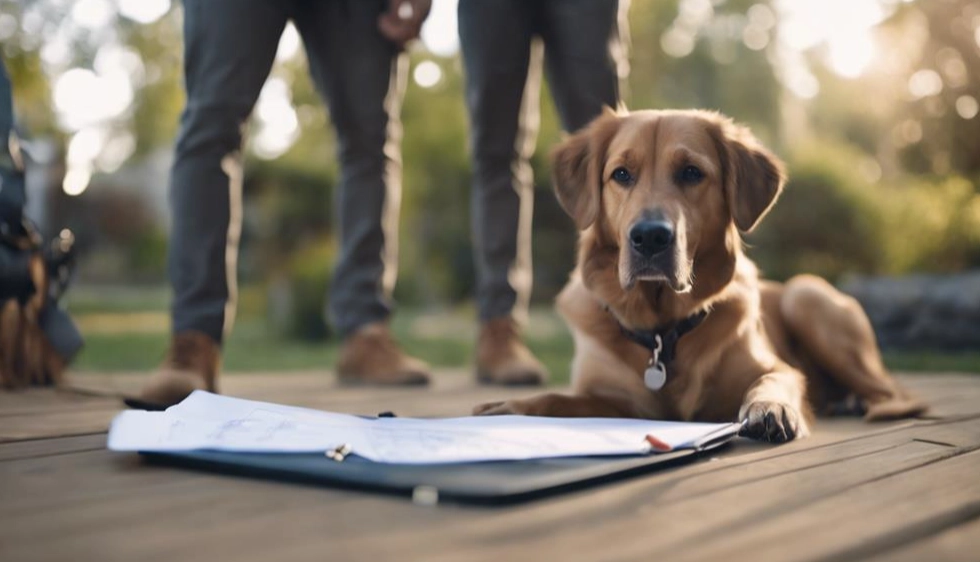
Key Insight: The dog isn't guarding the object from you in a personal way. In that moment, you are just another creature approaching a valuable resource. Understanding this removes the emotional sting and lets you focus on the real task: changing the association.
Is Resource Guarding Normal?
Yes, in the sense that the instinct is wired into canine DNA. But that doesn't mean we should accept dangerous expressions of it in our homes. A mild freeze over a high-value chew might be manageable, but any growl or snap, especially around children or other pets, is a serious red flag that needs proactive training. Normalizing the instinct helps us respond without panic, but we must never normalize the risk.
Safety First: What to Do Before You Start Training
Training takes time. Management prevents bites now. You must implement these steps immediately, in parallel with any training.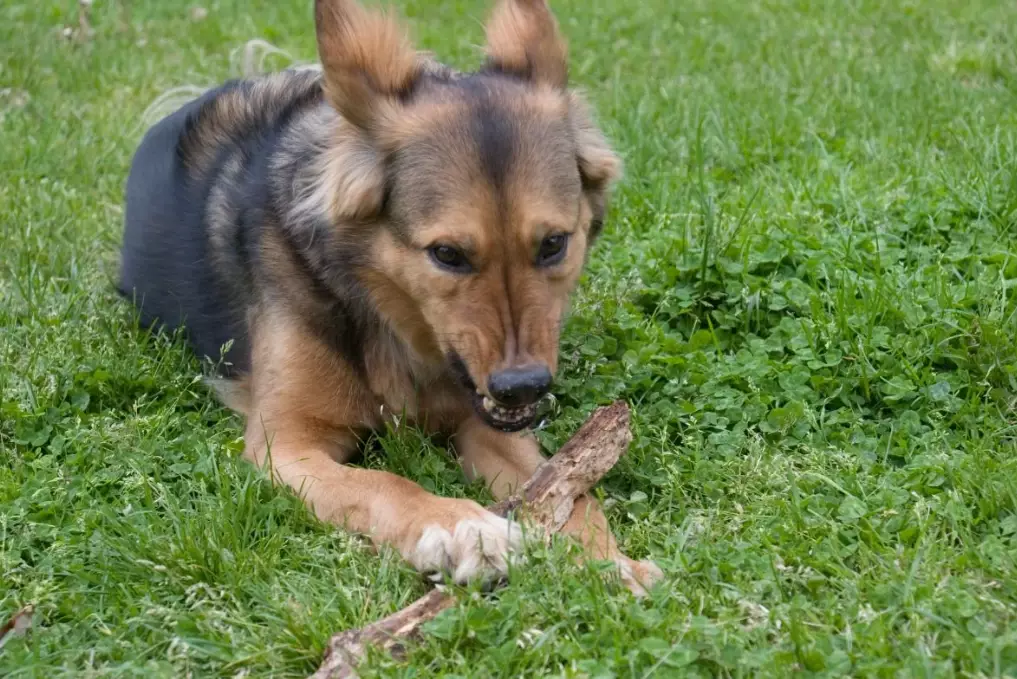
- Eliminate Triggers: If your dog guards bones, stop giving them bones until you've made significant training progress. Use a crate or separate room for high-value chews.
- Feed in Isolation: Feed a guarding dog in a quiet room behind a closed door or in their crate. No kids, other pets, or foot traffic. This removes the perceived threat and lowers their stress.
- Practice the "Trade-Up" Game: This is your foundational exercise. Never just take something from your dog. Always offer something better. Drop a boring toy, say "Drop" or "Trade," and immediately present a piece of chicken or cheese. When they drop the low-value item for the high-value treat, praise, give the treat, and then return the original item if it's safe. This teaches that your approach predicts awesome things, not loss.
- Baby Gates Are Your Friend: Use them to create safe zones, especially if you have children.
Critical Warning: If your dog has bitten or snapped, breaking skin, or if you feel unsafe, do not attempt this training alone. Skip to the section on professional help. Your safety and your dog's future depend on expert guidance.
How to Train Your Dog Out of Resource Guarding: The Step-by-Step Protocol
This protocol is based on counter-conditioning and desensitization. We change the emotion (counter-conditioning) by slowly exposing the dog to the trigger at a low intensity (desensitization). I'll use food bowl guarding as the primary example, but the principles apply to toys, spaces, etc.
Phase 1: Laying the Foundation (No Bowl, Just Association)
Forget the bowl for now. Your goal is to become a treat dispenser, not a threat.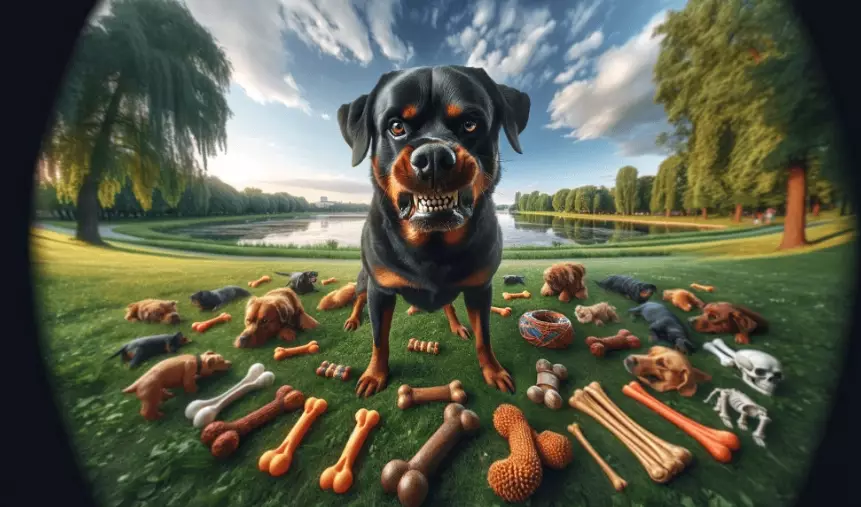
- With your dog on leash in a calm area, have a bowl of their regular kibble and a bowl of spectacular treats (real chicken, cheese, hot dog bits).
- Toss a piece of kibble on the floor. As they eat it, walk by at a distance where they notice you but don't tense up. As you pass, calmly drop a high-value treat near them. Keep moving. Don't stare, reach, or talk.
- Repeat. Your dog should start to look up when you approach, anticipating the goodie, not guarding the kibble. This is the "click" moment—you've changed the association.
Do this for several short sessions over a few days. The distance you can approach is your "threshold." Start far away and slowly, over sessions, decrease the distance.
Phase 2: Introducing the Bowl (The Walk-Bys)
Now we add the low-value resource back in a controlled way.
- Put a handful of boring kibble in a bowl. Place it on the floor. Let your dog eat.
- Starting from a distance outside their threshold, walk towards the bowl. Stop before they show any tension. Toss a fantastic treat into the bowl or right next to it. Then walk away.
- Repeat. Gradually take one step closer each session, always tossing the amazing treat before any guarding behavior starts. The message: "My human approaching my bowl = a jackpot arrives in the bowl."
Phase 3: The Bowl Touch & "Trade-Up"
This is where most guides stop, but it's crucial. We need to simulate real-life actions.
- During a walk-by, instead of just tossing a treat, pause near the bowl, drop the treat in, and then gently pick up the bowl.
- Immediately put an even better treat in the bowl, and then give the bowl right back. This is the ultimate trust-builder. You take it, make it better, and return it.
- Practice this in different contexts: when the bowl is half-full, nearly empty, with wet food, etc.
Let me share a case. My client's dog, Max, would snarl if anyone came within six feet of his antler. We started by tossing chicken near him while he had it, from ten feet away. After two weeks, I could sit next to him, drop chicken on the antler, and pick it up. The final test? I picked it up, handed it to his owner, who added peanut butter, and gave it back. Max wagged his tail through the whole thing. The antler went from a trigger to a cue for chicken.
Common Training Mistakes You Must Avoid
These errors can set you back weeks or create a more defensive dog.
| Mistake | Why It's Harmful | The Better Approach |
|---|---|---|
| Punishing the growl | The growl is a warning. Punish it, and you teach the dog to give no warning before a bite. This is incredibly dangerous. | See the growl as useful information: "You're too close." Respect it and increase your distance in training. |
| Forcing a "take away" to show dominance | This confirms the dog's worst fear: you are a threat who takes good things. It escalates aggression. | Always use the trade-up game. Value is created through exchange, not force. |
| Rushing the steps | Pushing past the dog's comfort threshold floods them with anxiety, ruining the positive association you're building. | If you see any tension (freezing, side-eye, ears back), you've gone too far. Go back to the last successful step. |
| Inconsistent management | Training for 10 minutes but then letting the kid run up to the dog's bowl at dinner undoes all your work. | Management (gates, separate feeding) must be 100% consistent until the behavior is fully resolved. |
When Professional Help Is Non-Negotiable
This guide is for mild to moderate cases. You need a certified professional (a veterinarian behaviorist or a Certified Professional Dog Trainer with experience in aggression) if: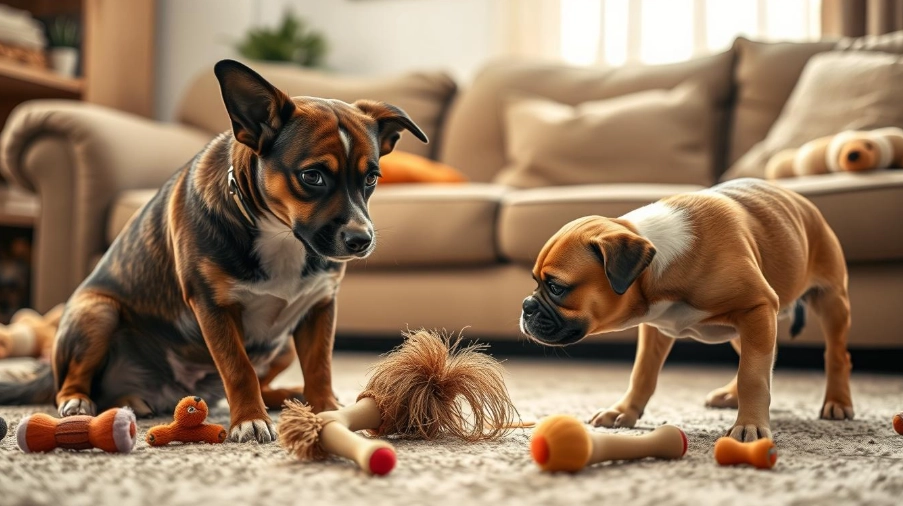
- There has been a bite that broke skin.
- The guarding is directed at children or vulnerable adults.
- You feel afraid of your dog.
- There is no warning (no growl, just a snap).
- You've tried consistent training for a month with no progress.
Organizations like the American College of Veterinary Behaviorists maintain directories of board-certified experts. It's an investment, but it's cheaper than a lawsuit or the emotional cost of a serious bite.
Your Resource Guarding Questions Answered
 My dog guards the couch. What do I do?


Leave a comment