You walk past your dog's bed, and a low growl rumbles from the cozy nest. You reach down to straighten a blanket, and teeth snap near your hand. Your heart sinks. This isn't the loving companion you know; this is a dog guarding its bed with a seriousness that feels scary and confusing. Resource guarding—especially of a prized spot like a bed—is one of the most stressful behavior problems owners face. It pits your need for safety and control against your dog's deep-seated instinct to protect what it values. But here's the crucial thing most articles miss: bed guarding is rarely about the bed itself. It's a symptom of a deeper anxiety about space, security, or predictability. Punishing the growl only masks the problem. The real solution is to change how your dog feels about your presence near its resting place. This guide will walk you through exactly how to do that, safely and effectively.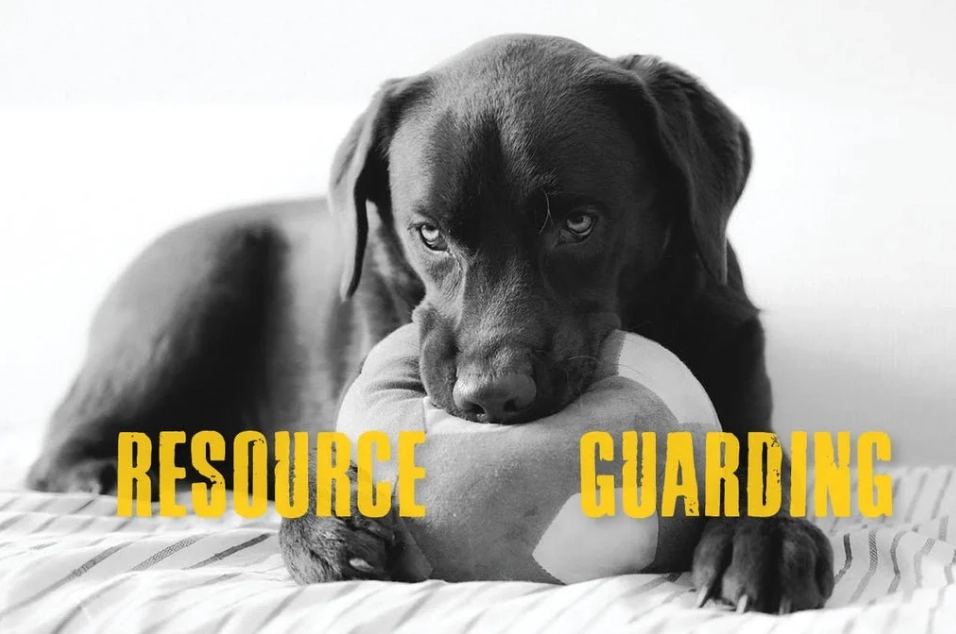
What's Inside This Guide
- What is Resource Guarding (It's Not Just "Being Bad")?
- Why Do Dogs Guard Their Beds? The Root Causes
- Safety First: What NOT to Do When Your Dog Guards
- How to Stop Resource Guarding: The Step-by-Step Plan
- 3 Common Training Mistakes That Make Guarding Worse
- Your Top Questions on Bed Guarding, Answered
What is Resource Guarding (It's Not Just "Being Bad")?
Let's clear up a misconception. Resource guarding isn't dominance or spite. It's a natural, survival-based behavior where an animal uses threats (growls, stares, snaps) or aggression to maintain control over something it perceives as valuable. For dogs, that can be food, toys, people, or—very commonly—a comfortable resting place. A bed is the ultimate prize: soft, warm, and smells like them. It represents safety and ownership.
The behavior exists on a spectrum. On the mild end, your dog might just get tense, freeze, or give you a hard stare when you come near its bed. The moderate stage involves audible warnings like growls or snarls. Severe guarding escalates to lunges, snaps, or bites. The growl is a communication tool. It's your dog saying, "I'm uncomfortable, please back off." Punishing a growl is like disconnecting a smoke alarm because the sound is annoying. You haven't put out the fire; you've just removed the warning, making a bite more likely next time.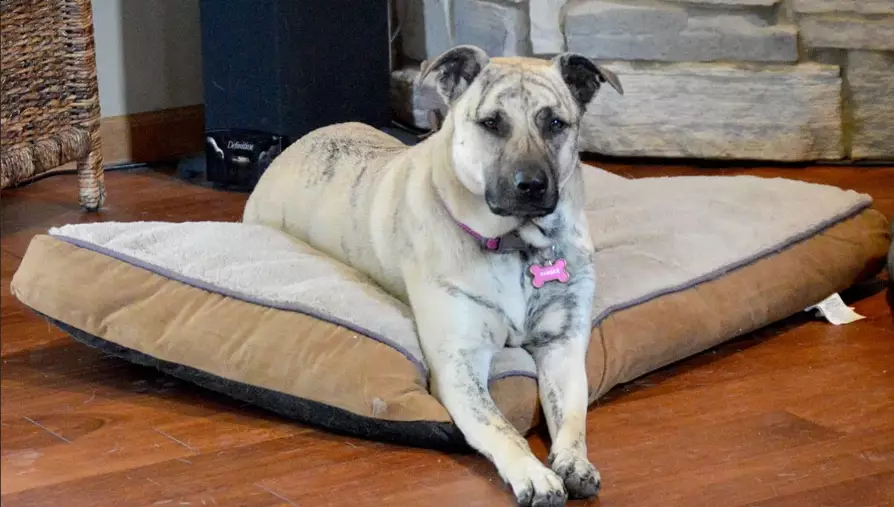
Key Insight: Think of guarding as a fear-based behavior, not an aggressive one. The dog fears losing a good thing. Our job is to teach them that a human approaching doesn't mean loss—it often means something even better is coming.
Why Do Dogs Guard Their Beds? The Root Causes
Understanding the "why" is half the battle. If you just treat the symptom (the growl) without addressing the cause, the problem will resurface or shift to another object.
- Instinct & History: For stray or rescue dogs, competition for safe sleeping spots was real. This instinct can linger.
- Anxiety & Insecurity: A nervous dog may cling to its bed as a secure base. Your approach feels like an invasion of its only safe zone.
- Pain or Discomfort: This is a big one often overlooked. An arthritic dog or one with a hidden injury may guard its bed because moving is painful, and it wants to be left alone. A sudden onset of guarding always warrants a vet check. The American Veterinary Medical Association (AVMA) lists pain as a common cause of behavioral changes.
- Poor Socialization: A dog not taught as a puppy that humans calmly taking things is normal may develop guarding tendencies.
- Unintentional Training: Ever chased your puppy off the couch with a loud noise? Or pulled them forcefully from a forbidden nap spot? You may have accidentally taught them that a human approaching their rest area predicts something unpleasant.
Safety First: What NOT to Do When Your Dog Guards
Before we get to the fix, let's rule out the common reactions that backfire spectacularly.
Never: Physically punish or yell at your dog for growling. You will increase fear and anxiety, making the guarding more intense and less predictable.
Never: Use dominance-based techniques like alpha rolls, staring contests, or forcibly removing the dog. These can trigger a defensive bite.
Never: Try to "show them who's boss" by repeatedly invading their space when they're guarding. This is a direct confrontation you will lose, eroding trust.
Avoid: Taking the bed away permanently as punishment. This creates scarcity, making the bed even more valuable when they eventually get it back.
If the guarding is severe (lunging, biting attempts), or involves children, stop reading and consult a professional. Look for a certified force-free behavior consultant (like those certified by the International Association of Animal Behavior Consultants or a veterinary behaviorist). Your safety is paramount.
How to Stop Resource Guarding: The Step-by-Step Plan
This plan uses counter-conditioning and desensitization. We change the emotional response (fear of loss) to a positive one (anticipation of gain). You'll need high-value treats your dog goes crazy for—think boiled chicken, cheese, hot dog bits—not kibble.
Phase 1: Foundation & Observation
For a week, do nothing but observe. Don't test or challenge your dog. Just note the specific triggers. How close can you get before you see tension? Does it happen only at night? When they're extra tired? Map the pattern without reacting.
Phase 2: The "You're Amazing!" Game
Start when your dog is not on the bed, and the bed is empty. Toss a phenomenal treat onto the bed. Let them jump on, eat it, and get off. Repeat. You're building the idea: "Bed + Human = Awesome treats appear."
Phase 3: Approaching the Occupied Bed (The Core Work)
This is the delicate part. Start with your dog relaxed on the bed.
- Find the Threshold: Stand at a distance where your dog notices you but shows no guarding signs (no freeze, no hard stare). This might be 10 feet away.
- Toss & Retreat: From that safe distance, happily toss a treat past your dog onto the bed, then immediately turn and walk away. You're not taking anything; you're giving and leaving. Do this 5-10 times per session, multiple times a day.
- Decrease the Distance: Over days, move an inch or two closer. If at any point your dog stiffens or looks worried, you've moved too fast. Back up to the last successful distance. The goal is to never trigger the guarding during training.
- Change the Approach: Once you can walk right up to the bed (while tossing treats), vary your movements. Walk past, pause nearby, lean over briefly. Each non-threatening approach predicts a treat landing near them.
| Training Stage | Your Action | Dog's Ideal Response | What to Use |
|---|---|---|---|
| Initial Desensitization | Toss treat from 10+ feet away, walk off. | Eats treat, remains relaxed. | Ultra-high value (chicken, cheese). |
| Building Tolerance | Walk up to 3 feet away, drop treat, leave. | Looks up expectantly, wags tail. | High value (hot dog bits). |
| Close Interaction | Stand next to bed, hand-feed treat, then move hand away. | Gently takes treat, no tension. | Mix of high & medium value. |
| Real-Life Scenario | Approach as if to fix blanket, toss treat first. | Moves aside willingly to get treat. | Variable rewards (sometimes chicken, sometimes praise). |
Phase 4: Adding "Trade-Up" and Cues
Once your dog is visibly happy when you approach, you can introduce a cue. Say "Off!" in a cheerful voice, then immediately lure them off the bed with a treat. When all four paws are on the floor, give the treat and lavish praise. Then release them back to the bed. You've taught them that "off" isn't a loss, it's a temporary pause that earns rewards. The bed will still be there.
3 Common Training Mistakes That Make Guarding Worse
I've seen these derail progress countless times.
Mistake 1: Pushing too fast. Greed is the enemy. If you go from 10 feet to 5 feet in one session, you'll likely see a growl. That's a major setback. Progress is measured in inches, not feet. Celebrate tiny wins.
Mistake 2: Using mediocre treats. In a high-stakes emotional retraining, dry kibble is like offering someone a penny to overcome a phobia. You need the currency your dog truly values. For my client's German Shepherd who guarded his orthopedic bed, only dehydrated liver worked. We used nothing else for the first month.
Mistake 3: Inconsistency. Doing intense sessions on Saturday but ignoring the behavior the rest of the week confuses the dog. Short, positive sessions (3-5 minutes) done daily are infinitely more effective than marathon weekend sessions.
Your Top Questions on Bed Guarding, Answered
My dog only guards the bed at night. Why is that, and how do I train for it?
This is super common and points to fatigue lowering their tolerance threshold. At night, they're deeply settled and more vulnerable, so the instinct to protect is stronger. Train during the day to build the positive association, but also do mini-sessions in the evening before they're fully asleep. Keep nighttime interactions very predictable and positive—maybe a specific goodnight treat tossed to them on the bed from a safe distance.
Should I just take the bed away forever?
Generally, no. Removing the resource can create frustration and may shift the guarding to furniture (your bed, the couch). The exception is during a severe, immediate safety crisis, and even then, it should be temporary while you implement a training plan. The goal is to have a dog that can enjoy a bed safely, not a dog with no bed.
 How long until I see real change?
For mild cases with consistent daily training, you might see improvement in 2-3 weeks. For moderate to severe cases, it can take several months. The guarding didn't develop overnight, and it won't be solved overnight. The timeline depends entirely on the dog's history, your consistency, and the underlying cause (pain, anxiety).
What if I have multiple dogs and one guards beds from the other?
This is a more complex management scenario. Immediately provide separate, equal-value resting areas in different rooms if possible. Feed and treat them separately. Use baby gates to manage access. The training must be done with each dog individually, and you must prevent rehearsals of the guarding behavior between dogs, as those can escalate. Consulting a professional is highly recommended for multi-dog household issues.
Can a puppy learn to guard a bed, or is this for older dogs?
Puppies can absolutely start guarding. The principles are the same, but you have a cleaner slate. Proactively practice positive approaches, trades, and handling while they're on their bed. Make every interaction a party. Prevention is infinitely easier than cure. Resources like the American Society for the Prevention of Cruelty to Animals (ASPCA) have great guides on puppy handling exercises.
 The journey to overcoming bed guarding is about rebuilding trust. It's not a power struggle; it's a communication problem. When you stop seeing a defiant dog and start seeing a worried one, the path forward becomes clear. Your presence near their sanctuary should become the best part of their nap, not the worst. Start with observation, arm yourself with chicken, and take it one peaceful inch at a time.





Leave a comment