You're settled on the couch, and your cat hops up, circles a few times, and then starts rhythmically pushing her paws into your lap. Her claws extend and retract, her eyes drift shut in contentment. She's kneading, or as the internet lovingly calls it, "making biscuits." Maybe your cat also nuzzles into a fuzzy blanket and starts suckling on it, making soft, purring sounds. These behaviors are incredibly common, yet they often leave us wondering: what's going on in that furry little head? Is it a sign of happiness, a weird quirk, or something more? Let's cut straight to it: kneading and suckling are deeply rooted in feline biology and emotion, primarily linked to kittenhood comfort and contentment, but the full story has more fascinating layers.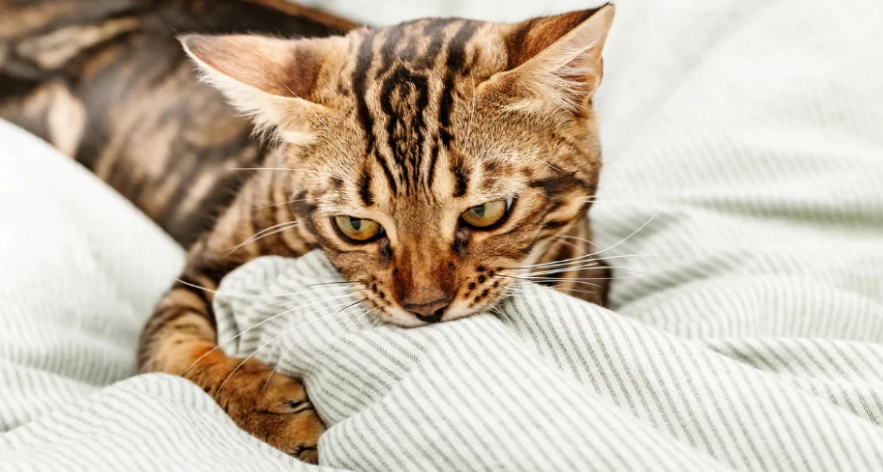
What You'll Discover in This Guide
The Science of Kneading & Suckling: It Starts in the Kitten Basket
To understand the "why," we need to rewind to your cat's first few weeks of life. These aren't random habits; they're hardwired survival and comfort mechanisms.
The Kitten Connection: Milk and Comfort
Newborn kittens knead their mother's belly to stimulate milk flow. The pushing action is a direct trigger for lactation. Simultaneously, the act of nursing releases endorphins—natural feel-good chemicals—that promote bonding and a sense of safety between the kitten and its mother. Suckling, of course, is the direct act of feeding. When adult cats perform these actions, they're often re-accessing that profound neonatal sense of warmth, security, and pure bliss. It's a self-soothing behavior, a way to comfort themselves by recalling the safest time of their lives.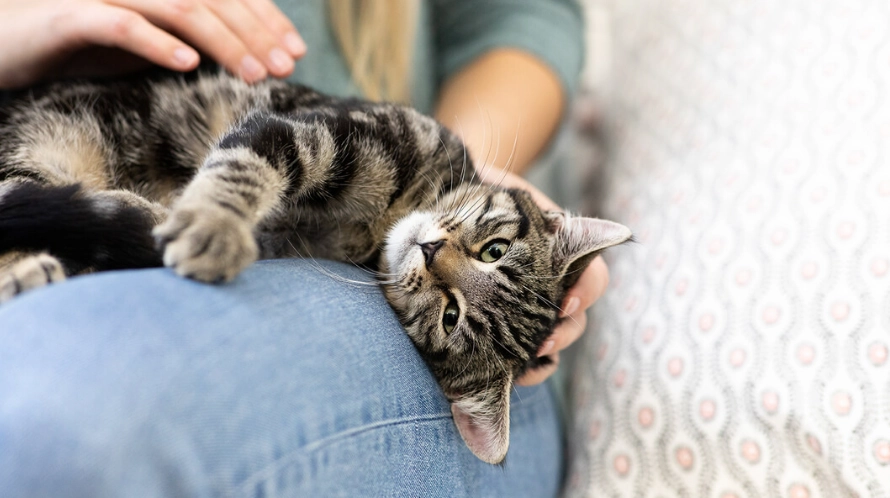
Expert Insight: Many assume all kneading is purely nostalgic, but there's a functional aspect often overlooked. Cats have scent glands in their paw pads. When they knead you or a favorite blanket, they are actively marking that object or person with their scent, claiming it as part of their safe territory. It's both an affectionate gesture and a statement: "You are mine."
Beyond Kittenhood: Stretching, Nesting, and Communicating
The story doesn't end with kitten memories. Evolution has repurposed these instincts.
Stretching Muscles and Joints: The kneading motion is an excellent stretch for the muscles and tendons in a cat's legs, paws, and back. Watch closely next time—you'll often see a full-body stretch integrated into the kneading session.
Nesting Instinct: In the wild, a cat's ancestors would knead tall grass or foliage to create a soft, flat, and safe spot to rest or give birth. Your cat making biscuits on your duvet is executing a perfect, instinctual nesting ritual.
Scent Marking (Revisited): This is the subtle layer most owners miss. That "claiming" isn't aggressive; it's the ultimate compliment. By mixing their scent with yours on your favorite sweater, they are creating a communal scent profile that says "family."
What Your Cat's Behavior is Really Telling You
Now, let's translate. The context and details of how your cat kneads or suckles offer a window into their emotional state.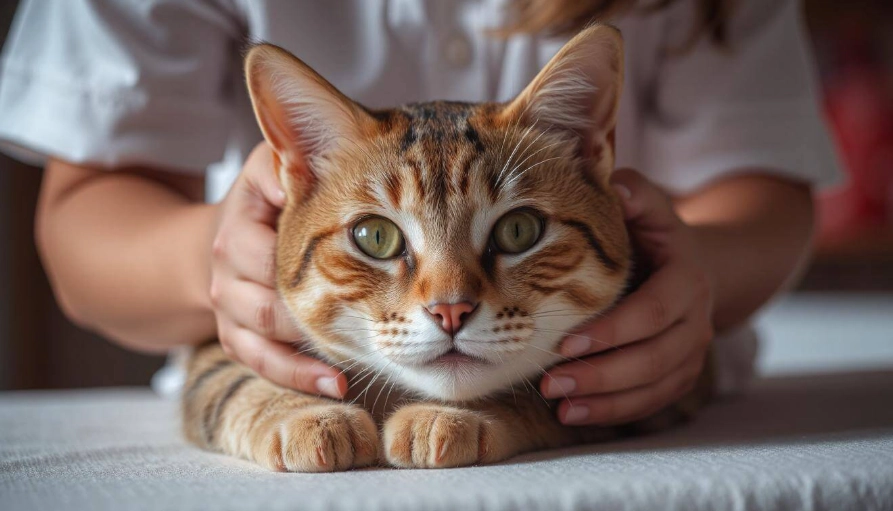
The Contented Kneader: This is the most common scenario. Soft eyes, a steady purr, relaxed body posture. The kneading is rhythmic but not frantic. Your cat is happy, comfortable, and feels utterly safe with you. You are their surrogate mother in the best possible way. Enjoy it—it's a badge of honor.
The "Blanket Baker" or Suckler: Cats who suckle on wool, fleece, or specific blankets are engaging in a more intense self-comforting behavior. The texture of these materials often mimics the mother's fur. This is particularly common in cats who were weaned too early (before 8-12 weeks). The suckling releases endorphins to compensate for that abbreviated period of primal comfort. It's generally harmless unless it leads to fabric ingestion.
The Anxious or Over-Stimulated Kneader: Here's where reading the signs matters. If the kneading becomes very rapid, forceful, or is accompanied by dilated pupils, twitching skin, or an intense stare, it might indicate over-arousal or anxiety. Your cat might be trying to soothe themselves in a situation that's stressing them out. The kneading itself isn't the problem; it's the symptom. Look for the trigger—was there a loud noise? A stranger in the house?
My own cat, Milo, a large tabby rescued at about 5 weeks old, is a classic blanket suckler. He only does it on one specific plush throw in the evening. He'll knead vigorously for a minute, then settle into a long, quiet suckling session, purring like a motorboat. It's his dedicated wind-down ritual. I've learned not to wash that blanket too often, as removing his scent seems to disrupt his routine for a day or two.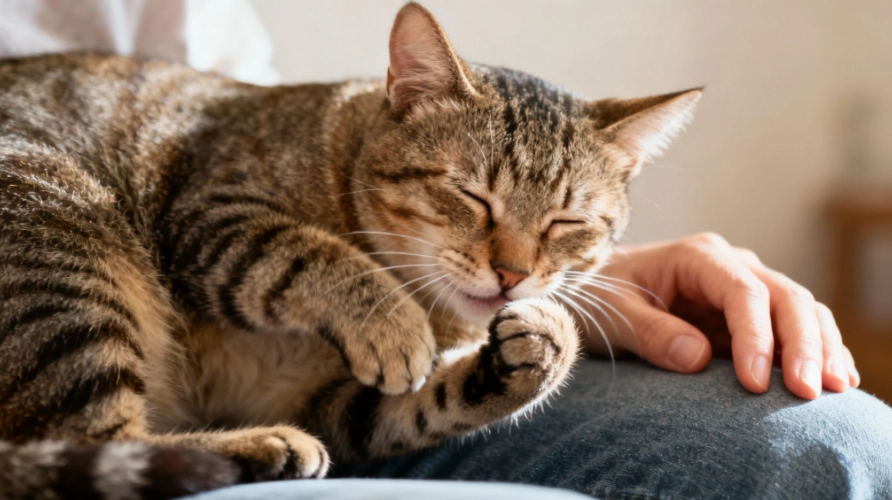
A Practical Guide for Cat Owners: When to Smile and When to Watch
Most kneading and suckling is benign. Your job is to manage it for everyone's comfort and spot the rare signs that something might be off.
Managing the Claws (and Your Comfort)
Let's be real: happy paws often mean sharp claws on your skin. You don't want to punish the behavior, but you can redirect it.
- Keep Claws Trimmed: This is the single most effective thing you can do. Regular, gentle claw trims blunt the tips and make kneading sessions much more pleasant for you.
- The Barrier Method: Keep a thick, soft blanket or pillow on your lap. When your cat starts to knead, gently guide their paws onto the blanket. They get to make all the biscuits they want, and your legs are protected.
- Redirect, Don't Scold: If the claws are out and it hurts, calmly say "ouch," lift your cat off your lap, and place them nearby on a soft bed. Offering a kicker toy or a scratching post can redirect the need to push and flex their claws.
When Suckling Becomes a Concern
Blanket suckling is usually fine. You need to step in if:
Ingestion is Happening: If your cat is actually chewing off and swallowing bits of fabric, this is a serious risk for intestinal blockage. You must intervene.
- Provide alternative, safe textures for suckling, like a small, clean piece of fleece or a suckling-specific toy.
- Apply bitter apple spray (pet-safe) to the edges of the favored blanket to deter chewing.
- Increase interactive play sessions to reduce anxiety and provide mental stimulation.
Sudden Onset in an Adult Cat: If your cat has never done this and suddenly starts obsessive suckling or kneading, it could signal an underlying issue. Stress (like a move or new pet), pain (dental issues can sometimes manifest as odd chewing behaviors), or medical conditions should be ruled out. A visit to the vet is a good idea to be safe. The International Cat Care organization emphasizes that sudden behavior changes always warrant a professional check-up.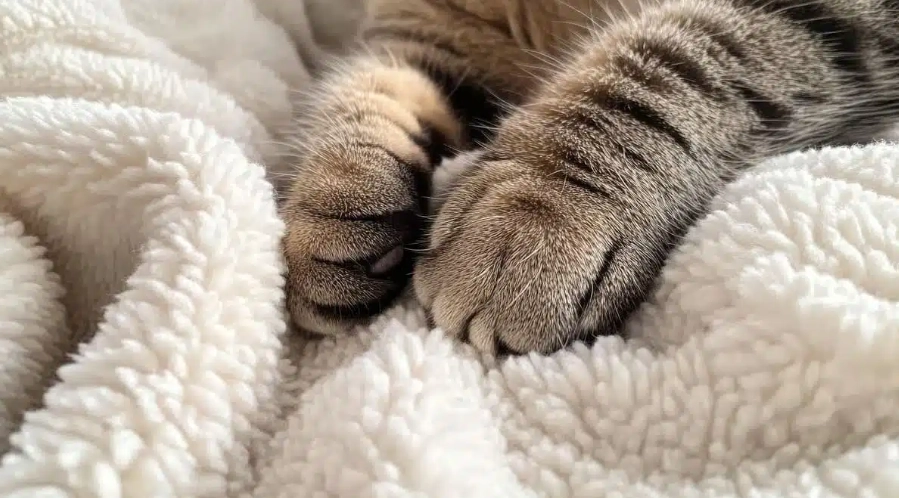
Your Top Questions, Answered with Real-World Advice
My cat drools a lot when he kneads on me. Is that normal?
Why does my cat only knead on my one specific, fluffy sweater?
I was told my cat kneads because she was weaned too early. Is that true?
 How can I tell if my cat's kneading is a sign of stress instead of happiness?
Is it okay to let my cat suckle on my clothing or fingers?



Leave a comment