If you're picturing a lone wolf pup trotting off into the sunset on its first birthday, you've got it wrong. The process of wild puppies leaving their mother isn't a single event marked on a calendar. It's a nuanced, multi-stage transition driven by survival, not sentiment. As someone who's spent years observing and studying wild canid behavior, I can tell you the textbook answer of "around 1-2 years" misses the entire story. The real timeline is shaped by food scarcity, social dynamics, and even the personality of the individual pup.
What You'll Learn
The Two Key Phases: Weaning vs. Dispersal
Most people confuse these. Weaning is when puppies stop relying on their mother's milk and start eating solid food (regurgitated by pack members first, then hunted). Dispersal is the permanent departure from the natal pack to find a new territory and mate. They're connected, but separated by months or even years of crucial learning.
Weaning begins surprisingly early, around 3-4 weeks for wolves and coyotes. The mother starts spending less time at the den, encouraging independence. But the pups aren't foraging alone. The entire pack, especially the yearlings from the previous litter, act as "nanny helpers," bringing back food. This period from 3 weeks to about 6-8 months is the apprenticeship. Pups learn vocalizations, hunting techniques, and social hierarchy through relentless play and observation. Leaving now would be a death sentence.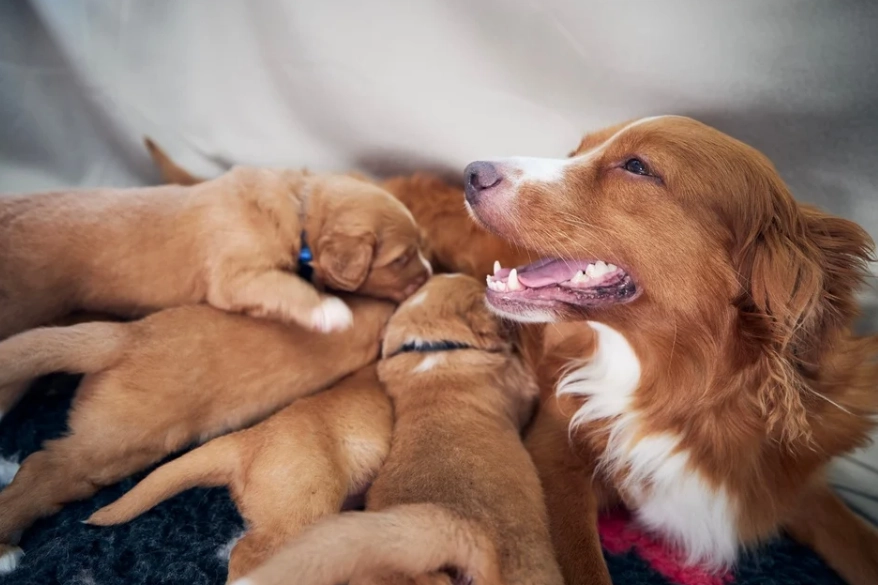
A Species-by-Species Breakdown
"Wild puppies" covers a lot of ground. A red fox's life strategy is wildly different from a gray wolf's. Here’s how the departure timeline varies across North America's most common wild canids.
| Species | Weaning Starts | Dispersal Age Range | Key Driver for Leaving | Typical Outcome |
|---|---|---|---|---|
| Gray Wolf | 3-4 weeks | 1-3 years | Intra-pack competition, urge to breed | May travel hundreds of miles to form a new pack |
| Coyote | 3-4 weeks | 9-12 months | Parental aggression, resource pressure | Often disperses alone or in sibling pairs to adjacent territories |
| Red Fox | 4-5 weeks | 7-10 months | Maternal rejection, autumn food drop | Males disperse farther; females may stay near or inherit part of the territory |
Notice the spread? A wolf pup might stick around for three full years, helping raise its younger siblings in what biologists call a "helper-at-the-nest" system. This cooperative breeding strengthens the pack. Coyotes and foxes, often living in less stable family groups or pairs, push their young out faster to reduce competition. I've tracked coyote families where the parents' behavior visibly shifts at around 10 months—they start growling at the juveniles during meals, a clear "time to go" signal.
The Wolf's Long Apprenticeship: Why Stay So Long?
Wolves take down large, dangerous prey like elk and moose. This isn't instinctual; it's a hard-earned skill. A yearling wolf is clumsy. I've seen them misjudge distances and get kicked, or waste energy on futile chases. By staying for a second or even third year, they perfect coordinated attack strategies under the guidance of experienced adults. They also contribute by babysitting and food provisioning. This extended childhood is a luxury afforded by the pack's cooperative structure and the high nutritional payoff of big game.
What Really Changes the Timeline? (It's Not Just Time)
Age is just a number. These factors often dictate the actual departure date more than any biological clock.
- Food Availability: A poor vole year means fox kits are kicked out earlier and more harshly. Abundant prey allows for a more lenient, gradual transition. It's the ultimate resource calculus.
- Pack Density & Social Stress: In areas with many established packs, like Yellowstone, dispersal is riskier. Young wolves may delay leaving or make brief "prospecting" trips before committing. High competition within the litter for rank and food can also trigger an early exit for lower-ranking individuals.
- Sex of the Pup: In many species, males disperse farther and more frequently than females. Females have a chance to inherit part of the maternal territory, especially if the breeding female dies.
- Personality: This is rarely discussed. Some juveniles are bold explorers, itching for independence. Others are cautious and cling to the safety of the pack. I've observed litter siblings where one dispersed at 18 months and its sibling stayed for over two years, content in a subordinate role.
One winter, I monitored a coyote family in a suburban fringe area. The food was plentiful (thanks to unsecured garbage and rodent populations). The two juveniles from that year's litter didn't fully disperse until they were nearly 14 months old—much later than the textbook 9-12 months. The parents tolerated them because resources weren't stretched. This flexibility is key to their success.
The Crucial Lesson for Pet Dog Owners
Here's where understanding wild behavior hits home. The modern standard of sending puppies to new homes at 8 weeks old is, from a biological perspective, extremely and artificially early.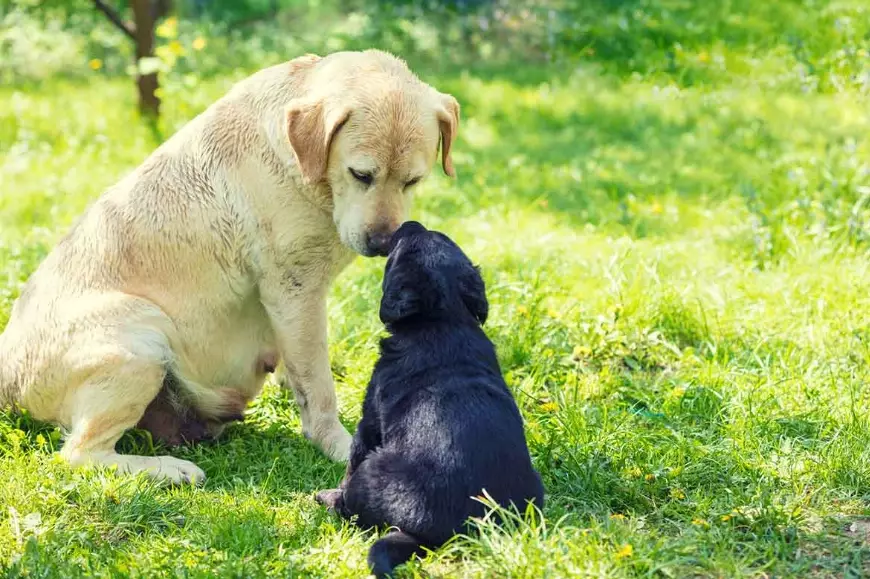
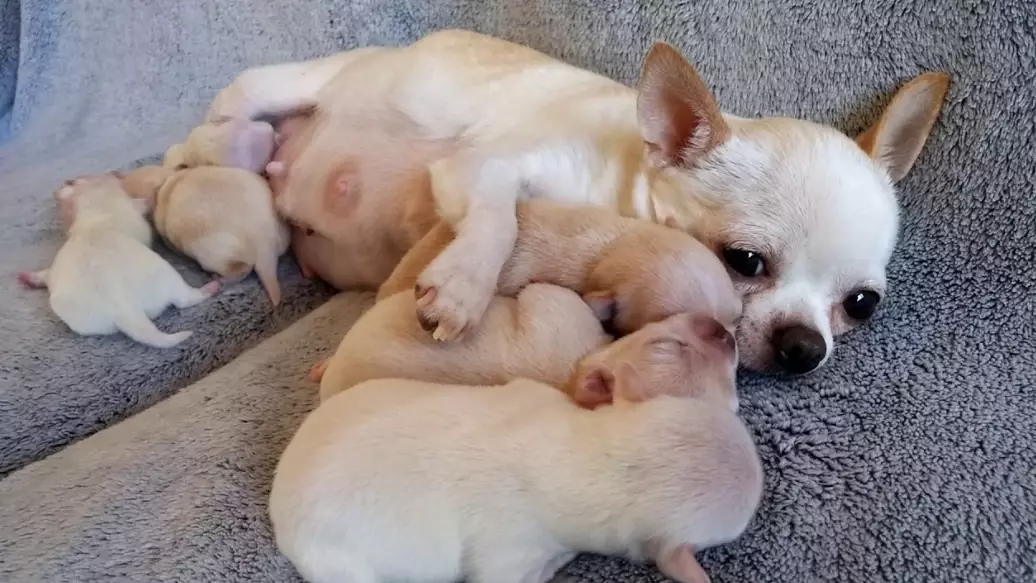
In the wild, an 8-week-old pup is just beginning to explore outside the den under intense supervision. It's learning bite inhibition, social cues, and pack etiquette from its mother and siblings every single hour. Removing a puppy at this stage cuts short the most critical period of canine social education.
Many behavioral problems I see in pet dogs—severe separation anxiety, poor bite control, difficulty reading other dogs—can be traced back to this premature separation. The puppy missed the natural "correction course" provided by its littermates and mother between 8 and 12-plus weeks.
The "Rewilding" Misconception
Some trendy dog training philosophies misuse this information. They suggest we should mimic wild dispersal by being aloof or harsh with our adolescent dogs to "make them independent." This is a dangerous oversimplification. Your dog is not a wolf; it's a domesticated species that co-evolved with humans for companionship. We replaced the pack. Creating secure attachment with us is what prevents anxiety, not模拟 parental aggression. The lesson isn't to be a wild parent, but to respect the developmental needs their genetics still expect: a long, socially rich puppyhood.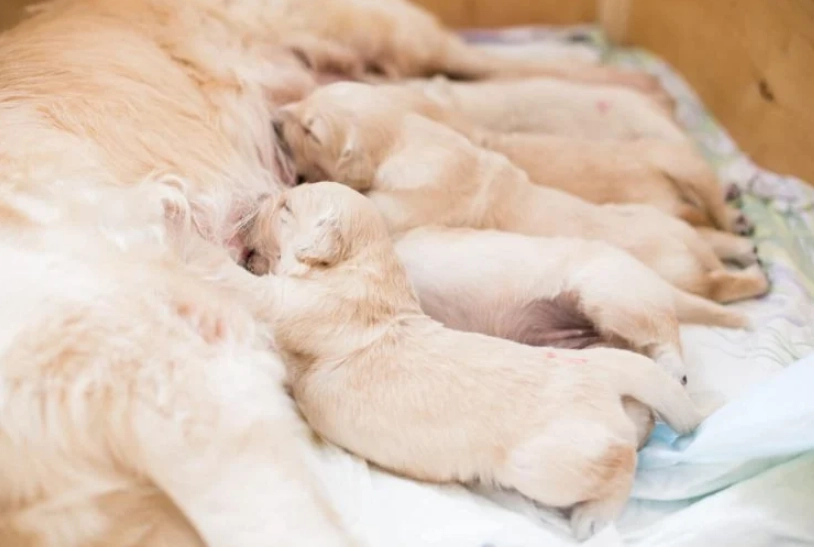
Your Top Questions Answered
 I found a lone wild puppy. Should I leave it assuming the mom is coming back?
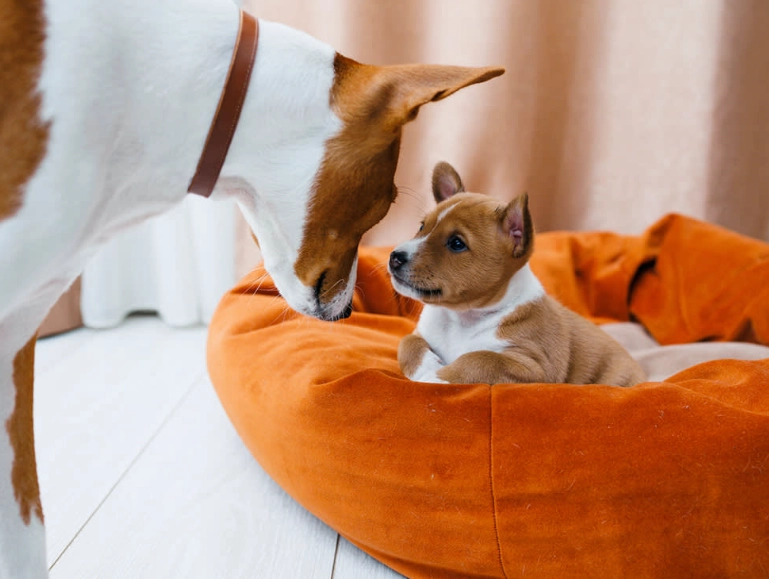 So, when do wild puppies leave their mom? The answer is a story, not a date. It's a gradual push-and-pull between dependency and survival instinct, stretched across months of learning and shaped by the unforgiving math of the wild. For our domestic dogs, remembering this deep-seated need for a prolonged, socially rich early life is the first step in raising a more confident, stable companion. We can't give them a wilderness, but we can respect the blueprint one.




Leave a comment