Quick Navigation
- Recognizing the Enemy: What Heat Stroke Symptoms in Dogs Really Look Like
- The First 24-48 Hours: What the Vet Does and Why It Matters for Recovery
- Bringing Them Home: The Home Care Blueprint for Recovering from Heat Stroke
- The Long Road: Physical and Behavioral Recovery Timelines
- Prevention: Making Sure It Never Happens Again
- Answering Your Burning Questions (FAQs)
It happens faster than you think. One minute your dog is panting on a warm day, the next they're listless, their gums are bright red, and panic starts to set in. Heat stroke in dogs isn't just being a bit hot—it's a life-threatening medical emergency. I remember the first time I saw it; my friend's overly enthusiastic Labrador collapsed after a long fetch session on a deceptively humid afternoon. The scramble that followed was chaotic, and honestly, we made a few mistakes before getting proper help.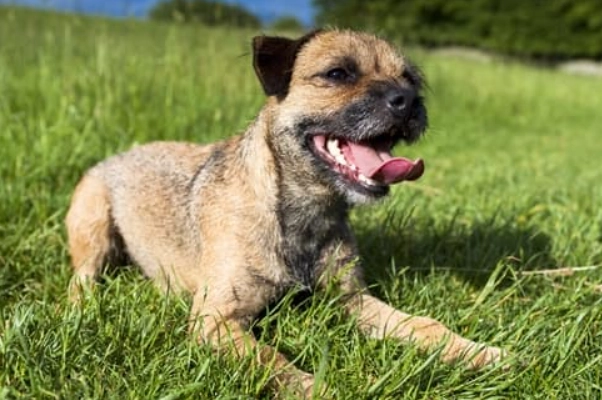
That experience taught me that knowing what to do after the initial crisis is just as critical. The journey of recovering from heat stroke symptoms dog owners face is filled with questions, worry, and a need for clear, practical advice. This guide is for that moment—when the immediate danger has passed, but you're left at home wondering, "What now? How do I help my best friend heal?"
Recognizing the Enemy: What Heat Stroke Symptoms in Dogs Really Look Like
Before we talk about recovery, you need to be sure of what you're dealing with. Heat stroke (or heatstroke) is when a dog's body temperature rises to a dangerous level (usually above 106°F or 41.1°C) and their internal cooling systems fail. It's not a sunburn. It's their internal organs starting to cook.
The symptoms often come in waves, starting mild and escalating terrifyingly fast. Here’s what to watch for, and I’m listing these in a rough order of progression, though it can jump steps:
- Heavy, frantic panting: This is the first red flag. It sounds different from normal panting—more desperate, less rhythmic.
- Bright red or purple gums and tongue: A classic sign. Their gums should be a healthy pink, like bubblegum.
- Excessive drooling: Thick, sticky saliva.
- Lethargy, weakness, or stumbling: They seem "drunk" or disoriented.
- Glassy eyes or a dazed look: They're not really looking at you.
- Vomiting or diarrhea: Sometimes with blood.
- Collapse, seizures, or loss of consciousness: This is the critical stage.
Some dogs are just more at risk. Brachycephalic breeds (like Bulldogs, Pugs, Frenchies) with their squished faces have a hell of a time breathing efficiently. Older dogs, puppies, overweight dogs, and those with heart or respiratory diseases are also walking around with a higher risk factor. My neighbor's elderly Pug can't even handle a slow walk on a 75-degree day, and we all know to keep him indoors when the sun's out.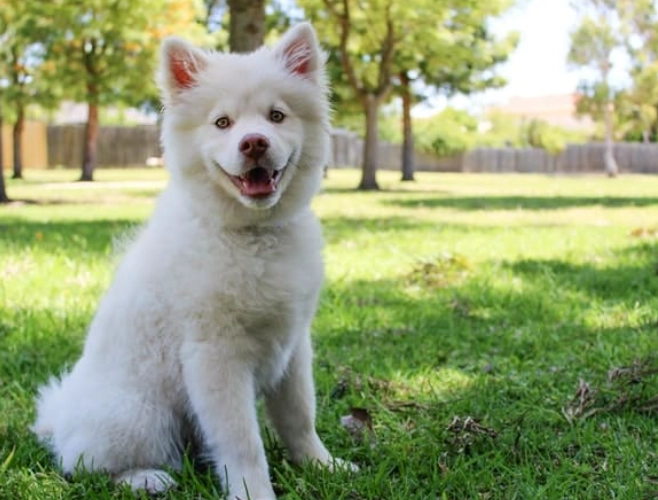
The First 24-48 Hours: What the Vet Does and Why It Matters for Recovery
Okay, you've rushed your dog to the vet. What happens there? Understanding this process is key to appreciating the long road of recovering from heat stroke symptoms dog patients need. The vet isn't just cooling them down; they're fighting to prevent multi-organ failure.
The primary goals are:
- Controlled Cooling: Vets use methods like intravenous (IV) fluids, cooling blankets, and sometimes even gastric lavage (flushing the stomach with cool fluids) to bring the temperature down safely. Cooling too fast can cause other problems like shock.
- Stabilizing Organ Function: The heart, kidneys, and brain are under immense stress. Vets will monitor blood pressure, heart rate, and oxygen levels constantly. They often run blood tests to check for organ damage.
- Supportive Care: This includes medications to prevent brain swelling, anti-vomiting drugs, and sometimes plasma transfusions if clotting problems arise.
Your dog might need to stay in the hospital for a day or two on IV fluids and oxygen. This isn't an overreaction. The damage from heat stroke can be delayed. Problems like kidney failure or disseminated intravascular coagulation (DIC—a serious clotting disorder) can show up 24-72 hours later. The vet stay is to catch these complications before they become catastrophic.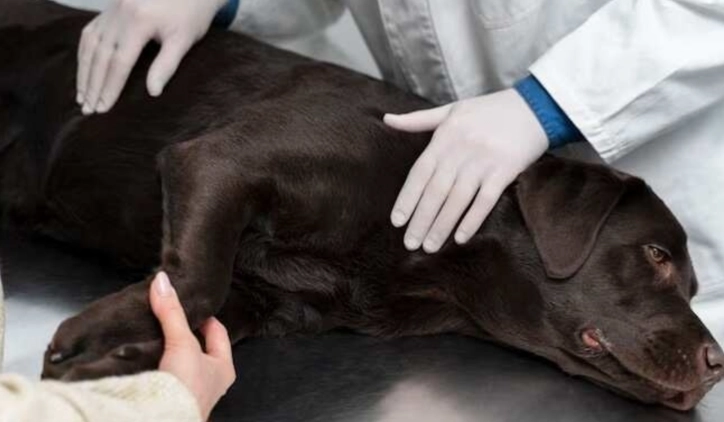
Bringing Them Home: The Home Care Blueprint for Recovering from Heat Stroke
You get the call that your dog is ready to come home. Relief floods in, followed by a new wave of anxiety. The vet hands you discharge instructions, but you still have a million questions. Let's break down this phase, which is the core of managing recovering from heat stroke symptoms dog owners have to navigate.
Creating the Perfect Recovery Environment
Think of your home as a quiet, cool, low-stress sanatorium. Your dog's body has been through a war.
- The Rest Zone: Set up a comfortable bed in the coolest, quietest room of the house. Away from foot traffic, other pets, and noise. Air conditioning is your best friend. If you don't have AC, fans and cooling mats are essential.
- Hydration Station: Fresh, cool water must be available at all times. You might need to encourage drinking. Some dogs respond to ice cubes (let them lick, don't let them crunch), or adding a tiny bit of low-sodium chicken broth to the water. Watch their intake—if they're not drinking, call the vet.
- Potty Patrol: They'll be weak. Be prepared to carry or support them outside for bathroom breaks. Keep these trips short and in the coolest parts of the day (early morning or late evening).
Nutrition and Medication: The Fuel for Healing
Their digestive system might be sensitive. The vet will likely recommend a bland diet for a few days—boiled chicken and white rice, or a prescription gastrointestinal food. Feed small, frequent meals. Don't just go back to their regular kibble; it could trigger vomiting.
Administer all medications exactly as prescribed. This might include antibiotics if there's risk of infection, gastro-protectants, or medications to support kidney function. Set phone alarms if you have to.
Monitoring: Playing Detective at Home
Your job now is to be a vigilant observer. Keep a simple log if it helps. Note down:
- Temperature: Your vet might show you how to take their rectal temperature gently. Normal is between 101°F and 102.5°F (38.3°C - 39.2°C).
- Appetite and Water Consumption: Is it increasing day by day?
- Urine Output: Are they peeing normally? Dark, concentrated urine or no urine is a red flag.
- Gum Color: Check them daily. They should return to a healthy pink.
- Energy Level: Gradual improvement is the key. Sudden lethargy is a problem.
- Stool Quality: Diarrhea or blood needs a vet call.
Here’s a quick-reference table for warning signs that mean you should pick up the phone to your vet immediately:
| Symptom | What to Look For | Why It's Urgent |
|---|---|---|
| Return of Excessive Panting | Panting heavily while completely at rest in a cool room. | Could indicate pain, fever, or lingering organ stress. |
| Loss of Appetite for >24 hours | Refusing even favorite bland food or treats. | Healing requires energy; not eating slows recovery and signals nausea/pain. |
| Vomiting or Diarrhea | Any new episodes after coming home. | Dehydration risk skyrockets, and it stresses damaged organs. |
| Weakness or Collapse | Unable to stand, walk, or seems wobbler than before. | Could point to neurological damage, low blood sugar, or systemic failure. |
| Changes in Behavior | Confusion, uncharacteristic aggression, or seeming "out of it." | Potential sign of brain swelling or damage from the initial heat stroke. |
The Long Road: Physical and Behavioral Recovery Timelines
This is the question everyone asks: How long does recovering from heat stroke symptoms dog health issues take? I wish there was one answer.
The truth is, it's a marathon, not a sprint. The timeline depends entirely on the severity of the initial event.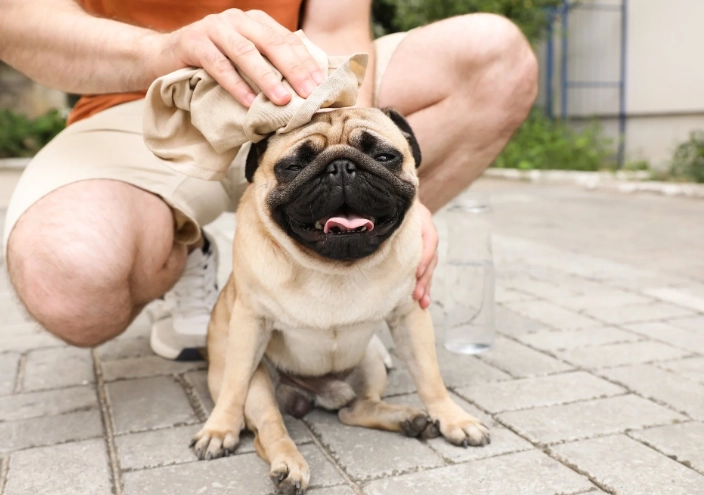
General Recovery Phases
Week 1-2 (The Critical Convalescence): This is all about rest, hydration, and careful monitoring. Short, leashed bathroom breaks only. No play, no walks. Mental stimulation (like a slow sniffari in the yard or a frozen Kong) can help a bored dog. Most physical healing of stressed tissues happens here.
Week 3-4 (The Gradual Return): If your vet gives the all-clear at a follow-up, you might start introducing very short, gentle walks in the cool of the day. Five minutes, then ten. Watch for panting. If they tire easily, stop. This phase is about rebuilding stamina without strain.
Month 2 and Beyond (The New Normal): Some dogs bounce back completely. Others may have lasting sensitivities. They may always overheat more easily. They might have subtle behavioral changes—being more anxious on hot days, for example. This is the long-term management phase.
Behavioral changes are a real thing and often overlooked. The event can be traumatic. Your once fearless fetch addict might now be hesitant to go outside on a warm day. Patience is everything. Use positive reinforcement, never force them, and let them rebuild confidence at their own pace.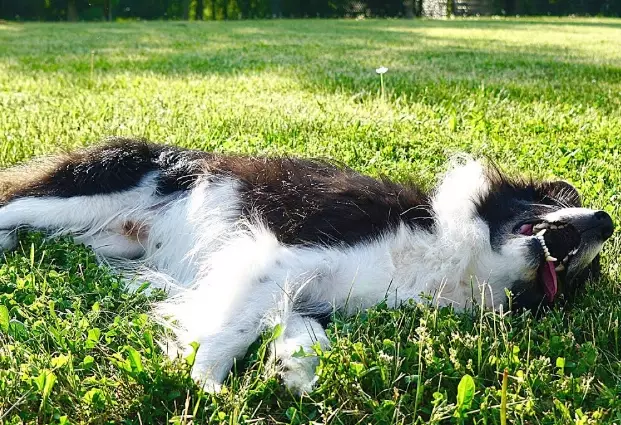
Prevention: Making Sure It Never Happens Again
Recovery isn't just about healing from the last event; it's about ensuring there isn't a next one. A dog that has suffered heat stroke once is at a higher risk for it happening again. Their system has shown it's vulnerable.
Your mindset has to shift from "It won't happen to my dog" to "I have a plan so it *can't* happen to my dog."
Here’s your new, non-negotiable rulebook:
- Exercise is for Cool Hours Only: Early morning or after sunset. Feel the pavement with the back of your hand—if it's too hot for you, it's burning their paws.
- Water is a Constant Companion: On walks, in the car, in the yard. A collapsible bowl goes everywhere you go.
- Shade is Meaningless on a Hot Day: Ambient temperature and humidity are the killers. A car in the shade can still become an oven in minutes. Never, ever leave a dog in a parked car. Not even "for a minute."
- Know Your Dog's Limits: That energetic Border Collie will run until he drops to please you. It's your job to be the brakes.
- Cooling Products are Worth It: Cooling vests, mats, and bandanas aren't gimmicks for a heat-sensitive dog. They can be lifesaving tools.
What about grooming? A common myth is that shaving a double-coated dog (like a Husky or Golden Retriever) helps. It often does the opposite. That undercoat insulates them from heat as well as cold. Talk to a professional groomer about a suitable summer trim that doesn't ruin their natural cooling system.
Let's tackle some of the specific, nagging questions that pop up when you're in the thick of recovering from heat stroke symptoms dog care.
The journey of recovering from heat stroke symptoms dog companions endure is a testament to their resilience and our care. It's a steep learning curve that changes how you view summer, exercise, and your dog's well-being forever. Pay attention to the signs, act without hesitation in an emergency, and then commit to the patient, gentle work of healing. Your furry friend is counting on you.




Leave a comment