Your dog just came back from a walk. Their paws are caked in mud, maybe some grass clippings, or worse, invisible chemicals from the pavement. You know you need to clean them, but the thought of harsh soaps or wipes filled with unpronounceable ingredients makes you pause. What if there was a simpler, safer way? Good news: cleaning your dog's paws naturally isn't just possible; it's often more effective and gentler than store-bought solutions. This guide cuts through the noise and gives you the exact methods I've used for years with my own dogs.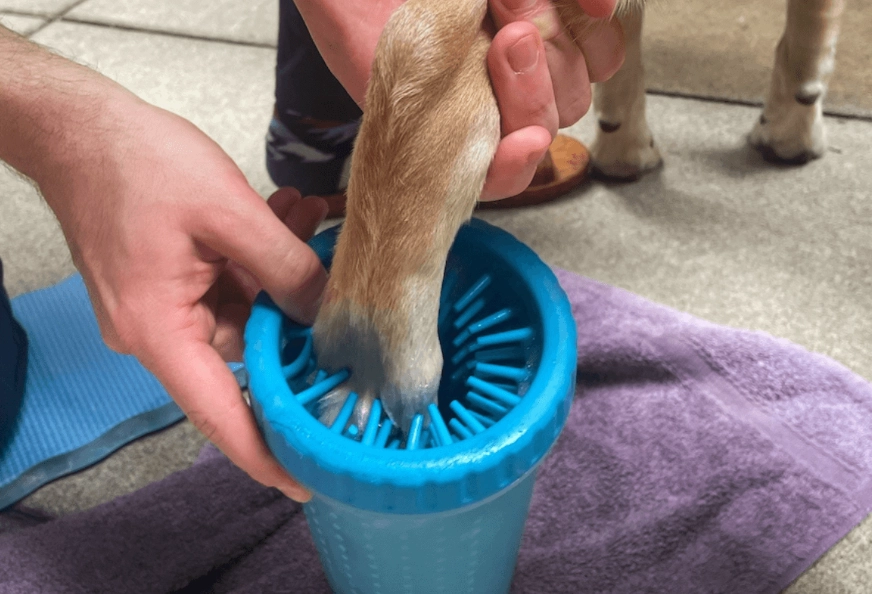
What’s Inside This Guide
Why Natural Paw Cleaning is Non-Negotiable
Let's be clear. This isn't about being trendy. It's about safety. Dogs lick their paws. A lot. Whatever you put on their pads gets ingested. Commercial wipes or shampoos might contain alcohol, fragrances, or preservatives that can upset their stomach or cause allergic reactions over time. The American Kennel Club notes that paw pads are sensitive and can absorb substances.
Beyond ingestion, think about skin health. Harsh chemicals strip away the natural oils that keep paw pads supple and crack-resistant. Dry, cracked pads are painful and prone to infection. Natural cleaning focuses on removing debris and contaminants without disrupting that delicate balance.
The biggest risk, though, is what you're trying to remove. Paws pick up lawn fertilizers, pesticides, road salt, and antifreeze residues. A simple water rinse won't cut it for oily or chemical grime, but a natural degreaser like diluted apple cider vinegar will.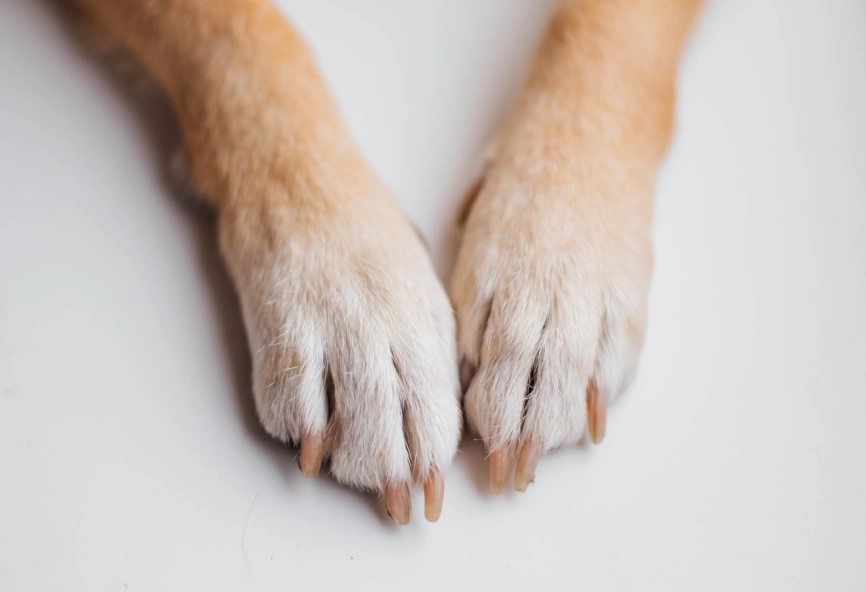
Your Natural Cleaning Toolkit: What You Already Have
You don't need a fancy kit. Raid your kitchen and linen closet.
The Basics:
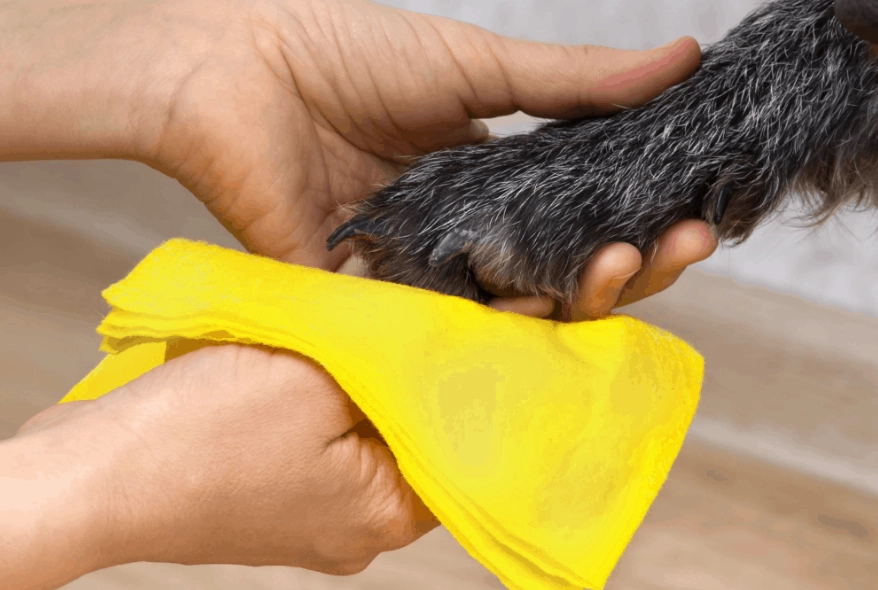
- Soft, absorbent cloths or old towels: Designate a few as "paw towels." Microfiber works great.
- A shallow basin or bowl: For the washing solution.
- Lukewarm water: Never hot. Test it on your wrist.
The Natural "Cleansers":
- Apple Cider Vinegar (raw, with the mother): The superstar. Its mild acidity helps dissolve grime, has natural antifungal/antibacterial properties, and can soothe minor irritations. Always dilute (1 part vinegar to 3-4 parts water).
- Fractionated Coconut Oil or Olive Oil: Perfect for after-cleaning moisturizing or for tackling sticky sap or gum. It's safe if licked.
- Plain Oatmeal: Grind rolled oats into a fine powder. Mixed with water into a paste, it's incredibly soothing for itchy or inflamed paws.
- Baking Soda: A gentle deodorizer. A light sprinkle in your wash water can help neutralize unpleasant smells.
- Plain, Unsweetened Yogurt or Aloe Vera Gel (100% pure): For a post-clean soothing balm. Ensure aloe is pet-safe and free of alcohol.
Pro Tip: Skip the essential oils. Even "pet-safe" ones like lavender can be risky if not diluted perfectly, and dogs' sense of smell is incredibly sensitive. Why add potential stress? The ingredients above are effective and foolproof.
The 5-Minute Natural Paw Cleaning Routine
Here’s the exact sequence I follow with my Labrador, Murphy, after every walk in the park.
Step 1: The Pre-Wipe Check
Before you even reach for water, sit with your dog. Gently pick up each paw and visually inspect. Look for cuts, cracked pads, thorns, or pebbles lodged between the toes. This is your chance to catch small issues before they become big vet bills.
Step 2: The "Wet Wipe" Phase
Prepare your solution. For a standard dirty paw day, I use the diluted apple cider vinegar mix. Soak your cloth in the solution, wring it out so it's damp, not dripping. Wipe the top of the paw, the pads, and crucially, between each toe. Don't just dunk the paw in the bowl—this can force debris deeper into the crevices. Use a fresh section of the cloth for each paw to avoid spreading potential gunk.
Step 3: The "Dry Wipe" Phase
Take a dry, clean towel. Thoroughly dry every nook and cranny you just wiped. This is the step most people skimp on. Dampness between the toes is a breeding ground for yeast and bacteria, which can lead to that classic "corn chip" smell and infections.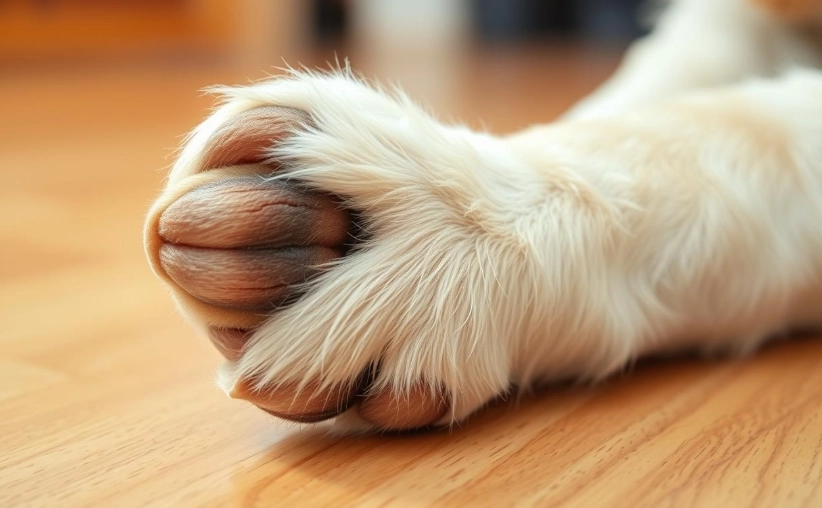
Step 4: The Moisturizing Boost (As Needed)
If pads look dry or rough, apply a tiny dab of coconut oil and massage it in. Your dog will likely try to lick it—that's okay, it's edible. Do this maybe once a week, not after every clean, to let the pads maintain their own toughness.
Handling Mud, Snow, Salt, and Allergies
Not all dirt is created equal. Here’s how to adapt.
For Caked-On Mud: Let it dry completely. Seriously. Trying to wash off wet mud makes a bigger mess. Once dry, most of it will brush or crumble off. Then follow the routine above. For stubborn bits, a soft-bristled brush (like a clean makeup brush) works wonders on dry mud.
For Winter Walks (Salt & Chemical De-icers): This is urgent. These chemicals are toxic and cause burns. Have a basin of lukewarm water ready by the door. The moment you're inside, swish each paw in the plain water to rinse the bulk off. Then, use your diluted vinegar cloth wipe to neutralize and remove any residue. Dry extremely well. Consider using dog booties as a primary barrier—the best "natural" solution is prevention.
For Dogs with Allergies or Itchy Paws: Ditch the vinegar. It might sting. Use a soothing oatmeal paste instead. Grind 1/4 cup of plain oats into powder, mix with a little warm water to form a paste, apply gently to paws, let sit for 2-3 minutes, then wipe off with a damp cloth and dry. The relief is almost immediate.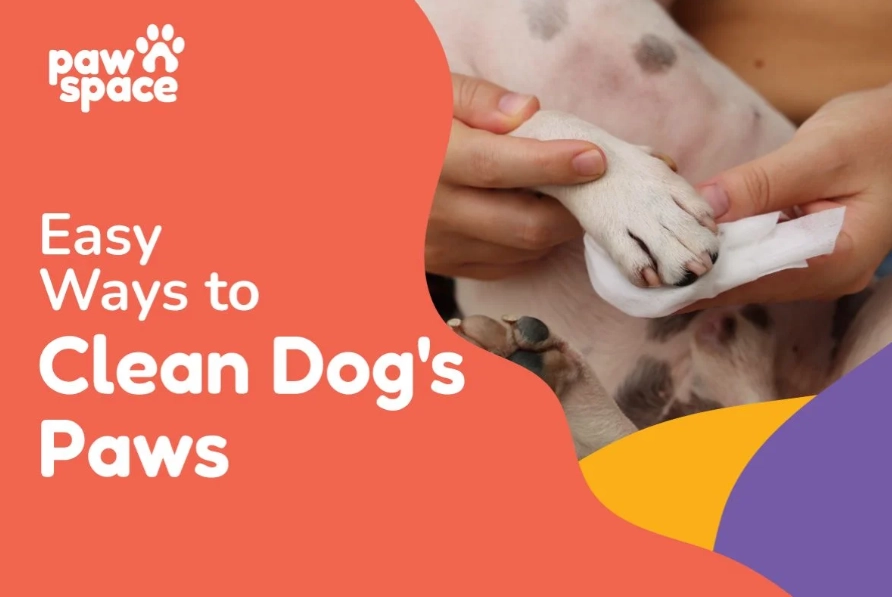
When to See a Vet: Natural cleaning is for maintenance and mild dirt. If you see persistent redness, swelling, bleeding, limping, or your dog is obsessively licking/chewing their paws, stop home care and consult your veterinarian. You could be dealing with an infection, injury, or allergy that needs professional treatment.
3 Mistakes Most Dog Owners Make (And How to Fix Them)
I've seen these over and over.
Mistake 1: Over-cleaning with harsh products. Wiping paws with alcohol-based or strongly scented products daily. This dries out the pads and can cause contact dermatitis. Fix: Stick to the gentle, natural routine above. Your dog's paws don't need to be sterile, just clean of harmful substances.
Mistake 2: Ignoring the hair between the toes. Long hair here acts like a dirt magnet and traps moisture. Fix: Ask your groomer to "sani-trim" the paw pads, or carefully trim the hair between the toes with blunt-nosed scissors (only if you're confident). Less hair means easier cleaning and faster drying.
Mistake 3: Making it a stressful event. Grabbing the dog, holding them down. This creates a lifelong aversion. Fix: Pair paw handling with high-value treats from the start. Touch the paw, give a treat. Hold it, treat. Wipe it, treat. Keep sessions short and positive. My dog now offers his paws because he knows a chicken bit is coming.
Your Questions, Answered
My puppy hates having his paws touched. How do I start?
Start without any cleaning supplies. Sit on the floor with your puppy when they're calm. Gently touch one paw for half a second, then immediately give an amazing treat. Repeat, slowly increasing the duration of touch and adding light pressure. Do this for a few minutes daily, days or weeks before you attempt an actual clean. The goal is to build a positive association first. Rushing this will make every future walk a battle.
Can I use baby wipes instead of a natural solution?
I don't recommend it. Most baby wipes contain preservatives (like methylisothiazolinone) and fragrances that are not meant to be ingested. While convenient, they're a common culprit behind allergic reactions on dogs' skin and paws. A damp cloth with water is safer than a scented wipe. For true cleaning power against oils or chemicals, the diluted vinegar solution is far more effective and predictable.
 How often should I clean my dog's paws naturally?
There's no fixed schedule. Clean them when they're dirty. For most urban or suburban dogs, that's after every walk outside your yard. If your dog only plays on clean, untreated grass in your backyard, you might just do a quick visual check. The key is consistency after potential exposure to street contaminants. It's a habit, like taking off your own shoes.
My dog's paws smell like corn chips even after cleaning. Is that normal?
That "Frito foot" smell is usually caused by harmless bacteria that naturally live on the skin. It becomes pronounced when the paws are slightly damp. If the smell is mild, it's likely normal. If it's strong, foul, or accompanied by licking/redness, it could signal a yeast or bacterial overgrowth, often due to persistent moisture. Ensure you are drying thoroughly between the toes after every wash. If perfect drying doesn't help, consult your vet.
 What's a good natural alternative if I don't have apple cider vinegar?
Plain lukewarm water is your best and safest bet for general dirt. For light disinfecting properties, you can brew a very weak cup of green tea (let it cool completely), as the polyphenols can be soothing. A pinch of baking soda in the wash water can help with odor. But for cutting through grease or potential chemical residues, diluted ACV is hard to beat. It's worth keeping a bottle in your pantry.
Leave a comment