Let's be honest. When you're cooking dinner and your dog gives you that look, it's tempting to share a bit of whatever herb-infused goodness you're making. But you stop yourself. Is rosemary okay? What about that garlic in the sauce? The internet is full of conflicting advice, from "all-natural miracles" to dire warnings. After over a decade of working with holistic vets and experimenting (carefully) with my own dogs, I've learned that the truth is in the middle. A handful of common kitchen herbs and spices can be fantastic, safe supplements for dogs, offering benefits from better digestion to reduced inflammation. The key isn't just knowing which ones are safe, but understanding how to use them correctly. Most people get the dosage wrong, or they buy the wrong form, which is why I see so many well-intentioned owners not getting the results they hope for.
What's Inside This Guide
The Safest Choices: Top 5 Herbs & Spices for Canine Health
Forget the exotic, hard-to-find stuff. The most effective herbs are often already in your pantry. These five have the strongest track record of safety and researched benefits for dogs. I've ranked them based on versatility, evidence, and ease of use.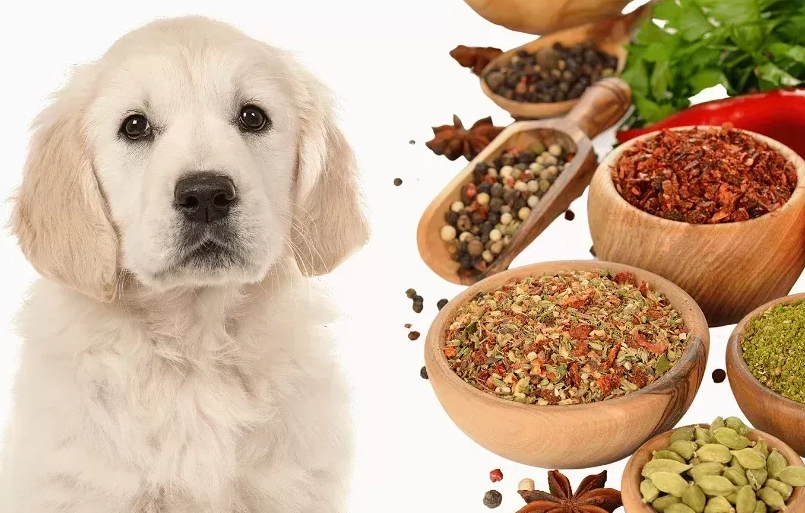
| Herb/Spice | Key Benefits for Dogs | How to Use & Precautions |
|---|---|---|
| Turmeric | Powerful anti-inflammatory (great for arthritis, joint stiffness), antioxidant support, may aid digestion. | Always mix with a pinch of black pepper and a healthy fat (coconut oil, olive oil) to boost absorption. Start with 1/8 tsp per 10 lbs of body weight daily. Can stain light fur. |
| Ginger | Excellent for nausea, motion sickness, and upset stomachs. Anti-inflammatory properties. | Use fresh grated ginger (1/4 tsp for small dogs, 1/2 tsp for large dogs) or a high-quality powder. Best given 30 mins before car travel for motion sickness. |
| Parsley (Flat-leaf or Curly) | Freshens breath naturally, acts as a diuretic (helps with mild fluid retention), source of vitamins K, C, and A. | Use fresh, finely chopped. A small sprinkle on food is plenty. Avoid in large quantities if your dog has kidney issues. |
| Basil | Antioxidant, anti-inflammatory, and may have mild calming effects. Contains vitamins and minerals. | Fresh is best. Chop a few leaves and mix into food. It's very safe, making it a great "beginner" herb. |
| Oregano | Antimicrobial and antifungal properties. Can support gut health and the immune system. | Use sparingly. Dried oregano is potent—a tiny pinch (think 1/16 tsp) for a medium dog is enough. Too much can irritate the gut. |
I want to highlight turmeric because it's where most people stumble. They buy a cheap powder from the spice aisle, give a teaspoon to their Lab, and see zero improvement in his limping. The problem isn't turmeric; it's bioavailability. Curcumin, the active compound, is poorly absorbed by both humans and dogs. Without black pepper (piperine) and a fat source, most of it passes right through. It's a classic example of doing the right thing the wrong way.
How to Safely Introduce Herbs to Your Dog's Diet
Throwing a bunch of new plants into your dog's bowl is a recipe for digestive upset. Their systems need time to adjust. Here's the protocol I follow with every new herb, and it's never failed me.
Start Low, Go Slow (The Golden Rule)
Begin with about 1/4 of the recommended dose. For a 40lb dog starting turmeric, that's a tiny smidge of paste, not a full scoop. Mix it thoroughly into their regular food. Do this for 3-4 days, watching their stool and energy levels closely. If all is well, you can gradually increase to the full dose over the next week. If you see loose stools or lethargy, back off the amount.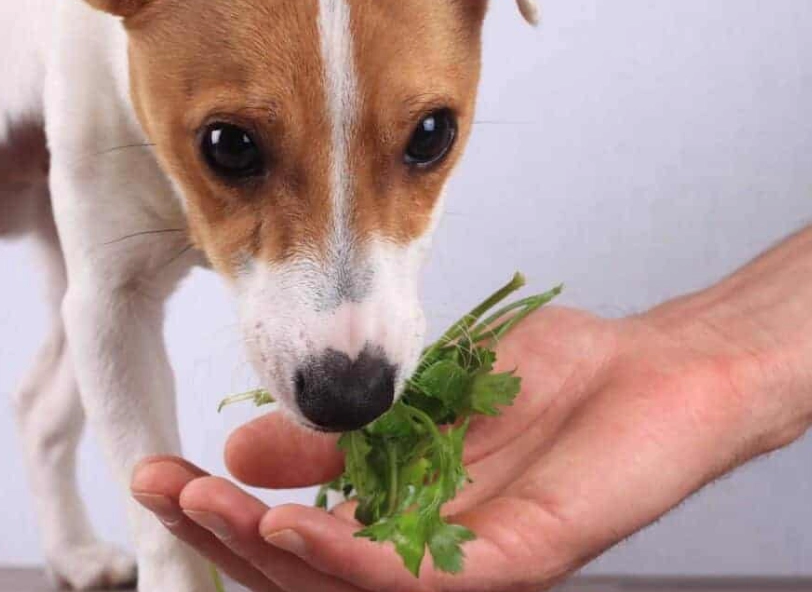
Choosing the Right Form: Fresh, Dried, or Supplement?
This depends on the herb and your goal.
Fresh herbs like parsley, basil, and cilantro are fantastic for breath and adding phytonutrients. They're mild and low-risk. Just wash and chop.
Dried herbs and spices (turmeric, ginger powder, oregano) are more concentrated. You must use much less. The quality here is critical. Old, stale spices from the back of your cupboard have lost most of their beneficial oils.
Commercial supplements (capsules, tinctures) can be convenient, but you have to be a detective. Look for brands that use organic ingredients, specify the concentration of active compounds, and are made specifically for pets. The U.S. Food and Drug Administration (FDA) doesn't tightly regulate pet supplements, so brand reputation is everything.
The Must-Avoid List: Herbs & Spices That Are Toxic to Dogs
This list is non-negotiable. While the "good" list is about moderation, these should be completely excluded from your dog's environment.
- Garlic & Onions (Allium family): This is the big one. Yes, you'll find old-school resources suggesting tiny amounts of garlic for fleas. Modern veterinary science, including the Merck Veterinary Manual, is clear: they contain compounds that can cause oxidative damage to red blood cells, leading to hemolytic anemia. The risk isn't worth the unproven benefit. No garlic powder in treats, no onion in scraps.
- Nutmeg: Contains myristicin, which can cause hallucinations, high heart rate, disorientation, and seizures in dogs. Even a small amount can be dangerous.
- Salt: In large amounts, it can lead to sodium ion poisoning—excessive thirst, vomiting, diarrhea, tremors, and even death. Avoid heavily salted foods and don't add table salt to their diet.
A common mistake I see is owners confusing similar plants. For example, chives are part of the toxic Allium family, while chive blossoms might look harmless. When in doubt, leave it out.
Buying & Storing Tips: Don't Waste Your Money
If you're going to do this, do it right. Using low-quality herbs is like feeding your dog empty calories.
For dried herbs and spices: Seek out organic brands when possible. Pesticide residue concentrates in dried plants. Buy from stores with high turnover to ensure freshness. Check the packaging date if available. Store them in a cool, dark cupboard, not in a clear jar on the stove where heat and light degrade them rapidly. They should still have a vibrant color and strong aroma. If your turmeric smells like dust, it is dust.
For fresh herbs: Grow your own in a small pot if you can. It's cheap, easy, and guarantees freshness. Otherwise, buy organic bunches, wash them well, pat dry, and store them wrapped in a slightly damp paper towel in a sealed container in the fridge. They'll last much longer.
My personal rule: I dedicate a small section of my spice rack to the dog's herbs. It has its own turmeric, ginger powder, and oregano. This prevents cross-contamination with my heavily salted or garlicky blends and reminds me to check their freshness regularly.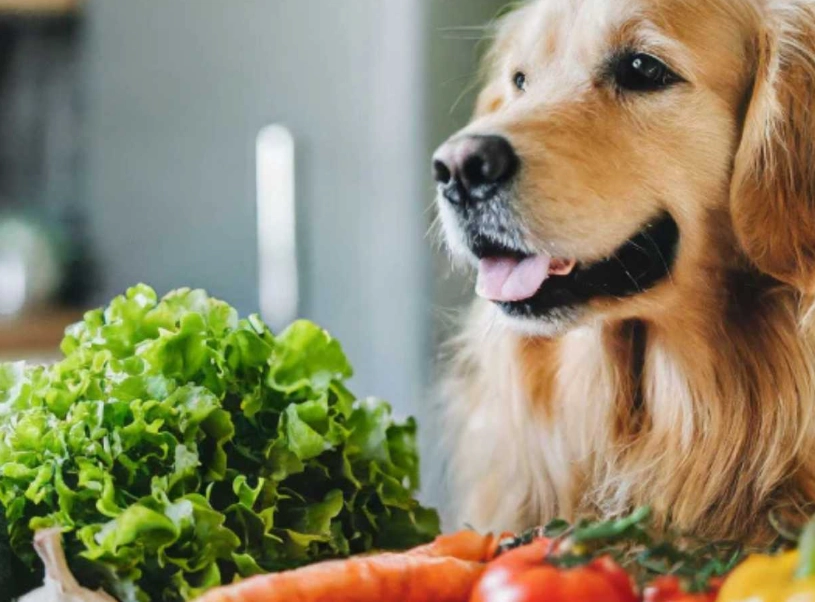
Your Questions Answered: The Real-World FAQ
My dog has arthritis. Can I just add turmeric to his kibble, or do I need a specific supplement?
Are there any herbs that can help calm my anxious dog during thunderstorms?
I grow mint in my garden. Is it safe for my dog to chew on?
How do I know if my dog is having a bad reaction to a new herb?


Leave a comment