Let's cut to the chase. If you're a new breeder or a foster carer staring at a litter of squeaking puppies at 3 AM, you want a straight answer. How long will this nightly ritual last? The short answer is: Puppies typically rely on their mother for all their nutrition, including night feeds, for the first 3-4 weeks. After that, the "night nursing" phase gradually blends into the weaning process, which is complete by around 6-8 weeks of age.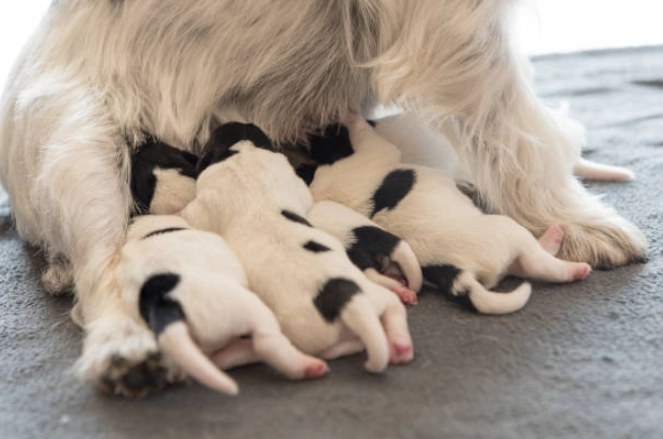
But that's just the headline. The real story is in the details—knowing why this timeline exists, spotting the signs that things are changing, and understanding your role in making the transition smooth. I've raised several litters over the years, and the biggest mistake I see is people treating weaning like a light switch: on (milk) one day, off (kibble) the next. It's a slow dance, not a flip.
What's Inside? Your Quick Guide
- Why Night Nursing is Non-Negotiable (At First)
- The Night Nursing & Weaning Timeline: Week by Week
- How to Smoothly Transition Off Night Feeds
- 3 Common Night Weaning Mistakes (And How to Avoid Them)
- Signs Your Puppy's Night Weaning is on Track
- Alternative Night Feeding: When Mom Isn't Around
- Your Nighttime Puppy Feeding Questions, Answered
Why Night Nursing is Non-Negotiable (At First)
Newborn puppies are basically tiny, blind, deaf, and helpless digestive systems. Their stomachs are the size of a hazelnut. They can't regulate their own body temperature. Colostrum, the first milk, is packed with antibodies they desperately need since they're born with zero immunity. According to the American Kennel Club (AKC), this passive immunity is critical for survival.
So, nursing every 2-3 hours, around the clock, isn't a suggestion—it's a biological imperative. It's about constant energy input and hydration. The mother's milk is perfectly balanced for their needs. Trying to limit or schedule night feeds in the first two weeks can literally stunt their growth or make them sick.
Think of it this way: you wouldn't expect a human newborn to sleep through the night without feeding. Puppies are the same.
The Night Nursing & Weaning Timeline: Week by Week
Here’s where a table makes more sense than paragraphs. This is the general roadmap, but remember, some litters move faster, some slower. Giant breeds often wean a bit later than toy breeds.
| Puppy Age | Primary Nutrition & Night Behavior | Puppy's Capabilities | Human/Breeder Role |
|---|---|---|---|
| Weeks 1-2 | 100% mother's milk. Nursing every 2-3 hours, day and night. The mother initiates most feeds. | Eyes and ears closed. Totally dependent on mom for food, warmth, and elimination. | Provide a warm, quiet whelping box. Ensure mom has constant access to high-quality food and water. Monitor weight gain daily. |
| Weeks 3-4 | Still majority mother's milk. Night feeds continue but may stretch to 4-5 hours as puppies sleep longer. Weaning introduction begins. | Eyes open, ears open. Starting to walk and play. Teeth begin to erupt (ouch for mom!). | Introduce a gruel (high-quality puppy mush mixed with puppy milk replacer) once a day in a shallow dish. This is exploratory, not a meal replacement. |
| Weeks 5-6 | The major shift. Solid food intake increases significantly. Nursing becomes more for comfort and supplemental nutrition. Mother may start refusing night feeds or shortening them. | Very active, playing with littermates. Fully able to eat from a bowl. Learning bite inhibition from mom and siblings. | Offer gruel 3-4 times daily. Gradually thicken consistency. Mom will naturally spend more time away from the litter. You can start separating mom and pups for a few hours at a time, especially at night. |
| Weeks 7-8 | Weaning completion. Puppies should be fully on solid puppy food. Nursing is rare, mostly a comfort behavior. Mother's milk production dries up. | Fully weaned, socially learning, ready for early training. Should be eating kibble softened with water or specific puppy food. | Puppies should be eating 4 scheduled meals of puppy food. Final vet check, deworming, and first vaccinations before going to new homes (at 8+ weeks). |
A subtle point most guides miss: Watch the mother. She's your best guide. A good mom will start weaning her pups herself around week 5-6. She'll get up and walk away when they try to nurse, or she'll only allow short sessions. If she's still letting 7-week-olds nurse constantly, she might be anxious, or the pups might not be getting enough from the solid food you're offering. Her behavior is a critical data point.
How to Smoothly Transition Off Night Feeds
This is the practical part. You don't just wake up on day 42 and declare "no more milk!" Here's a step-by-step approach that works.
Start with Daytime Solids
Introduce the puppy gruel during the day when everyone is alert. Make it a positive, messy experience. Don't force their faces in it. Let them walk through it, lick it off each other, and explore. I like to use a flat ceramic plate for this—less intimidating than a bowl.
Create a Daytime Feeding Schedule
By week 5, aim for three scheduled gruel meals a day (e.g., 8 AM, 1 PM, 6 PM). This structures their hunger and starts to disconnect them from the "nurse on demand" cycle.
The Nighttime Separation Strategy
This is the key to reclaiming your sleep. Around week 5-6, after the last evening meal and potty break, separate the puppies from their mother for the night. Put them in a warm, safe pen right next to where mom sleeps, so they can still smell and hear her. They have full bellies of solid food and water available.
They will cry. It's normal. They're protesting the loss of the ultimate comfort object. But if they've eaten well, the crying is for comfort, not starvation. This separation gives mom a crucial break and tells the pups that night is for sleeping, not eating.
Gradually Thicken the Food
Each day, make the gruel a bit less soupy. By week 7, you should be transitioning to high-quality puppy kibble, softened with warm water. The VCA Animal Hospitals provide excellent guidelines on choosing a proper puppy diet.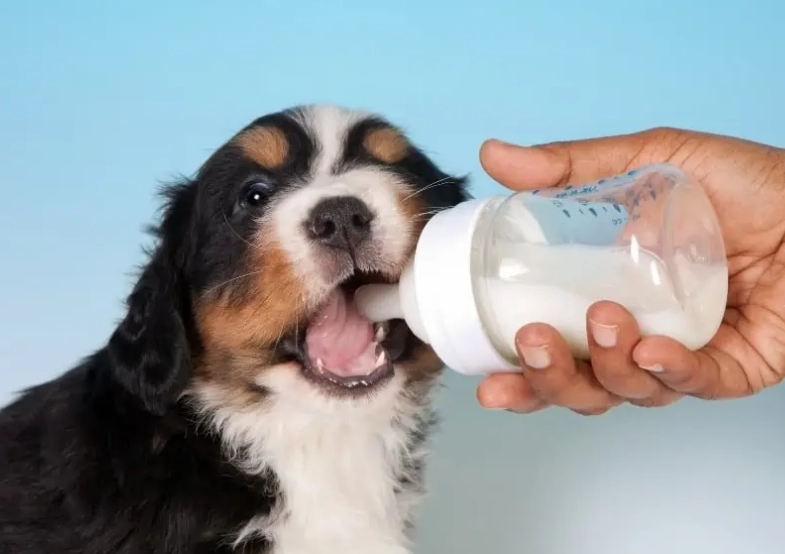
3 Common Night Weaning Mistakes (And How to Avoid Them)
- Weaning Too Early (Before 3-4 Weeks). This is a huge one driven by impatience or misinformation. Puppies' digestive systems simply aren't ready. It can lead to diarrhea, malnutrition, and poor immune development. Stick to the biological timeline.
- Going Cold Turkey. Suddenly removing the mother 24/7 is stressful for everyone. It can cause anxiety in the pups and engorgement/mastitis in the mom. The separation should be gradual, starting with a few daylight hours, then extending to overnight.
- Ignoring Weight and Stool. Your eyes can deceive you. Weigh the puppies daily during weaning. Steady weight gain is your green light. If weight plateaus or drops, or if stools become watery, slow down the weaning process. You might be moving too fast.
Red Flag: If a puppy consistently cries, seems lethargic, or isn't gaining weight while littermates are, it may be failing to thrive or not competing well for food. This puppy may need supplemental bottle feeding or to be fed separately from the group. Consult your vet immediately.
Signs Your Puppy's Night Weaning is on Track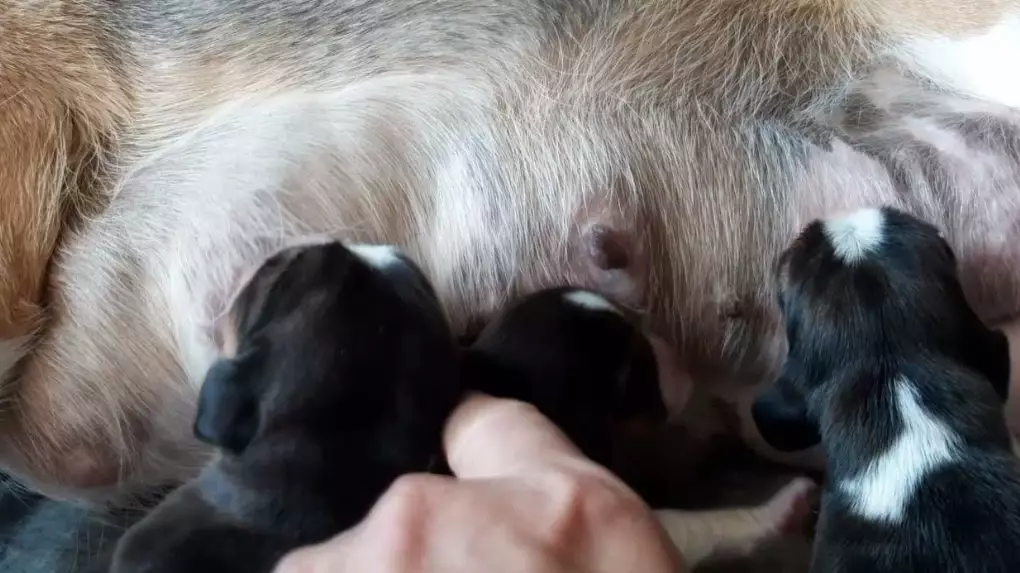
How do you know it's working? Look for these positive signals:
- They sleep through the separation. After a few nights of protest, they start sleeping peacefully for 6-8 hours when separated from mom.
- They devour their solid meals. They come running to the food bowl with enthusiasm.
- Mom is relaxed apart from them. She willingly leaves the litter and seems less harassed by constant nursing demands.
- Stools are firm and well-formed. This indicates their gut is handling the new food well.
Alternative Night Feeding: When Mom Isn't Around
What if you're hand-raising orphaned puppies or the mother can't feed? The principles are similar, but you are the clock.
Newborns to 3 Weeks: You'll be bottle-feeding or syringe-feeding a commercial puppy milk replacer (never cow's milk!) every 2-3 hours, day and night. Yes, that means setting alarms. The ASPCA has detailed hand-rearing guides. It's exhausting, but non-negotiable.
Week 4 Onward: You can follow the same weaning timeline. Introduce the gruel at the same age. The difference is you control the "night weaning" by gradually stretching the time between their last late-night bottle and their first early morning bottle, while ensuring their daytime calorie intake from solids increases.
You become the one who decides when the 2 AM feed ends, based on their consumption of solid food.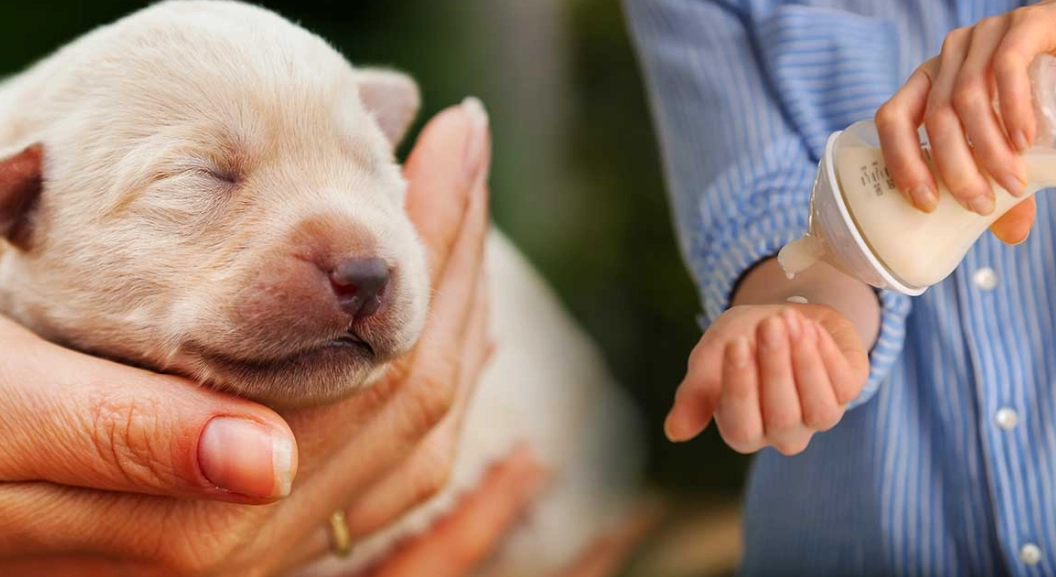
Your Nighttime Puppy Feeding Questions, Answered
At 5 weeks, it's likely a mix of both, but leaning heavily toward habit and comfort. First, audit the daytime feeding. Is the puppy eating a good amount of gruel at its scheduled meals? Is it gaining weight? If yes, then the night crying is behavioral. The puppy has learned that crying brings warmth and comfort (mom or you). The separation strategy is crucial here. Ensure the puppy's sleeping area is warm, has a soft bed, and maybe a safe, warm snuggle toy. Responding to every cry with food or cuddles reinforces the behavior. It's tough, but sometimes you have to let them self-soothe for a few nights to break the cycle.
Absolutely, and you should. Once you start introducing solid food (the gruel), make fresh, clean water available to them at all times in a shallow, tip-proof bowl. They'll start to figure it out. This helps with hydration as they take in less liquid from mom's milk. It's a key part of becoming independent.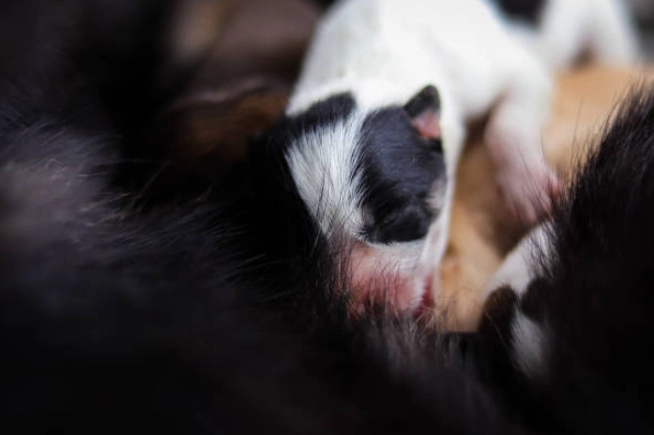
It can be, especially if she's a first-time mom or if the puppies' teeth are coming in and nursing is becoming painful. It's her way of saying, "Enough for now." This is your cue to ramp up the solid food offerings. Make sure the puppies are getting enough calories during the day so they aren't desperately hungry at night. You might need to step in and start the nighttime separation a little earlier than planned. Monitor her for signs of mastitis (hot, hard, painful mammary glands) though—if she's weaning them too abruptly, she could develop an infection.
Forget fixed amounts. This is where daily weighing is non-negotiable. Start by offering a small amount of gruel—maybe a tablespoon or two per puppy. Let them eat until they lose interest or their bellies look gently rounded but not distended. Clean up the leftovers. The goal is to increase the amount offered as they grow. A good rule of thumb is they should be eating about 1/2 cup of high-quality puppy food per pound of body weight (split over 3-4 meals) by the time they are fully weaned onto kibble. But always, always let the puppy's growth curve and your vet be the final guide.
 My puppy is 8 weeks and home with me, but still seems hungry at night. What do I do?
This is now a schedule and routine issue, not a weaning one. An 8-week-old puppy should be on 3-4 scheduled meals of puppy kibble per day. Make sure the last meal is about 2-3 hours before bedtime. Right before bed, take the puppy out to eliminate. The crate or sleeping area should be comfortable and next to your bed. If it whines, it's more likely needing to go potty, feeling lonely, or still learning the routine—not starving. Stick to the daytime feeding schedule, avoid feeding at night, and the hunger cues will re-align with daylight hours within a few days.



Leave a comment