You're looking at your dog's bowl and wondering if that sprinkle of parsley from last night's dinner would be okay. Or maybe you've heard about turmeric for joint health and you're curious. The short answer is yes, many herbs are fantastic for dogs, but the how, which ones, and how much are everything. Getting it wrong isn't just ineffective—it can be dangerous. I've been integrating herbs into my dogs' meals for over a decade, and I've learned the hard way that "natural" doesn't automatically mean "safe." Let's cut through the hype and get into the specifics of what actually works.
Your Quick Herb Guide
Why Bother with Herbs in Dog Food?
Think of herbs as a nutritional boost, not a magic pill. Commercial kibble, even the good stuff, can be processed at high temperatures that degrade some nutrients. Fresh herbs add back phytonutrients, antioxidants, and enzymes in their natural state. It's like giving your dog a multivitamin that actually tastes good. For dogs on a homemade diet, herbs are a strategic way to address specific needs—calming anxiety, supporting digestion, or reducing inflammation—without immediately jumping to pharmaceuticals. The American College of Veterinary Nutrition acknowledges the growing interest in and potential benefits of functional foods, including herbs, in canine diets.
But here's the expert nuance everyone misses: Herbs work best as a long-term, low-dose support system. Don't expect to see dramatic changes overnight from a pinch of oregano. The benefit is cumulative, building resilience over weeks and months. I made this mistake early on, giving larger doses hoping for a quick fix for my older dog's stiffness, only to upset his stomach. Patience and consistency are key.
The Vet-Approved Safe Herb List
This isn't just a random list. These are herbs with a history of safe use in canine nutrition and supportive research. I've organized them by their primary benefit to help you choose.
| Herb | Primary Benefits for Dogs | How to Use & Dosage (Per 20 lbs of body weight) | Form to Use |
|---|---|---|---|
| Parsley | Freshens breath, acts as a diuretic, rich in vitamins A, C, K. | 1 tsp finely chopped fresh, or 1/4 tsp dried. Use intermittently, not daily. | Fresh (flat-leaf or curly), dried. |
| Oregano | Antioxidant, antimicrobial, may support gut health. | A tiny pinch of dried (less than 1/8 tsp) or one small fresh leaf, finely minced. Very potent. | Dried (preferred for controlled dosing), fresh. |
| Basil | Anti-inflammatory, antioxidant, may help with arthritis discomfort. | 2-3 fresh leaves chopped, or 1/4 tsp dried. | Fresh (Sweet basil), dried. |
| Thyme | Supports respiratory health, has antiseptic properties. | 1/4 tsp dried, or 1/2 tsp fresh, finely chopped. | Dried, fresh. |
| Turmeric | Powerful anti-inflammatory (curcumin), supports joints and overall wellness. | 1/8 to 1/4 tsp powdered turmeric. CRUCIAL: Always mix with a pinch of black pepper and a fat (like coconut oil) to boost absorption. | Powder (pure turmeric, not curry powder). |
| Ginger | Excellent for nausea, motion sickness, and digestion. | A few slivers of fresh grated ginger (size of a pea), or a pinch of powder. Give 30 mins before car rides for motion sickness. | Fresh root (grated), powder. |
| Mint (Spearmint) | Settles upset stomach, freshens breath. Gentler than peppermint. | 1-2 fresh leaves chopped, or a small pinch dried. | Fresh spearmint leaves (avoid peppermint for dogs). |
| Dill | Carminative (reduces gas), can stimulate appetite. | 1/2 tsp fresh chopped dill weed, or 1/4 tsp dried. | Fresh dill weed, dried. |
| Sage | Antioxidant, may support cognitive function in older dogs. | Tiny amount only. 1 small fresh leaf minced, or a pinch of dried. Do not use essential oil. | Fresh, dried (use sparingly). |
| Rosemary | Antioxidant, may improve circulation. Often used as a natural preservative in premium dog foods. | A very small sprig fresh (removed before serving) or 1/8 tsp dried. Avoid concentrated extract. | Fresh, dried. |
Pro Tip from the Kitchen: When using dried herbs, remember they are about 3 times more concentrated than fresh. Always start with half the recommended amount of dried versus fresh. The "per 20 lbs" dosage is a starting guideline. For a 10 lb dog, halve it. For an 80 lb dog, you might not quadruple it—sometimes a double dose is sufficient. Watch your dog's reaction.
How to Introduce Herbs to Your Dog's Diet
Dumping a bunch of new herbs into tonight's dinner is a recipe for digestive upset. You need a plan.
Start Slow, One at a Time
Pick one herb that addresses a concern you have. Start with a dose at the lower end of the recommendation. Mix it thoroughly into their regular wet food, a bit of plain yogurt, or a spoonful of pureed pumpkin. Do this for 3-5 days. Watch their stool, energy levels, and behavior. Any signs of loose stool, vomiting, or lethargy? Stop immediately. If all is well, you can continue or consider adding a second herb the following week.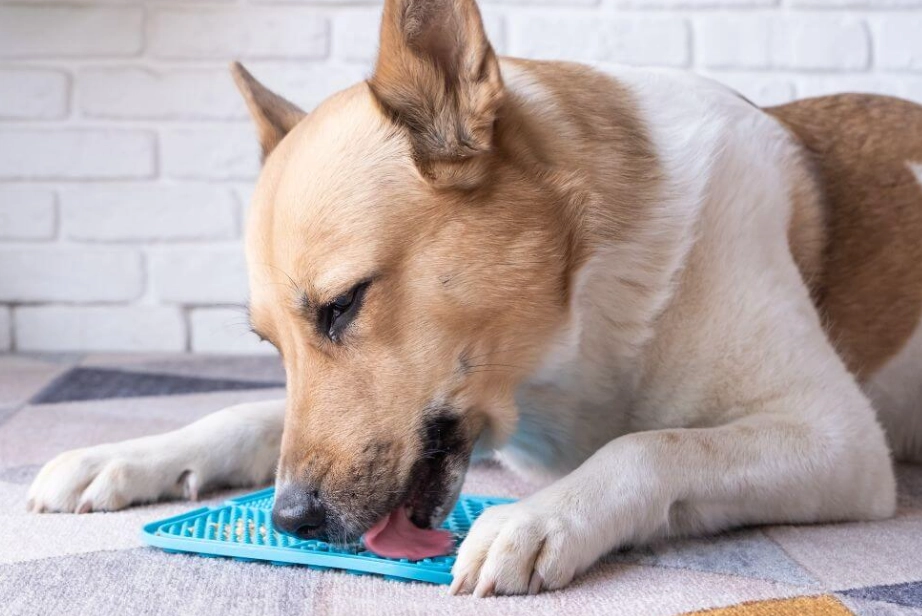
Making It Practical: A Sample "Meal Boost"
Let's say you have a 40 lb dog with some occasional stiffness. Here's what a weekly booster might look like:
- Monday/Wednesday/Friday: Add 1/4 tsp turmeric powder + a crack of black pepper + 1/2 tsp coconut oil to their evening meal.
- Tuesday/Thursday: Add 1 tsp of finely chopped fresh parsley or basil.
- Weekend: Give their system a break, or offer a small amount of grated ginger if they seem off.
This rotation provides benefits without overloading their system with any single compound.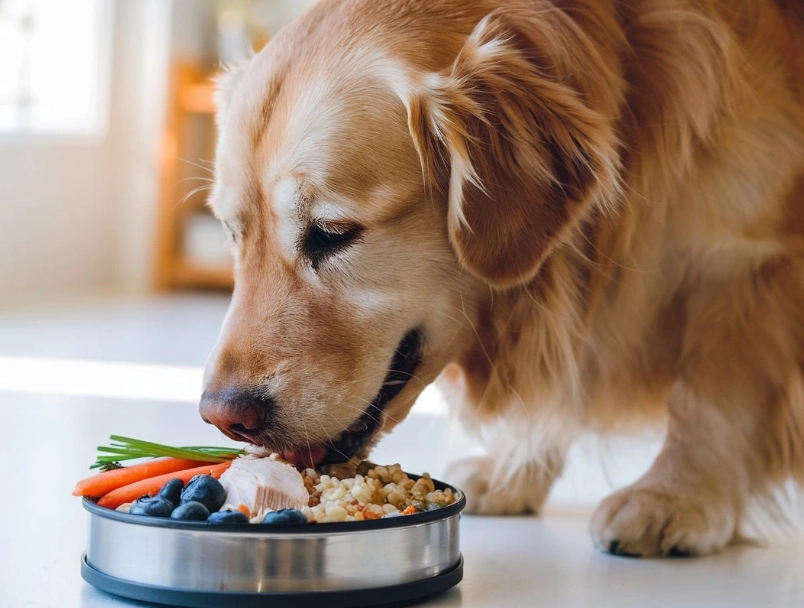
Non-Negotiable Safety Check: Always, always talk to your vet before starting any new supplement, including herbs. This is critical if your dog is on medication (herbs can interact), is pregnant, or has a pre-existing condition like liver or kidney disease. Your vet knows your dog's full history.
Herbs You Must Absolutely Avoid
This list is just as important as the safe one. Some common kitchen and garden herbs are toxic to dogs.
- Garlic & Onions (Allium family): In large enough quantities, they can cause hemolytic anemia, damaging red blood cells. While tiny amounts in some commercial foods are debated, it's not worth the risk at home. Skip it entirely.

- Nutmeg: Contains myristicin, which can cause hallucinations, high heart rate, and seizures in dogs.
- Chives: Same family as garlic and onions, highly toxic.
- Bay Leaf: The stiff, sharp leaves can cause GI obstruction or puncture and are difficult to digest.
- Marijuana (Cannabis): THC is toxic to dogs, causing severe neurological symptoms. Avoid any products containing it.
A good rule of thumb from the ASPCA Animal Poison Control Center: if you're not 110% sure an herb is safe, don't use it. Stick to the proven list above.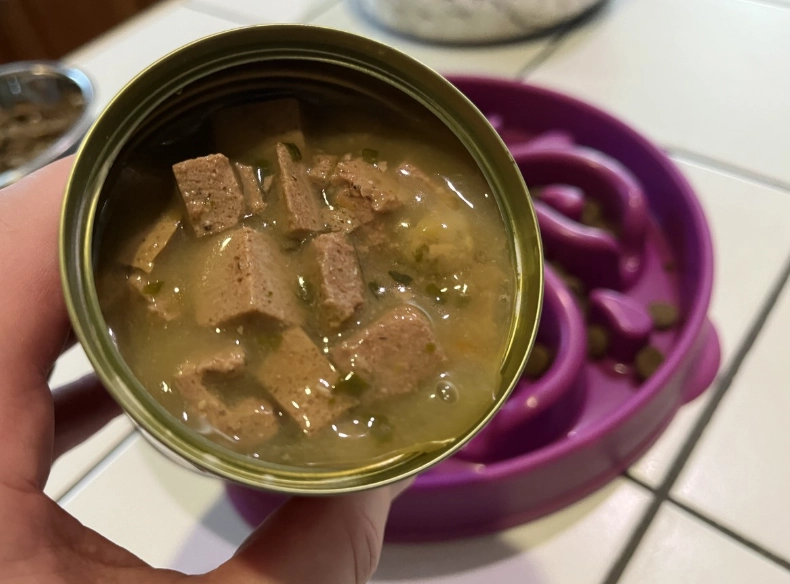




Leave a comment