I still remember the day my Labrador, Buddy, growled at me when I reached for his chew toy. It wasn't a playful growl—it was low, tense, and his body went stiff. That's resource guarding, and if you're dealing with it, you know how stressful it can be. Your dog isn't being "bad"; it's a natural instinct that can be managed with the right training. In this guide, I'll walk you through exactly how to tackle resource guarding dog training, based on my decade of experience working with aggressive behaviors. We'll cover everything from why dogs do this to step-by-step fixes that actually work.
What You'll Find in This Guide
What is Resource Guarding and Why It Happens
Resource guarding is when a dog protects valued items—food, toys, beds, even people—from perceived threats. It's rooted in survival instinct. In the wild, keeping resources meant living another day. For pet dogs, it often stems from insecurity or past experiences. The American Kennel Club notes that guarding behaviors can develop even in well-cared-for dogs due to genetics or lack of early socialization.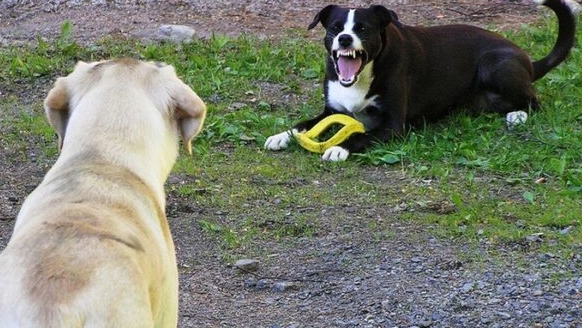
Signs include growling, snapping, stiffening, or giving you "whale eye" (showing the whites of their eyes). Some dogs guard subtly, like turning their body away or eating faster when you're near. It's not dominance; that's an outdated myth. Most guarding comes from fear of loss.
Key insight: Many owners miss early signs because they think their dog is just "enjoying" their toy. But if your dog freezes when you approach, that's a red flag. I've seen cases where mild guarding escalated because people ignored these cues.
Step-by-Step Training to Stop Resource Guarding
This isn't a quick fix. It requires patience and consistency. The goal is to change your dog's emotional response from "Oh no, they're taking my stuff" to "Yay, good things happen when they're near." We'll use positive reinforcement, which the American Veterinary Society of Animal Behavior recommends for behavior modification.
Step 1: Identify Triggers and Manage the Environment
First, figure out what your dog guards and under what conditions. Is it only high-value treats? Or everything? Start by removing triggers temporarily. Feed your dog in a separate room, put away prized toys, and avoid confrontations. This prevents rehearsal of the guarding behavior. Management is half the battle—it keeps everyone safe while you train.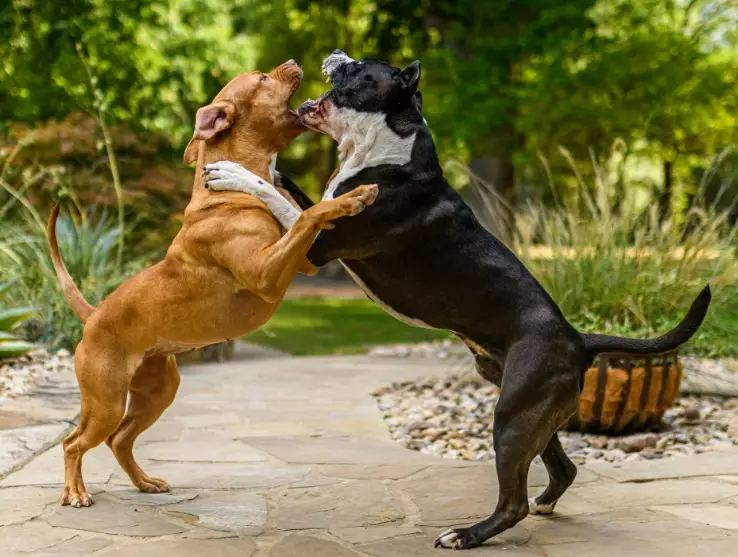
Step 2: Use the "Trade-Up" Game
This is my go-to technique. Instead of taking things away, teach your dog that giving up an item leads to something better. Here's how:
- Start with a low-value item your dog doesn't guard much.
- Approach calmly, toss a high-value treat (like chicken) near them, and walk away.
- Repeat until your dog looks up expectantly when you approach.
- Gradually ask them to drop the item for the treat.
Do this daily in short 5-minute sessions. The key is to never force the item away. If your dog growls, back off and use a lower-value item. I trained Buddy by starting with an old chew toy and working up to his favorite bone over weeks.
Step 3: Desensitize to Proximity and Touch
Once the trade-up is solid, work on getting closer. Walk by while your dog eats, dropping treats into their bowl without taking anything. This builds positive associations. Then, gently touch their back or the item while they're engaged, immediately rewarding. Increase difficulty slowly. If at any point your dog shows tension, go back a step.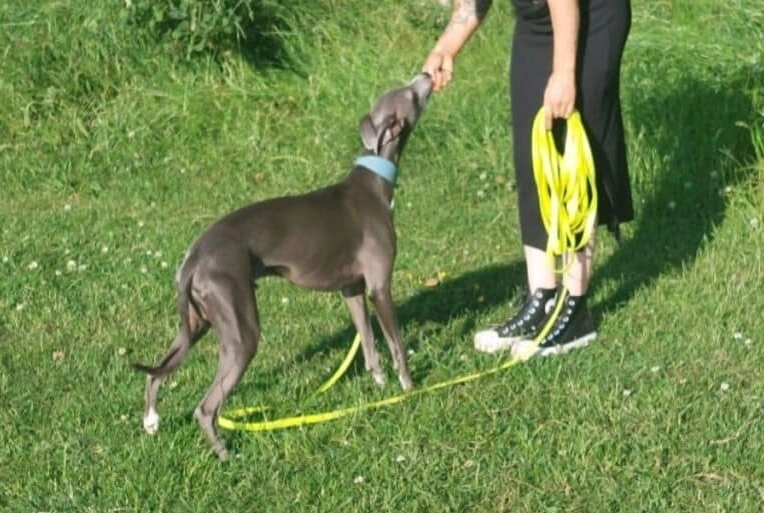
Here's a sample progression table for food bowl guarding:
| Stage | Action | Reward | Frequency |
|---|---|---|---|
| 1 | Stand 6 feet away while dog eats | Toss treat toward bowl | 10 times per meal |
| 2 | Stand 3 feet away | Drop treat in bowl | 5-7 times |
| 3 | Walk by closely | Add high-value treat | 3-5 times |
| 4 | Touch bowl lightly | Give chicken piece | 2-3 times |
Step 4: Generalize to Different Resources and Situations
Practice with various items—toys, beds, chews. Also, involve family members slowly. For multi-dog households, train each dog separately first, then supervise controlled interactions. A common mistake is rushing this stage; I've seen dogs regress when a new person suddenly approaches their food.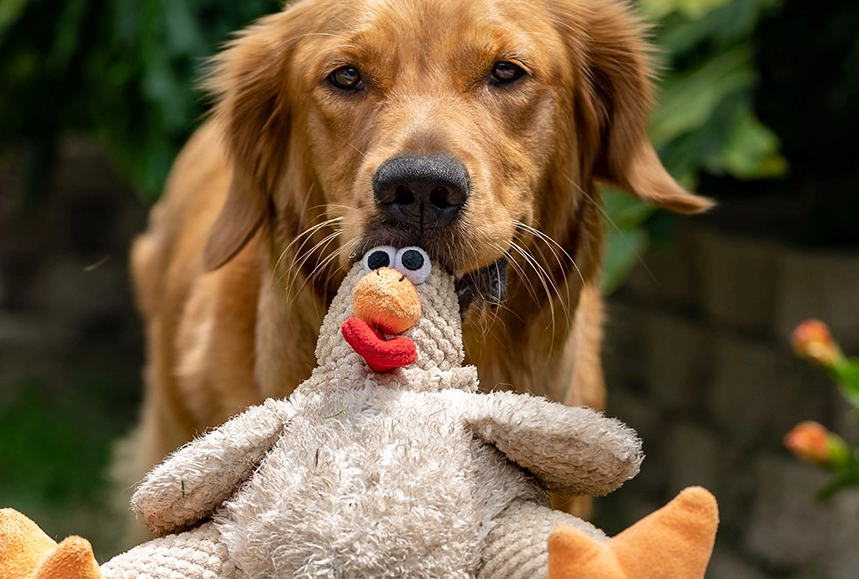
Common Pitfalls and How to Avoid Them
After years of training, I've noticed owners often sabotage their progress. Here are the top errors:
- Punishing the growl: This suppresses warning signs, so the dog might skip to biting. Instead, see growling as communication and adjust your training.
- Inconsistency: Training one day and ignoring the next confuses the dog. Commit to daily sessions, even if brief.
- Using low-value rewards: If your dog guards steak, don't offer kibble as a trade. Use something better—like cheese or liver treats.
- Moving too fast: Pushing proximity before the dog is ready can trigger guarding. Go at your dog's pace.
Another subtle error: assuming the dog "knows" the training. Dogs don't generalize well. Just because they're fine with you near their bowl doesn't mean they'll accept your kids. Train in different contexts.
Real-Life Case Study: Transforming a Guarding Dog
Let me share a story about a client's dog, Bella, a rescue who guarded her bed fiercely. Bella would snap if anyone came within three feet. We started by moving her bed to a low-traffic area and using the trade-up game with a blanket instead. Over six weeks, we progressed:
- Week 1-2: Tossing treats near the bed without approaching.
- Week 3-4: Approaching slowly, rewarding calm behavior.
- Week 5-6: Gently touching the bed while Bella was on it, then giving high-value rewards.
By week eight, Bella would voluntarily get off her bed when asked, knowing she'd get a treat. The owner reported no incidents in three months. The key was never forcing Bella off; we let her choose to move. This built trust instead of fear.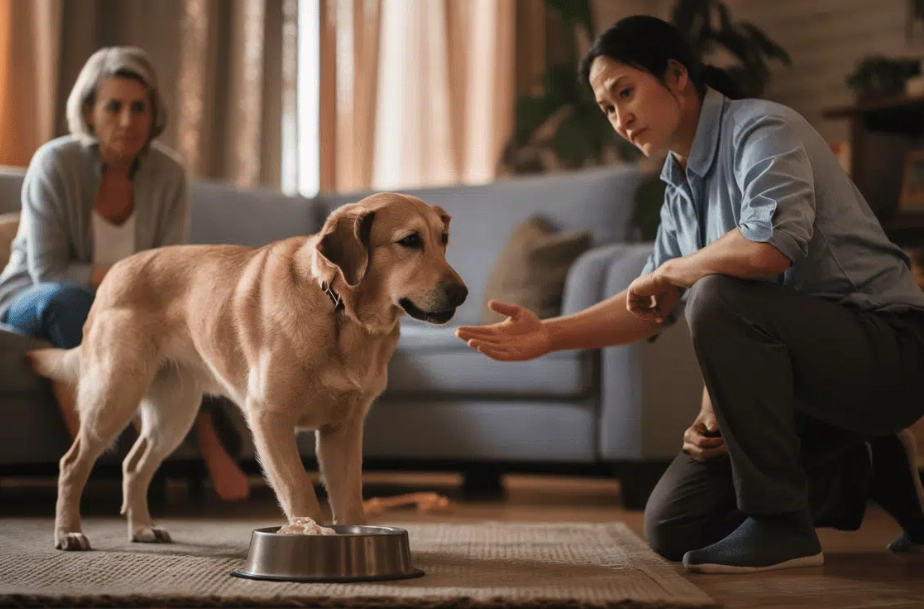
Frequently Asked Questions
Resource guarding dog training isn't about dominance or quick fixes. It's about building trust through positive methods. Start today with small steps, and remember that setbacks are normal. If you're ever unsure or dealing with severe aggression, consult a certified professional dog trainer or veterinary behaviorist. For more on canine behavior, check resources from the American Kennel Club or your local animal behavior association. Your dog can learn to feel secure without guarding—it just takes time and the right approach.
Leave a comment