In This Guide
- Why Your Dog Needs *Something* After Surgery (It’s Not Just an Annoyance)
- Soft Dog Collar vs. The Classic Plastic Cone: A Side-by-Side Smackdown
- How to Choose the BEST Soft Dog Collar After Surgery for Your Dog
- The Big Disclaimer: Always, Always Talk to Your Vet First
- Making It Work: Tips for Success with a Post Surgery Dog Collar
- Beyond the Collar: Other Post-Op Recovery Aids
- Your Top Questions About Soft Dog Collars After Surgery, Answered
- The Bottom Line
Let’s be honest. Seeing your dog come home from the vet after surgery, maybe a bit woozy, with a giant plastic cone on their head… it’s heartbreaking. They look miserable. They bash into every doorframe, can’t figure out how to drink water, and that constant *thump, thump, scrape* against the floor is enough to drive anyone crazy. You immediately think, "There has to be a better way."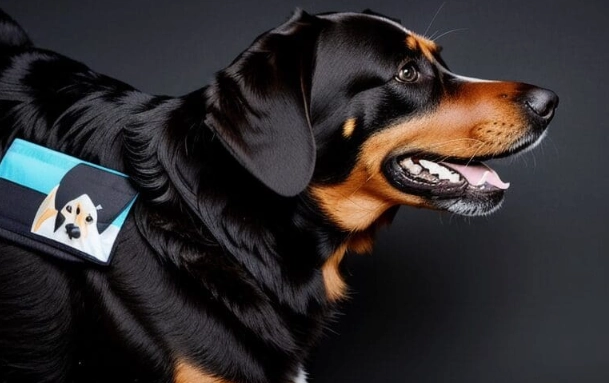
Well, there often is. Enter the soft dog collar after surgery. It’s like the kinder, gentler cousin of the dreaded "cone of shame." But is it right for your dog? I’ve been through this a few times with my own dogs—a lab who needed knee surgery and a terrier mix who was a world-class licker after a minor lump removal. I’ve learned a lot through trial, error, and some serious online digging.
This guide isn’t just a list of products. It’s everything I wish I’d known. We’ll break down exactly what a soft recovery collar for dogs is, when it works (and when it absolutely doesn’t), how to pick the perfect one, and how to make the whole recovery process less stressful for everyone. Because your dog’s comfort matters just as much as their healing.
Why Your Dog Needs *Something* After Surgery (It’s Not Just an Annoyance)
Before we dive into the soft options, let’s get this straight. The collar, cone, or whatever barrier you use isn’t a suggestion—it’s a crucial part of the medical treatment. Your vet isn’t trying to torture your pet. That incision, no matter how neat, is itchy, weird-feeling, and tempting. A few minutes of determined licking or chewing can rip stitches, introduce infection, and turn a simple recovery into a nightmare (and a very expensive vet revisit). The goal of any post surgery dog collar is simple: create a physical barrier between your dog’s mouth and their wound, 24/7, until it’s fully healed. The plastic "Elizabethan collar" (the technical name) has been the gold standard for decades because it’s cheap and it works. But it’s not the only player in the game anymore.
Soft Dog Collar vs. The Classic Plastic Cone: A Side-by-Side Smackdown
So, what’s the real difference? Let’s put them head-to-head. I’ve made a table because, honestly, it’s the easiest way to see the trade-offs.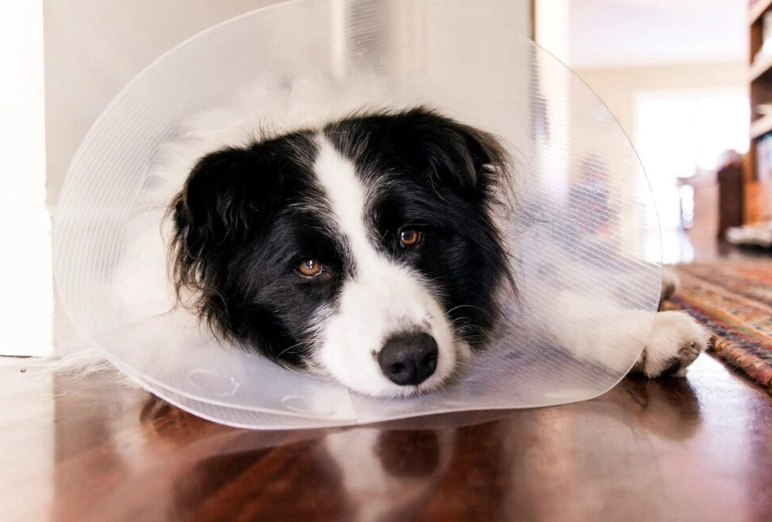
| Feature | Classic Plastic Cone (E-Collar) | Soft Fabric Collar (Soft Dog Collar) |
|---|---|---|
| Comfort & Sleep | Hard, inflexible. Dogs often can't rest their head down properly. That clunking noise is awful. | Soft, padded, often inflatable or donut-shaped. Allows your dog to use it as a pillow. A huge win for quality rest. |
| Mobility & Awareness | Poor peripheral vision. Constant bumping into walls, furniture, and your shins. | Much better. Most designs don’t obstruct vision, and the flexible material glides off obstacles instead of catching. |
| Eating & Drinking | A frustrating puzzle. Bowls need to be elevated or specially designed. | Usually no issue. Dogs can access food and water bowls normally, which is less stressful for them. |
| Effectiveness (Stopping Licking) | Excellent. The long, hard cone creates a definitive "keep out" zone. | Variable. Great for chest, torso, and leg wounds. Can be a FAIL for paws, hindquarters, or very flexible dogs who can still bend around it. |
| Durability & Cleanup | Very durable. Easy to wipe clean of drool or food. | Fabric can get dirty, drool-soaked, or smelly. Needs to be removable and machine-washable (check the product details!). |
| Cost | Usually very inexpensive or provided by the vet. | More of an investment, but often reusable for future needs or other pets. |
See what I mean? The soft dog collar after surgery isn't a magic bullet. It's a trade-off. You're gaining immense comfort and reducing household chaos, but you must be brutally honest about your dog's ability to reach their wound. My terrier? Total yoga master. A simple donut collar was useless for her belly incision—she just curled right around it. We had to switch back to a cone for a few critical days. It was a bummer, but necessary.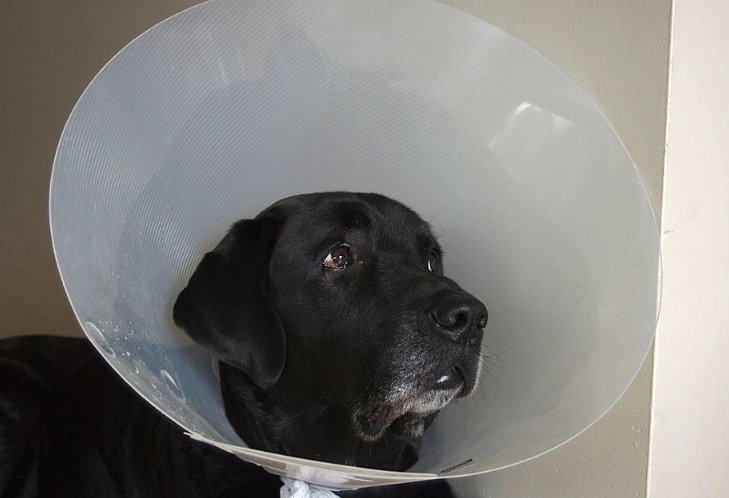
How to Choose the BEST Soft Dog Collar After Surgery for Your Dog
Okay, you’re leaning towards trying a soft collar. Don’t just buy the first cute one you see on Amazon. Here’s your checklist, born from my own mistakes.
1. Location, Location, Location (Of the Incision)
This is the most important factor. It dictates everything.
For chest, side, or front leg wounds: A soft, inflatable collar (like a travel neck pillow) or a padded donut collar is often perfect. It stops the head from turning enough to reach those spots.
For hind leg, paw, or tail base wounds: Be very, very cautious. A long, flexible dog can often still contort themselves to lick these. You might need a longer traditional cone or a combination approach (like a soft collar plus a recovery suit).
For belly or groin surgeries: This is the toughest area. Many vets will recommend a full-body recovery suit (a sort of doggy onesie) as the primary barrier, with a soft collar as a backup for when the suit is off for bathroom breaks.
2. Get the Size RIGHT. No, Seriously.
A collar that’s too big is pointless. One that’s too tight is dangerous and uncomfortable. You need two measurements:
Neck Circumference: Use a soft tape measure where their normal collar sits.
"Snout-to-Wound" Distance: This is the unofficial but critical measure. While your dog is in a normal standing position, estimate how far their nose is from their incision. The collar needs to extend beyond the tip of their nose to be effective. Most product pages have a sizing guide—use it! When in doubt, choose the larger of two sizes.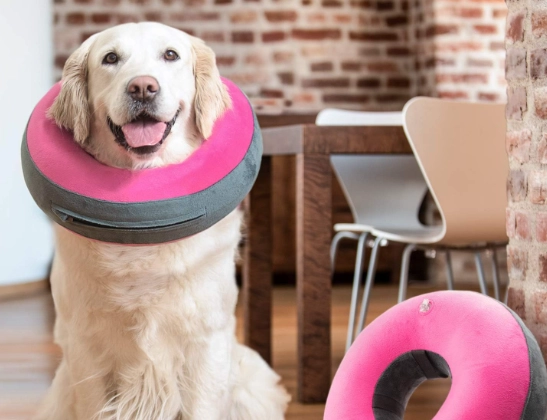
3. Look For These Non-Negotiable Features
- Secure, Adjustable Closure: Velcro is common, but check reviews to see if it’s strong. Some have buckles or multiple straps for escape artists.
- Removable, Washable Cover: Your dog will drool on it, spill water on it, drag it outside. Being able to throw the cover in the washing machine is a lifesaver for hygiene and smell.
- Comfortable Lining: It’s going to be against their neck fur for days or weeks. A soft, breathable fabric prevents chafing.
4. Consider Your Dog’s Personality
Is your dog a laid-back couch potato or an anxious chewer? Some soft collars have a tough outer shell to resist punctures. For a dog that hates any restraint, the lighter and less intrusive a soft recovery collar for dogs feels, the better they will adapt.
The Big Disclaimer: Always, Always Talk to Your Vet First
I can’t stress this enough. Before you spend a dime on a soft dog collar after surgery, show it to your vet or vet tech. Send them a link. Bring it to your post-op checkup. They know the exact location and nature of your dog’s incision, and they have seen a thousand dogs try to outsmart these devices. They will give you a straight "yes," "no," or "maybe, but watch them like a hawk for the first hour." The American Veterinary Medical Association (AVMA) emphasizes the importance of following your veterinarian's specific post-operative instructions for a reason. They are the ultimate authority on your pet's recovery plan.
Making It Work: Tips for Success with a Post Surgery Dog Collar
You’ve got the collar. Now let’s make the experience as smooth as possible.
Introduce it slowly. Don’t just strap it on when you get home from the vet. Let your dog sniff it. Give them treats near it. Put it on loosely for a few minutes before surgery day, if possible. Positive association is key.
Supervise the first few hours. This is the test drive. Watch them like you’re watching a toddler near a pool. Can they reach the wound? Are they trying to paw it off? Are they acting depressed or just a little confused? Confusion is normal; severe distress might mean it’s not the right fit.
Keep it on 24/7. I know, it feels mean. You want to give them a break. But the one time you take it off to "be nice" is the time they’ll sneak in a damaging lick. The only exception is during direct, hands-on supervised feeding if absolutely necessary, and even then, I’m hesitant. Consistency is what keeps the wound safe.
Check for comfort twice daily. Run your fingers under the edges. Look for any redness, rubbing, or matting of the fur. Adjust the tightness if needed—you should be able to comfortably fit two fingers under the collar.
What about other options? Sometimes a soft dog collar after surgery is just one part of the puzzle. For some dogs, a combination works best.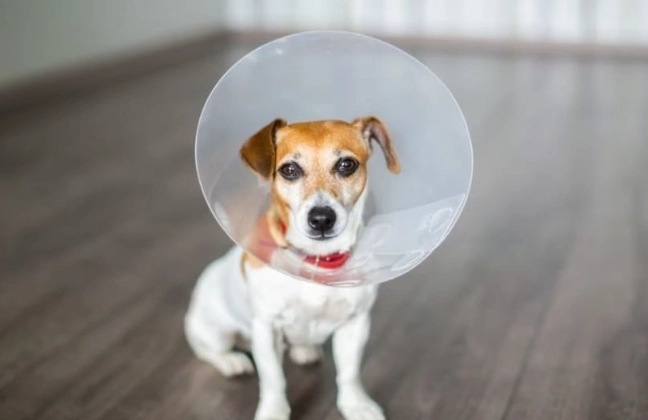
Beyond the Collar: Other Post-Op Recovery Aids
- Recovery Suits/Bodysuits: These are fantastic for torso and leg incisions. They’re like snug pajamas that cover the wound. My lab lived in his after knee surgery. Just make sure they’re the right kind of fabric (breathable, stretchy) and have a strategic opening for bathroom use. The Cornell University College of Veterinary Medicine's hospital often discusses the use of such protective clothing as part of a multimodal recovery plan.
- Pool Noodles (The DIY Hack): Seriously. Some creative pet parents slice a pool noodle, wrap it around their dog’s existing collar, and secure it. It creates a lightweight, cheap donut. Effectiveness varies wildly, but it’s a testament to how desperate we are to find a comfortable solution!
- Sock or Bootie for Paw Surgeries: For a single paw injury, a simple baby sock (secured with medical tape at the top) or a protective bootie can work, but again, only if your dog isn’t a determined remover.
Your Top Questions About Soft Dog Collars After Surgery, Answered
How long does my dog need to wear the soft collar?
This is 100% up to your vet. Typically, it’s until the stitches or staples come out (usually 10-14 days) and sometimes a few days beyond that, as the skin underneath is still healing and itchy. Never remove it based on how it *looks* to you.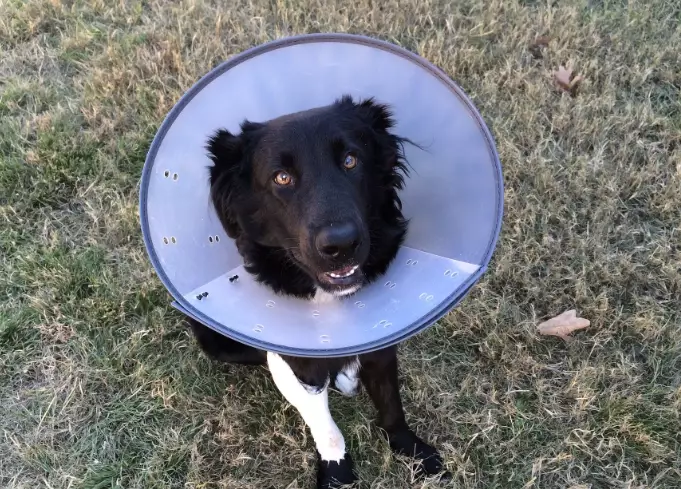
My dog seems depressed with the collar on. What can I do?
A little moping is normal—their world just got weird. Combat this with extra gentle attention, their favorite (vet-approved) treats, and short, leashed walks for mental stimulation. Most dogs adapt within 24-48 hours. If they are completely lethargic, refusing water, or showing signs of panic, call your vet.
Can my dog sleep comfortably with a soft recovery collar?
This is the #1 advantage! Yes, most can. The inflatable or padded types act like a pillow. You might see them rest their chin on it. It’s a far cry from the plastic cone clanking all night.
How do I clean a soft fabric collar?
Check the manufacturer’s instructions! Most have a removable cover that is machine washable on a gentle cycle. Air dry is usually best to prevent shrinking or damaging closures. Having a second, spare cover is a brilliant idea if the recovery period is long.
Are there any dogs that should NOT use a soft collar?
Absolutely. Dogs with very short snouts (like Pugs, Bulldogs) might find even a soft collar interferes with breathing. Extreme contortionists and dogs with wounds in "hard-to-protect" spots (like the top of their back) are likely better off with a traditional cone or a specialty suit.
The Bottom Line
Choosing a soft dog collar after surgery is about making an informed, vet-approved choice to balance medical necessity with your dog’s quality of life. It’s not automatically better than a cone; it’s different. For the right dog and the right surgery, it can transform recovery from a traumatic, stressful period into a more manageable, comfortable one. You’ll spend less time comforting a frantic pet and more time on the important stuff: gentle cuddles and careful monitoring that lead to a successful, complication-free heal.
Do your research, measure twice, buy once, and always—always—partner with your veterinarian. Your dog’s health is worth that extra step. Now, go give your recovering pup a gentle scratch (away from the incision, of course). They’re lucky to have an owner who cares enough to look for the best post surgery dog collar option out there.

Leave a comment