I still remember the look of utter betrayal in my dog Rex's eyes after he came home from his neuter surgery, sporting that classic plastic satellite dish. He crashed into every door frame, couldn't figure out how to drink water, and spent the night whimpering. The cone did its job—he didn't lick his stitches—but at what cost? His stress levels were through the roof, and mine weren't far behind. That experience sent me down a rabbit hole, and after a decade of fostering post-op dogs and talking to vets, I've learned the plastic Elizabethan collar is often the worst, not the best, option for recovery.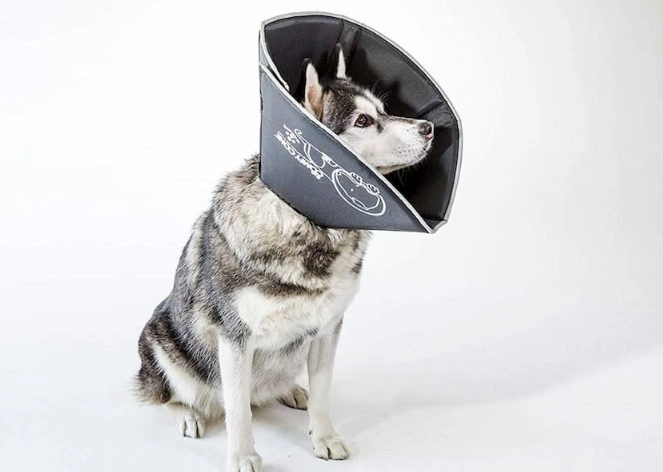
In This Article
Why the Plastic Cone Fails (And Why Alternatives Matter)
Vets reach for the plastic cone because it's cheap, sterile, and universally available. It's a blunt instrument that works. But "works" only means "prevents licking." It ignores the dog's psychological and physical well-being during a vulnerable time.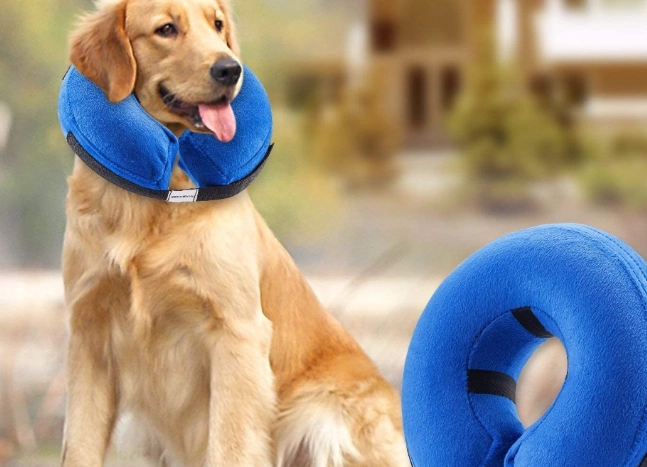
The main problems? Restricted vision and proprioception (awareness of body position). Dogs rely on peripheral vision. A cone creates blind spots, making them anxious and clumsy. They bang into things, get stuck, and can't settle comfortably to sleep. Eating and drinking become frustrating puzzles. For dogs already stressed from surgery and strange smells, the cone adds a layer of trauma that can slow healing. The American Veterinary Medical Association emphasizes reducing patient stress as part of good care, something the hard cone often contradicts.
Top 5 Dog Cone Alternatives Reviewed
Here’s a breakdown of the most effective options, based on wound location, dog temperament, and real-world use. Prices are approximate and can vary by brand and size.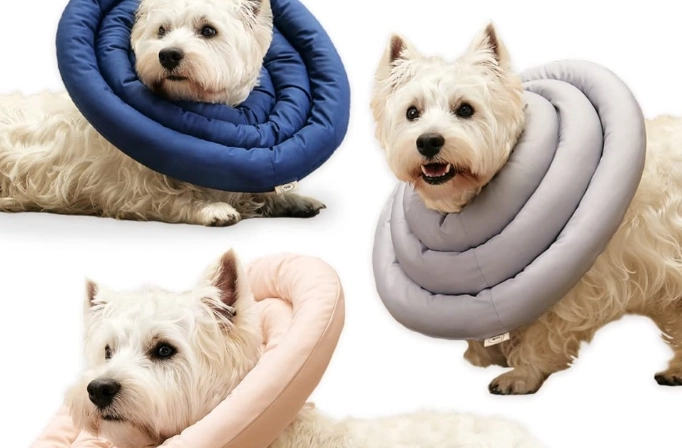
1. The Soft Fabric Recovery Collar: The All-Around Upgrade
Think of this as the cone's civilized cousin. Made of padded, flexible fabric (often with a waterproof liner), it provides a barrier while being gentler on your walls and your dog's spirit. Brands like Kong and Benebone make popular versions.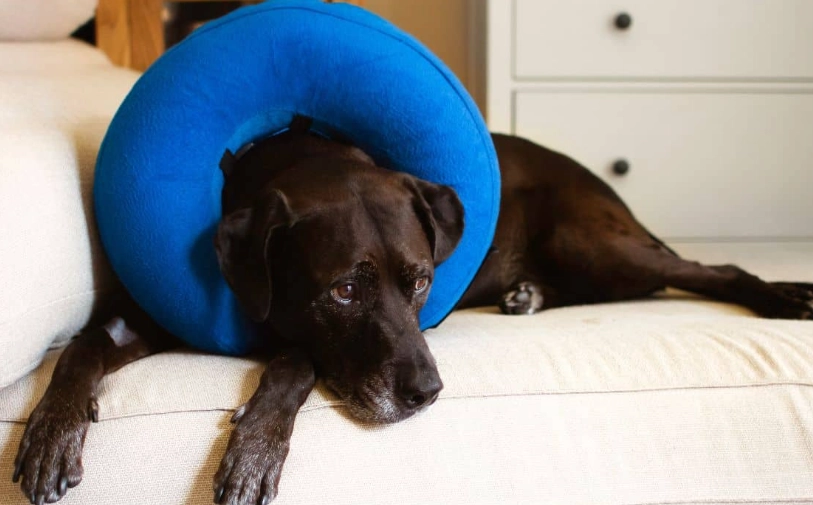
My take: This is my first recommendation for most dogs. It offers similar protection to a plastic cone but with vastly improved quality of life. The dog can rest its head on the ground, navigate spaces, and drink water relatively normally. The one I used for Rex after a paw surgery was a game-changer. He slept through the night.
The catch: Some dogs, especially clever terriers or shepherds, can learn to fold it or push it against a wall to reach a foot. For those determined Houdinis, you might need to pair it with a light bodysuit or consider a stiffer option.
2. The Inflatable Dog Collar (The Donut)
This looks like a travel pillow for your dog's neck. It works by creating a physical buffer that prevents the mouth from reaching the body, while giving full 360-degree vision.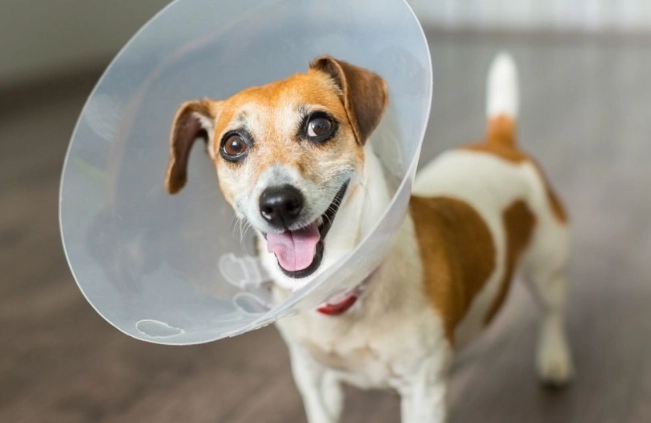
It's fantastic for flat-faced breeds like Pugs or French Bulldogs, who often can't even eat with a traditional cone. It's also ideal for leg or chest wounds. I used one on a foster dog after a lump removal on her thigh. She could eat, play with toys, and seemed to forget she was wearing it.
But here's the non-consensus point many miss: It's terrible for wounds near the neck or the front of the shoulders. A dog can easily crane over a donut to lick a suture line on their own neck. Always match the protection to the wound location.
3. The Recovery Suit or Surgical Bodysuit
This is a full-body onesie made of stretchy, breathable fabric. It covers the torso completely, protecting spay incisions, sutures on the back, or hot spots. Brands like Suitical are vet-developed.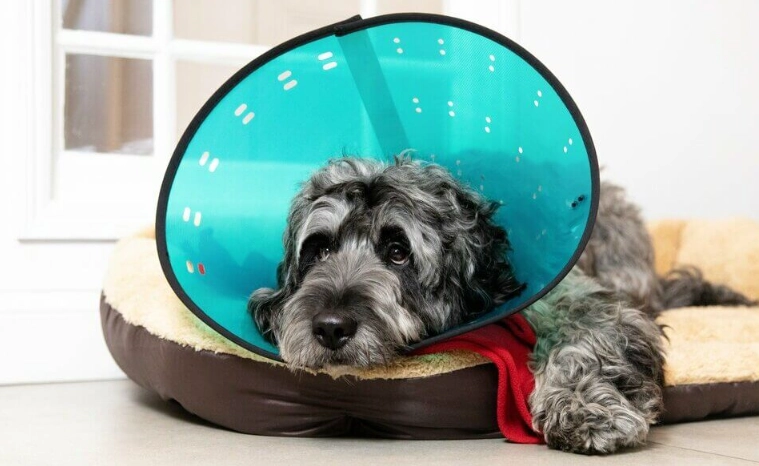
The beauty is it feels like clothing, not a restraint. Anxious dogs often settle immediately because of the gentle, constant pressure—it's like a ThunderShirt with a medical purpose. You need to unsnap the back for potty breaks, which is a minor hassle.
4. The Neck Brace Collar
This is the serious option for the escape artist or the dog with a wound dangerously close to their mouth. It's a stiff foam collar that limits the neck's range of motion, making it physically impossible to twist and lick.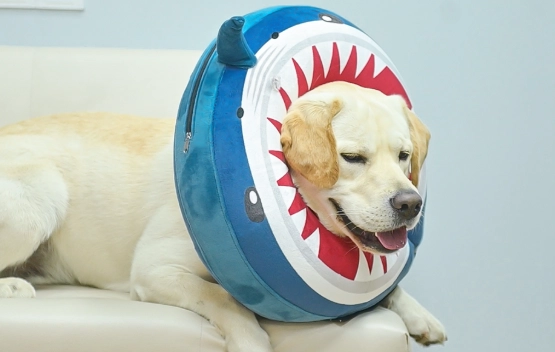
It's more restrictive than a soft collar, so I only recommend it when other methods have failed or for specific high-risk wounds. Fitting is crucial—too tight impedes breathing, too loose is useless. Your vet or a tech should help you with the first fitting.
5. The Pool Noodle Hack (A Cone Mod, Not a True Alternative)
Sometimes you're stuck with the plastic cone. If it's too long and your dog is struggling, you can slice a pool noodle lengthwise, wrap it around the edge, and secure it with duct tape. This shortens the effective length, giving your dog better forward vision and mobility while still protecting rearward wounds. It's a clever trick, but it's a band-aid solution.
How to Choose the Right Alternative for Your Dog
Don't just pick the cutest one. Match the tool to the job.
- Look at the Wound Location: Is it on the paw? A soft cone or donut might work. On the belly? A recovery suit or donut. On the neck or base of the tail? A soft cone or neck brace is better than a donut.
- Consider Your Dog's Personality: Are they a chill Labrador who just needs a nudge? A soft collar is perfect. A cunning, flexible Border Collie who views this as a puzzle? You might need the security of a neck brace or a suit.
- Think About Comfort & Function: Will your dog need to eat, drink, and sleep easily? Prioritize soft collars or donuts. Is it summer and your dog overheats? Avoid full-body suits for long periods.
Always, always have a conversation with your vet or veterinary nurse before the surgery. Say, "We'd like to use an alternative to the hard cone. Based on the procedure, what do you recommend?" They might have samples or specific brand advice.
Pro Tips for Success with Any Recovery Aid
Getting the gear is half the battle. Using it right is the other half.
Introduce it before the sedation wears off completely. Put the soft collar or suit on while you're still at the vet's office if possible. The dog will associate it with the recovery process from the start.
Supervision is non-negotiable. No alternative is 100% chew-proof or foolproof for every dog. The first few hours home are critical. Watch for persistent efforts to get at the wound.
Keep it clean. Wipe down inflatable collars and plastic/foam edges regularly. Follow washing instructions for fabric collars and suits to prevent infection.
Give them breaks under your watchful eye. During quiet, supervised cuddle time, you can sometimes remove the aid for 10-15 minutes to let them groom safely (away from the wound) and relax. This reduces stress immensely.
Your Questions, Answered
My dog just had knee surgery (TPLO) and can barely move. Is a soft collar enough, or should I use something stricter?
Post-TPLO is a high-stakes recovery. The incision is on the knee, well within reach of a determined mouth. While a well-fitted soft collar is often sufficient, many orthopedic surgeons now recommend combining it with a recovery suit for the first critical week. The suit covers the leg and incision site, adding a crucial second layer of security. It’s about defense in depth for a surgery where licking can lead to a devastating infection.
I tried an inflatable collar, but my dog can still reach her front paw to lick. What now?
This is the classic limitation of the donut. It protects the body but not the extremities. For a paw wound, you have two better paths. First, a soft recovery collar is usually the best bet—it extends far enough to block the mouth from reaching the foot. Second, consider a lightweight paw cover or a baby sock secured with vet wrap (never tight!) *under* the supervision of a soft collar. The collar prevents removal of the sock.
Are these alternatives accepted by most veterinarians, or will I get pushback?
The veterinary field has evolved significantly. Most modern vets are fully on board with comfortable alternatives, as they promote rest and reduce stress-induced cortisol, which actually aids healing. The key is communication. Don’t just show up with a donut you bought online. Discuss it beforehand. Show them the product. A good vet will assess if it’s appropriate for the specific surgery. If your vet dismisses the idea outright, it might be worth seeking a second opinion from a clinic that prioritizes fear-free and low-stress recovery protocols.
My dog is terrified of anything put on his head or neck. The cone was a disaster, and he thrashed in a soft collar too. What's left?
This is where the recovery suit shines. It applies pressure evenly around the torso, which can have a calming effect, and there’s nothing on the head or neck. For male dogs, you can find suits with a belly band built-in. For a dog this sensitive, practice before surgery. Get a suit, put it on for short, positive sessions with lots of treats, so it’s not a scary new thing on surgery day. It’s often the only workable solution for neck-phobic dogs.



Leave a comment