Dogs love peanut butter because it's packed with fat and protein, smells irresistible to them, and has a sticky texture that turns eating into a fun challenge. I've seen my own dog, Max, ignore expensive treats but lose his mind over a tiny dab of peanut butter. But there's more to it than just taste—let's break down the why and how to feed it safely.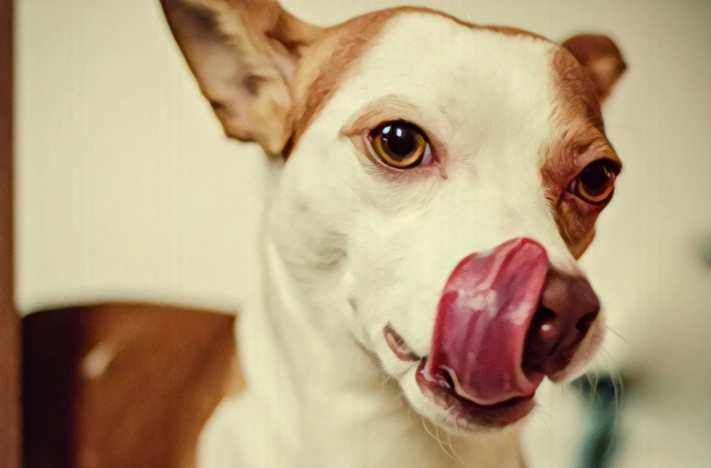
What You'll Learn in This Guide
The Science Behind Why Dogs Like Peanut Butter
It's not just a random preference. Dogs are drawn to peanut butter for evolutionary reasons tied to their senses and nutritional needs.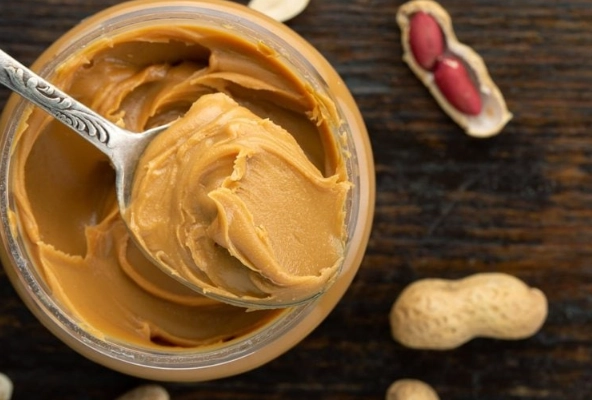
The Role of Fat and Protein
Peanut butter is high in fat and protein, which are crucial for a dog's energy. In the wild, canines seek out fatty foods for survival. Your dog's nose can detect those rich compounds from across the room. A study from the American Veterinary Medical Association notes that dogs have taste receptors for umami, which responds to proteins—peanut butter hits that spot perfectly.
The Aroma and Taste
Dogs have an incredible sense of smell, about 10,000 to 100,000 times more acute than humans. Peanut butter's roasted, nutty aroma is like a beacon. They don't taste sweetness the same way we do, but the combination of fats and salts makes it appealing. I remember giving my friend's dog a peanut butter treat; she spent minutes licking her bowl clean, totally zoned out.
Texture Matters: Why Sticky is Good
The sticky, gooey texture engages dogs mentally. It slows them down, turning snack time into a puzzle. This is why peanut butter is great for stuffing toys like Kongs—it provides enrichment. Some vets even use it to distract dogs during vet visits.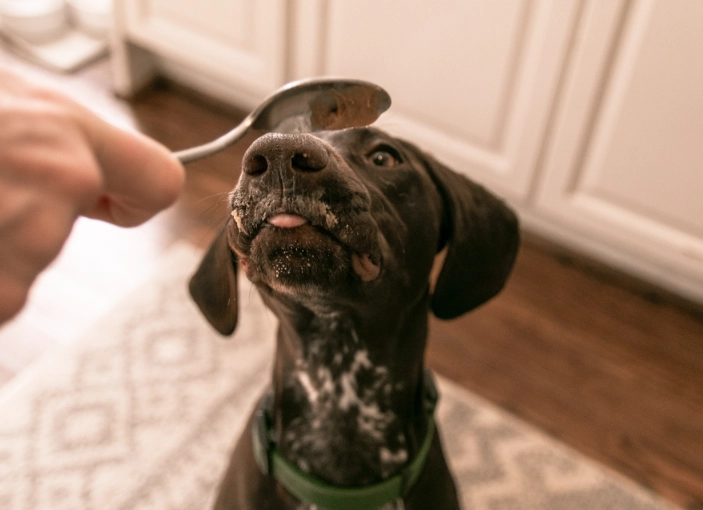
Quick Tip: If your dog gulps food too fast, a smear of peanut butter on a lick mat can promote slower eating and reduce bloating risks.
Is Peanut Butter Safe for Dogs? Key Safety Tips
Not all peanut butter is created equal. Some brands can be harmful, and that's where many owners slip up.
Dangerous Ingredients to Avoid
The biggest red flag is xylitol, a sweetener toxic to dogs. It's in some "sugar-free" peanut butters and can cause rapid insulin release, leading to hypoglycemia or liver failure. Always check labels. Other ingredients to limit include excess salt and sugar—they add empty calories and can contribute to obesity.
I once met a dog owner who assumed natural peanut butter was always safe, but their brand had added salt that made their dog thirsty all day. It's a subtle mistake that's easy to overlook.
How to Choose the Right Peanut Butter
Opt for plain, unsalted peanut butter with just peanuts (and maybe a little salt). Organic varieties can be good, but read the fine print. Here's a quick checklist:
- Ingredients: Peanuts only, or peanuts and salt.
- Avoid: Xylitol, hydrogenated oils, added sugars.
- Brand examples: Look for reputable ones that specify pet safety on their websites, like brands recommended by pet nutritionists.
If you're unsure, consult your vet or resources like the Pet Poison Helpline for guidance.
Practical Advice for Feeding Peanut Butter
Let's get into the nitty-gritty of how much and how often to give peanut butter to your dog.
Serving Sizes and Frequency
Peanut butter should be a treat, not a meal replacement. A general rule is no more than 10% of your dog's daily calories. For an average 30-pound dog, that's about a teaspoon per day. Overfeeding can lead to weight gain or pancreatitis due to the high fat content.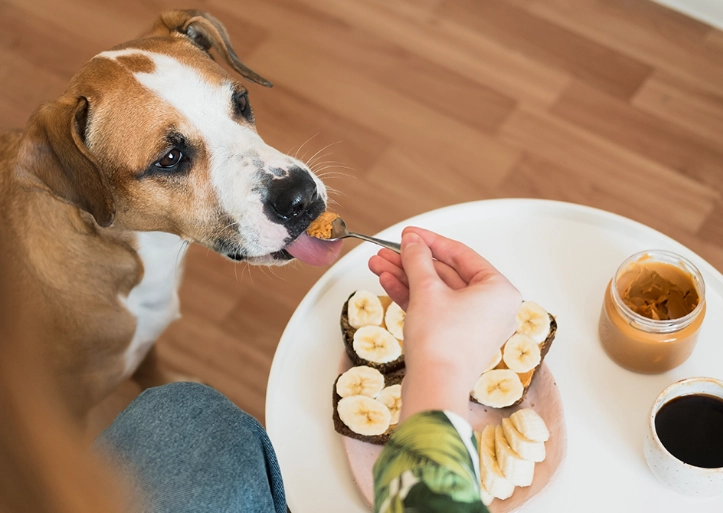
I've seen dogs given tablespoons daily, and their owners wonder why they're gaining weight. It's a common oversight—measure it out with a spoon.
Creative Ways to Use Peanut Butter
Beyond just licking it off a spoon, peanut butter can be a tool for training and mental stimulation. Here are some ideas:
- Training reward: Use tiny dabs during obedience sessions. It's high-value and keeps dogs focused.
- Medication helper: Hide pills in a bit of peanut butter—most dogs won't notice.
- Toy stuffer: Fill a rubber toy and freeze it for a longer-lasting challenge.
A friend of mine uses peanut butter to teach her rescue dog new tricks; it's been a game-changer for their bond.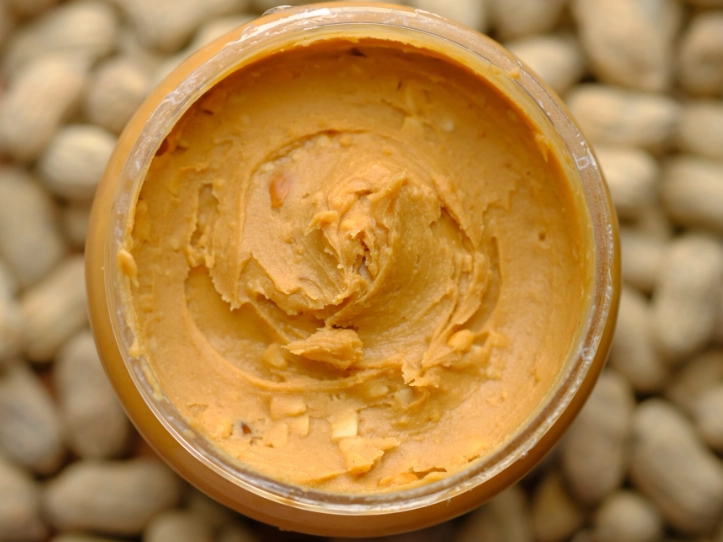
Common Myths Debunked
There's a lot of misinformation out there. Let's clear things up.
Myth: All Peanut Butter is Safe for Dogs
False. As mentioned, xylitol is a silent killer. Even "natural" brands might have hidden sugars. Always read labels, and when in doubt, skip it.
Myth: Dogs Like Peanut Butter Because It's Sweet
Not really. Dogs have fewer sweet taste receptors than humans. They're more attracted to the fat and protein. That's why low-fat peanut butter might not interest them as much.
Another myth I hear often is that peanut butter can clean dogs' teeth. While the licking action might help a little, it's no substitute for brushing—the sugar content can actually promote plaque.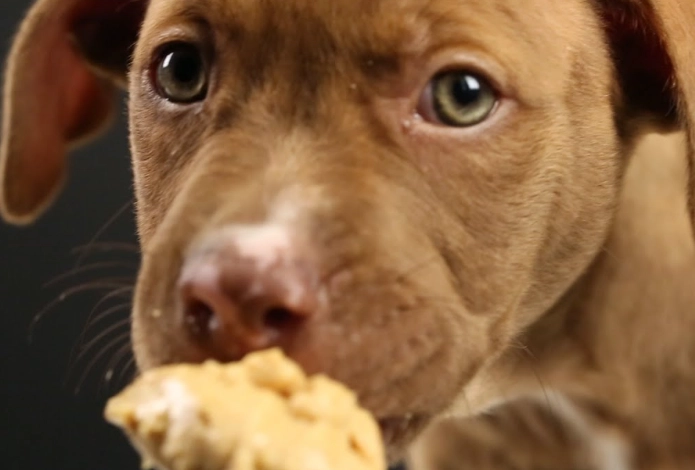
Frequently Asked Questions
Peanut butter can be a wonderful treat for dogs when used wisely. It's all about balance and awareness. Keep it simple, check those labels, and enjoy watching your dog's happy licks.


Leave a comment