Your dog has diarrhea. It’s messy, worrying, and you’re scrambling for answers. Before you panic or start raiding your pantry, take a breath. Most cases of simple diarrhea in dogs can be managed at home with the right approach. I’ve been through this countless times with my own dogs and clients' pets over the years. The key isn’t a single magic bullet, but a structured, step-by-step process that supports your dog’s gut while you figure out the cause. Let’s cut through the noise and talk about exactly what to give a dog with diarrhea, what to avoid, and when you absolutely must call the vet.
What’s Inside: Your Quick Navigation
Immediate First Steps: The 12-24 Hour Rule
When diarrhea first hits, your dog’s gastrointestinal tract is inflamed and irritated. The worst thing you can do is keep throwing food at it. The single most effective initial “treatment” is often a short period of fasting.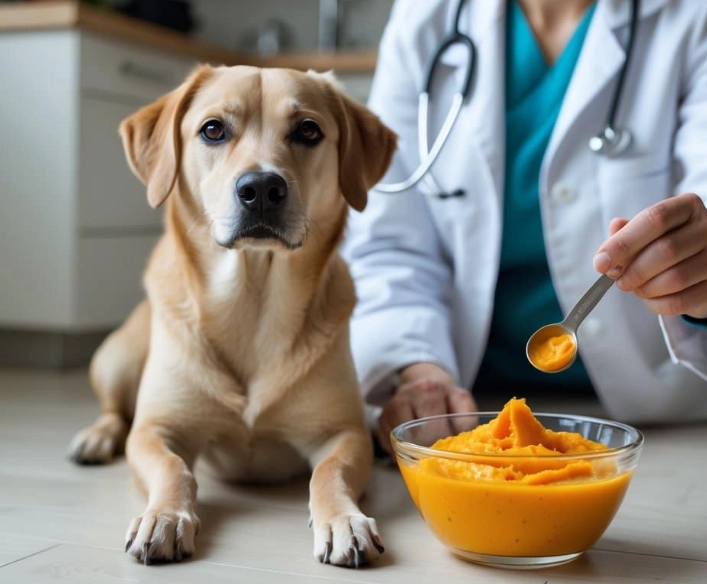
Here’s the protocol I follow and recommend:
Withhold food for 12-24 hours. For adult, otherwise healthy dogs, a 12-hour fast is a good start. For larger dogs or more persistent cases, you can extend to 24 hours. This gives the gut lining a chance to rest and recover. Important: This does NOT apply to puppies, very small toy breeds, or dogs with underlying health conditions like diabetes. They can’t handle long fasts.
Water is non-negotiable. During the fast, and always, ensure fresh, clean water is available. Diarrhea causes fluid loss, so preventing dehydration is your top priority. If your dog isn’t drinking, try offering ice cubes or a small amount of low-sodium chicken or bone broth (onion and garlic-free) to encourage intake.
I see a common mistake here: people fast their dog but then give high-value treats or chews “because they look sad.” This completely defeats the purpose. Stick to the plan.
The Bland Diet: What to Actually Feed
After the fasting period, you need to reintroduce food gently. This is where the classic “bland diet” comes in. It’s not a long-term solution, but a 3-5 day bridge back to normal food.
The Go-To Formula: Boiled Chicken and Rice
The standard is plain, boiled white meat chicken (no skin, no bones, no seasoning) and plain white rice. The ratio is roughly 1:2 – one part chicken to two parts rice. White rice is chosen over brown because it’s more easily digestible and has binding properties.
How to do it right: Shred the chicken finely. Mix it thoroughly with the rice. Start with small, frequent meals. For a medium-sized dog, that might mean offering ¼ cup of the mixture 4-6 times a day instead of one or two large meals. This prevents overwhelming the still-sensitive gut.
Alternative Protein and Carb Sources
What if your dog is allergic to chicken or doesn’t like rice?
| Protein Option | Carbohydrate Option | Notes & Preparation |
|---|---|---|
| Lean Ground Turkey (99% fat-free) | Plain Pumpkin Puree (not pie filling) | Boil turkey, drain ALL fat. Pumpkin is high in soluble fiber. |
| Low-Fat Cottage Cheese | Boiled White Potato or Sweet Potato | Peel potatoes, boil until very soft, mash. Cottage cheese provides probiotics. |
| Boiled White Fish (Cod, Haddock) | Plain, Cooked Pasta (like elbows) | Ensure no bones. Pasta is another easy-to-digest carb. |
Transitioning back to regular food is crucial. Don’t just switch back abruptly after 3 days of bland diet. Over 2-3 days, gradually mix in more of your dog’s regular kibble with less of the bland food.
Commercial & Prescription Food Options
Sometimes a homemade bland diet isn’t practical, or the diarrhea is recurrent. That’s where commercial gastrointestinal diets shine.
Many premium brands offer “Sensitive Stomach” formulas. Look for keywords like “easily digestible,” “prebiotic fibers,” and “single novel protein.” Brands like Purina Pro Plan Sensitive Skin & Stomach (Salmon & Rice) or Hill’s Science Diet Sensitive Stomach & Skin are widely available.
For more stubborn cases, your vet may prescribe a therapeutic diet. The gold standard here is a high-fiber prescription diet or a hydrolyzed protein diet. These aren’t just fancy food; they’re medical tools. The high-fiber diet (like Hill’s Prescription Diet i/d or Royal Canin Gastrointestinal High Fiber) works by absorbing excess water in the colon and firming up stools, while also feeding beneficial gut bacteria. It’s a nuance many pet owners miss—sometimes you need more fiber, not less.
Supplements That Can Help (And Ones to Skip)
Alongside diet, certain supplements can be powerful allies.
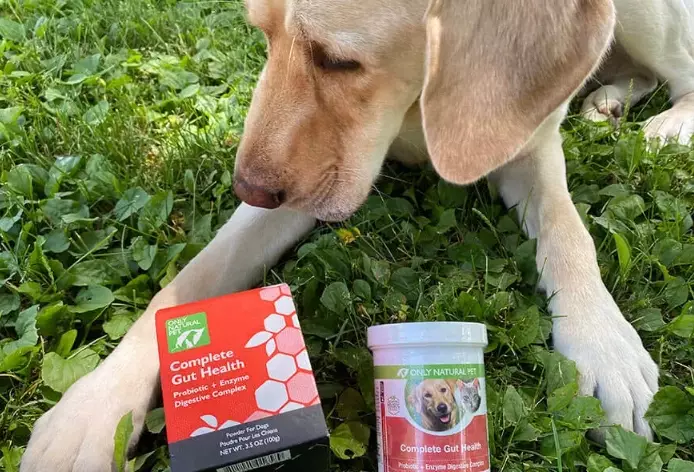
Probiotics: This is the industry hotspot for a reason. Diarrhea can wipe out the good gut bacteria. A quality canine-specific probiotic can help repopulate them. Look for products with multiple strains (like *Lactobacillus* and *Bifidobacterium*) and a high CFU count (colony-forming units). I’ve had good results with brands like Purina Pro Plan FortiFlora (a probiotic supplement often recommended by vets) or more comprehensive options from companies like VetriScience. Give it with or right after a meal.
Plain Canned Pumpkin: Not a supplement per se, but a fantastic functional food. A tablespoon (for small dogs) to ¼ cup (for large dogs) of plain pumpkin puree per meal adds soluble fiber, which can help absorb excess water and add bulk to stools. It’s a simple, effective tool.
What to be skeptical of: I’m wary of indiscriminate use of over-the-counter anti-diarrheal medications like Imodium (loperamide). In some cases of toxin ingestion or infections caused by certain bacteria, slowing gut motility can be dangerous. Never give these without explicit vet instruction.
Foods and Remedies to Absolutely Avoid
Your intentions are good, but some common “remedies” can backfire.
Dairy Products (Milk, Cheese): Many dogs are lactose intolerant. Giving milk to a dog with diarrhea is a classic blunder that almost guarantees more watery stools.
Fatty Foods: Greasy meats, butter, bacon grease—these are hard to digest and can worsen inflammation, potentially triggering pancreatitis, a serious condition that often starts with vomiting and diarrhea.
High-Fiber Human Foods (initially): While fiber is good later, raw vegetables, bran, or large amounts of brown rice at the onset can be too abrasive and difficult to digest, making things worse.
Bone Broth Caveat: While great for hydration, many store-bought or homemade broths contain onion or garlic, which are toxic to dogs. Always check labels or make your own without any alliums.
Red Flags: When to Stop Home Care and See the Vet
Home care has its limits. If you see any of the following, pick up the phone. Don’t wait.
The dog is lethargic, weak, or depressed. A dog that just has an upset stomach might be quiet but usually still has some spark. A dog who won’t get up or respond is an emergency.
Diarrhea is bloody, black and tarry, or contains large amounts of mucus. Blood can indicate anything from severe colitis to a foreign body or parvovirus (especially in unvaccinated puppies).
Vomiting occurs along with the diarrhea. This combo rapidly leads to dehydration and signals a more systemic problem.
No improvement after 48 hours of home management. If you’ve done the fast and bland diet for two full days and things aren’t noticeably firmer, it’s time for professional help.
The dog shows signs of pain: Whining, a hunched back, or tenderness when you touch their belly.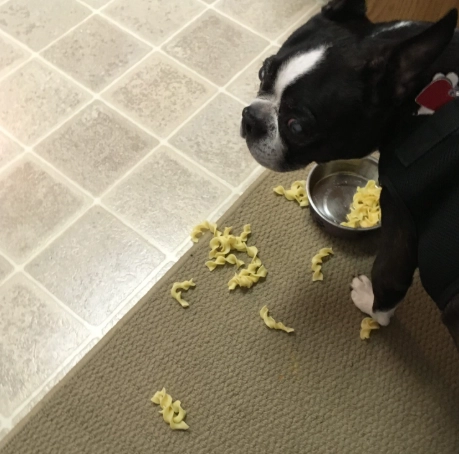
I once delayed taking a foster dog to the vet because he was still drinking water. Turns out he had a partial blockage. Trust your gut. If something feels off, get it checked.



Leave a comment