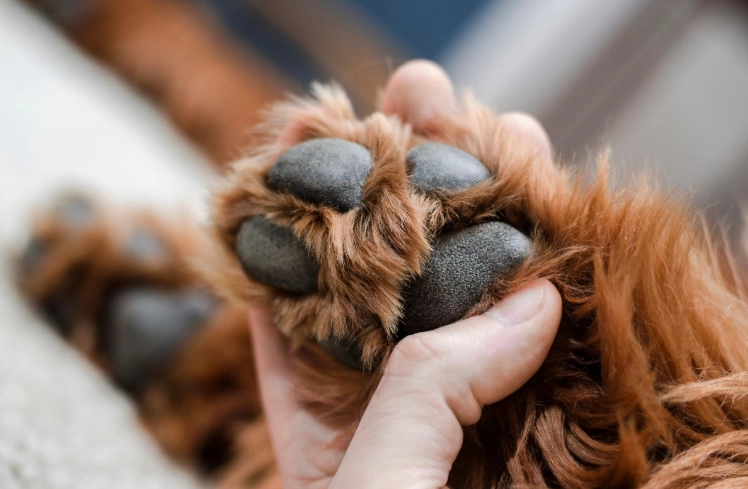
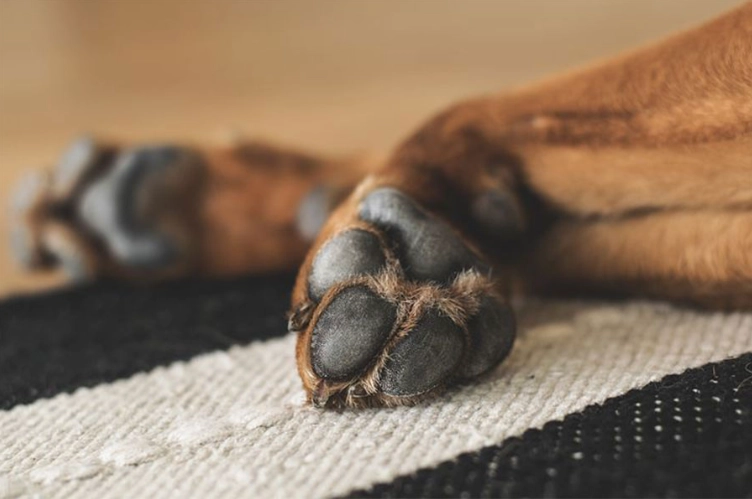
You're staring at your dog's dry, cracked paw pads. Maybe it's winter and the salt is rough, or summer pavement did a number on them. You've got a bottle of olive oil in the kitchen. The question pops into your head: Can I put olive oil on my dog's paw pads? The short answer is yes, you can, but it's not the simple, perfect fix many blogs make it out to be. As someone who's worked with dogs for over a decade, I've seen the good, the bad, and the slippery mess that can come from well-intentioned home remedies. Let's cut through the noise and talk about when it helps, when it can backfire, and what you should really be doing.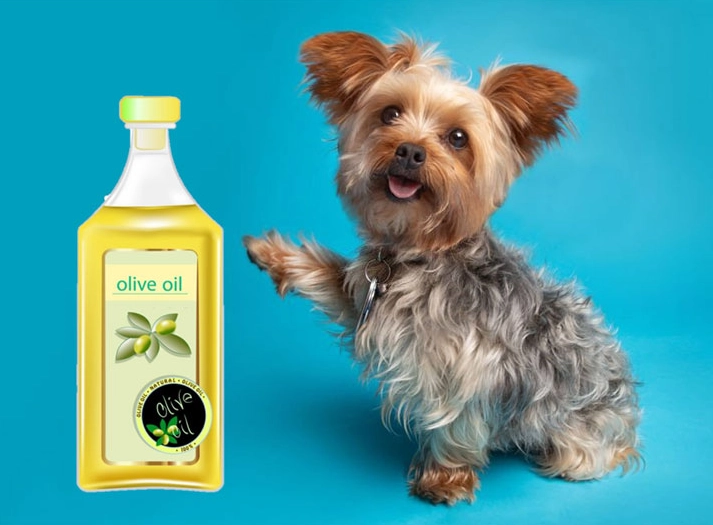
What You'll Find in This Guide
Potential Benefits of Olive Oil for Paws
Let's start with why people consider it. Extra virgin olive oil contains oleic acid and squalene, which are moisturizing. It's a natural, food-grade substance, which feels safer than something from a chemical lab.
For a dog with mildly dry or slightly rough pads, a tiny amount can provide a temporary softening effect. It creates a light barrier. Think of it as a quick, in-a-pinch option if you have nothing else at home at 10 PM.
I've used it myself on my Labrador, Sam, after a long hike on dry trails. His paws weren't injured, just a bit parched. A dab rubbed in before bed made them look less like sandpaper the next morning. But that's the ideal, limited scenario.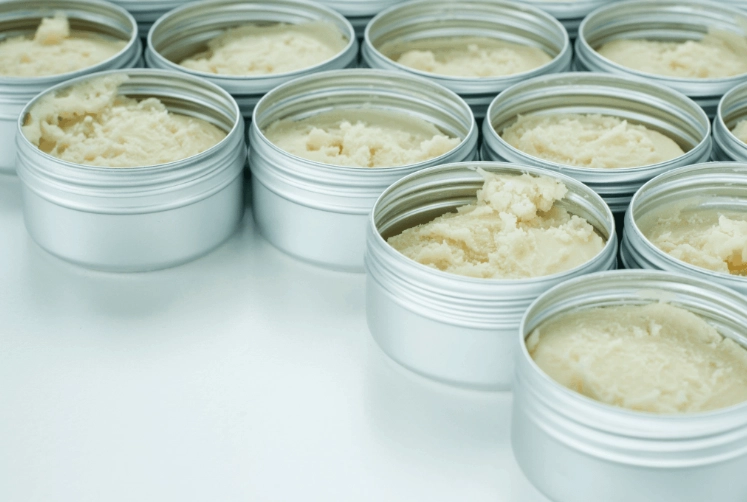
The Risks and Warnings You Can't Ignore
This is where most online advice stops. They say "yes, it's natural!" and move on. That's irresponsible. Here are the real-world problems I've witnessed.
1. The Slipping Hazard Is Real
This is the biggest, most overlooked danger. Olive oil is slick. Put it on your dog's paws, and you've essentially turned their foot pads into little grease pads. On tile, hardwood, or laminate floors, this is an accident waiting to happen. A dog can slip, strain a ligament, or worse. I know a Dachshund who tweaked his back from a slip after a paw "treatment." It's not worth it.
2. It Attracts Dirt and Grime
Oil is sticky. It doesn't absorb fully like a balm. What does it do? It collects every speck of dirt, dust, and hair from your floor and yard. Your dog then tracks this gritty paste around your house, and more importantly, that grit can grind into the paw pad, causing more irritation. You're trying to help, but you might be creating a mild abrasive.
3. Licking and Ingestion
Dogs lick their paws. It's what they do. If you apply olive oil, they will ingest it. While a little isn't toxic, too much fat at once can lead to an upset stomach, diarrhea, or even pancreatitis in susceptible dogs. You're not just treating paws; you're adding to their diet.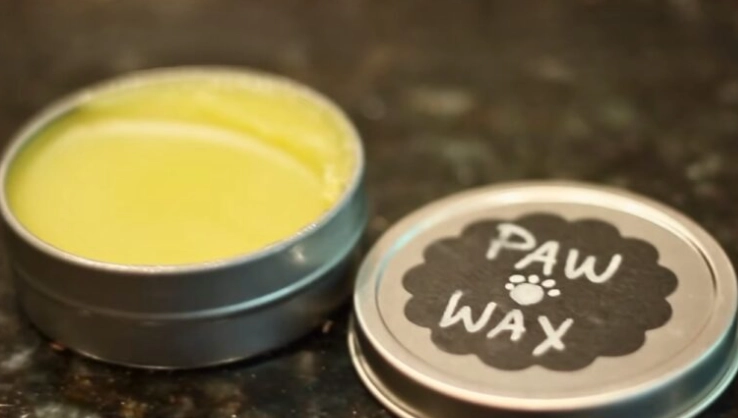
How to Apply Olive Oil Safely (If You Still Choose To)
If, after weighing the risks, you decide to try it for simple dryness, here’s the only way to do it responsibly. This isn't a casual wipe; it's a controlled process.
- Clean the Paws First. Wash with a mild, dog-safe soap and lukewarm water. Dry thoroughly, especially between the pads. Applying oil to dirty paws is pointless.
- Use a Minuscule Amount. We're talking one drop per pad, max. Warm it between your fingers first.
- Massage It In Deeply. Don't just gloss the surface. Spend 30 seconds per paw rubbing it in until it's not visibly slick. If the pad still looks shiny and oily, you've used too much.
- The Supervised Rest Period is Mandatory. This is the non-negotiable step most people skip. Keep your dog on an old towel or a rug for at least 30-60 minutes. Do not let them walk on slippery floors. This allows for maximum absorption and minimizes the slipperiness.
- Consider a Sock Bootie. For the truly cautious, put a baby sock or a dog sock over the paw for the rest period. It prevents licking and slipping.
What type of olive oil? If you must, use extra virgin. It's less processed. Avoid anything flavored or infused with garlic/onion, which is toxic to dogs.
Better Alternatives to Olive Oil
Honestly, in most cases, a product designed for the job is safer and more effective. Here’s a quick comparison.
| Option | Best For | Key Advantage Over Olive Oil | Consideration |
|---|---|---|---|
| Commercial Dog Paw Balm (e.g., Musher's Secret, Dermapaw) | All-season protection, dryness, minor cracks | Non-greasy, forms a protective "wax" barrier, made for paws | Costs money, but a tin lasts forever. |
| Coconut Oil | Mild dryness, has antimicrobial properties | Solid at room temp, slightly less slippery, also edible | Can still be slippery when melted, high fat if ingested. |
| Shea Butter or Cocoa Butter | Deep moisturizing for very dry pads | Excellent absorption, very nourishing | Ensure it's pure and pet-safe. Avoid xylitol. |
| Veterinary-Prescribed Ointment | Infections, deep cracks, allergies | Medicated, treats the root cause | Requires a vet visit. The only option for serious issues. |
My go-to is a good paw balm. I keep one by the door in winter. It's just easier, cleaner, and I don't worry about Sam sliding across the kitchen.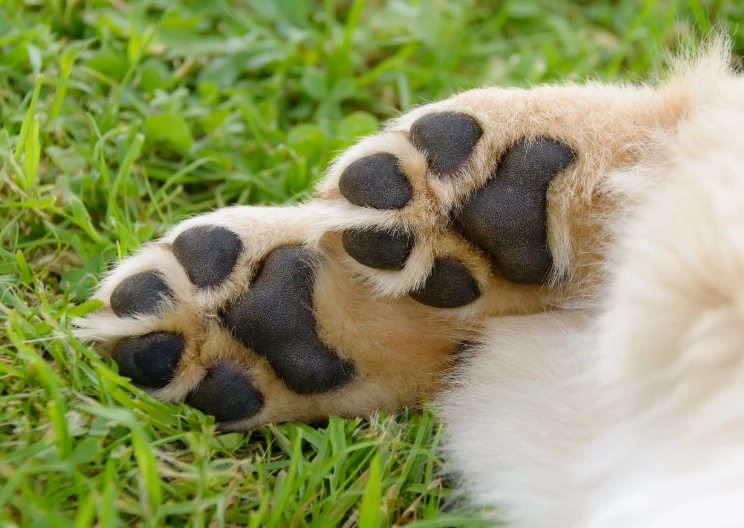
Building a Simple, Effective Paw Care Routine
Reacting to dry paws is okay, but preventing them is better. This isn't complicated.
- Post-Walk Check & Wipe: Get in the habit. After every walk, especially in winter (salt, antifreeze) or summer (hot pavement), wipe paws with a damp cloth. Feel for cuts or debris.
- The 7-Second Pavement Test: Place the back of your hand on the pavement. If you can't hold it for 7 seconds, it's too hot for your dog's paws.
- Preventive Balm Before Adventures: Apply a protective balm before hikes, beach trips, or snowy walks. It acts like a barrier cream.
- Hair Trimming: For long-haired dogs, keep the hair between the pads trimmed. Mats there can trap moisture and cause irritation.
- Diet Matters: Sometimes, cracked paws are a sign of a dietary deficiency in omega fatty acids. A high-quality diet or a fish oil supplement (vet-approved) can improve skin and pad health from the inside out. The American Kennel Club notes the importance of omega-3s for skin health.
Your Questions, Answered
My dog licked all the olive oil off immediately. Is that bad?
A small amount likely won't cause harm beyond maybe a loose stool. The bigger issue is that the treatment failed—the paws got no benefit. This is exactly why supervised rest or a sock is crucial. If you see signs of gastrointestinal upset like vomiting or severe diarrhea, call your vet.
Can I use olive oil on my dog's cracked, bleeding paw pad?
Absolutely not. This is a veterinary situation. An open wound needs proper cleaning, possibly antibiotics, and protection. Putting olive oil on it can seal in bacteria and delay healing. Get to the vet.
 Is it better to add olive oil to my dog's food instead of putting it on their paws?
For overall skin and coat health, dietary addition can be beneficial, but it's a systemic approach, not a targeted paw treatment. Always consult your vet first about dosage, as too much fat is dangerous. It won't directly solve existing pad dryness as quickly as a topical agent would.
What's the one mistake most owners make with paw care?
Assuming all dryness is the same. They reach for a moisturizer when the problem might be an allergy, a fungal infection, or a foreign body like a grass seed. If your paw care isn't working within a few days, or the problem keeps recurring, the issue is probably internal or infectious. That requires a professional, not a different kitchen oil.
Are dog boots a good alternative to balms and oils?
For extreme protection—against hot asphalt, sharp ice, or corrosive salt—boots are unbeatable. They're the ultimate barrier. The downside is that many dogs need time to accept them. Use positive reinforcement. For everyday dryness prevention, a balm is usually sufficient and less fuss.
 So, can you put olive oil on your dog's paw pads? Technically, yes. But should you? Only as a carefully managed, last-resort moisturizer for simple dryness, fully aware of the slipping and mess risks. For most dog owners, investing in a purpose-made paw balm and establishing a simple wipe-and-check routine is safer, more effective, and far less stressful for both you and your dog. Your dog's paws are their connection to the world; taking a little extra care goes a long way.
Leave a comment