Your dog has diarrhea. It's messy, it's worrying, and your first instinct is to find something—anything—to make it stop. Scrolling through search results for "what can you give a dog for diarrhea" can be overwhelming, with advice ranging from harmless home cures to dangerously outdated ideas. Having worked alongside veterinarians for years, I've seen the full spectrum, from simple dietary indiscretions to serious cases that started with a well-meaning but wrong home treatment.
Let's cut through the noise. This guide isn't just a list of foods. It's a step-by-step action plan based on veterinary science and real-world experience. We'll cover what's safe to give, what's absolutely not, and the critical signs that mean you need to skip the home remedies and head straight to the vet.
Quick Navigation: What's Inside This Guide
Understanding Dog Diarrhea: When Home Care is Appropriate
Not all diarrhea is created equal. If your dog is otherwise acting normal—still playful, interested in food, and drinking water—a simple case of an upset stomach from eating something weird is likely. This is where home treatment shines.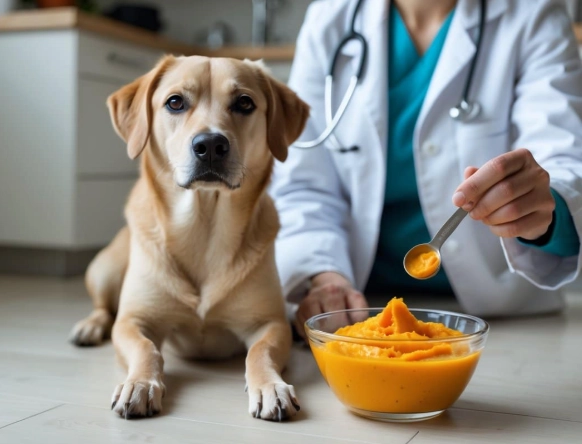
But you need to be a detective first. Look for these red flags that signal a vet visit is non-negotiable:
- Blood in the stool (bright red or dark, tarry black).
- Diarrhea accompanied by vomiting, especially if they can't keep water down.
- Your dog seems lethargic, depressed, or in pain.
- The diarrhea is profuse and watery, happening many times an hour.
- Signs of dehydration: dry gums, sunken eyes, loss of skin elasticity (gently pinch the skin on their neck; if it doesn't snap back quickly, they're dehydrated).
- If you have a puppy, a senior dog, or a dog with a known health condition, don't wait. Call your vet sooner.
Assuming your dog passes this checklist, the cornerstone of home treatment isn't a magic pill—it's dietary management.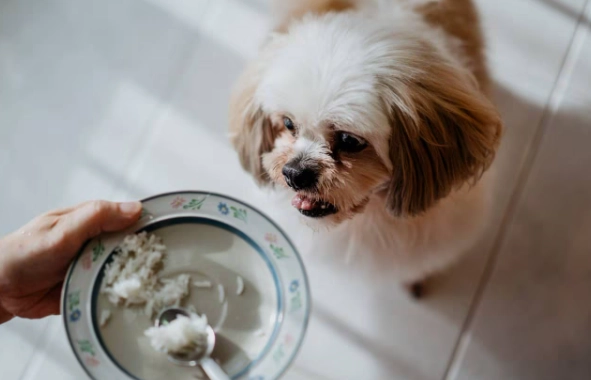
The 48-Hour Bland Diet Protocol: Step-by-Step
This is the gold standard for treating simple dog diarrhea at home. The goal is to give the inflamed gastrointestinal tract a break while providing easy-to-digest calories. Think of it as hitting the reset button.
The Initial Fast (12-24 Hours)
No food. Just water. This is often the hardest part for owners who want to "do something," but it's one of the most therapeutic steps. The gut needs a break from the work of digestion to start healing.
Introducing the Bland Diet
After the fast, if vomiting has stopped, you can start the bland diet. The classic recipe is boiled, skinless, boneless chicken breast (or lean ground beef, drained of all fat) mixed with plain, white rice in a 1:2 ratio (one part protein to two parts rice).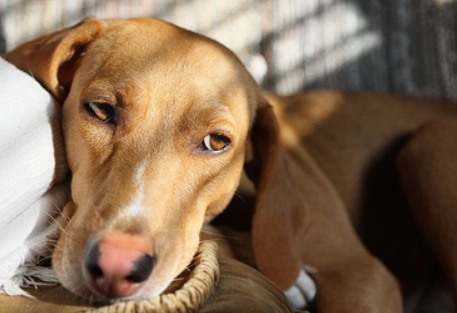
Why these ingredients? The chicken provides bland protein. The white rice is a low-residue, binding carbohydrate that's easy to digest. Avoid brown rice initially—its higher fiber can irritate a sensitive gut.
How to feed it: Start with small, frequent meals. Offer a few tablespoons for a small dog, or a half-cup for a large dog, every 3-4 hours. The first meal or two are tests. If the stool starts to firm up and no vomiting occurs, you can gradually increase the portion size at each feeding.
Feed this bland diet exclusively for 2-3 days, or until the stools are normal for at least 24 hours.
The Tricky Part: Transitioning Back to Regular Food
Here's where most people mess up. You can't just go back to the regular kibble bowl. That's a surefire way to trigger diarrhea all over again.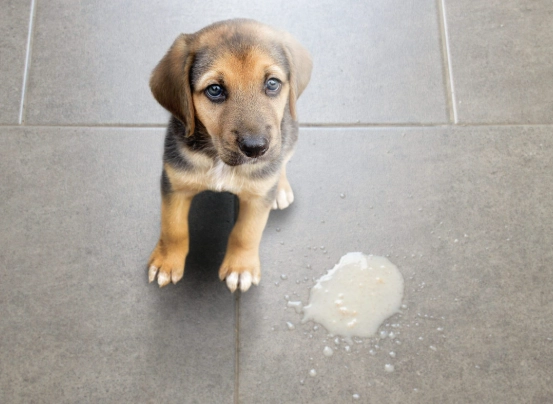
Over 3-5 days, slowly mix your dog's regular food into the bland diet. Start with 25% regular food to 75% bland diet for a day or two. Then go 50/50. Then 75% regular to 25% bland. Watch the stool consistency closely at each stage. If it softens, slow down the transition.
Foods and Supplements That Can Help (And Why)
Beyond the basic bland diet, a few specific items can be useful tools in your toolkit.
Plain Canned Pumpkin (100% pure pumpkin, NOT pie filling): This is a fiber superstar. The soluble fiber absorbs excess water in the digestive tract, helping to firm up stools. It can also soothe the gut lining. Dose: 1-4 tablespoons per meal, depending on your dog's size.
Plain, Unsweetened Yogurt or Probiotic Supplements: Diarrhea can flush out the good gut bacteria. Probiotics help repopulate them. Plain yogurt has some, but a canine-specific probiotic supplement (like Purina Pro Plan FortiFlora, which is often recommended by vets) is more potent and targeted. This is more of a recovery aid than an acute treatment.
Bone Broth (low-sodium, onion/garlic-free): Fantastic for encouraging hydration and providing electrolytes and minerals. It's gentle and palatable. You can pour it over their bland diet rice or offer it as a drink between meals.
Over-the-Counter Digestive Aids: Products like kaolin-pectin (e.g., PetPectillin) can help coat and soothe the intestinal lining. Always check with your vet for the correct dosage for your dog's weight before using any OTC medication.
What NOT to Give Your Dog for Diarrhea
This section might be more important than the "what to give" list. Well-intentioned mistakes here can make things much worse.
Dairy Milk: Many dogs are lactose intolerant. Giving milk will likely worsen the diarrhea.
High-Fat Foods, Grease, or Rich Treats: Fat is hard to digest and will further inflame the pancreas and intestines.
High-Fiber Human Foods (initially): While fiber like pumpkin is good, throwing a bunch of bran, broccoli, or beans at the problem will overwhelm and irritate the gut.
Random Herbs or Oils: The internet is full of "natural cure" lists. Unless you have clear guidance from a veterinary nutritionist, stick to the simple, proven items above.
When Home Care Isn't Enough: Time for the Vet
If you've followed the bland diet for 48 hours and see no improvement, or if any of the red flags mentioned earlier appear, stop the home treatment. Your dog needs professional help.
What will the vet do? They'll likely perform a physical exam, possibly run tests (fecal exam, blood work, X-rays) to rule out parasites, bacterial infections, pancreatitis, foreign bodies, or diseases like inflammatory bowel disease. Their treatment may include:
- Prescription Diets: Highly digestible veterinary formulas like Hill's i/d or Royal Canin Gastrointestinal.
- Prescription Medications: Safe anti-diarrheals, anti-nausea drugs, or dewormers.
- Fluid Therapy: Subcutaneous or intravenous fluids to combat dehydration, which is the biggest danger with prolonged diarrhea.
- Specific Treatments: Based on the diagnosed cause (e.g., antibiotics for certain infections).
Remember, your vet's advice overrides any online guide. They have the full clinical picture.
Your Dog Diarrhea Questions, Answered
My dog has diarrhea but is acting fine and hungry. Should I feed them?
Can I give my dog scrambled eggs for diarrhea instead of chicken and rice?
How long is too long for dog diarrhea? When do I definitely need a vet?
My dog got into the trash and has diarrhea. Is the bland diet enough?
Are probiotics like FortiFlora a cure for dog diarrhea?
Leave a comment