You're sprinkling dried parsley on your dinner, or maybe steeping some chamomile tea, and those big, hopeful eyes are watching your every move. The question pops into your head: Can I share a little of this dried herb with my dog? The short, honest answer isn't a simple yes or no. It's a solid "it depends." Some dried herbs are fantastic, gentle supplements for canine health. Others are outright dangerous. After over a decade of writing about pet nutrition and consulting with veterinarians, I've seen the good, the bad, and the ugly when it comes to herbs. The biggest mistake I see? Owners assuming "natural" always equals "safe." It doesn't.
What's Inside This Guide
The Quick & Dirty Answer
Yes, many dried herbs are perfectly okay for dogs and can offer real health benefits. Think of them as concentrated plant medicine. But—and this is a massive but—you must know exactly which herb you're dealing with and in what amount. Giving your dog the wrong herb, or too much of a good one, can lead to anything from an upset stomach to organ failure. Always, always check with your vet before introducing a new supplement, especially if your dog is on medication, is pregnant, or has a pre-existing condition.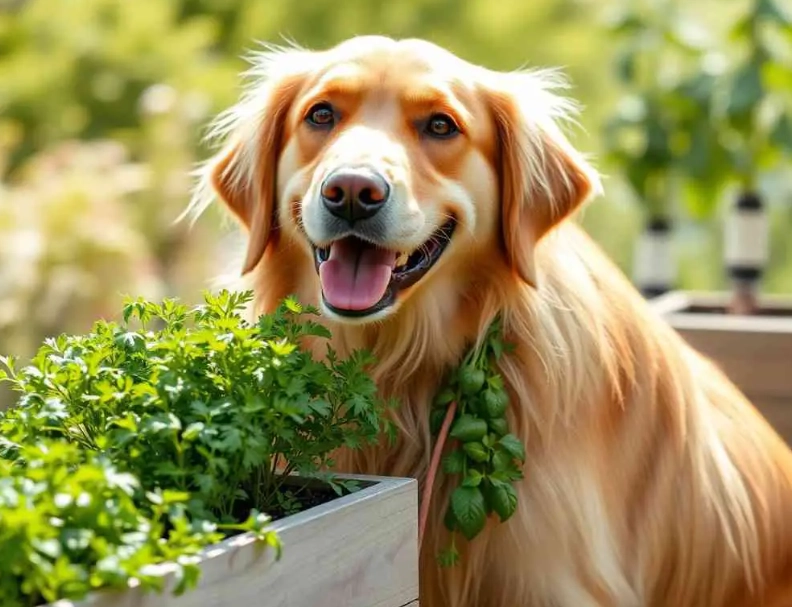
The Safe List vs. The Toxic List
Let's cut to the chase. Here’s a breakdown of common dried herbs, categorized for quick reference. This table is your first stop before you even open your spice cabinet.
| Herb | Generally Safe for Dogs? | Common Uses / Benefits | Key Risks / Notes |
|---|---|---|---|
| Parsley (curly or flat-leaf) | Yes | Freshens breath, antioxidant, source of vitamins. | Spring parsley looks similar to highly toxic hemlock. Use only culinary parsley from a trusted source. |
| Turmeric | Yes | Powerful anti-inflammatory, supports joints. | Must be given with a pinch of black pepper and a fat (like coconut oil) for absorption. Can stain. |
| Chamomile | Yes | Calming, aids digestion, mild sedative. | Use only dried flowers, not the plant stem. Rare allergic reaction possible. |
| Oregano | In tiny amounts | Antioxidant, antimicrobial properties. | Very potent. Large amounts cause GI upset. Avoid essential oil form entirely. |
| Garlic & Onion (Powder) | NO | N/A | Highly toxic. Damages red blood cells, leading to anemia. This includes all forms: powder, flakes, salt. |
| Nutmeg | NO | N/A | Highly toxic. Can cause seizures, tremors, and central nervous system damage. |
| Marijuana/Cannabis | NO | N/A | Highly toxic. Even small amounts of dried flower can cause severe toxicity (lethargy, incontinence, coma). |
Critical Rule: This list is not exhaustive. If an herb isn't on the "safe" list above and you're unsure, do not give it to your dog. When in doubt, leave it out. The ASPCA Animal Poison Control Center maintains a comprehensive list of toxic and non-toxic plants.
Why Dosage and Preparation Matter More Than You Think
Okay, so you've identified a safe herb. Now what? This is where most well-meaning owners slip up. You can't just shake some dried herb over your dog's kibble like you're seasoning a steak.
Start Low, Go Slow. This is the golden rule. A dog's digestive system isn't built for large quantities of plant matter. Begin with a "pinch"—literally a tiny amount between your thumb and forefinger—mixed thoroughly into their food. Observe for 24-48 hours for any signs of stomach upset, diarrhea, or allergic reaction (itching, hives).
Dosage Guidelines (General Rule of Thumb): For most safe, mild dried herbs (like parsley or chamomile), a general guideline is about 1/8 teaspoon per 10 pounds of body weight, per day, sprinkled over food. For more potent herbs like turmeric, start with half that amount. These are starting points, not targets. Some dogs will do better with less.
Preparation is Key. Dried herbs are concentrated. Grinding them into a finer powder (using a clean coffee grinder or mortar and pestle) can make them easier to digest and mix into food. For herbs like turmeric, pairing them with a healthy fat (coconut oil, olive oil) and a pinch of black pepper (piperine) dramatically increases their bioavailability—meaning your dog actually gets the benefits. Without this, most of it just passes through.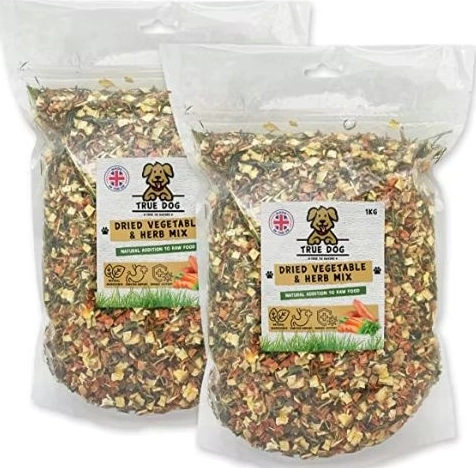
My Personal Tip: I keep a dedicated "dog herb" shaker—a small jar where I pre-mix a batch of ground turmeric with a tiny amount of cracked black pepper. This way, I'm not fumbling with multiple containers at mealtime. It's a simple hack that makes consistency easier.
A Closer Look at 3 Popular Dried Herbs
Let's get specific about three of the most commonly asked-about dried herbs. Understanding the why behind their use helps you make an informed decision.
1. Dried Parsley: More Than Just a Garnish
Most people think of parsley as a breath freshener, and it does help with that sulfurous "dog breath" smell. But it's also rich in vitamins A, C, and K, and contains antioxidants. The key is to use plain, dried culinary parsley. Avoid any seasoned blends, which almost always contain garlic or onion powder. A tiny sprinkle a few times a week is plenty.
2. Turmeric: The Golden Anti-Inflammatory
This is the superstar for older dogs with stiff joints. The active compound, curcumin, is a potent anti-inflammatory. But here's the expert nuance everyone misses: curcumin is poorly absorbed on its own. You must combine it with a fat (like a teaspoon of wet food, pumpkin, or oil) and a tiny speck of black pepper (piperine) to unlock its effects. I've seen owners give plain turmeric for months with zero noticeable improvement, then see a change within weeks after adding this simple combo. Start with a dose as small as 1/16 tsp for a medium-sized dog.
3. Chamomile: For the Anxious Pup
Dried chamomile flowers (German chamomile is best) are wonderful for mild anxiety, travel stress, or minor digestive grumbles. You can make a very weak tea (steep 1 tsp dried flowers in 1 cup hot water for 5 mins, let cool completely), and add a tablespoon or two to the water bowl. Or, sprinkle a small pinch of the crumbled flowers directly on food. The effect is subtle and calming, not sedating. It's a gentler first step before considering pharmaceutical options for anxiety.
Your Top Questions, Answered
It can, especially if you start with too high a dose or don't give it with food. The fat you mix it with helps buffer the stomach. If you see loose stools, stop for a few days and reintroduce at half the previous amount. Some dogs are just more sensitive.
You have to be a detective here. Read the ingredient list meticulously. If it says "proprietary blend" without full disclosure, that's a red flag. Look for blends from reputable companies that list every ingredient and its amount. Avoid any with "flavors," "spices," or vague terms that could hide garlic or onion.
Don't panic, but do monitor closely and call your vet for advice. Toxicity depends on the dose per pound of body weight. A tiny amount on a crust might cause no issues for a large dog but could be problematic for a tiny one. Watch for lethargy, pale gums, or red-tinged urine in the next few days, and report any symptoms to your vet immediately.
Not necessarily "better," but different. Dried herbs are more concentrated, so you use much less. They also have a longer shelf life and are easier to dose consistently. Fresh herbs can be great too, but they're bulkier and spoil faster. The key is knowing the correct equivalent dose (e.g., 1 tsp dried often equals about 1 tbsp fresh).
Just like your own: in a cool, dark, dry place in an airtight container. Light, heat, and moisture are the enemies of potency. I label my dog's herb jars clearly and mark the date I opened them. Most lose their best potency after 6-12 months.
The world of dried herbs for dogs is full of potential, but it demands respect and knowledge. It's not about following trends; it's about making careful, informed choices for your individual dog. Start with one single, safe herb at a micro-dose. Watch how your dog responds. When done right, that little sprinkle from your pantry can become a simple, natural part of supporting their well-being for years to come.



Leave a comment