Quick Navigation
- Why Do People Even Consider Cranberry for Cats?
- The Very Real Risks and Downsides (The Crucial Stuff)
- So, Can Cats Have Cranberry Treats? A Practical Guide to Doing It Safely (If You Must)
- What's Better Than Cranberry Treats? Proven Strategies for Feline Urinary Health
- Frequently Asked Questions (FAQs)
- The Final Verdict
You're standing in the pet aisle, or maybe browsing online, and you see them. Those little bags of cranberry-infused cat treats. The packaging promises "urinary health" and "natural ingredients." And you think, well, cranberries are good for people, right? So, can cats have cranberry treats? It's a simple question with a surprisingly complicated answer. I've been through this myself with my own cat, Whiskers. He had a minor scare a few years back, and I went down a rabbit hole of research, talking to vets, reading studies, and yes, trying a few things. Let's cut through the marketing and get real about what's safe, what's helpful, and what's potentially risky for your feline friend.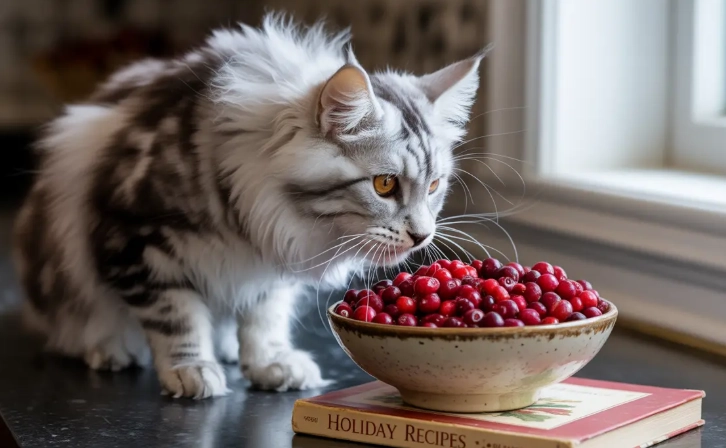
The Short Answer: In very small, controlled amounts, plain, unsweetened cranberry is not immediately toxic to most cats. However, the real question isn't just "can they?" but "should they?" And more importantly, "is it the best solution for their health?" The answer to that is often no. Commercial cranberry treats for cats often contain sugars, fillers, and other ingredients that do more harm than the cranberry does good.
Look, I get the appeal. When you hear that cranberries might help prevent UTIs (Urinary Tract Infections), it sounds like a no-brainer. But cats aren't small, furry humans. Their bodies process things differently. A substance that's beneficial for us can be useless or even dangerous for them. So before you hand over that cranberry-flavored morsel, let's unpack everything you need to know.
Why Do People Even Consider Cranberry for Cats?
It all stems from human medicine. Cranberries contain compounds called proanthocyanidins (PACs). The theory is that these PACs can prevent certain types of bacteria, particularly E. coli, from adhering to the lining of the urinary tract. If the bacteria can't stick, they get flushed out with urine, potentially preventing an infection from taking hold.
This has some solid evidence in humans, especially for recurrent UTIs. So, pet food and supplement companies logically extended this idea to cats, who are also prone to urinary issues like Feline Lower Urinary Tract Disease (FLUTD). The problem? The jump from human studies to feline application is a big one. The American College of Veterinary Internal Medicine notes that while the theory is interesting, robust, conclusive evidence for cranberry's efficacy in cats is still lacking. Most vets I've spoken to say it's "not harmful to try" but emphasize it's not a proven cure or a substitute for proper veterinary care.
So, the whole premise is built on a "might help" from human science, not a "definitely helps" from cat science.The Potential Benefits (The Upside)
If we operate on the theory that it *might* help, the proposed benefits of giving cats cranberry treats are centered on urinary tract health:
- May Inhibit Bacterial Adhesion: The PACs could, in theory, make it harder for bacteria to stick to the bladder wall.
- Acidifying Urine: Cranberries are acidic. Some urinary issues in cats are managed by making the urine more acidic to prevent certain types of crystals (like struvite). However, this is a double-edged sword we'll discuss in the risks.
- Antioxidant Properties: Like many berries, cranberries have antioxidants, which combat free radicals. This is a general health benefit, not specific to urinary issues.
It sounds promising, right? But here's where we need to pump the brakes. These potential benefits hinge on giving your cat the right kind of cranberry in the right amount. And that's where almost every commercial product and well-meaning home attempt goes wrong.
The Very Real Risks and Downsides (The Crucial Stuff)
This is the part most blog posts gloss over. They mention "consult your vet" but don't explain why it's so critical. The risks aren't just about allergies.
1. The Oxalate Problem (A Silent Danger)
This is the big one. Cranberries, especially in concentrated forms like juice or powder, contain oxalates. When consumed, oxalates can bind with calcium in your cat's body to form calcium oxalate crystals. In the urinary tract, these crystals can aggregate into stones.
Calcium oxalate stones are a major type of bladder stone in cats, and they are surgical. Unlike struvite stones which can sometimes be dissolved with a prescription diet, oxalate stones usually need to be removed physically. The irony is painful: you might be giving cranberry treats to support urinary health, but you could be actively contributing to the formation of the worst kind of bladder stone. The ASPCA Animal Poison Control Center lists many plants high in oxalates as toxic, highlighting the concern with these compounds.
My vet put it bluntly: "If your cat is predisposed to oxalate stones, giving them cranberry is like pouring fuel on a fire you're trying to put out."
2. Sugar, Sugar, and More Sugar
Cranberries are incredibly tart. To make them palatable for humans—and for cats in treats—sugar is almost always added. Look at the ingredient list on any human cranberry juice cocktail or dried cranberry snack: sugar is the second ingredient. The same goes for many cat treats.
Cats are obligate carnivores. They have no nutritional requirement for carbohydrates or sugars. Excess sugar can lead to:
- Obesity
- Diabetes mellitus (a growing epidemic in cats)
- Dental problems
- Digestive upset (diarrhea, gas)
So even if the cranberry itself was benign, the sugar vehicle it comes in is actively unhealthy.
Giving a sugar-loaded treat for "health" is a contradiction.3. Digestive Upset
Cats have sensitive stomachs. Introducing a new, acidic fruit like cranberry, even in small amounts, can cause vomiting, diarrhea, or a loss of appetite. This is especially true if you give too much too fast.
4. Interactions with Medications
This is a rarely discussed but important point. The compounds in cranberry can potentially interact with certain medications. For example, there is some evidence in human medicine that it may affect how the blood thinner warfarin is metabolized. If your cat is on any medication, especially for chronic conditions, introducing a new supplement like cranberry without your vet's knowledge is a bad idea.
So, Can Cats Have Cranberry Treats? A Practical Guide to Doing It Safely (If You Must)
Let's say you've talked to your vet. Your cat has no history of oxalate stones, isn't on conflicting meds, and your vet gives a cautious green light to try it as a minor supportive measure. How on earth do you do it safely? Forget the store-bought treats. Here's what a safer approach might look like.
Golden Rule: The cranberry itself should be plain, unsweetened, and given in minuscule amounts. We're talking about a garnish, not a meal component.
Form Matters: Here’s a breakdown of different cranberry forms and their pros/cons for cats.
| Form of Cranberry | Potential Pros | Major Cons & Risks | Verdict for Cats |
|---|---|---|---|
| Fresh or Frozen Cranberries | No added sugar, most natural form. | Extremely tart/bitter (cat will likely refuse). High in oxalates. Can be a choking hazard whole. | Not recommended. If you insist, one berry, mashed, max. |
| 100% Pure, Unsweetened Cranberry Juice (Not Cocktail) | No added sugar, concentrated PACs. | Highly acidic. Very concentrated oxalates. Difficult to dose a tiny amount. Most cats hate the taste. | Very risky. Easy to overdose. Best avoided entirely. |
| Commercial Cranberry Cat Treats | Convenient, palatable for cats. | Loaded with sugars, fillers (corn, wheat), artificial flavors. Minimal actual cranberry. The downsides outweigh any tiny benefit. | Generally not recommended. You're buying junk food with a health claim. |
| Powdered Cranberry Supplements for Pets | Can be precisely measured. Some are formulated for pets. | Quality varies. Some are filled with fillers. You can still overdose on oxalates. | Most vet-recommended form IF needed. Must be a high-quality, pure powder from a reputable brand, dosed precisely per vet instructions. |
The Dosage is Everything: There is no standard safe dose because it's not an essential nutrient. If using a pure powder under vet guidance, the dose is often shockingly small—think a pinch (like 1/16 of a teaspoon) mixed into wet food once a day. This is not something you eyeball.
How to Introduce It: If you get the vet's okay, start with a literal crumb of the chosen form (powder mixed in food is easiest). Monitor your cat for 24-48 hours for any signs of upset stomach: vomiting, diarrhea, lethargy, or changes in litter box habits (straining, blood in urine). If you see any negative sign, stop immediately.
I tried a powdered supplement with Whiskers for about a week. He hated the taste even mixed in his favorite wet food. He'd sniff it and walk away, giving me that look of utter betrayal. I was stressing him out and getting nowhere. I realized I was focusing on a unproven supplement instead of the proven basics: more water intake. I stopped the powder and focused on that. It was a better use of my energy and money.
What's Better Than Cranberry Treats? Proven Strategies for Feline Urinary Health
Instead of fixating on the question "can cats have cranberry treats," shift your focus to strategies with undeniable, vet-backed evidence. These are the things that truly make a difference.
Top Priority: Increase Water Intake
This is the single most important thing you can do. Concentrated urine is a breeding ground for crystals and inflammation. Dilute urine flushes the system. Cats are naturally low-thirst animals, so you have to get creative:
- Switch to a wet/canned food diet: This is the most effective change. Wet food is about 75-80% water, while dry kibble is only about 10%.
- Provide multiple water sources: Bowls in different rooms, away from food and litter boxes.
- Try a cat water fountain: Many cats prefer running water. The sound and movement attract them.
- Add water to food: Slowly add a teaspoon or two of water (or low-sodium chicken broth) to wet food to make a gravy.
Choose a Diet Formulated for Urinary Health
Many major pet food brands have veterinary-exclusive or over-the-counter formulas designed to support urinary health. These diets are precisely calibrated to control pH and provide balanced minerals to discourage crystal formation. The Veterinary Partner resource from the Veterinary Information Network provides reliable, vet-authored info on FLUTD and dietary management. Don't just grab any "urinary care" food; discuss the best option for your cat's specific situation with your vet.
Environmental Enrichment and Stress Reduction
Stress is a HUGE trigger for FLUTD (often called Feline Idiopathic Cystitis). A happy, relaxed cat is a healthier cat.
- Ensure you have enough litter boxes (# of cats + 1), placed in quiet, accessible locations.
- Provide vertical space (cat trees, shelves).
- Schedule regular, predictable playtime.
- Use pheromone diffusers (like Feliway) in multi-cat households or during stressful events.
Regular Veterinary Check-ups
Annual or bi-annual check-ups can catch subtle changes in urine concentration or bladder health before they become a full-blown, painful emergency. If your cat has a history of urinary issues, your vet may recommend more frequent checks.
Frequently Asked Questions (FAQs)
The Final Verdict
So, can cats have cranberry treats? The technical answer is yes, a tiny bit of the pure stuff won't poison them instantly. But the practical, responsible answer is more nuanced: It's an unproven remedy with real risks, especially from oxalates and added sugars. The potential benefit is slight and theoretical, while the potential downsides are concrete and serious.
Your time, money, and energy are far better spent on proven pillars of feline urinary health: a moisture-rich diet (wet food!), plenty of fresh water, stress reduction, and regular vet care. These strategies don't have a marketing slogan on a bag of treats, but they are the true foundation of preventing urinary problems.
If you're still considering cranberry after reading all this, make that conversation with your vet a non-negotiable step. Bring this article, ask about oxalates, and get a specific product and dosage recommendation if they think it's warranted. But in my experience, and in the opinion of many veterinarians, the answer to "can cats have cranberry treats" is usually followed by a better question: "Why would you want to?" There are safer, more effective ways to care for your cat's precious urinary system.


Leave a comment