In This Guide
- Why Would Anyone Think About Giving Cranberry Pills to a Cat?
- The Safety Deep Dive: What's Actually in Those Pills?
- Is There Any Actual Benefit for Cats?
- If You and Your Vet Decide to Proceed: The "How-To" Guide
- Safer, More Effective Alternatives to Cranberry Pills
- Answering Your Burning Questions (FAQs)
- The Bottom Line: A Step-by-Step Action Plan
So you're sitting there, looking at your cat, and then at the bottle of cranberry pills you take for your own health. A thought crosses your mind. Your kitty has had a few litter box issues lately, maybe a past urinary scare. You've heard cranberry is good for urinary tracts. It's natural. It works for people. The question seems simple enough: can cats have cranberry pills?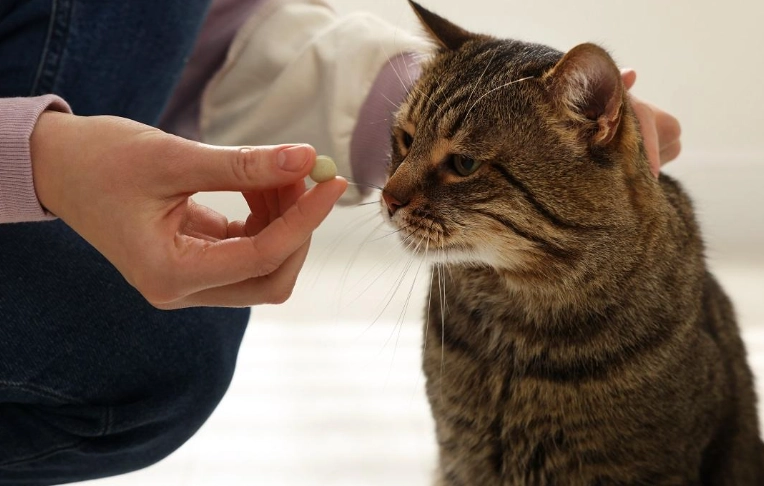
I've been there. I remember fretting over my own cat, Sam, after a vet visit hinted at potential urinary crystals. The internet was a maze of forum posts and conflicting advice. Let's cut through the noise right now.
The short, and most responsible, answer is: maybe, but only with extreme caution and direct guidance from your veterinarian. It's not a simple yes or no. Giving your cat any supplement, especially one formulated for humans, is a decision that carries potential risks alongside possible benefits. This isn't about scaring you, but about giving you the full picture so you can make the best choice for your furry friend.
Why Would Anyone Think About Giving Cranberry Pills to a Cat?
It all boils down to urinary tract health. Cats are notoriously prone to urinary issues—Feline Lower Urinary Tract Disease (FLUTD) is a common umbrella term. This can include everything from cystitis (bladder inflammation) to the formation of painful crystals or stones. Symptoms are heartbreaking to watch: frequent trips to the litter box, straining to urinate, crying out in pain, or even blood in the urine.
For humans, cranberry juice and supplements are folk remedies turned mainstream for preventing urinary tract infections (UTIs). The theory is that compounds in cranberries called proanthocyanidins (PACs) prevent certain bacteria, like E. coli, from sticking to the walls of the bladder. If the bacteria can't stick, they get flushed out when you urinate.
Cat owners, desperate to help their suffering pets, naturally wonder if this logic translates. If it helps human bladders, could it help cat bladders? Especially for issues that aren't straightforward bacterial infections, but general inflammation or crystal formation? The hope is real, and I totally get it.
The Safety Deep Dive: What's Actually in Those Pills?
This is where things get tricky. A cranberry pill meant for you is a world apart from something formulated for a 10-pound cat. Let's break down the risks, because ignoring them is how pets get hurt.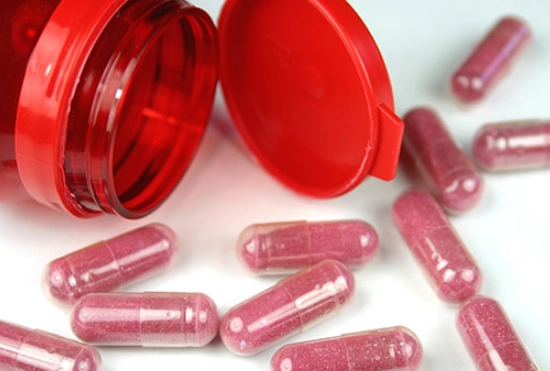
The Major Red Flags and Risks
First, the scary stuff. This is what keeps vets up at night when owners self-prescribe.
- Added Ingredients & Sugar: Human cranberry supplements, especially gummies or juices, are often loaded with sugar, artificial sweeteners like xylitol (which is extremely toxic to cats), and other fillers. Even "sugar-free" versions can be deadly. Cats are obligate carnivores; their bodies aren't designed to process high sugar loads, which can lead to obesity and diabetes.
- Acidity and Stomach Upset: Cranberries are acidic. A cat's digestive system is sensitive. Introducing a concentrated acidic supplement can easily cause vomiting, diarrhea, or a loss of appetite. Not exactly helpful for a sick cat.
- Allergic Reactions: While less common, cats can be allergic to anything. Cranberry could trigger itching, swelling, or gastrointestinal distress.
- Drug Interactions: This is a huge one. Cranberry may interact with certain medications, especially blood thinners like warfarin. If your cat is on any medication, this is an absolute deal-breaker without vet approval.
- Misdiagnosis Danger: The biggest risk of all. Giving cranberry pills might mask symptoms of a serious condition. If your cat is straining to urinate, it could be a life-threatening urethral blockage (common in males), which requires immediate emergency care. Relying on a supplement delays critical treatment.
See what I mean? It's not just about the cranberry itself.
| Potential Risk | Why It's a Problem for Cats | What to Look Out For |
|---|---|---|
| Added Sugars/Sweeteners | Can cause GI upset, diabetes, obesity. Xylitol is acutely toxic. | Check labels for sucrose, fructose, xylitol, sorbitol. |
| High Acidity | Can irritate the stomach lining, causing vomiting or diarrhea. | Cat refuses food, has loose stools, seems nauseous. |
| Drug Interactions | Can alter the effectiveness of prescription medications. | Always disclose all supplements to your vet. |
| Misleading Symptom Relief | Delays diagnosis of serious conditions like blockage or infection. | Any urinary symptom needs a vet visit FIRST. |
| Incorrect Dosage | Too much can cause harm; too little is useless. No standard dose exists for cats. | Never guess. Dosage must be weight-specific and vet-approved. |
Is There Any Actual Benefit for Cats?
Okay, with the warnings firmly in place, let's talk about the potential upside. The science isn't as robust as it is for humans, but it's not non-existent.
The theory holds that the same proanthocyanidins (PACs) might help make a cat's bladder lining less "sticky" for certain bacteria. Some veterinarians do cautiously recommend cranberry extracts (specifically designed for pets) as a supportive measure for chronic, recurrent urinary issues, not as a treatment for an active infection or blockage.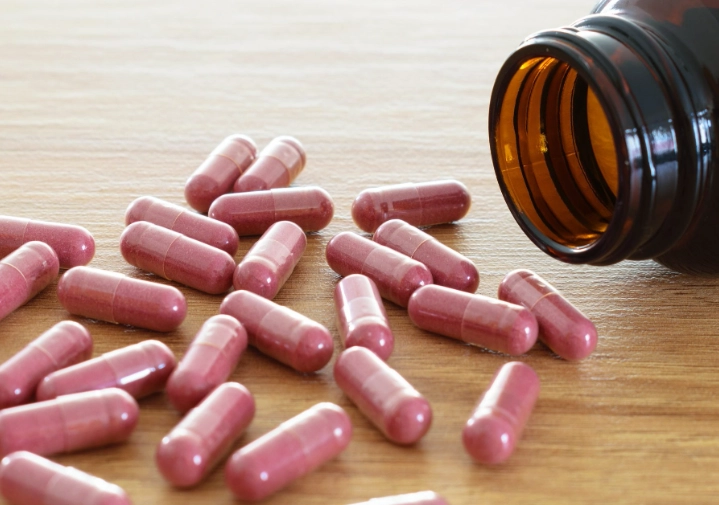
A study published in the Journal of the American Veterinary Medical Association back in 2007 looked at dogs, not cats, but found that cranberry extract reduced the adhesion of E. coli to canine urinary tract cells. It's a leap to apply this directly to cats, but it suggests a possible mechanism. For cats, the evidence is more anecdotal, with many vets reporting that some patients with recurrent cystitis seem to do better with it as part of a comprehensive management plan.
The key point is this: benefit is most likely in prevention and support, not cure. And it's only one tiny piece of a much larger puzzle that includes diet, hydration, stress reduction, and proper medical care.
Here's my personal take after all this research: I'm skeptical of it as a magic bullet. For Sam, my vet was far more focused on getting him onto a prescription urinary diet and encouraging water intake than on any supplement. The diet worked. But I know other cat owners whose vets included a pet-specific cranberry supplement in their plan, and they swear by it. It seems to be one of those "your mileage may vary" things in veterinary care.
If You and Your Vet Decide to Proceed: The "How-To" Guide
Let's say you've talked to your vet. They've ruled out emergencies, checked for drug interactions, and think a cranberry supplement might be a reasonable addition for your cat's specific situation. Here's what you need to know.
1. Never Use Human Supplements
This cannot be overstated. Do not raid your own medicine cabinet. You need a product formulated specifically for cats. These will be free of harmful additives, xylitol, and excessive sugar. They come in powders, liquids, or treats, and are dosed appropriately for feline body weight. Look for reputable brands that specialize in pet supplements.
2. Dosage is Everything (And There's No Universal Answer)
There is no official, universally agreed-upon dosage for cranberry pills for cats. Dosage depends on the concentration of the active ingredient (often measured in PACs), your cat's weight, and the specific product. Your veterinarian will give you a precise dosage instruction. Typically, it's a very small amount—often just a fraction of a human dose.
3. Forms That Work Better for Cats
Pills are hard to give to cats. Powders that can be mixed into wet food are often the most successful. Liquids can be tricky with dosing. There are also soft chews or treats that contain cranberry, which some cats will take willingly. The best form is the one your cat will actually consume without a major battle.
Safer, More Effective Alternatives to Cranberry Pills
Honestly, if you're looking to support your cat's urinary health, there are strategies with much stronger scientific backing and veterinary support than cranberry pills. These should be your first line of defense.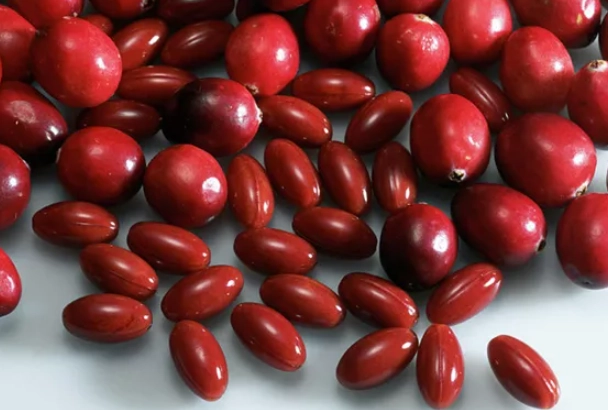
- Increase Water Intake: This is the single most important thing you can do. More water means more diluted urine, which helps flush the bladder and makes it harder for crystals to form. How? Provide multiple water bowls (away from food), use a cat water fountain (cats love moving water), and feed a wet/canned food diet. Adding a bit of water or low-sodium broth to wet food is a great trick.
- Prescription Urinary Diets: If your cat has a history of crystals or stones, your vet may recommend a therapeutic diet. These are scientifically formulated to control urine pH and mineral content to prevent crystal formation. They work. Brands like Hill's Prescription Diet c/d or Royal Canin Urinary SO are common recommendations.
- Stress Reduction: Feline cystitis is heavily linked to stress. Creating a calm environment with plenty of hiding spots, vertical space, scratching posts, and consistent routines can work wonders. In multi-cat households, ensuring resources (food, water, litter boxes) are plentiful and separated is crucial. The rule is one litter box per cat, plus one extra.
- Other Supplements (Vet-Approved): Your vet might suggest other supplements with more evidence for feline urinary health, such as:
- Glucosamine/Chondroitin: Helps repair and protect the bladder's glycosaminoglycan (GAG) layer.
- Omega-3 Fatty Acids: Have anti-inflammatory properties.
- Probiotics: Some emerging research suggests gut health may be linked to bladder health.
When Sam had his issues, the vet's top two recommendations were a water fountain and switching him to mostly wet food. The change was noticeable. He started visiting the fountain constantly and his litter box habits normalized. It felt like a more fundamental fix than adding a supplement ever could.
Answering Your Burning Questions (FAQs)
Let's tackle some of the specific questions that pop up when people search can cats have cranberry pills.
Can I give my cat cranberry juice instead of pills?
Absolutely not. Cranberry juice from the store is a sugary, acidic disaster for cats. Even the "100% juice" kinds are concentrated and often have added sugars. The risks of stomach upset and unhealthy sugar intake are extremely high. Never give your cat cranberry juice.
My cat has a UTI right now. Should I give cranberry pills?
No. An active urinary tract infection requires prompt diagnosis and treatment with prescription antibiotics from your vet. Cranberry is not an antibiotic. It will not cure an infection. Delaying proper treatment can allow the infection to worsen or spread to the kidneys, becoming serious or even life-threatening.
Are cranberry pills safe for kittens?
Kittens have even more sensitive and developing systems. The risks of digestive upset are higher. You should never give any supplement to a kitten without explicit instruction from your veterinarian. Their nutritional needs are very specific and best met by a high-quality kitten food.
How long does it take for cranberry pills to work in cats?
If they are going to have any effect, it would be as a long-term preventive measure, not something that provides quick relief. You wouldn't see results in hours or even days. Think in terms of weeks or months as part of an ongoing management plan. Again, for immediate symptoms, see a vet.
What about D-mannose? I've heard it's better than cranberry.
D-mannose is a simple sugar that is often recommended for UTIs in humans and sometimes pets. It works by binding to E. coli bacteria so they can be flushed out. Some vets prefer it for pets as it may be more targeted and have fewer side effects than cranberry. However, the same rules apply: only use a pet-specific product under veterinary guidance. It is also only effective against E. coli, not other types of bacteria or issues like crystals.
The Bottom Line: A Step-by-Step Action Plan
- Observe & Don't Panic: If your cat shows any urinary symptoms (straining, frequent trips, blood, crying), note them but don't immediately reach for a supplement.
- Vet First, Always: Your first and only call should be to your veterinarian. Describe the symptoms. They will tell you if it's an emergency or if you should schedule an appointment. This step is non-negotiable.
- Discuss Holistically: At the vet, talk about the root cause. Ask about diet (wet vs. dry), water intake, stress factors, and diagnostic tests (urinalysis, possibly ultrasound).
- If Supplements Come Up: If your vet thinks a cranberry or other supplement is appropriate, let them recommend a specific, trusted brand and provide the exact dosage for your cat's weight.
- Prioritize Proven Methods: Focus most of your energy on the strategies with the strongest evidence: increasing water consumption, managing diet, and reducing stress.
So, can cats have cranberry pills? The path to a responsible answer is longer than a simple yes or no. It's a "maybe, under very specific, vet-supervised conditions, and probably not the human ones in your cupboard."
The desire to help our cats with natural remedies is born of love. I've felt it deeply. But the best expression of that love is partnering with a veterinary professional to build a safe, effective, and comprehensive plan for your cat's unique health. Skip the guesswork with human supplements. Invest that time and energy into encouraging your cat to drink more water, finding a great wet food they love, and creating a peaceful home for them. In my experience, and in the consensus of veterinary medicine, that's where you'll find the most powerful medicine of all.




Leave a comment