You’re playing with your cat, and suddenly—ouch. A sharp scratch breaks the skin. It’s a common moment for pet owners. Most of the time, a good clean with soap and water is all you need. But sometimes, that scratch can lead to an infection that requires prescription antibiotics. The specific antibiotic a doctor or vet would recommend depends entirely on the type of infection suspected. For the common "cat scratch disease," caused by the bacteria Bartonella henselae, the go-to antibiotic is often azithromycin. But that's just the starting point. Let's cut through the confusion and talk about what really matters: knowing when a scratch is just a scratch, and when it’s a ticket to the doctor's office for medication.
In This Article
Which Cat Scratches Actually Need Antibiotics?
Not every scratch warrants a pill. Prescribing antibiotics unnecessarily contributes to resistance and exposes you to side effects for no reason. The decision hinges on the type of infection risk.
Think of it in three tiers:
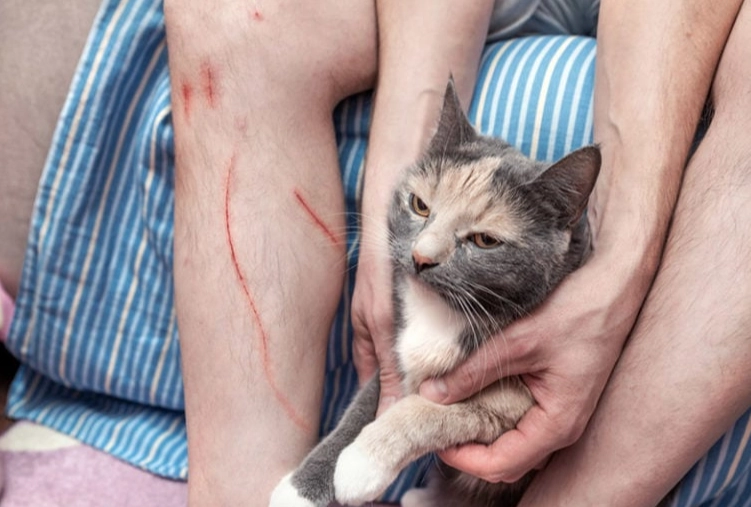
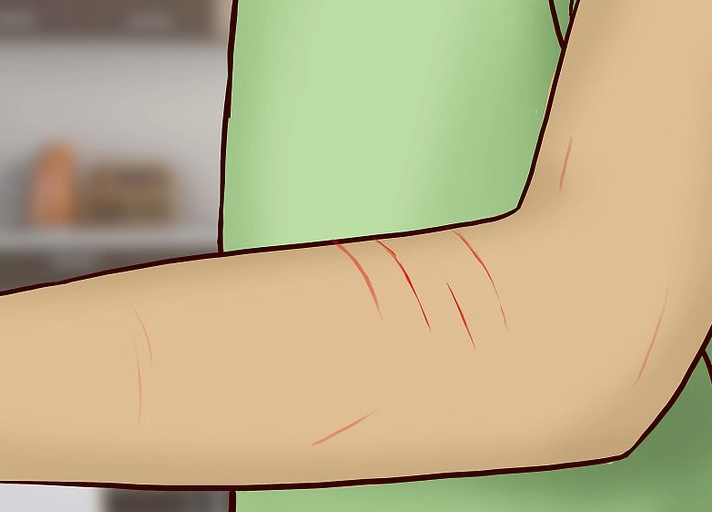
Tier 1: Standard Scratch. Superficial, barely bleeding, from a healthy indoor cat. Immediate washing is 99% of the battle. No antibiotics needed. Your immune system handles it.
Tier 2: Watch Closely. A deeper scratch, especially on the hand or near a joint. The skin is red, warm, swollen, and painful within 24-48 hours. This is likely a routine bacterial skin infection (like cellulitis), often from Pasteurella multocida or Staphylococcus bacteria from the cat's mouth or claws. This tier often needs oral antibiotics.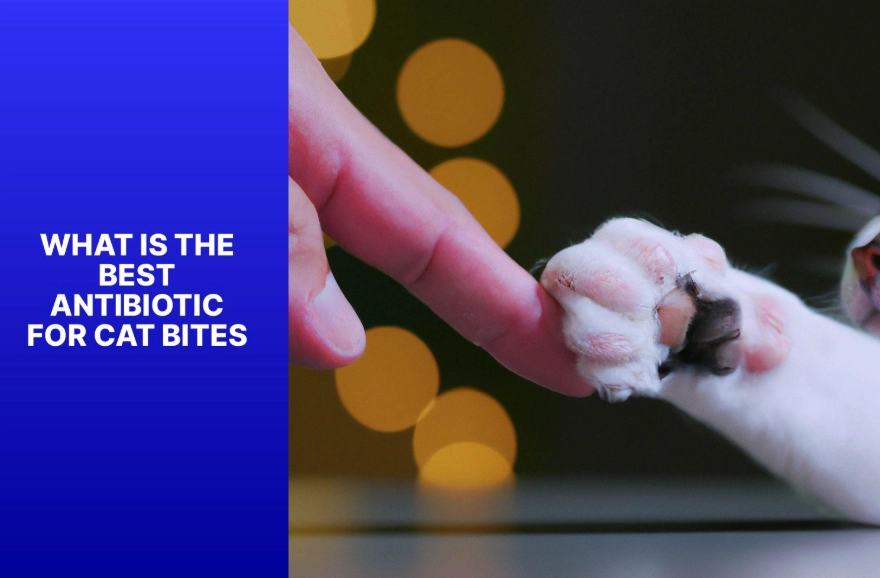
A key detail most miss: The infection often isn’t from something on the claw, but from bacteria transferred from the cat’s mouth during grooming. That’s why even a "clean" scratch can get infected.
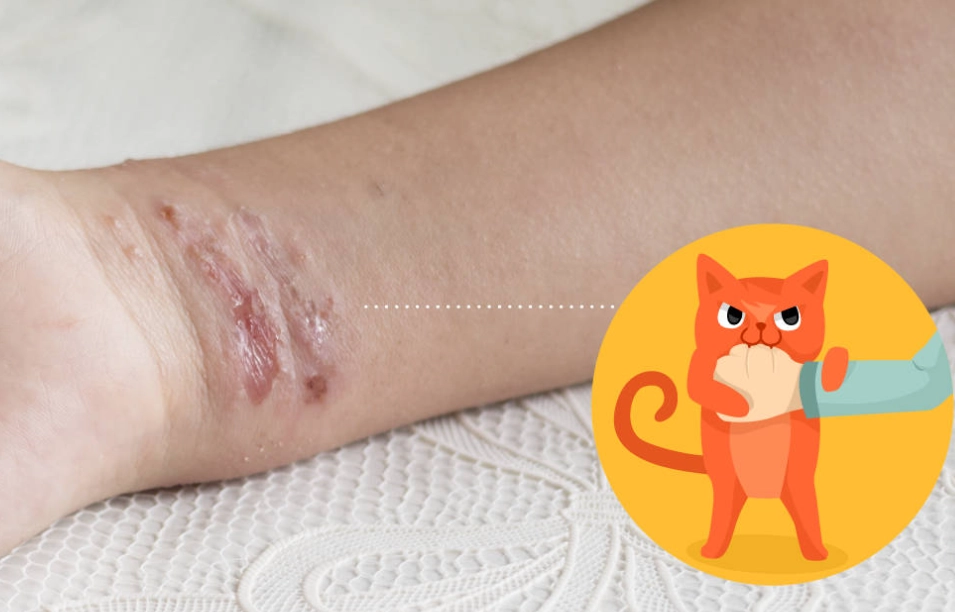
Tier 3: High-Risk / Systemic Infection. This is where "cat scratch disease" (CSD) or other serious concerns come in. Symptoms appear days to weeks later and are systemic. Look for:
- A persistent blister or bump at the scratch site that doesn’t heal.
- Swollen, painful lymph nodes near the scratch (e.g., armpit for a hand scratch).
- Fever, fatigue, headache, poor appetite.
- High-risk individuals: Young children, elderly, or anyone immunocompromised (e.g., chemotherapy, HIV, organ transplant). For them, any significant scratch warrants an immediate call to the doctor.
First-Line Antibiotic Choices for Cat Scratches
If you fall into Tier 2 or 3, here’s what medical professionals consider. Remember, I am not a doctor, and this is not medical advice. This information explains what a healthcare provider might decide based on guidelines from sources like the Centers for Disease Control and Prevention (CDC) and clinical studies.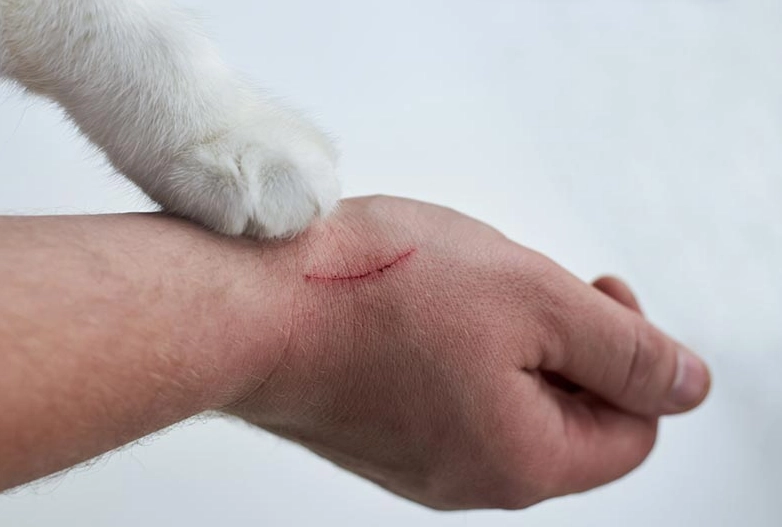
The antibiotic choice targets the most likely culprit.
| Suspected Infection / Condition | Common First-Line Antibiotic(s) | Why This Choice? | Typical Duration |
|---|---|---|---|
| Cat Scratch Disease (Bartonella henselae) Swollen lymph nodes, fever, fatigue. |
Azithromycin Alternatives: Doxycycline, Rifampin, Ciprofloxacin. |
Azithromycin is often preferred for milder cases due to its good tissue penetration and convenient once-daily dosing. Studies, like one published in Clinical Infectious Diseases, show it can reduce lymph node volume faster. | 5-10 days for azithromycin. Longer (2-4 weeks) for severe cases or other antibiotics. |
| Early-Stage Skin Infection (Cellulitis) Redness, swelling, pain around scratch. |
Amoxicillin-clavulanate Alternatives: Doxycycline, Clindamycin. |
This combination (often sold as Augmentin) covers both Pasteurella (common from cats) and Staph species effectively. It’s a broad-spectrum workhorse for skin infections from animal bites/scratches. | 5-7 days, sometimes longer if infection is slow to resolve. |
| Deep/Puncture Wound or High-Risk Patient Severe injury, diabetic, immunocompromised. |
Broad-spectrum coverage, possibly IV antibiotics initially (e.g., Ampicillin-sulbactam). | The risk of aggressive or unusual bacteria is higher. Doctors will cast a wider net and may start treatment in a hospital setting to monitor closely. | Highly variable, based on response. Often starts with IV then switches to oral. |
I’ve seen people ask for "leftover" antibiotics from a previous illness. This is a terrible idea. The antibiotic must match the bacteria. Using the wrong one is useless and dangerous.
A Critical Note on Antibiotic Resistance and Veterinary Use
You might wonder, "What antibiotic would a vet give my cat if it were scratched?" It’s a different calculus. Vets are increasingly cautious about using first-line human antibiotics like amoxicillin-clavulanate for pets to preserve their effectiveness for humans. They might choose a different class first. This underscores why you should never use pet medication on yourself—the dosing, formulation, and intent are completely different.
Your Step-by-Step Guide to Cat Scratch Care (Before & After Antibiotics)
What you do in the first five minutes matters more than you think. Here’s the drill, straight from first-aid protocols.
Immediate Action (Within Minutes):
- Wash. Hold the scratch under warm running water. Use mild soap. Gently lather for a full 60 seconds. This physically flushes out a huge amount of bacteria.
- Press. Use a clean cloth to apply gentle pressure if it’s bleeding—it usually stops quickly.
- Dress. Apply a thin layer of over-the-counter antibiotic ointment (like bacitracin or Polysporin). This isn’t a powerful treatment, but it keeps the wound moist and provides a mild barrier. Cover with a clean bandage.
Daily Monitoring (Next 3-5 Days):
Change the bandage daily. Look for the "RED" flags that mean it’s time to call a doctor:
- Redness that spreads beyond the immediate scratch line.
- Excessive swelling or heat.
- Discharge (pus) or increasing pain.
If you get a prescription, your job isn’t over.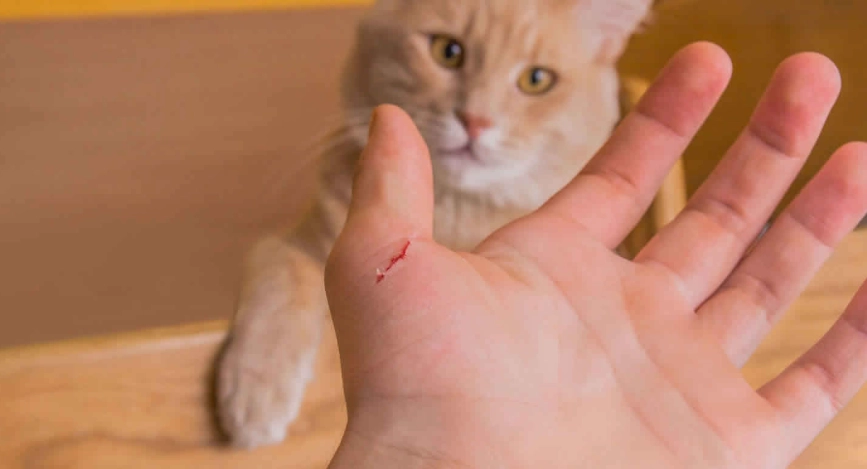
The biggest post-prescription mistake: Stopping antibiotics early because you "feel better." Bacteria aren’t all dead when symptoms fade. Stopping early leaves the toughest survivors, which can cause a relapse or contribute to antibiotic resistance. Finish the entire course, exactly as prescribed.
A Vet’s Perspective: Common Mistakes Pet Owners Make
I’ve spoken with veterinarians about this. One pointed out a subtle error: people obsess over the claw but forget the mouth. Cats’ mouths are full of bacteria. When they lick their paws, those bacteria coat the claws. So, a scratch is essentially a very fine, deep bite.
Another common pitfall is misjudging the cat. A scratch from a playful kitten is different from one from a sick, stray, or febrile cat. The health of the animal factors into the infection risk. If an otherwise healthy indoor cat scratches you, the risk is lower than from an unknown outdoor cat.
Finally, there’s the "wait and see" approach that goes on too long. If redness is spreading up your arm after 24 hours of good home care, don’t wait another day. That’s the window for early intervention with oral antibiotics. Waiting can land you in the ER needing IV drugs.
Your Cat Scratch Questions, Answered
My cat scratched me and it’s a little red, but no other symptoms. Do I need antibiotics?
Probably not. Mild, localized redness right around the scratch is often just inflammation, your body’s normal healing response. The critical sign is if that redness expands significantly (like a red streak or a patch larger than a dime) or gets more painful after the first day. Stick to diligent cleaning and monitoring. If the redness stays stable and starts to fade, you’re likely in the clear.
How long after a cat scratch would cat scratch disease symptoms appear?
Cat scratch disease has a frustratingly long incubation period. It’s not immediate. You might see a small bump or blister at the scratch site 3-10 days later. The classic swollen, tender lymph nodes and flu-like symptoms typically show up 1-3 weeks (sometimes up to 8 weeks) after the scratch. This delay is why people often don’t connect the illness to the scratch.
 I’m pregnant and got scratched. Should I be more concerned?
Yes, you should be more proactive. While the risk of severe complications from a typical scratch is still low, pregnancy alters your immune system. Any sign of infection should be evaluated by a doctor promptly. The good news is that several antibiotics used for cat-associated infections, like azithromycin and amoxicillin-clavulanate, are generally considered safe during pregnancy, but that decision must be made by your OB/GYN or primary care physician who knows your full history.
Can I use hydrogen peroxide or rubbing alcohol to clean a cat scratch?
class="item-answer">It’s best to avoid them. While they kill germs, they also damage healthy tissue and can slow healing. Soap and copious running water are more effective for initial cleaning because they physically remove debris and bacteria. Save the antiseptics for cleaning surfaces, not open wounds.My child was scratched. At what point should I take them to the doctor?
Take them sooner rather than later. For kids, especially young ones, infections can progress quickly. Go to the doctor if: the scratch is deep or on the face/hands; redness spreads within 24 hours; the area becomes swollen and tender; your child develops a fever (>100.4°F or 38°C); or they seem unusually fussy or lethargic. Don’t hesitate—pediatricians are used to these calls.
 The bottom line is simple. Most cat scratches are harmless. Your immediate, thorough cleaning is the most powerful medicine you have at home. But know the signs that mean it’s more than a scratch. When in doubt, a call to your doctor or a quick clinic visit can provide clarity and, if needed, the right antibiotic to get you back to cuddling with your feline friend safely.



Leave a comment