Your Heatstroke Quick Guide
- First, Know the Enemy: Is It Heatstroke or Just Heat Stress?
- The Step-by-Step Home Treatment Protocol for Canine Heatstroke
- What NOT to Do During Home Treatment for Heat Stroke
- Understanding the Why: What Heatstroke Does to Your Dog's Body
- Who is Most at Risk? It's Not Just the Obvious.
- Prevention: The Absolute Best "Treatment" for Heat Stroke
- Common Questions About Heat Stroke in Dogs Treatment at Home
- Final Thoughts: Be Prepared, Not Scared
Let's cut right to the chase. Seeing your dog panting heavily on a hot day is one thing. Seeing them collapse, vomit, or become disoriented from the heat is terrifying. It happens fast, and in those moments, knowing what to do—and what not to do—is everything. This isn't just about comfort; it's about preventing permanent organ damage or worse.
I remember the first time I saw a dog with real heatstroke. It was a friend's energetic Boxer after a long hike. One minute he was lagging, the next he was wobbly and his gums were a scary, bright red. The panic was real. We did some things right, but honestly, we messed up a few things too. That experience is why I've dug deep into this topic, talking to vets and reading guidelines from places like the American Veterinary Medical Association (AVMA).
So, if you're searching for heat stroke in dogs treatment at home, you're in the right place. This guide will walk you through the emergency steps, the common mistakes, and the long-term prevention. Think of it as your go-to reference before, during, and after a heat crisis.
First, Know the Enemy: Is It Heatstroke or Just Heat Stress?
Not all overheating is full-blown heatstroke. Knowing the difference helps you gauge the urgency. Heat stress is the early warning. Heatstroke is the medical emergency.
Dogs cool themselves primarily by panting and through minimal sweat glands in their paws. It's a terribly inefficient system compared to ours, especially for brachycephalic (flat-faced) breeds like Bulldogs, Pugs, or Boston Terriers. On a humid day, panting becomes almost useless.
Signs of Heat Stress (Early Warning)
- Excessive, heavy panting that doesn't slow down in the shade.
- Seeking cool surfaces (tile, basement).
- Drooling more than usual.
- Appearing a bit lethargic or less responsive.
At this stage, immediate cooling can often prevent escalation. Get them inside to AC, offer cool (not ice-cold) water, and stop all activity.
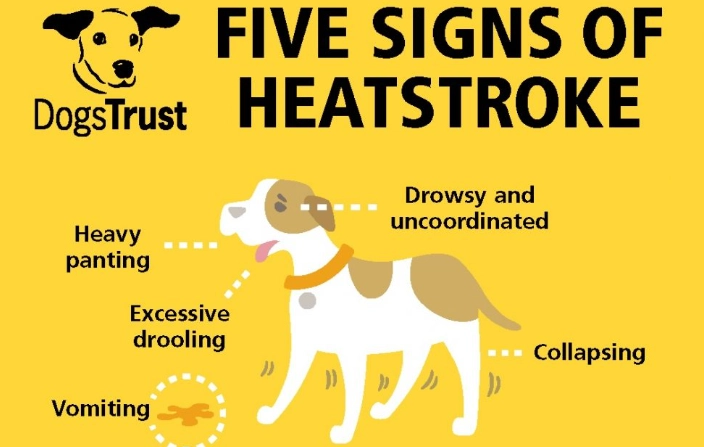
Symptoms of Full Heatstroke (Red Alert)
This is when you switch to emergency mode. Symptoms include:
- Bright red or dark red/purple gums and tongue. This is a huge one. Check their gums.
- Excessive drooling that may be thick and sticky.
- Rapid or irregular heartbeat.
- Weakness, staggering, collapse.
- Vomiting or diarrhea (sometimes with blood).
- Confusion, disorientation, seizures.
- Body temperature above 104°F (40°C). A normal dog temp is 101-102.5°F.
If you see these, you are now in the realm of heat stroke in dogs treatment at home as an emergency intervention.
The Step-by-Step Home Treatment Protocol for Canine Heatstroke
Okay, your dog is showing red-alert signs. Panic is the enemy of good first aid. Take a breath and follow these steps. I've laid them out in a rough order, but some things happen simultaneously (like calling the vet while you start cooling).
Step 1: Move and Call
Immediately get your dog out of the heat and into a shaded, cool area. Indoors with air conditioning is ideal. If you're on a hike, find any shade. Do not force them to walk if they are wobbly; carry them if possible.
Call your vet or the nearest emergency animal hospital now. Tell them you have a dog with suspected heatstroke and you are initiating cooling. They will give you specific advice and prepare for your arrival. This call is non-negotiable.
Step 2: Start Gradual Cooling
This is the core of the treatment at home. Do not use ice or ice-cold water.
- Use Cool Water: Soak towels in cool (think tap water, not fridge-cold) water and place them over your dog's neck, under their armpits, and in their groin area. These are where major blood vessels are close to the skin. Do NOT cover the whole dog with a soaking wet towel, as it can trap heat.
- Airflow is Key: Point a fan at your dog. The combination of evaporating water and moving air is incredibly effective at cooling. If you have a portable fan in the car, use it.
- Wet the Paws and Ears: You can gently wet their paw pads and the back of their ears with cool water.
- Offer Small Amounts of Water: If your dog is conscious and not vomiting, let them drink small amounts of cool water. Don't force it.
Step 3: Monitor and Measure (If You Can)
If you have a pet thermometer, take their rectal temperature every 5 minutes. Your goal is to get it down to about 103°F (39.4°C). Stop the active cooling (fan, wet towels) once you hit 103°F. Why? Because their temperature will continue to drift down a bit more, and you want to avoid swinging them into hypothermia.
If you don't have a thermometer, focus on their behavior. Once the heavy panting starts to subside and they seem more aware, you can ease up on the cooling efforts, but keep them in a cool environment.
Step 4: The Transport to the Vet
Even if your dog seems better, they need to go to the vet. Internal damage from heatstroke can show up hours later. Kidney failure, clotting problems, brain swelling—these are silent killers.
- Keep the car air conditioning on full blast.
- Continue with a damp towel on their groin/armpits if it's practical.
- Drive calmly. Your vet is waiting for you.
What NOT to Do During Home Treatment for Heat Stroke
Sometimes, knowing what to avoid is as important as knowing what to do. These mistakes can make things worse.
- Do NOT use ice or ice baths. I know it seems logical, but it's dangerous. It causes peripheral blood vessels to constrict, sealing heat in the core. It can also drop the temperature too rapidly.
- Do NOT force water into their mouth if they are unconscious or seizing. They can aspirate it into their lungs.
- Do NOT cover them completely with wet towels or blankets. This creates a sauna effect.
- Do NOT give human medications like aspirin or acetaminophen. They are toxic to dogs and won't help the core problem.
- Do NOT assume they are "cured" once they stop panting heavily. The internal crisis may still be unfolding.
Understanding the Why: What Heatstroke Does to Your Dog's Body
Maybe you're wondering why I'm being so insistent about the vet. Let's break down what's happening inside, and you'll see it's not just about being hot.
When a dog's core temperature rises past a safe point, their cells start to cook, literally. Proteins denature. The lining of the intestines can break down, letting bacteria into the bloodstream. The body goes into systemic inflammation, a cascade called SIRS (Systemic Inflammatory Response Syndrome).
Small blood clots can form throughout the body (DIC), which then uses up all the clotting factors, leading to bleeding disorders. The kidneys, which are super sensitive to heat and low blood pressure, can fail. Brain swelling can occur.
This is why the home treatment for heat stroke is just the opening act. The vet needs to run blood tests, provide IV fluids to support blood pressure and kidneys, manage any clotting issues, and monitor for organ failure. The ASPCA's guide to hot weather safety emphasizes that heatstroke is a multi-organ failure event.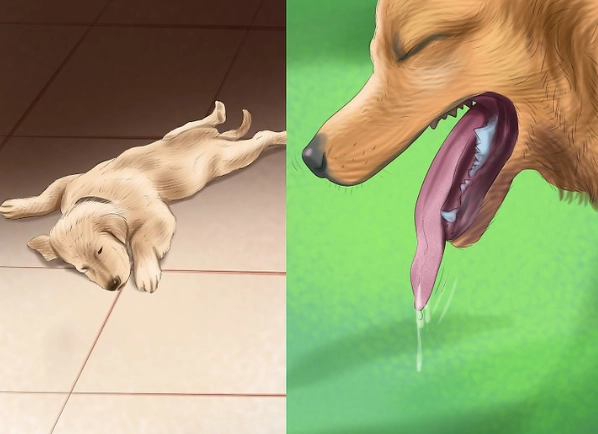
Who is Most at Risk? It's Not Just the Obvious.
We all think of Huskies in the sun, but the risk profile is broader.
| Risk Factor | Why It's Dangerous | Examples |
|---|---|---|
| Brachycephalic Breeds | Compromised airways make panting inefficient. They are the #1 risk group. | Bulldogs, Pugs, French Bulldogs, Boston Terriers, Shih Tzus |
| Thick/Double Coats | The coat insulates against cold AND heat. Traps warmth close to the body. | Huskies, Malamutes, Newfoundlands, Chow Chows |
| Overweight Dogs | Extra fat acts as insulation and puts strain on the cardiovascular system. | Any breed carrying excess weight. |
| Very Young or Very Old | Poorer temperature regulation systems. | Puppies and senior dogs. |
| Underlying Health Issues | Heart, lung, or airway diseases reduce cooling efficiency. | Dogs with laryngeal paralysis, heart disease, tracheal collapse |
| High-Energy/Working Dogs | They will often play or work until they drop, ignoring their own distress. | Border Collies, Labrador Retrievers, sporting breeds |
But here's a personal opinion: I think the most dangerous dog is the deconditioned family pet. The dog that lounges all winter, then gets taken for a long, enthusiastic hike on the first warm spring day. Their body isn't ready for that stress.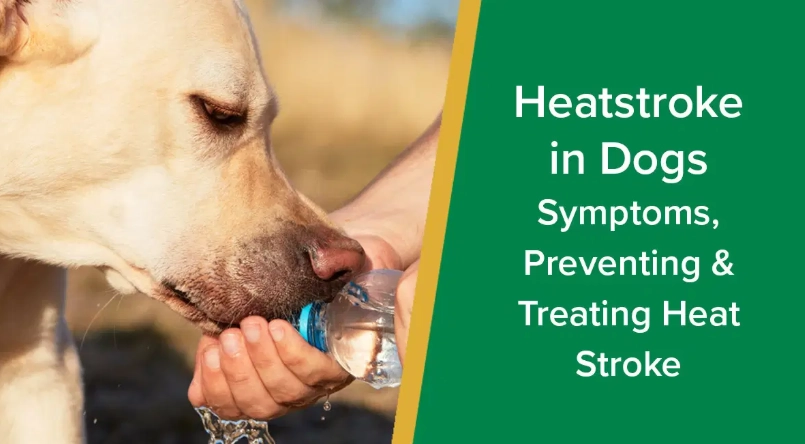
Prevention: The Absolute Best "Treatment" for Heat Stroke
Honestly, the best heat stroke in dogs treatment at home is the treatment you never have to use. Prevention is straightforward if you make it a habit.
Your Summer Safety Checklist
- Walk Smart: Early morning or late evening only. Test the pavement with the back of your hand—if it's too hot for you to hold for 7 seconds, it's too hot for their paws.
- Hydration Station: Multiple bowls of fresh, cool water inside and out. Add ice cubes. Consider a pet water fountain to encourage drinking.
- Never, Ever Leave in a Car: Not for "just a minute." On a 75°F day, the inside of a car can hit 100°F in 10 minutes. Cracking windows does almost nothing. Just don't do it.
- Create Cool Zones: Ensure they have access to air-conditioned rooms, tile floors, or a cool basement. A cooling mat can be a great investment.
- Adjust Exercise: Swap the long run for a mental game or a swim. Swimming is fantastic exercise with built-in cooling.
- Know Your Dog: If your dog is in a high-risk category, their summer rules need to be even stricter.
Common Questions About Heat Stroke in Dogs Treatment at Home
Final Thoughts: Be Prepared, Not Scared
Look, the point of this deep dive isn't to make you paranoid about every sunny day. It's to give you confidence. Confidence to enjoy summer with your dog, knowing you can spot trouble early and act effectively if the worst happens.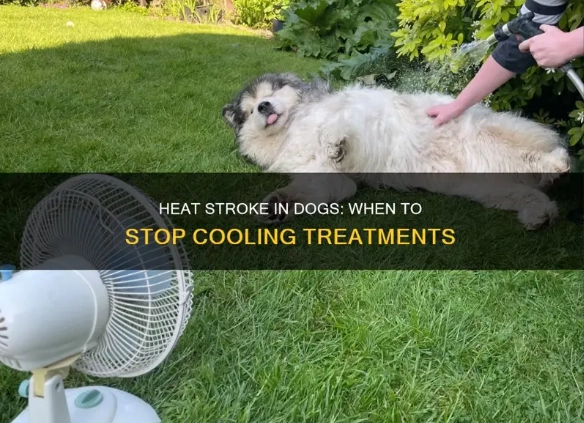
Bookmark this page. Share it with your dog-walking friends. Stick the basic steps on your fridge: Move. Call. Cool with water and fan. Go to the vet.
The reality is, most cases of heat stroke in dogs treatment at home are entirely preventable. A little foresight, a shift in routine, and a lot of fresh water go a very long way. But if that moment ever comes, you're no longer searching in a panic. You know what to do.
Your dog's health, as resources from organizations like the Veterinary Emergency and Critical Care Society (VECCS) stress, often depends on the informed actions you take in the first few minutes of an emergency. Be that informed owner.

Leave a comment