Let's cut to the chase. The short, direct answer is: yes, it is possible, but it is extremely rare. A simple cat scratch leading directly to death is like worrying about being struck by lightning while carrying an umbrella. The real danger isn't the scratch itself—it's the potential for a serious bacterial infection that, if left completely untreated in a vulnerable person, could theoretically become life-threatening. Most of us will just get a red, itchy line that heals in a week. But understanding that slim chance of complication is what keeps you and your family safe. I've been writing about pet health for a decade, and the number one mistake I see is people dismissing a cat scratch as "just a scratch."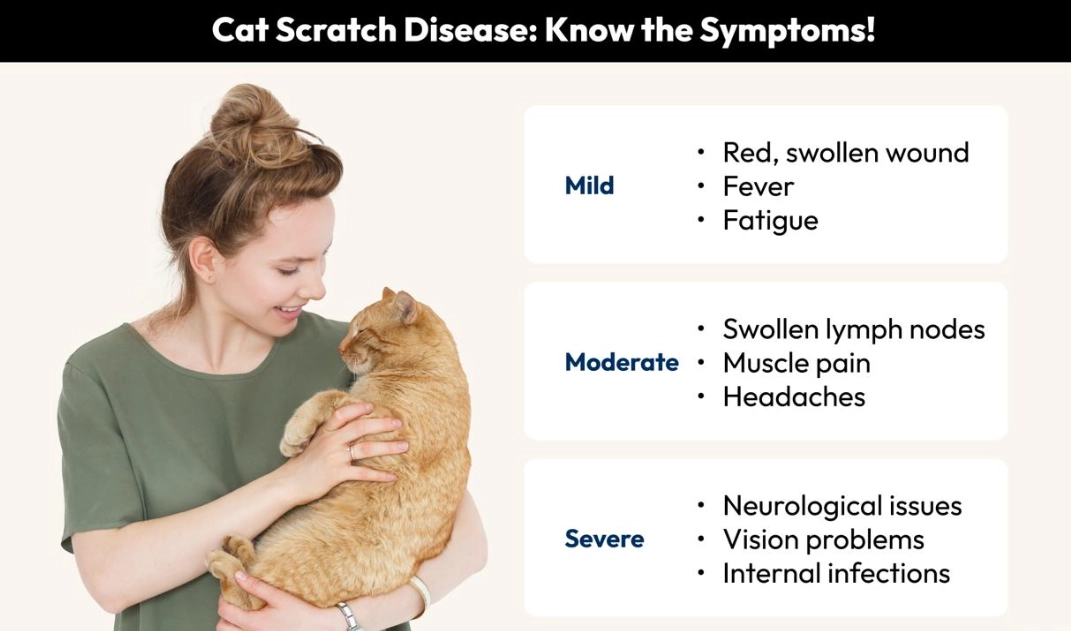
What You'll Find in This Guide
The Real Threat: It's Not the Claw, It's the Bug
Think of a cat's claw as a tiny, dirty needle. It's not sterile. Under their claws and in their saliva lives a bacterium called Bartonella henselae. This is the culprit behind Cat Scratch Disease (CSD), also known as cat scratch fever. According to the U.S. Centers for Disease Control and Prevention (CDC), about 12,000 people are diagnosed with CSD each year, and about 500 end up in the hospital. Fatalities are a tiny fraction of that, usually involving people with severely compromised immune systems.
But Bartonella isn't the only passenger. A scratch can also introduce other nasties into your system.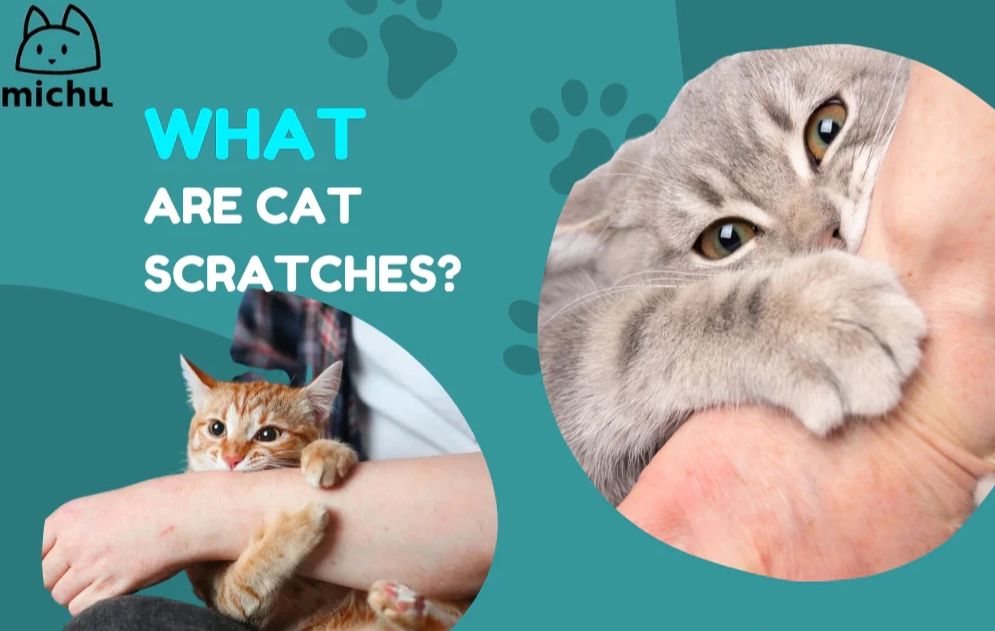
Other Infections You Can Get From a Scratch
While CSD is the headline act, the supporting cast can be problematic too.
- Cellulitis: A common, painful skin infection caused by various bacteria (like Staphylococcus or Streptococcus) that can spread if not treated with antibiotics.
- Tetanus: Yes, really. The bacteria that causes tetanus (Clostridium tetani) lives in soil and dust. If your cat's claw was dirty, it could inoculate you. This is why doctors ask about your tetanus shot status after a deep puncture wound.
- Rabies: This is the ultimate scare, but the risk from a scratch is incredibly low. Rabies virus is in saliva. A scratch could only transmit rabies if the cat's paw was freshly contaminated with its own infected saliva. An unvaccinated outdoor cat that attacks unprovoked is the red flag scenario here.
What to Do Immediately After a Scratch: The 5-Step Protocol
Don't panic. Just follow these steps. I keep a bottle of saline wash and a tube of antibiotic ointment in my bathroom cabinet specifically for this. It's saved me many a doctor's visit.
- Let it bleed (just a little). Gently press around the scratch. A small amount of bleeding helps flush out bacteria. Don't induce heavy bleeding.
- Wash like a surgeon. Hold the scratch under warm, running water. Use mild soap and lather for a full 60 seconds. This mechanical washing is more important than any fancy antiseptic.
- Apply pressure with a clean cloth to stop any minor bleeding.
- Pat dry and disinfect. Use an over-the-counter antiseptic like chlorhexidine or rubbing alcohol. It will sting. That's normal.
- Cover it loosely. A clean, dry bandage or adhesive strip for the first day or two keeps dirt out. After that, letting it breathe often speeds healing.
Symptoms That Mean "Call the Doctor Now"
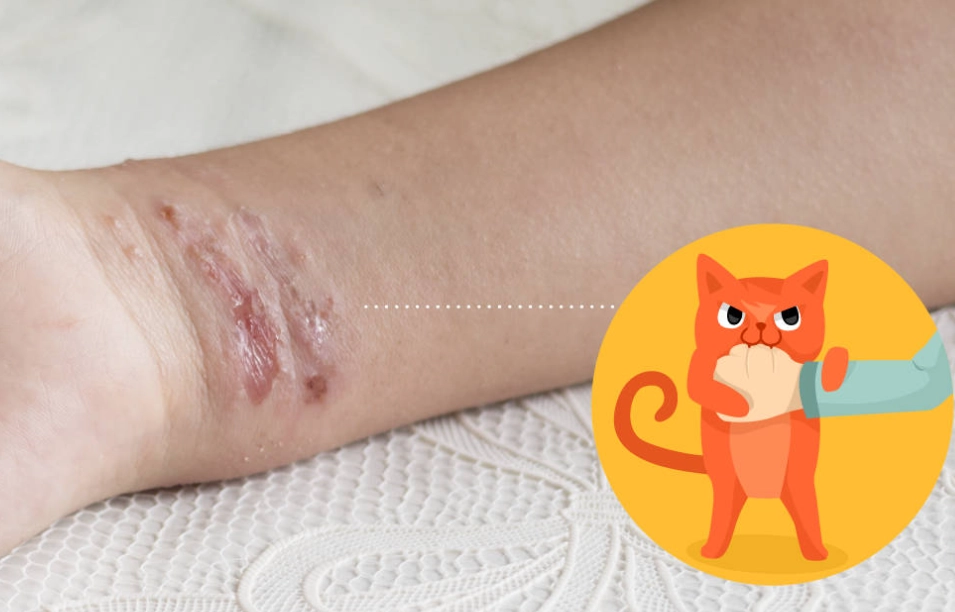
This is where most online advice gets vague. Let's get specific. The scratch itself will be red and maybe swollen for a day or two. That's normal inflammation. You're looking for signs that the infection is spreading or becoming systemic.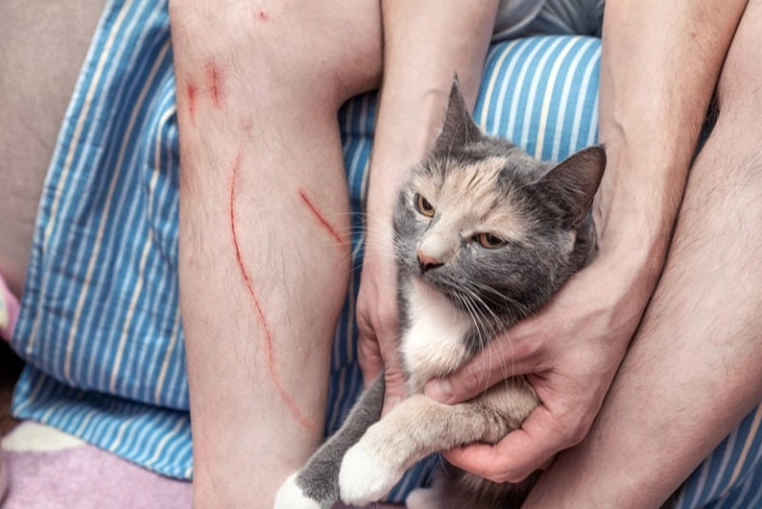
Watch the area around the scratch and your body for these changes over the 3 to 14 days after the incident.
| Symptom | What It Might Mean | Action Required |
|---|---|---|
| Red streaks moving away from the scratch | Lymphangitis – infection spreading up your lymphatic vessels | Seek medical care within 24 hours. |
| Swollen, painful lymph nodes (armpit, groin, neck) | Classic sign of Cat Scratch Disease; your immune system is fighting hard | Schedule a doctor's appointment for diagnosis. |
| Pus or excessive yellow discharge | Active bacterial infection at the site | Doctor visit for possible antibiotic treatment. |
| Fever over 101°F (38.3°C), chills, body aches | Infection has gone systemic (bacteremia) | Contact your doctor immediately or go to urgent care. |
| Severe headache, confusion, or eye pain/redness | Rare complications like neuroretinitis or encephalopathy | This is an emergency. Go to the ER. |
| The area is hot to the touch and swelling increases after 48 hours | Worsening cellulitis | Doctor visit within a day. |
I had a friend who ignored a swollen lymph node for two weeks after her new kitten scratched her. She ended up on strong antibiotics for a month. A simple earlier visit would have meant a shorter, easier course.
Smart Prevention: How to Live Safely with Your Feline Friend
You don't need to live in fear of your cat. A few behavioral tweaks and habits drastically reduce risk.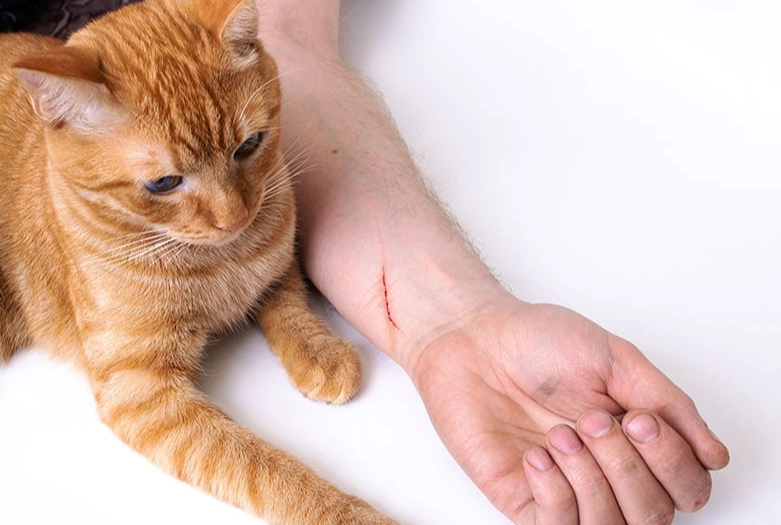
For the Humans:
- Trim those claws. Not declaw—that's inhumane and causes other problems. Regular trims blunt the tips. Use proper clippers and give treats.
- Read the body language. A twitching tail, flattened ears, and a stiff body mean "back off." Petting a cat in this state is an invitation to be scratched.
- Use toys, not hands. Never use your hands or feet as play objects. It teaches cats that skin is a toy. Use wand toys, laser pointers (with a physical reward at the end), or tossed toys.
- Wash your hands. Simple but effective, especially after play sessions or cleaning the litter box.
For the Cat:
- Keep up with flea control. Fleas are the primary vector that spreads Bartonella between cats. The American Veterinary Medical Association (AVMA) emphasizes year-round flea prevention as a key public health measure.
- Provide scratching posts. Multiple, sturdy posts in key locations (near where they sleep, by doorways) give an appropriate outlet.
- Consider keeping your cat indoors. Indoor cats have less exposure to fleas, fights with infected animals, and other hazards.
- Regular vet checkups. There's no routine test for Bartonella in healthy cats, but a vet can assess your cat's overall health and flea status.
Your Burning Questions Answered
 How long after a scratch should I start worrying about symptoms?
The bottom line is simple. Love your cat, play with your cat, but respect the fact that they are animals with natural weapons. A cat scratch killing you is a medical oddity, not a common occurrence. The goal isn't to create fear, but to foster informed awareness. Proper immediate care and knowing the warning signs turn a potential health scare into a minor, forgettable incident. That's how you enjoy a long, safe, and scratch-filled life with your feline companion.





Leave a comment