Let's be honest, watching your dog devour the same plain kibble day after day can feel a bit... sad. You're cooking a delicious meal for yourself, filled with herbs and spices, and those big, pleading eyes are impossible to ignore. The question pops into your head: can I share just a little bit of this flavor with my best friend? The answer isn't a simple yes or no. It's a landscape of green lights, red flags, and a whole lot of yellow caution zones. Getting it wrong can mean a rushed trip to the emergency vet. Getting it right can mean a happier, healthier pup enjoying mealtime alongside you. This guide cuts through the confusion to show you exactly which seasonings are safe for dogs, which are dangerous, and how to use the good ones properly.
Quick Guide to Dog-Safe Seasonings
The Safe List: Herbs & Spices You Can Actually Use
Contrary to popular belief, your dog's food bowl doesn't have to be a flavorless desert. Several common herbs are not only safe but can offer minor health benefits. The key is understanding what to use and how much. Think of these as flavor enhancers, not primary ingredients.
Top Safe Herbs for Dogs
These are your go-to options. I prefer using fresh or dried herbs over powdered forms, as powders are more concentrated and easier to overdo.
- Parsley: Freshens breath! But here's the expert tip everyone misses: use curly parsley, not flat-leaf (Italian) parsley. Curly parsley is lower in the essential oils that can be problematic in large quantities. A sprinkle on their food is perfect.
- Basil: A great, mild anti-inflammatory. A few fresh leaves chopped finely into their dinner can be a nice treat. I've mixed a teaspoon of fresh basil into my dog's bland chicken and rice when he had a mild tummy ache, and he loved it.
- Oregano: This is a potent one. It has antimicrobial properties, but because it's strong, use it very sparingly. A tiny pinch of dried oregano in a large batch of homemade dog food is plenty.
- Ginger: Fantastic for nausea and motion sickness. A small slice of fresh ginger steeped in warm water to make a weak tea, then cooled and added to their water bowl, can work wonders for a queasy pup.
- Cinnamon (Ceylon, not Cassia): A tiny dash can be okay. Cassia cinnamon contains higher levels of coumarin, which can affect the liver, so if you use it, make it the Ceylon variety and make it a rare, dust-like addition.
- Turmeric: The superstar of anti-inflammatories. The catch? It's poorly absorbed on its own. You must mix it with a pinch of black pepper and a healthy fat (like coconut oil) to activate its benefits. A common homemade "golden paste" recipe is used by many owners for arthritis.
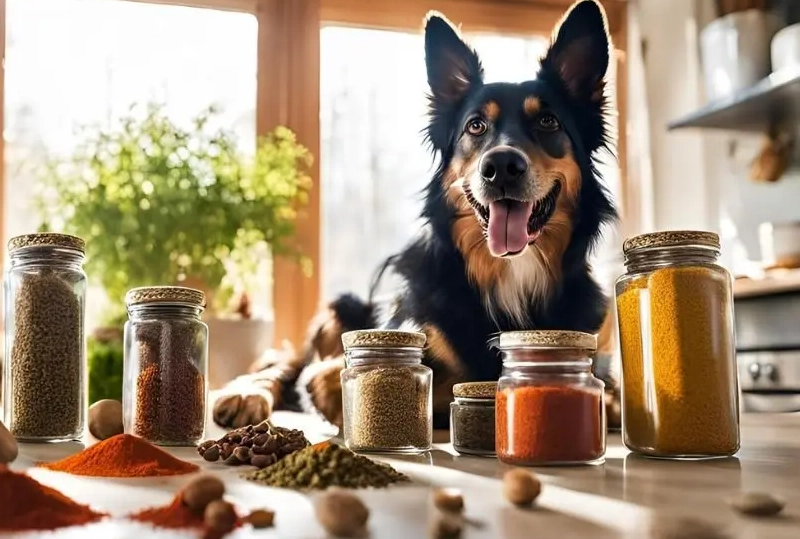
The Absolute No-Go List: Toxic Seasonings
This list is non-negotiable. Even small amounts of these can cause serious harm, from organ damage to life-threatening anemia. I keep this list on a note on my fridge as a reminder.
| Seasoning | Why It's Dangerous | Common Foods It's In |
|---|---|---|
| Garlic & Onions (All Alliums) | Contains N-propyl disulfide, which damages red blood cells, leading to hemolytic anemia. This includes powders, which are even more concentrated. | Garlic powder, onion powder, onion salt, seasoned salts, many soups, sauces, and gravies. |
| Nutmeg | Contains myristicin, which can cause hallucinations, high heart rate, disorientation, seizures, and even death. | Baked goods, pumpkin pie spice, eggnog, some dessert toppings. |
| Salt (in excess) | Large amounts can lead to sodium ion poisoning: symptoms include vomiting, diarrhea, tremors, high temperature, and seizures. | Table salt, overly salty broths, cured meats, snack foods. |
| Xylitol | An artificial sweetener that causes a massive insulin release in dogs, leading to hypoglycemia (low blood sugar), liver failure, and death. | Sugar-free peanut butter, gum, mints, baked goods, some drink mixes. |
| Cocoa Powder (Chocolate) | Contains theobromine and caffeine, which dogs cannot metabolize effectively. Causes heart and nervous system issues. | Brownies, cakes, chocolate-based sauces, cocoa mulch in gardens. |
A mistake I see often? People think a little garlic powder in a huge pot of stew is "diluted enough." It's not. The toxic compounds are cumulative, meaning small exposures over time can still build up to dangerous levels.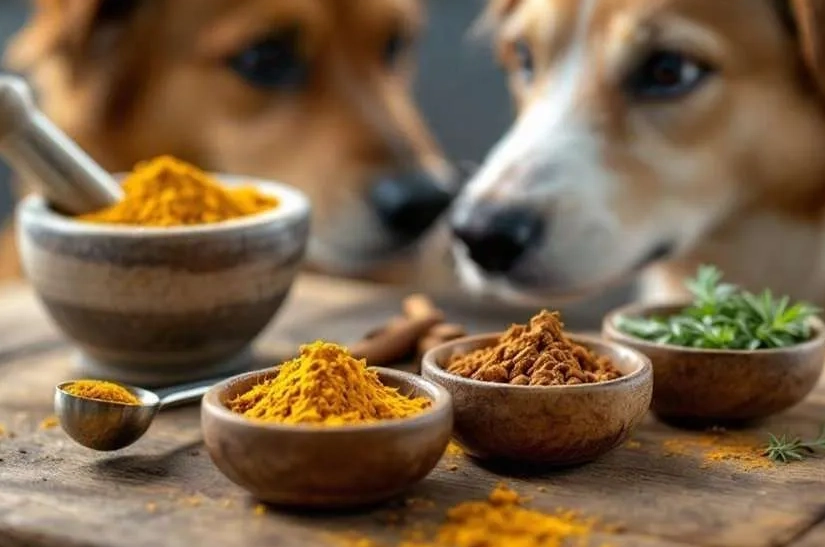
How to Safely Introduce Herbs to Your Dog's Diet
Okay, so you have some safe herbs. Now what? You don't just dump a tablespoon of oregano into their bowl. Here's a practical, step-by-step approach I've used for years.
Start Simple and Single
Pick one herb. Let's say fresh basil. Chop one small leaf very finely. Mix it into a portion of their regular food. Watch them eat it. Then, watch them for the next day. You're looking for any change in behavior, energy, or stool. If all is clear after 24-48 hours, you've found a safe flavor for your dog.
Consider the Form: Fresh vs. Dried vs. Powder
This is crucial for dosing.
- Fresh Herbs: The mildest form. Use a small pinch of chopped leaves.
- Dried Herbs: More concentrated. Use about 1/3 the amount you would use fresh. So if a recipe calls for 1 tsp fresh, use 1/3 tsp dried.
- Powdered Spices: The most concentrated and easiest to overdose. Use a literal "dash" or "dusting." Think the amount that would fit on the tip of a knife.
Incorporate into Homemade Treats or Food
The best way to use these seasonings is by making them part of a controlled recipe. For example, when I make simple dehydrated sweet potato chews, I might very lightly dust them with a mixture of dried parsley and a hint of turmeric before baking. The dog gets the flavor, and I control exactly what's in it.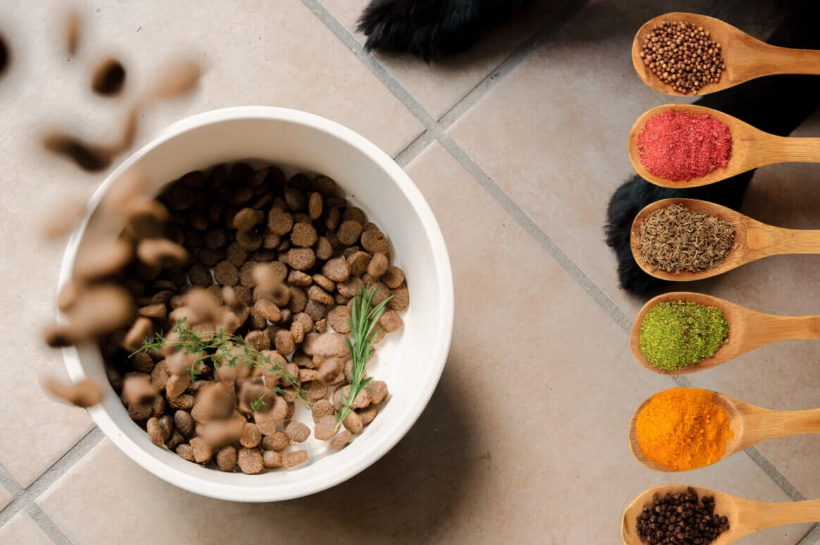
Common Mistakes Even Experienced Owners Make
After a decade of talking to vets and owners, I've seen patterns. Here's where well-meaning people slip up.
Mistake 1: Assuming "Natural" Means Safe. Cyanide is natural. The point is, the origin doesn't guarantee safety. Nutmeg is natural and highly toxic.
Mistake 2: Ignoring the "Hidden" Sources. The danger often isn't the spice jar. It's the leftover pasta sauce with garlic and onion, the seasoned taco meat, the stuffing from your holiday turkey. Always check ingredient lists on human food you plan to share.
Mistake 3: Forgetting About the Dog's Size and Health. A pinch of salt that's nothing for a Great Dane could be a real problem for a Chihuahua. A dog with pre-existing kidney issues should avoid even safe seasonings without explicit vet approval. Context is everything.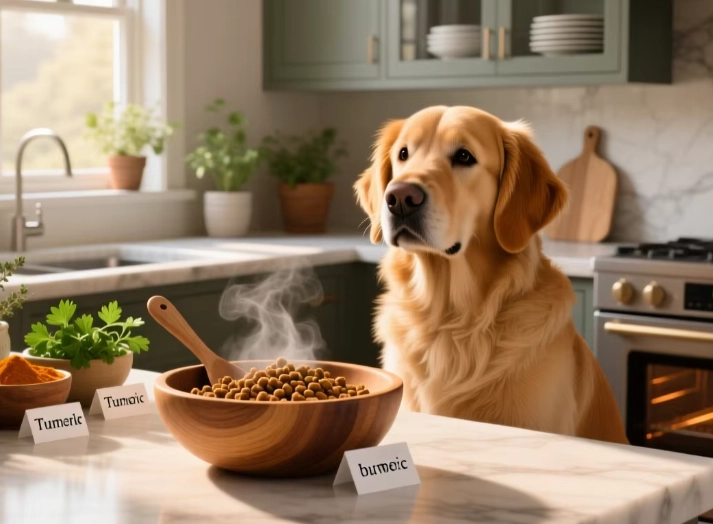
Your Top Seasoning Safety Questions Answered
Navigating the world of seasonings for your dog is about embracing caution to enable safe enjoyment. You don't have to resign yourself to a bland food bowl forever. By sticking to the short list of proven-safe herbs, avoiding the dangerous ones like the plague, and always starting small, you can add a whisper of your kitchen's warmth to your dog's meals. It's a small gesture that strengthens the bond you share over one of life's simplest joys: eating together.



Leave a comment