You stare at the bowl. Your dog stares at the bowl. The kibble sits there, untouched, for the third time this week. Sound familiar? Adding flavor to your dog's food isn't about spoiling them—it's about solving a real problem: a bored dog who's not eating enough. But here's the catch most articles miss: "flavor" doesn't mean "high-fat" or "salty." It means enhancing palatability and nutrition without wrecking their balanced diet. After years working with picky eaters (including my own Lab-mix, Luna), I've learned the tricks are simpler and safer than you think. Let's skip the generic advice and get into what actually works.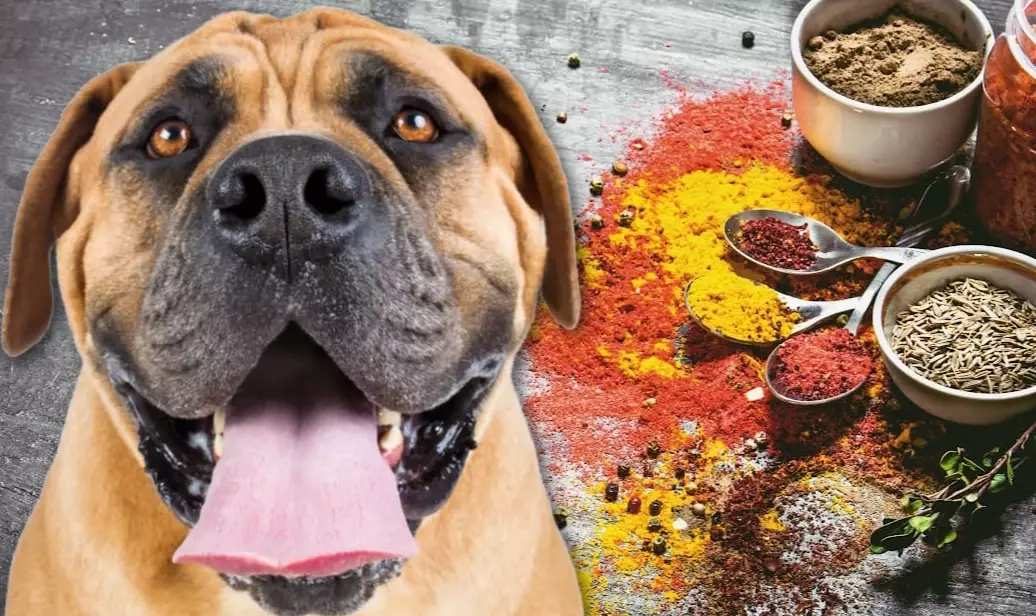
What You'll Learn Inside
Why Your Dog Might Be Snubbing Their Supper
It's easy to label them as "picky," but the reason is often more specific. Sometimes it's sensory boredom—eating the same brown pellets every day is like us eating plain oatmeal for every meal. Other times, it's a subtle health signal. A sudden loss of appetite always warrants a vet check to rule out dental pain, stomach issues, or other conditions, as advised by resources like the American Veterinary Medical Association. But for the chronically uninterested healthy dog, the solution is often in the bowl's composition, not the dog's attitude.
I see owners make one big mistake: they jump straight to pouring bacon grease or shredded cheese on top. That works for a meal or two, then you've created a little monster who holds out for the good stuff. It also piles on empty calories. We need a smarter approach.
The Golden Rules for Safe Flavor Adding
Think of these as non-negotiable. Break them, and you might cause more harm than good.
Rule 1: The 10% Rule. Any additions—toppers, mix-ins, broths—should not make up more than 10% of your dog's total daily calories. The remaining 90% should be their complete and balanced main food. This ensures they don't miss out on essential vitamins and minerals engineered into their kibble or wet food.
Rule 2: Know the Toxic No-Go's. This is critical. Onions, garlic, grapes, raisins, chocolate, xylitol (a common sweetener), and macadamia nuts are seriously dangerous. A resource like the ASPCA Animal Poison Control Center list is a good bookmark. When in doubt, don't add it.
Rule 3: Low-Sodium is Law. Dogs process salt differently. If you're using broth, it must be low-sodium, and ideally, specifically made for pets. That store-bought beef or chicken stock? It's often a salt bomb.
Rule 4: Introduce One Thing at a Time. Add a new flavor for 2-3 days before trying another. This makes it easy to spot any digestive upset or allergic reaction (itching, ear infections).
A Quick Reality Check
If your dog suddenly stops eating a food they've loved for months, don't just add flavor. Call your vet. A sudden appetite change can be the first sign of a health issue that needs professional attention. Flavor enhancers are for boredom and gentle encouragement, not for masking underlying problems.
The Flavor Powerhouse List: What to Add
This isn't just a list. It's a toolkit, categorized by what they do. You don't need fancy supplements. The best stuff is probably in your kitchen right now.
| Category | Food Examples | Key Benefit & Flavor Profile | How to Use & Precautions |
|---|---|---|---|
| Moisture & Umami Boosters | Low-sodium bone broth (homemade or pet-safe), warm water, a spoonful of canned pumpkin (pure, not pie filling), plain yogurt (no sugar, low-fat), kefir. | Adds enticing smell and easy-to-eat moisture. Broth provides meaty depth, pumpkin adds subtle sweetness and fiber. | Pour 1-4 tbsp over kibble and let it soak for 5 minutes. Yogurt/kefir are probiotic bonuses. Start with small amounts of pumpkin to avoid loose stools. |
| Nutrient-Dense Mix-Ins | Steamed and mashed sweet potato, steamed green beans, grated carrots, cooked peas, pureed blueberries or raspberries. | Adds vitamins, antioxidants, and new textures. Sweet potato is a favorite for its natural sweetness and smooth texture. | Mash or chop finely and mix right into the food. Keep portions small (e.g., a teaspoon for small dogs, a tablespoon for large). |
| Protein & Palatability Toppers | A tablespoon of cooked, unseasoned ground turkey, chicken, beef, or scrambled egg. Sardines packed in water (no salt). | Direct hit of meaty flavor dogs crave. Sardines add omega-3s for skin/coat health. | Use as a final "garnish" on top. Ensure all meat is cooked through with zero seasoning, onions, or garlic. Crumble sardines over food. |
| Functional Powders & Sprinkles | Nutritional yeast (fortified), dried seaweed flakes (like kelp), powdered goat milk. | Nutritional yeast has a cheesy, nutty flavor dogs love and is packed with B-vitamins. Seaweed offers trace minerals. | Sprinkle ½ to 1 tsp over the meal. A little goes a very long way for flavor. |
My dog Luna went through a picky phase after an illness. What worked? Not more chicken. It was a teaspoon of warm goat milk powder mixed with a bit of water into a gravy, poured over her kibble. The fat and novel smell got her interested again. After a week, we phased it out and she was back on track.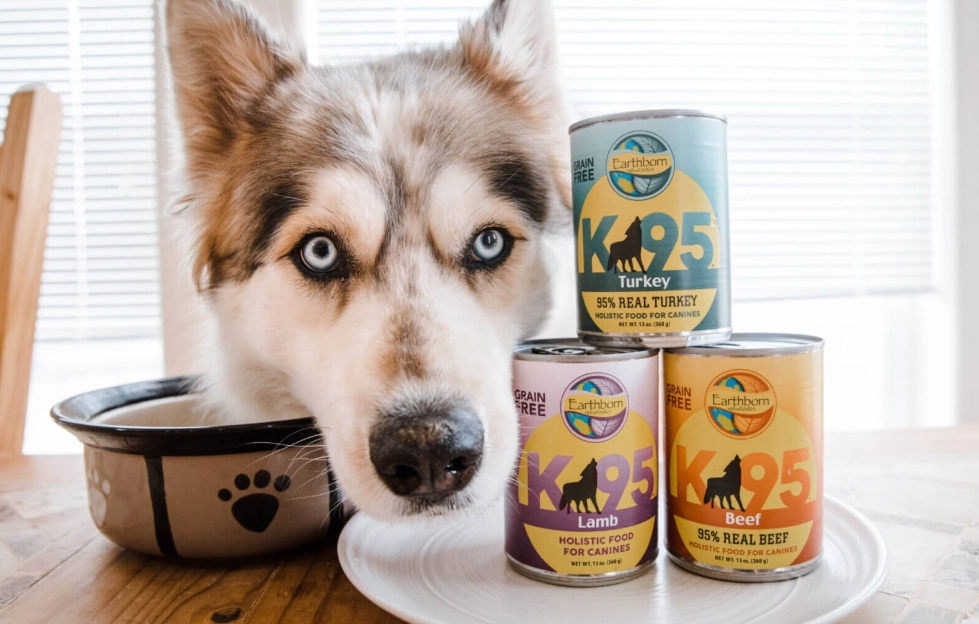
How to Introduce New Flavors Step-by-Step
Don't just dump a bunch of new stuff in the bowl tomorrow. Here's a method that prevents digestive issues and actually tests what your dog likes.
Week 1: The Broth Test
Start simple. Take a quarter cup of low-sodium bone broth (cooled). Pour one tablespoon over their normal dinner. Watch. Do they eat faster? Lick the bowl cleaner? If yes, you've confirmed it's boredom, not illness. Continue this for a few days. You can alternate with just warm water—sometimes the warmth alone releases aromas.
Week 2: Introduce a Veggie or Fruit
Pick one from the "Nutrient-Dense" column. Steam a few green beans until soft. Chop one bean finely and mix it in. The goal is visual and textural change. If they pick around it, try a different option, like mashed sweet potato. Finding one winner is enough.
Week 3 & Beyond: Rotate and Combine
Once you know 2-3 safe, liked items, create a tiny rotation. Monday: broth. Wednesday: a sprinkle of nutritional yeast. Friday: a bit of mashed sardine. Rotation keeps the novelty alive without requiring constant new ingredients.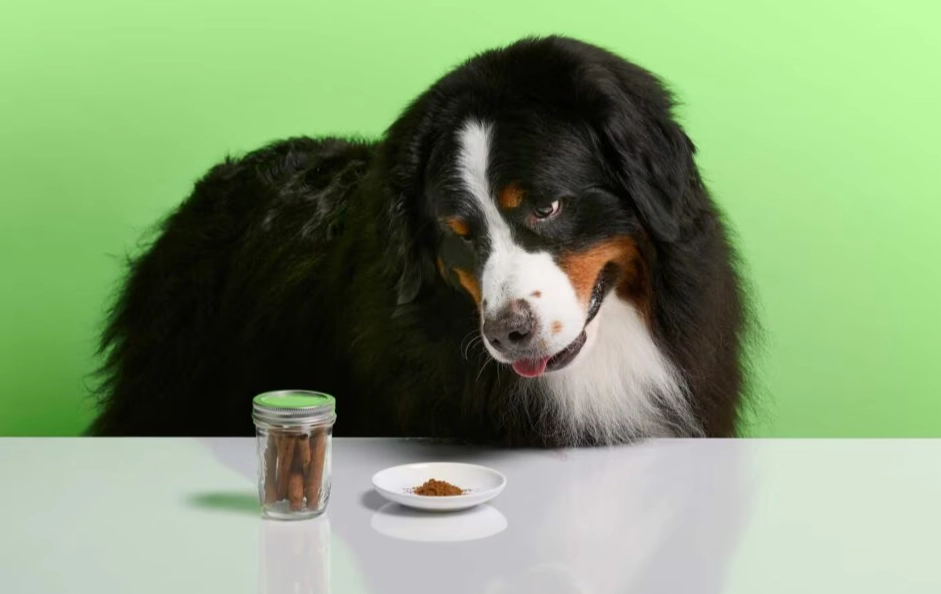
Common Mistakes That Backfire
I've seen these derail even the best intentions.
Mistake 1: The "Flavor of the Day" Auction. Offering a new topping every time they refuse food teaches them to hold out for something better. Stick to your plan. Offer the enhanced food for 15 minutes, then pick it up. They'll learn the enhanced version is the only option.
Mistake 2: Ignoring the Base Diet. You're adding all this good stuff to a low-quality, corn-filled kibble? The problem might be the main food. Consider a gradual transition to a higher-quality food with better meat content first. The additions should complement good food, not rescue bad food.
Mistake 3: Overdoing Organ Meat. Liver is a fantastic flavor booster and nutrient powerhouse. But it's incredibly rich. Too much, too fast, causes diarrhea. If you use liver, treat it like a potent supplement—tiny amounts, very occasionally.
Your Top Flavor Questions Answered
My dog is allergic to chicken. What are some poultry-free flavor options?
Look to novel proteins and plants. A bit of canned pumpkin or sweet potato is inherently chicken-free. Use bone broth made from beef or lamb bones. Sardines in water are an excellent, strong-smelling topper. Nutritional yeast provides a cheesy flavor without any meat. For a protein boost, try a spoonful of cooked, lean ground beef or lamb.
I've tried everything and my dog still won't eat. What now?
First, double-check with your vet to rule out medical causes. If health is clear, consider the eating environment. Is the bowl near a noisy appliance? Are other pets causing stress? Try hand-feeding the enhanced food for a few meals to rebuild positive association. Sometimes, the issue isn't the food's flavor, but anxiety around the meal itself.
 Are store-bought "food toppers" or "gravy pouches" a good idea?
They can be convenient, but you must read the label like a hawk. Many are high in sodium, contain artificial flavors, and use vague terms like "meat by-products." They can also be expensive for what you get. A homemade bone broth or a sprinkle of real meat is often healthier, cheaper, and you control the ingredients. If you buy commercial, choose brands with a single-protein source and no added salt or sugars.
How do I add flavor for a diabetic dog or one needing to lose weight?
Calorie control is paramount. Focus on very low-calorie, high-fiber, and high-moisture additions. Steamed green beans, broccoli florets, or chopped lettuce are virtually calorie-free but add bulk and crunch. Use warm water or a low-sodium vegetable broth instead of bone broth. Always consult your vet before adding anything, as it can affect insulin needs.
Can I just add a raw egg to my dog's food for flavor?
A cooked egg is safer. While many feed raw eggs, there is a risk of Salmonella or E. coli exposure for both you and your dog, and raw egg whites contain avidin, which can interfere with biotin absorption over time. Scrambling an egg with no butter or oil is simple, eliminates the risk, and makes the protein more digestible. The flavor and smell are just as appealing.
The goal isn't to cook a gourmet meal every day. It's to use simple, safe tricks to make your dog's necessary nutrition something they eagerly anticipate. Start with a tablespoon of broth. See what happens. Often, that's all it takes to turn a food skeptic back into a happy eater.



Leave a comment