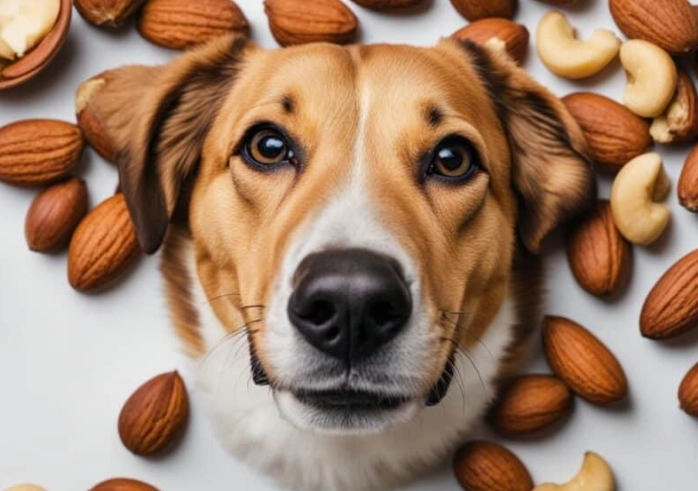
You're snacking on a handful of mixed nuts, and those puppy-dog eyes lock onto you. It's tempting to share, but a quick online search throws up warnings about toxicity, pancreatitis, and choking hazards. The confusion is real. Let's cut through the noise. The truth is, most nuts aren't great for dogs, a few are downright dangerous, and only a couple can be considered semi-safe as very occasional treats. The key isn't just the type of nut, but how you prepare it and how much you give.
Quick Navigation: What You'll Learn
What Nuts Are Safe for Dogs? (The Very Short List)
If you must share a nut, these are the ones that, when prepared correctly, are least likely to cause immediate harm. I call them "sometimes foods," not staples. Think of them like a single potato chip for your dog—not nutritious, just a novelty.
| Nut | Safe to Feed? | Key Conditions & Serving Size | The Big Reminder |
|---|---|---|---|
| Peanuts | Yes (with conditions) | Plain, unsalted, shelled, and raw or dry-roasted. 1-2 peanuts for a medium dog. | They are legumes, not true nuts. High in fat. Watch for peanut butter with xylitol. |
| Cashews | Yes (with conditions) | Plain, unsalted. One cashew, chopped for small dogs. | Even higher fat content than peanuts. A major trigger for pancreatitis if overfed. |
| Pistachios | Proceed with extreme caution | Only if you shell them yourself. One or two kernels, unsalted. | The shells are a severe choking and intestinal blockage hazard. Often contaminated with aflatoxin mold. |
See how short that list is? That's the point. Almonds often get a "maybe" online, but I advise against them. They're hard to digest and a prime choking risk. I've seen a dog need endoscopic removal of a whole almond that got stuck. Not worth the vet bill for zero nutritional benefit.
Veterinary Perspective: The American Society for the Prevention of Cruelty to Animals (ASPCA) Animal Poison Control Center lists macadamia nuts and walnuts (especially black walnuts) as toxic. Their guidance is clear: when in doubt, don't feed it. The fat content in all nuts is the silent, more common danger than outright toxicity for most of the "safe" list.
Nuts That Are Toxic and Must Be Avoided Completely
This list is non-negotiable. If you have these in your home, keep them where your dog cannot possibly reach. Accidents happen with dropped trail mix or forgotten holiday bowls.
- Macadamia Nuts: The big one. Even a small amount can cause weakness, depression, vomiting, tremors, and hyperthermia in dogs. The mechanism isn't fully understood, but the effects are well-documented by sources like the ASPCA.
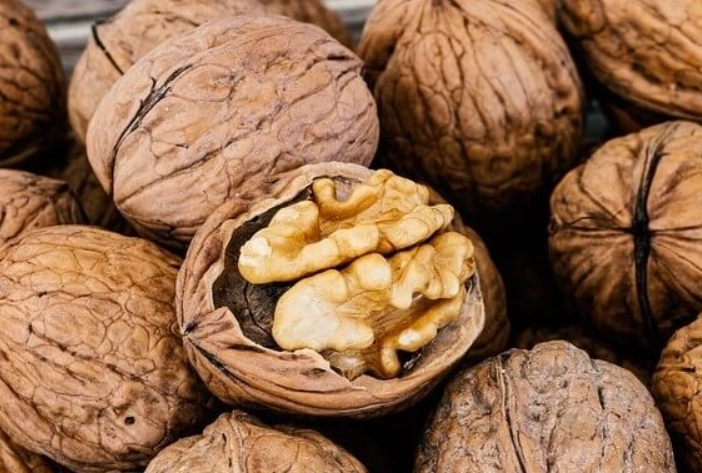
- Walnuts (especially Black Walnuts): Moldy walnuts can contain tremorgenic mycotoxins which cause seizures. Even fresh ones are difficult to digest and can cause stomach upset or obstruction.
- Pecans: Similar risk to walnuts for mold and gastrointestinal obstruction. They also contain juglone, which can be harmful to dogs.
Here's a mistake I see often: people think "organic" or "raw" makes a toxic nut safe. It doesn't. A raw macadamia nut is just as dangerous as a roasted one. The toxin is in the nut itself.
How to Safely Feed Nuts to Your Dog (If You Decide To)
Let's say it's a special occasion and you want to give your lab one peanut. Here's the drill, born from years of owning dogs with insatiable appetites.
Rule 1: Size and Preparation Are Everything
Never give a whole nut. For any dog under 50 pounds, chop that peanut or cashew into tiny pieces. This isn't just about choking—it's about slowing them down and making it easier to digest. Remove all shells, skins, salt, chocolate coatings, and spice rubs. Plain is the only way.
Rule 2: Frequency and Quantity Are Non-Negotiable
We're talking one nut, once a month, not a handful per week. Calculate it as less than 10% of their daily calorie intake, which for most treats is just a few calories. The high fat is a direct ticket to pancreatitis, a painful and expensive inflammatory condition. I learned this the hard way with a rescue beagle who found a bag of trail mix; the emergency vet visit was a stark lesson.
Rule 3: Have Better Alternatives Ready
Honestly, why risk it? Your dog will be just as happy with a safer, dog-appropriate treat.
- For a crunchy texture: Try a freeze-dried liver treat or a carrot stick.
- For a high-value reward: Use small pieces of boiled chicken or commercial training treats.
- For a spreadable paste (like peanut butter): Use a xylitol-free peanut butter sparingly in a Kong toy, or try pure pumpkin puree.
The bottom line? Nuts offer no essential nutrient your dog can't get better from their regular, balanced diet. They're a human snack, not a canine one.
Your Top Questions, Answered
I give my dog peanut butter in his Kong all the time. Is that bad?
My dog snatched a cookie with macadamia nuts. What are the first steps I should take?
Are there any nuts that are actually good for my dog's health?
What's the biggest mistake people make when thinking about nuts for dogs?
Leave a comment