You found this page because your dog is itchy, anxious, or maybe having an allergic reaction, and you need to know how much Benadryl to give a 50 lb dog. Let's cut straight to the point: the standard veterinary dosage is 1 mg of diphenhydramine (the active ingredient in Benadryl) per pound of body weight. For a 50 lb dog, that's 50 mg.
But here's the critical part almost no one talks about clearly: that 50 mg is the total dose, not per pill. If you grab the most common 25 mg tablets, you'd give two. If you accidentally use the 50 mg capsules, you give one. Get this wrong, and you risk under-dosing or, worse, an overdose. I've seen it happen more than once in my years working with vets.
Quick Navigation
What is the Correct Benadryl Dosage for a 50 lb Dog?
The math is simple, but the execution is where people slip up. Let's make it foolproof.
The universal veterinary guideline is 1 mg per pound, given 2-3 times per day. The maximum frequency is usually every 8 hours. So for your 50 lb dog:
- Single Dose: 50 mg of diphenhydramine.
- Daily Maximum (if dosed 3x): 150 mg total.
This table breaks down exactly how that translates to the pills you might have in your cabinet. Always, and I mean always, double-check the mg strength on the box.
| Benadryl Product Type | Common Strength | Dose for a 50 lb Dog | Key Checkpoint |
|---|---|---|---|
| Adult Tablets/Capsules | 25 mg | 2 tablets | Most common and recommended form. |
| Adult Tablets/Capsules | 50 mg | 1 capsule | Easy to overdose if you mistake it for 25 mg. |
| Children's Liquid (Cherry Flavor) | 12.5 mg per 5 mL | 20 mL (or 4 teaspoons) | CRITICAL: Must be diphenhydramine-only. Avoid liquids with acetaminophen, pseudoephedrine, or alcohol. |
⚠️ Non-Negotiable Rule: You must use Benadryl products where the ONLY active ingredient is diphenhydramine hydrochloride. Combination cold/flu formulas can contain substances like acetaminophen (Tylenol) or pseudoephedrine, which are highly toxic and potentially fatal to dogs. This is the #1 medication error I encounter.
A Handy Dosage Calculator for Other Weights
Not all dogs are exactly 50 lbs. Here's a quick reference. Remember, this is a guideline, not a substitute for your vet's specific instructions.
- 10 lb dog: 10 mg (e.g., 2 tsp of children's liquid or part of a 25 mg tablet).
- 25 lb dog: 25 mg (e.g., one 25 mg tablet).
- 75 lb dog: 75 mg (e.g., three 25 mg tablets).
- 100 lb dog: 100 mg (e.g., four 25 mg tablets or two 50 mg capsules).
For very small dogs (under 10 lbs) or puppies, the calculation gets tricky and the risk of error is higher. It's best to call your vet.
Safety First: When NOT to Give Your Dog Benadryl
Benadryl isn't a universal fix. Giving it in the wrong situation can turn a minor problem into an emergency. Here are the absolute red flags.
Consult Your Vet Before First Use: This is especially crucial if your dog has any pre-existing health conditions. A quick call can prevent a disaster.
Do NOT give Benadryl if your dog:
- Has glaucoma or high blood pressure (it can worsen these conditions).
- Has cardiovascular disease.
- Is pregnant or nursing.
- Is taking other medications, especially sedatives, or has liver/kidney disease (metabolism is affected).
- Is experiencing an acute allergic reaction with facial swelling or breathing difficulty. This is an emergency—go to the vet immediately. Benadryl acts too slowly for anaphylaxis.
- Has been exposed to a toxin (like chocolate or xylitol). You need vet-directed care, not just an antihistamine.
A common misconception is that Benadryl is a safe "sleep aid" for anxious dogs during thunderstorms. For some, it might cause drowsiness. For others, it can have a paradoxical effect, making them more agitated and anxious. It's not a reliable solution for noise phobia.
How to Safely Administer Benadryl to Your Dog
Getting the pill into your dog is half the battle. You don't want to stress them out, and you need to ensure they actually swallow it.
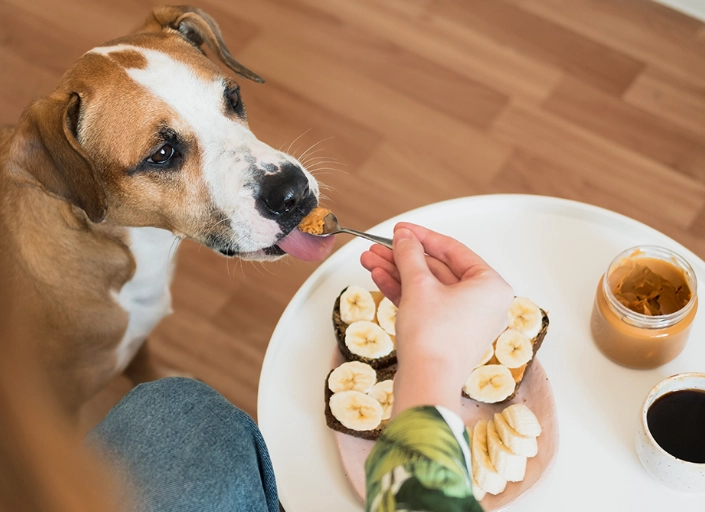
The Peanut Butter Pocket Method: This is my go-to. Take a small glob of peanut butter (xylitol-free!), embed the pill deep inside, and let your dog lick it up. The sticky texture hides the pill completely.
Pill Pockets: Commercial treats designed to hide pills. They work well for most dogs.
Direct Pilling: If you're comfortable, open your dog's mouth, place the pill at the back of the tongue, close their mouth, and gently stroke their throat until they swallow. Follow with a treat and praise.
For Liquids: Use the syringe or dropper that comes with the medicine. Gently insert it into the side of the mouth, behind the canine teeth, and slowly depress the plunger. Let them swallow naturally. Don't squirt it straight down the throat to avoid choking.
Common Uses for Benadryl in Dogs
Benadryl (diphenhydramine) is an antihistamine. It blocks histamine receptors, which are responsible for many allergic symptoms. Here’s what it can realistically help with, and what it can't.
- Mild Allergic Reactions & Itching: This is its primary use. Think seasonal allergies (pollen), reactions to bug bites, or mild food allergy symptoms like hives. It reduces itching, redness, and swelling. It works better as a preventative (give before a known allergen exposure) than as a cure for full-blown itch attacks.
- Motion Sickness: Diphenhydramine has mild sedative and anti-nausea properties. For car rides, the dose is typically given 30-60 minutes before travel. It helps some dogs, but for severe cases, your vet has more effective prescription options.
- Mild Anxiety (Situational): The sedative effect can take the edge off for short-term stressors, like a vet visit or a single firework night. It's not a treatment for chronic anxiety disorders. And again, some dogs get more wound up.
What Benadryl WON'T Fix: Infections (bacterial or viral), serious wounds, deep anxiety, or any condition requiring targeted treatment. It's a symptom manager, not a cure.
Potential Side Effects and What to Watch For
Even at the correct dose, Benadryl can cause side effects. Most are mild, but you should know what's normal and what's a sign to stop.
Common, Usually Mild Side Effects:
- Drowsiness/Sedation: This is expected. Your dog may sleep more.
- Dry Mouth: You might notice them drinking more water.
- Urinary Retention: They might have trouble urinating or go less frequently.
- Mild Gastrointestinal Upset: Some drooling, vomiting, or diarrhea.
Uncommon but Serious Side Effects (Stop the medication and call your vet):
- Rapid breathing or heart rate.
- Extreme agitation or hyperactivity (paradoxical reaction).
- Severe lethargy or difficulty walking.
- Seizures (extremely rare with correct dosing).
Overdose symptoms include dilated pupils, rapid heartbeat, aggression, seizures, and coma. If you suspect an overdose, contact your vet or the ASPCA Animal Poison Control Center immediately.
Your Benadryl for Dogs Questions Answered
Knowing how much Benadryl to give a 50 lb dog—50 mg of diphenhydramine—is just the first step. The real safety lies in checking the label, avoiding combination products, understanding the risks, and knowing when a vet visit is non-negotiable. When used correctly, this over-the-counter medication can be a helpful tool in your dog care kit for managing minor allergies and discomforts.




Leave a comment