Let's cut to the chase. You're here because your dog is itchy, restless, maybe having an allergic reaction, and you've heard Benadryl can help. You want to know the correct Benadryl dosage for dogs, and you want to get it right without causing harm. Good. That's the responsible first step many pet owners miss—they just guess.
I've been a veterinary technician for over a decade, and I've seen the full spectrum. From the mild relief of a seasonal allergy itch to the frantic rush to the emergency clinic because a well-meaning owner used the wrong formulation. This guide isn't just a dosage chart (though we have a detailed one). It's the context, the warnings, and the "why" behind the rules that most articles skip. We'll cover exactly when to use it, how to calculate the dose for your specific dog, what side effects are normal versus dangerous, and critical mistakes to avoid.
Quick Guide to Benadryl for Dogs
What is Benadryl and When Should You Use It?
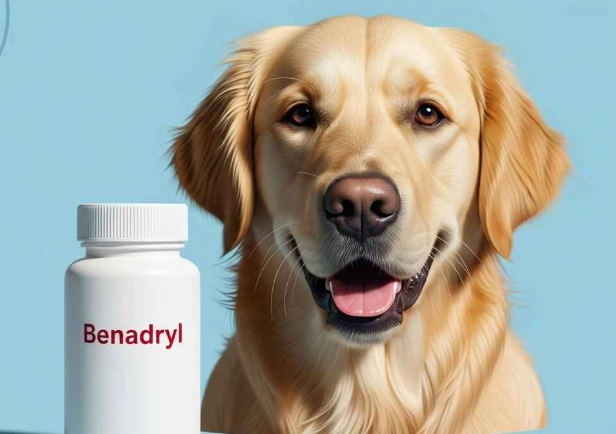
Benadryl's active ingredient is diphenhydramine, an antihistamine. In simple terms, it blocks histamine, a chemical your dog's body releases during an allergic reaction. This can calm down symptoms driven by histamine.
But here's a non-consensus point many vets wish more people knew: Benadryl is often underwhelming for true environmental allergies in dogs. It works best for acute, one-off reactions, not chronic conditions. For a dog with year-round itchy skin from pollen, modern prescription medications are far more effective. Benadryl can be a helpful tool in the kit, but it's rarely the complete solution.
Common, vet-approved uses include:
- Mild Allergic Reactions: Hives, facial swelling from a bug bite, or sudden itchiness. (For severe swelling or breathing trouble, go to the vet immediately).
- Motion Sickness: Given about 30-60 minutes before a car trip. It causes drowsiness, which can help.
- Mild Anxiety: Sometimes used for situational anxiety like thunderstorms or fireworks. Its sedative effect can take the edge off. It's not a long-term anxiety solution.
- Vestibular Disease: Can help with nausea associated with "old dog" vestibular syndrome.
How to Calculate the Correct Benadryl Dosage for Your Dog
The standard veterinary dosage for diphenhydramine is 1 milligram per pound of body weight, given 2-3 times a day. Let's break that down because it's not just math.
First, you need your dog's accurate weight. Your guess at the vet's scale is usually wrong. Weigh them. A 5-pound difference changes the dose.
Second, know your pill strength. Common over-the-counter Benadryl tablets are 25 mg. Some are 50 mg. The children's liquid formulation is usually 12.5 mg per 5 mL. Do not use the adult liquid as it often contains alcohol.
Benadryl Dosage Chart for Dogs
This table translates the 1 mg/lb rule for common weights and pill sizes. It's a starting point, but your vet's recommendation overrides this.
| Dog Weight | 25 mg Tablet Dose | Approximate Children's Liquid Dose (12.5mg/5ml) | Maximum Frequency |
|---|---|---|---|
| 10 lbs | 1/2 tablet (12.5 mg) | 5 mL (1 tsp) | Every 8-12 hours |
| 25 lbs | 1 tablet (25 mg) | 10 mL (2 tsp) | Every 8-12 hours |
| 50 lbs | 2 tablets (50 mg) | 20 mL (4 tsp) | >Every 8-12 hours|
| 75 lbs | 3 tablets (75 mg) | Not recommended (volume too high) | Every 8-12 hours |
| 100 lbs | 4 tablets (100 mg) | Not recommended (volume too high) | Every 8-12 hours |
See a case I handled? A client had a 12-pound Shih Tzu. They gave a full 25 mg tablet because "rounding up seemed easier." The dog became excessively sedated and wobbly for nearly a full day. We calculated they'd given over 2 mg/lb. It wasn't life-threatening, but it was scary for them and uncomfortable for the dog. Precision matters.
Dosage Adjustments: When the Standard Rule Doesn't Apply
Some dogs are more sensitive. Brachycephalic breeds (like Bulldogs, Pugs) or very small toy breeds sometimes do better with a lower dose, like 0.5 mg/lb, to start. Conversely, some dogs are fast metabolizers and seem resistant. Never increase the dose beyond 1 mg/lb without explicit vet instruction. If it's not working at the standard dose, the problem might not be one Benadryl can fix.
Practical Tips for Giving Benadryl to Your Dog
You've got the dose. Now you have to get it into them. Pilling a dog can be a battle. Here's what works beyond the basic "hide it in peanut butter."
For pills: Pill pockets are great, but some dogs eat the treat and spit out the pill. My go-to method is a small ball of canned dog food or soft cheese. Embed the pill deep inside. For the truly savvy dog, you may need to "pill" them manually: open their mouth, place the pill at the back of their tongue, close their mouth, and gently stroke their throat until they swallow. Follow with a treat and praise.
For liquid: Use the children's formula (12.5 mg/5 mL). Draw up the correct amount in a syringe (no needle!), gently insert the tip into the side of their mouth behind the canine teeth, and slowly depress the plunger. Let them swallow. Giving it too fast can cause choking.
Timing is also practical. If using for car sickness, give it at least 30 minutes before departure. For allergy relief, you'll likely need to give it consistently for a few days to see if it helps.
Side Effects and When to Be Concerned
Drowsiness is the most common side effect. It's often the desired effect for anxiety or travel. Your dog might just want to nap.
Other common, usually mild effects include:
- Dry mouth
- Urinary retention (they might not pee as often)
- Mild gastrointestinal upset (vomiting or diarrhea)
Now, the red flags. These signs mean stop the medication and contact your vet immediately:
- Rapid heartbeat or panting (paradoxical reaction)
- Extreme agitation or hyperactivity
- Severe lethargy to the point they can't stand or are unresponsive
- Dilated pupils
- Seizures (this is very rare but serious)
Overdose is a real risk. Symptoms of overdose include all the red flags above, plus respiratory depression. If you suspect an overdose, call your vet or the Pet Poison Helpline immediately. Time is critical.
Certain dogs should avoid Benadryl or use it only under direct vet supervision: dogs with glaucoma, cardiovascular disease, hyperthyroidism, or high blood pressure. Always disclose your dog's full health history to your vet before starting any new medication.
Your Benadryl Questions Answered
Let me leave you with this final thought. Benadryl is a useful, accessible tool. Knowing the safe Benadryl dosage for dogs empowers you to handle minor issues at home. But it's not a cure-all. If your dog's problem is frequent or severe, that home dose is just a stopgap. The real solution involves a partnership with your veterinarian to diagnose the root cause. Use this guide to act wisely in the moment, but don't let it replace professional care when your dog truly needs it.



Leave a comment